
 Evan Lee Salim
This story was produced by Grist and co-published with LAist.
Insurance is, at its core, a social contract. When a homeowner pays a premium to a major carrier like State Farm or Allstate, they are effectively purchasing a membership in a collective. The underlying promise is simple: your capital helps fortify your neighbor’s home against the unpredictable forces of fire or flood, and when calamity strikes your doorstep, the community’s shared pool of resources secures your recovery. We entrust private companies to manage this market and elect public officials to serve as the guardians of that contract.
But for thousands of Californians, that contract has been voided.
The state’s property insurance market is currently in the throes of a historic collapse. As climate change transforms California’s woodlands into literal tinderboxes, the financial pillars supporting the dream of homeownership are splintering. This is not merely an economic footnote; it is a profound societal rupture that threatens to redefine the geography of the American West.
The Human Cost: A Case Study in Institutional Failure
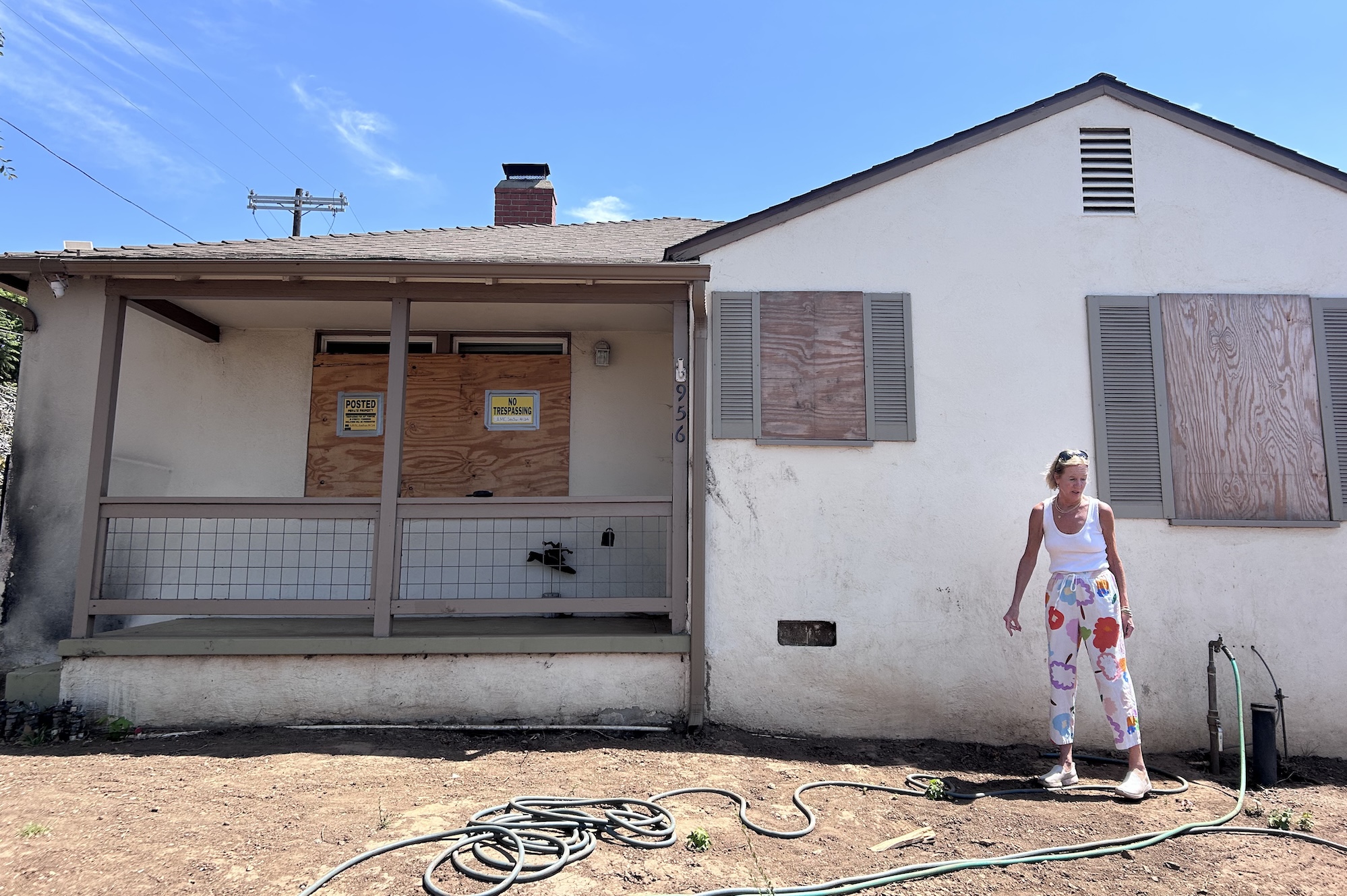
Lynn McIntyre knows the silence of a broken promise all too well. When she inherited her mother’s home in the “Alphabets,” a charming, coastal-adjacent enclave in western Los Angeles, she expected a legacy of stability. Instead, she found herself caught in the gears of a failing system.
Within a year of taking ownership, Liberty Mutual—her provider—withdrew her fire coverage. Unable to find a replacement in the private market, McIntyre was forced into the California FAIR Plan. Designed as a “last resort” safety net, the state-backed plan proved to be a costly burden, adding $5,000 to her annual expenses.
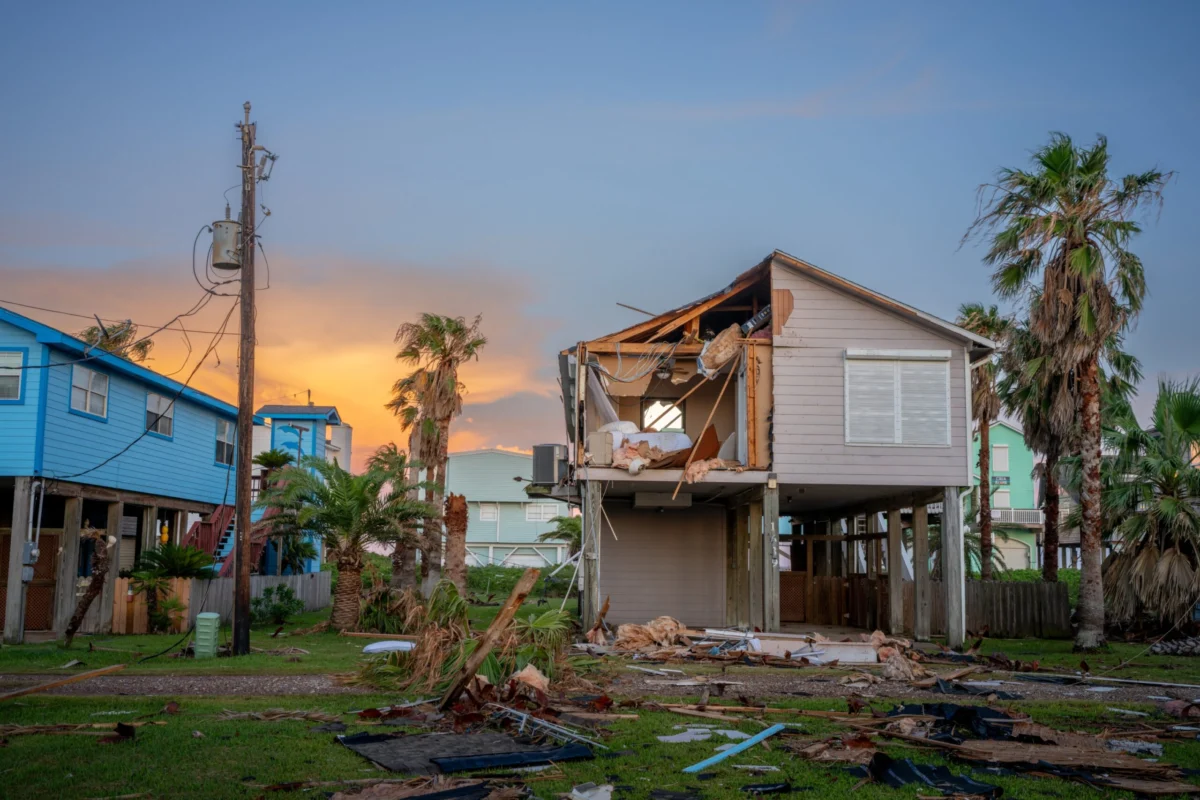
When the Palisades Fire tore through the neighborhood in early 2025, McIntyre’s bungalow miraculously remained standing. However, it was compromised—choked by smoke, saturated with ash, and rendered unlivable. Yet, when she turned to the FAIR Plan for help, the response was one of cold, bureaucratic indifference. Adjusters offered funds for a temporary apartment but refused to cover the essential restoration of her home.
For months, McIntyre—a former real estate broker—fought a futile battle against 10 different adjusters and dozens of representatives. While her neighbors, many of whom had the resources to rebuild larger, more resilient structures, were moving on, McIntyre’s home remained a boarded-up, smoke-stained monument to a system that had abandoned her. It wasn’t until late 2026, 18 months post-fire, that she secured a $200,000 federal loan to begin repairs—a debt she will carry for years.
“The next time a fire comes through, I’m just going to light it on fire, because I’m not going to go through this again,” McIntyre said, her frustration echoing the sentiments of thousands of Californians trapped in the same limbo.
A Chronology of Collapse
The current crisis did not emerge overnight; it is the culmination of a century of unchecked development in the “wildland-urban interface”—the volatile zones where suburban expansion meets flammable forest.
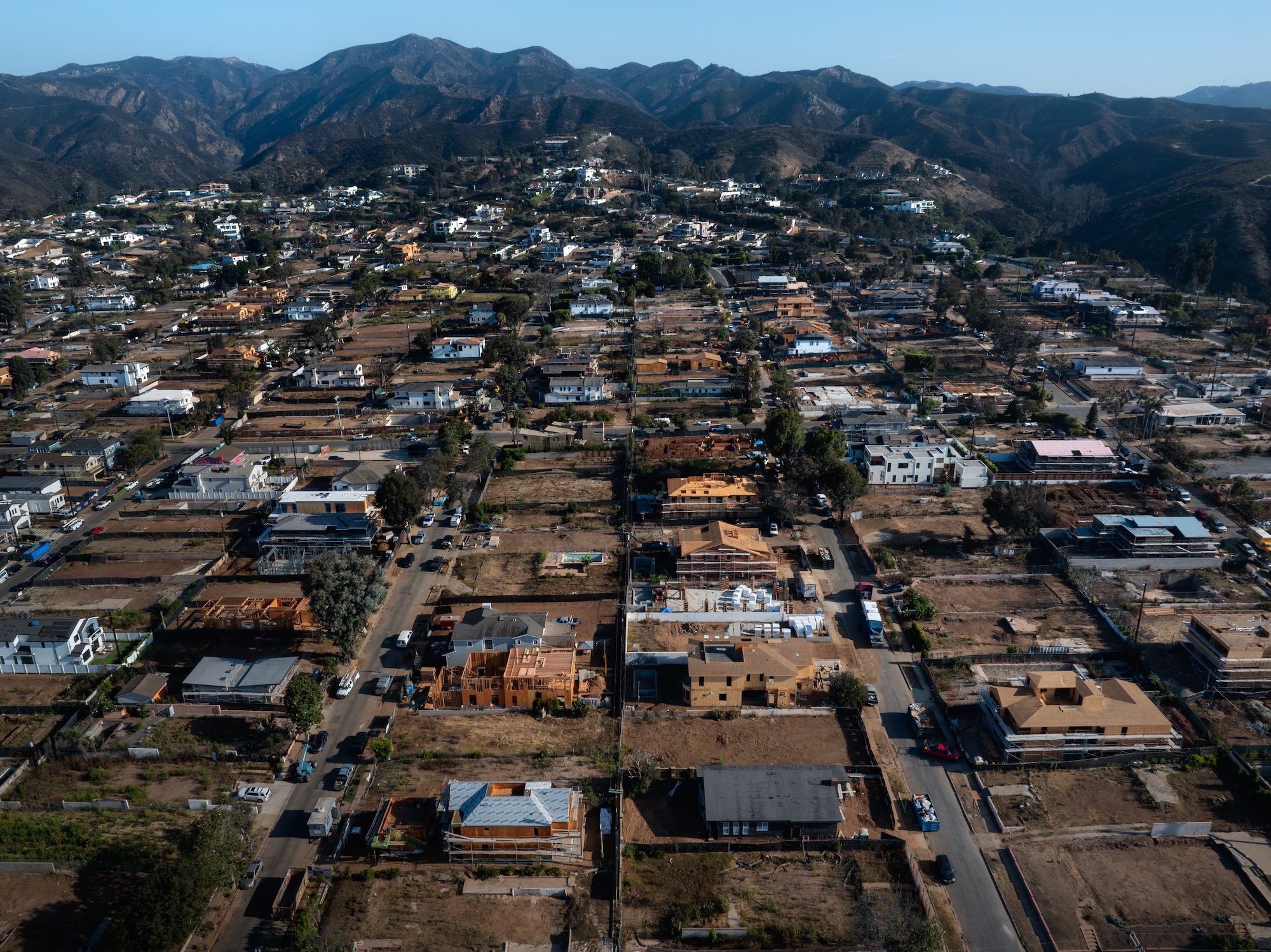
- 2015–2020: A series of unprecedented wildfires scorched 4 million acres and obliterated 35,000 homes. These disasters forced major insurers to pay out billions in claims, effectively wiping out two decades of underwriting profits.
- 2021–2024: As insurers requested significant rate hikes to offset these losses, the state’s regulatory body, under the direction of Commissioner Ricardo Lara, maintained strict oversight. Feeling the squeeze, major carriers began non-renewing policies in high-risk areas, and eventually, some exited the California market entirely.
- 2025: The Palisades Fire and other regional disasters overwhelmed the FAIR Plan, which saw its market share explode as it became the default insurer for homeowners rejected by the private sector.
- 2026: With the market in freefall, the race to replace the term-limited Insurance Commissioner has become a referendum on the future of the state’s climate adaptation strategy.
The Data of Disillusionment
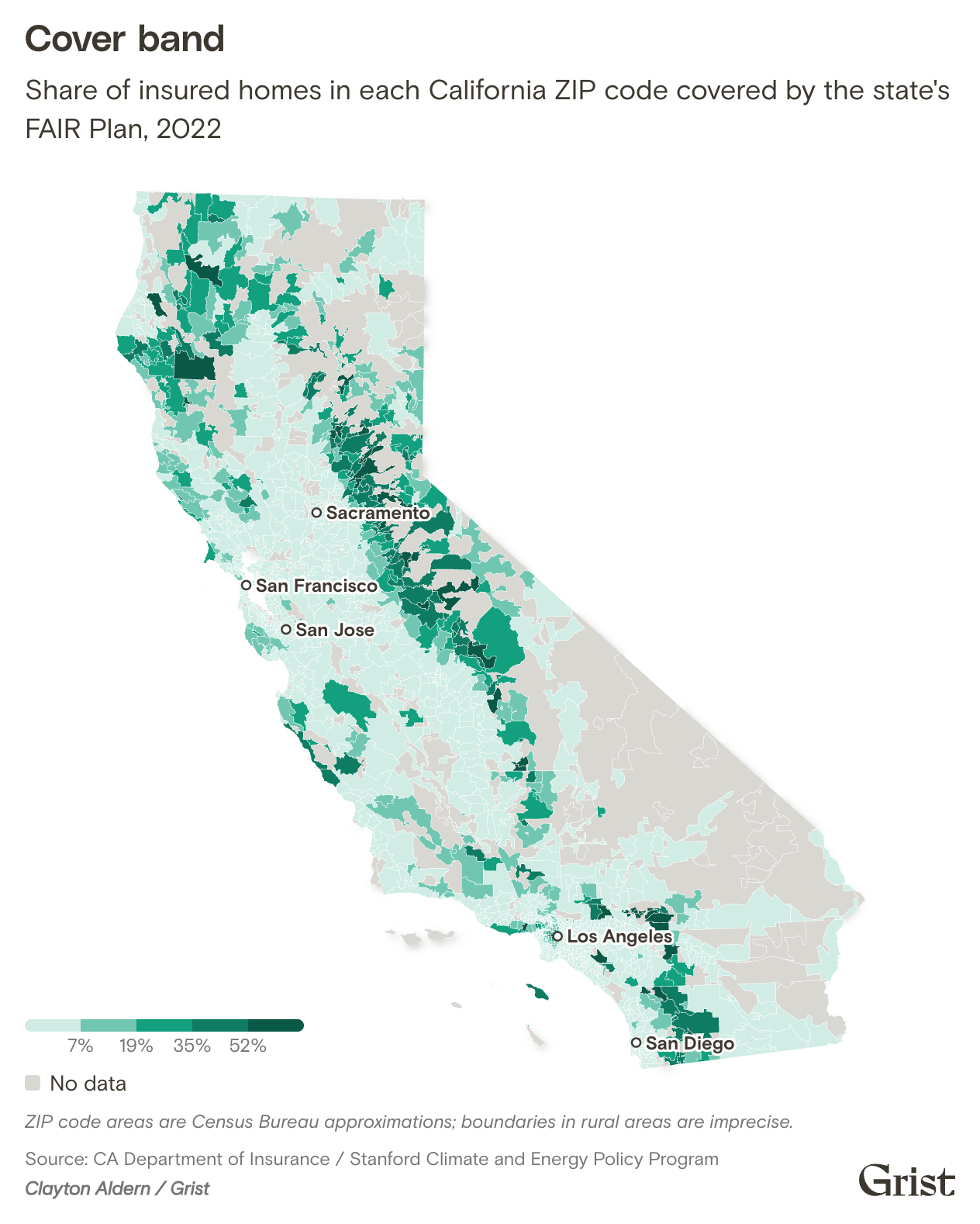
The numbers paint a bleak picture of an economy under duress. According to recent industry data, 1 in 7 California realtors reported a home sale collapse in 2024 directly linked to the inability to secure insurance. The FAIR Plan, intended to cover a negligible percentage of the market, has seen its share grow from under 1 percent to as much as 80 percent in certain high-risk zip codes.
Furthermore, the "tale of two markets," a term coined by scholar Carolyn Kousky, has taken hold. While premiums in low-risk urban areas like San Francisco remain relatively stable, those in the Sierra Nevada foothills and parts of Los Angeles have become astronomical. For those who cannot afford to leave, the only recourse is the "surplus lines" market—unregulated, boutique insurance providers like Chubb that charge upwards of $30,000 a year for coverage. It is a system that effectively reserves safety for the ultra-wealthy.
The Political Crossroads: Two Visions for California
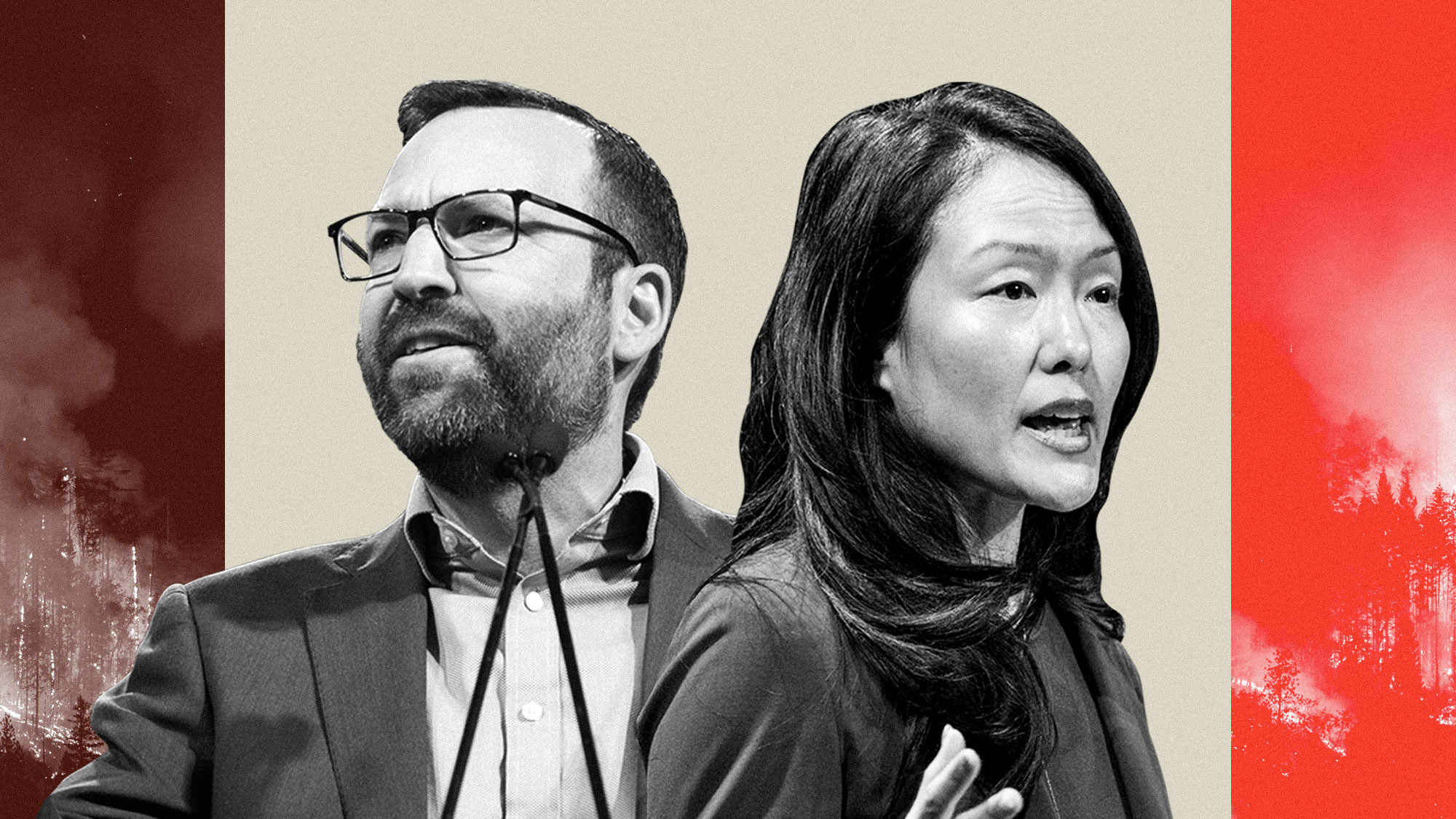
With the incumbent Commissioner Ricardo Lara departing, the upcoming election features two primary candidates, both Democrats, offering starkly different visions for the state’s future.
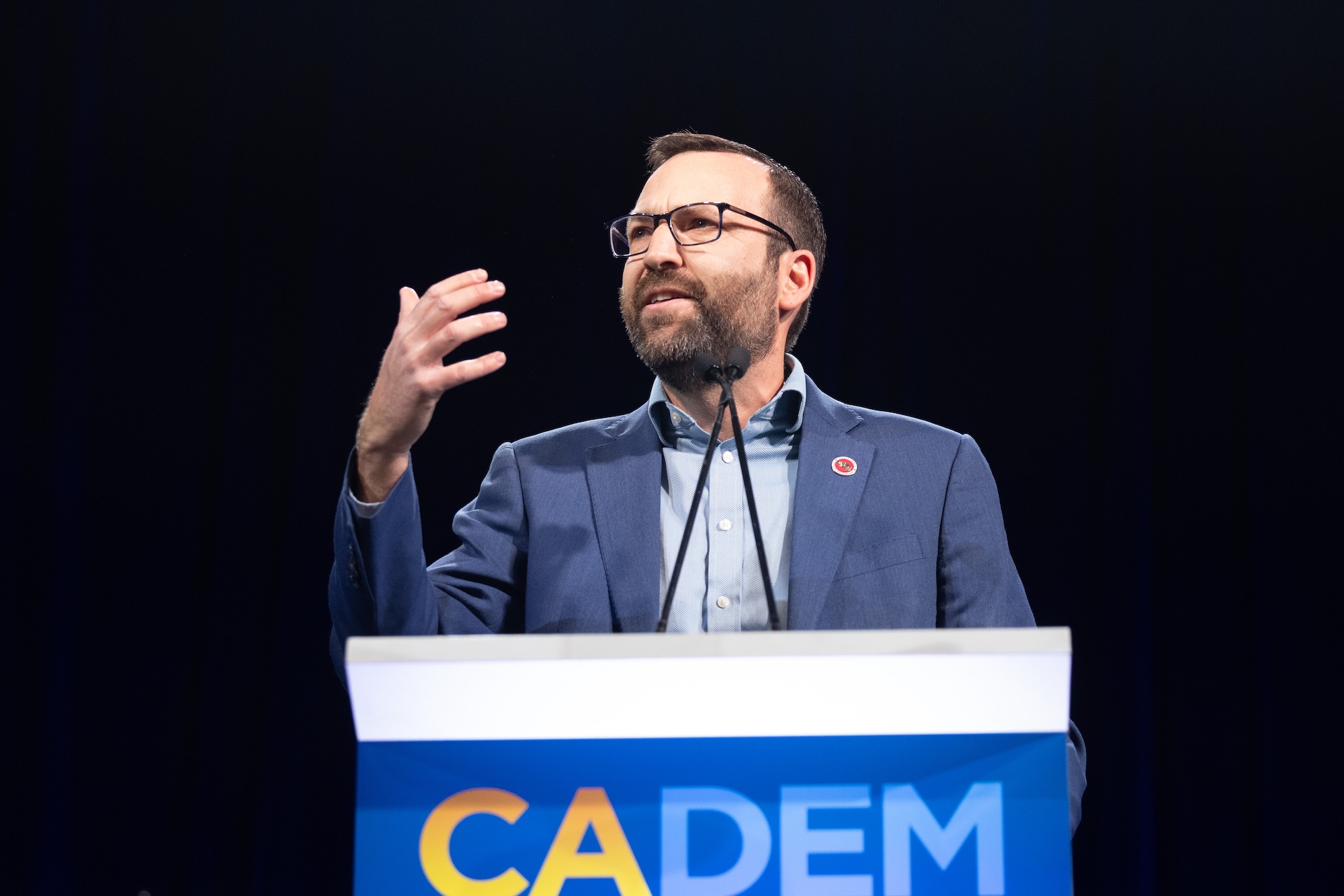
Ben Allen: The Proponent of the “Grand Bargain”
State Senator Ben Allen, representing Pacific Palisades, advocates for a market-restoration approach. His philosophy centers on poder de convocatoria—the power to convene. Allen believes that by working directly with insurance companies, the state can incentivize fire-hardening and create a path for carriers to return. His recently passed legislation offering low-interest loans for home retrofitting is the cornerstone of his platform. He argues that by allowing data-driven rate adjustments and cracking down on bad-faith claim denials, the private market can be stabilized.
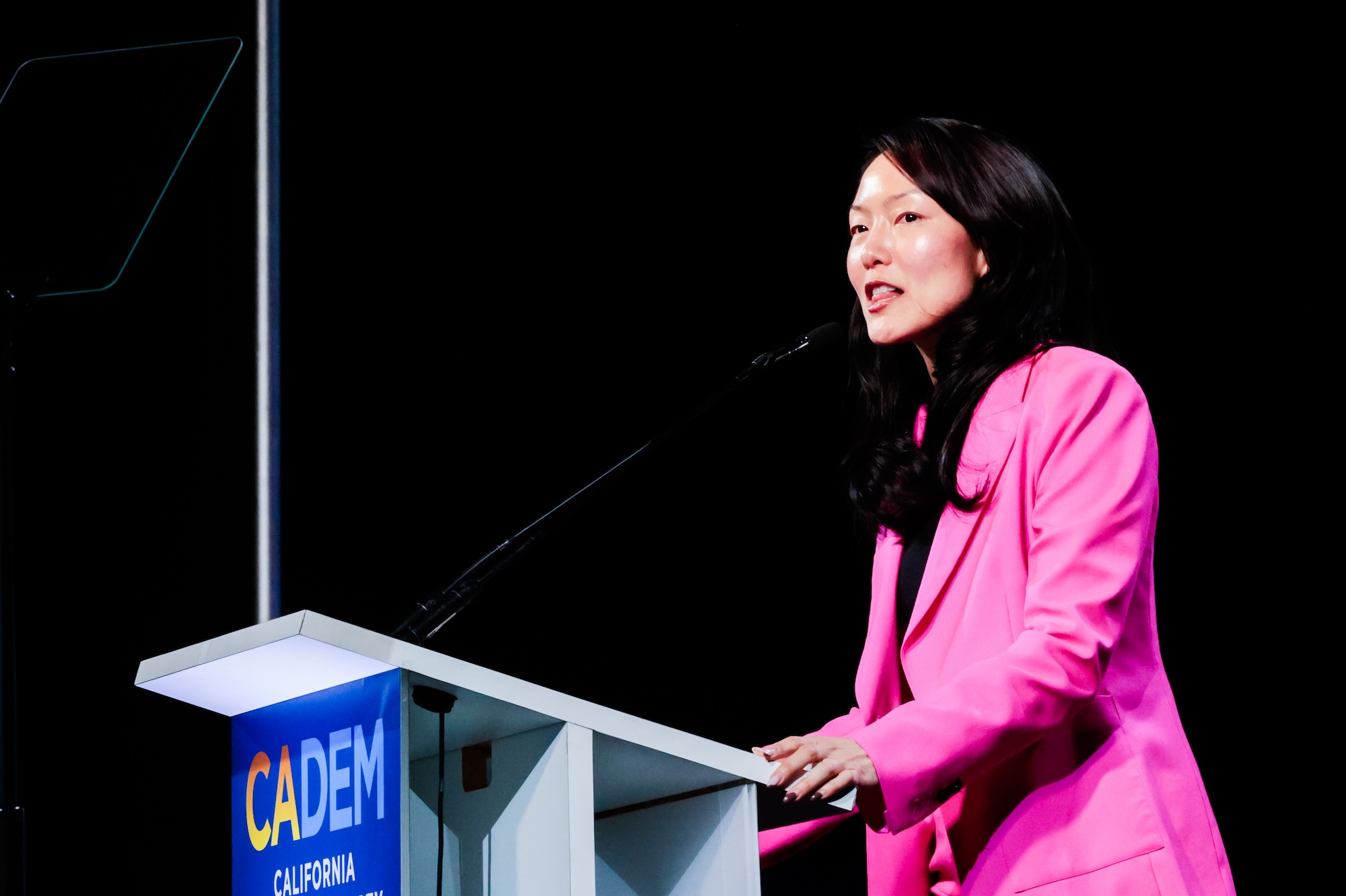
Jane Kim: The Advocate for Public Intervention
Conversely, former San Francisco Supervisor Jane Kim argues that the private market has proven itself incapable of addressing the existential threat of climate change. Her proposal is radical: a state-run, single-payer disaster insurance program. Under this model, the state would collect premiums and handle payouts, bypassing private insurers for wildfire coverage entirely. Kim argues that the revenue should be funneled directly into public fire-hardening projects, treating safety as a public utility rather than a profit-seeking venture.
Implications for a Warming World
The debate between Allen and Kim is more than a technical policy dispute; it is a fundamental question about the role of the state in a warming world.
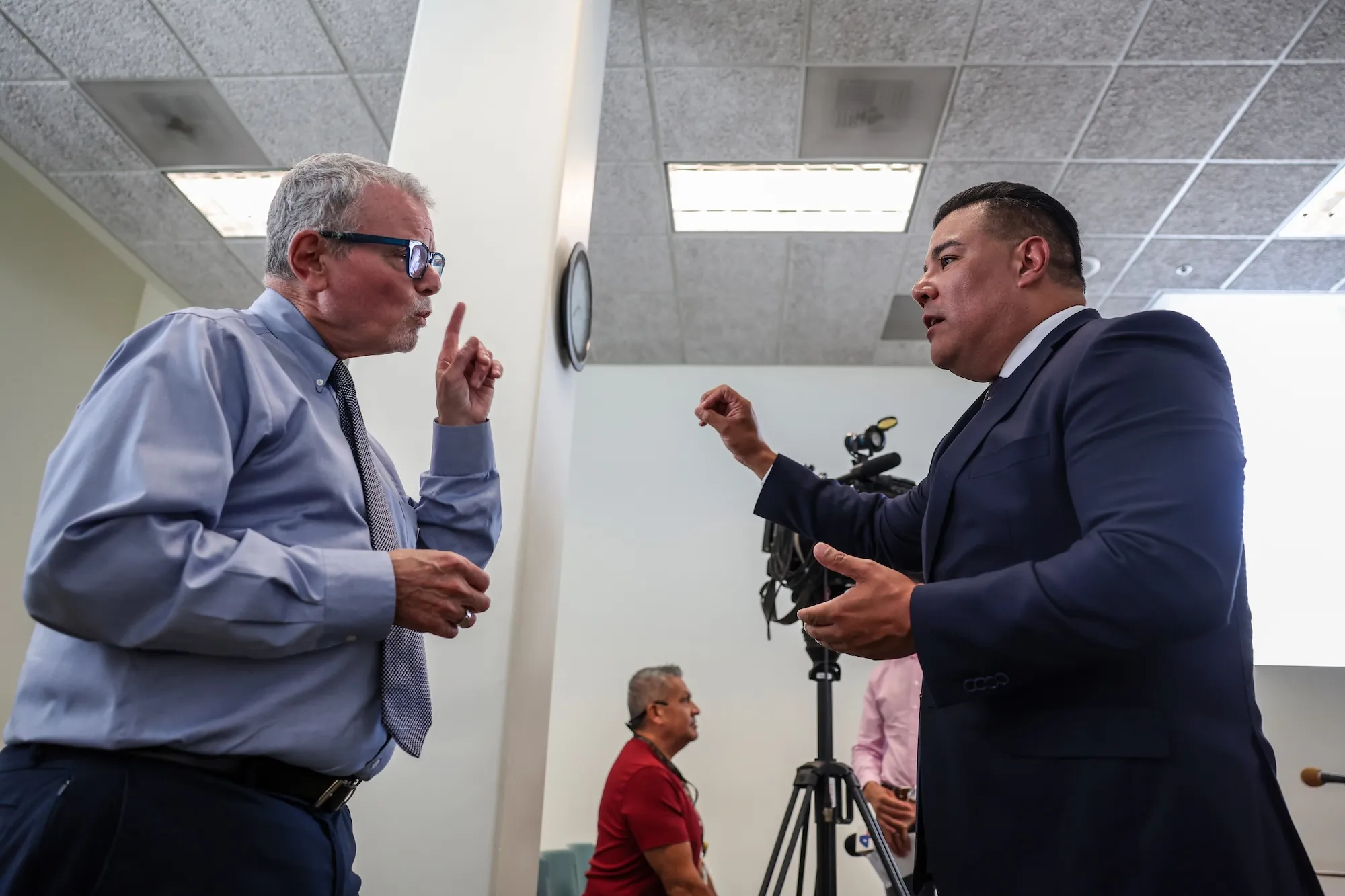
Critics of Kim’s plan, including former Commissioner Dave Jones, warn that it could shift the burden of massive wildfire losses onto the state’s general fund, which is already stretched thin. They also argue that it could incentivize continued development in high-risk zones by artificially lowering premiums. Allen’s critics, meanwhile, argue that his "grand bargain" relies on the cooperation of insurers who have shown little interest in anything beyond maximizing quarterly profits.
The reality on the ground—seen in communities like Kelseyville—is that resilience is an expensive, painstaking process. Even with $117 million in state grants, retrofitting homes to withstand fire is a slow, difficult endeavor. "A home is only as strong as the weakest link," notes Steve Hawks of the Insurance Institute for Business & Home Safety. Hardening a neighborhood requires total buy-in, yet many homeowners remain resistant to the cost and the lifestyle changes required to make their properties truly defensible.
Conclusion: The Price of Community
Ultimately, the insurance crisis serves as a brutal litmus test for the state’s capacity to adapt to the climate reality. If the insurance market is a barometer for societal health, California is currently recording a dangerous low.
Whether the solution lies in a return to a functioning private market or a move toward a state-managed model, one truth remains: the era of cheap, reliable, and easily accessible insurance is over. The cost of living in a fire-prone state has finally come due. As both candidates acknowledge, risk does not simply vanish; it is allocated. The question facing California voters this November is not whether they will pay for this risk, but how—and whether they can preserve the social contract that ensures that, when the next fire arrives, no one is left to face the embers alone.

 Nila Kartika Wati
 Dwi Wanna