


 Neng Nana
Main Facts: A New Frontier in Internal Environmental Health
In the burgeoning field of environmental medicine, a new and unsettling reality has taken hold: the human body is no longer a "plastic-free" zone. Recent longitudinal studies have confirmed the presence of microplastics—synthetic polymer particles smaller than five millimeters—in human blood, lung tissue, placentas, and even the meconium of newborn babies. As the global community grapples with the systemic failure of plastic waste management, a novel category of health interventions is emerging at the intersection of microbiology and environmental science.
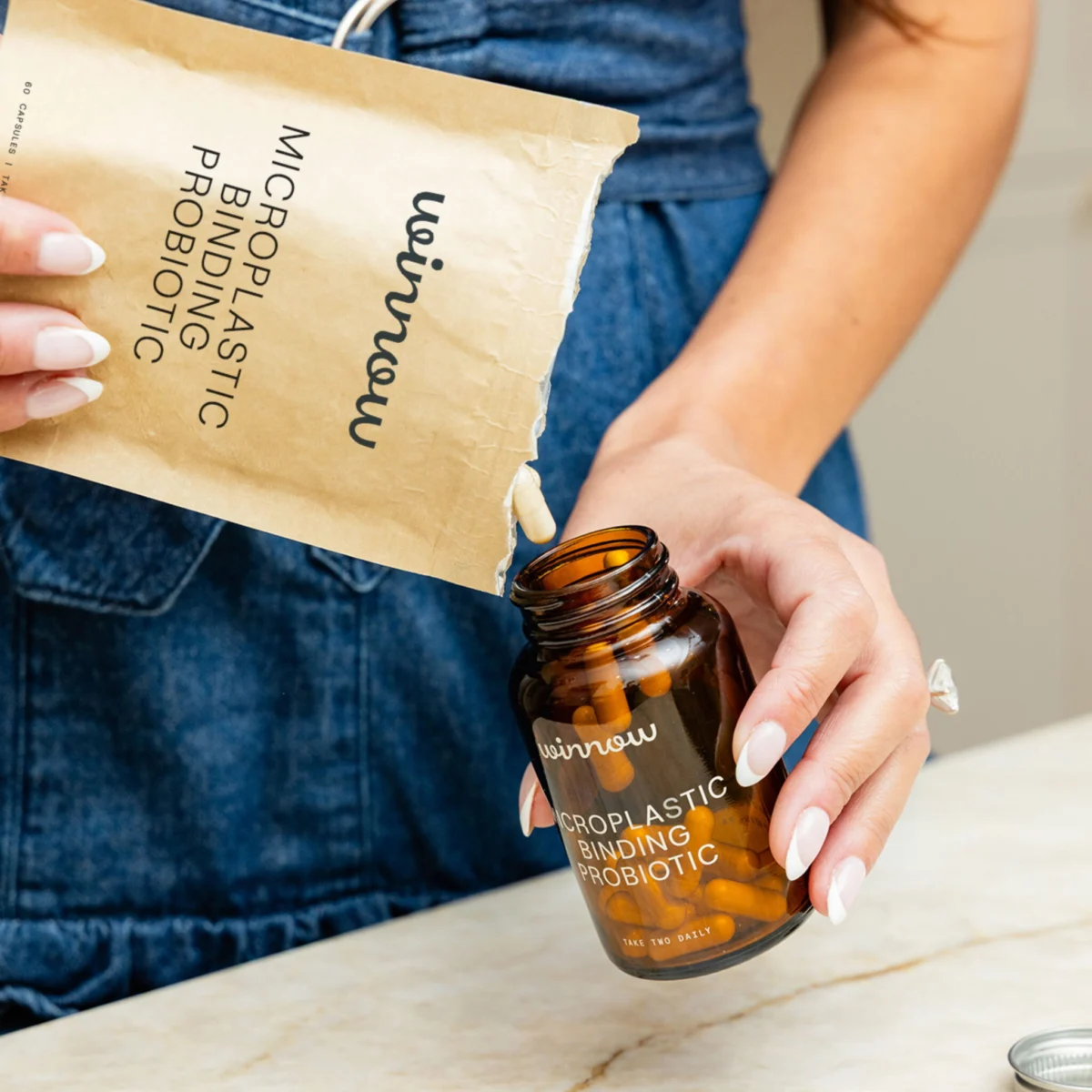
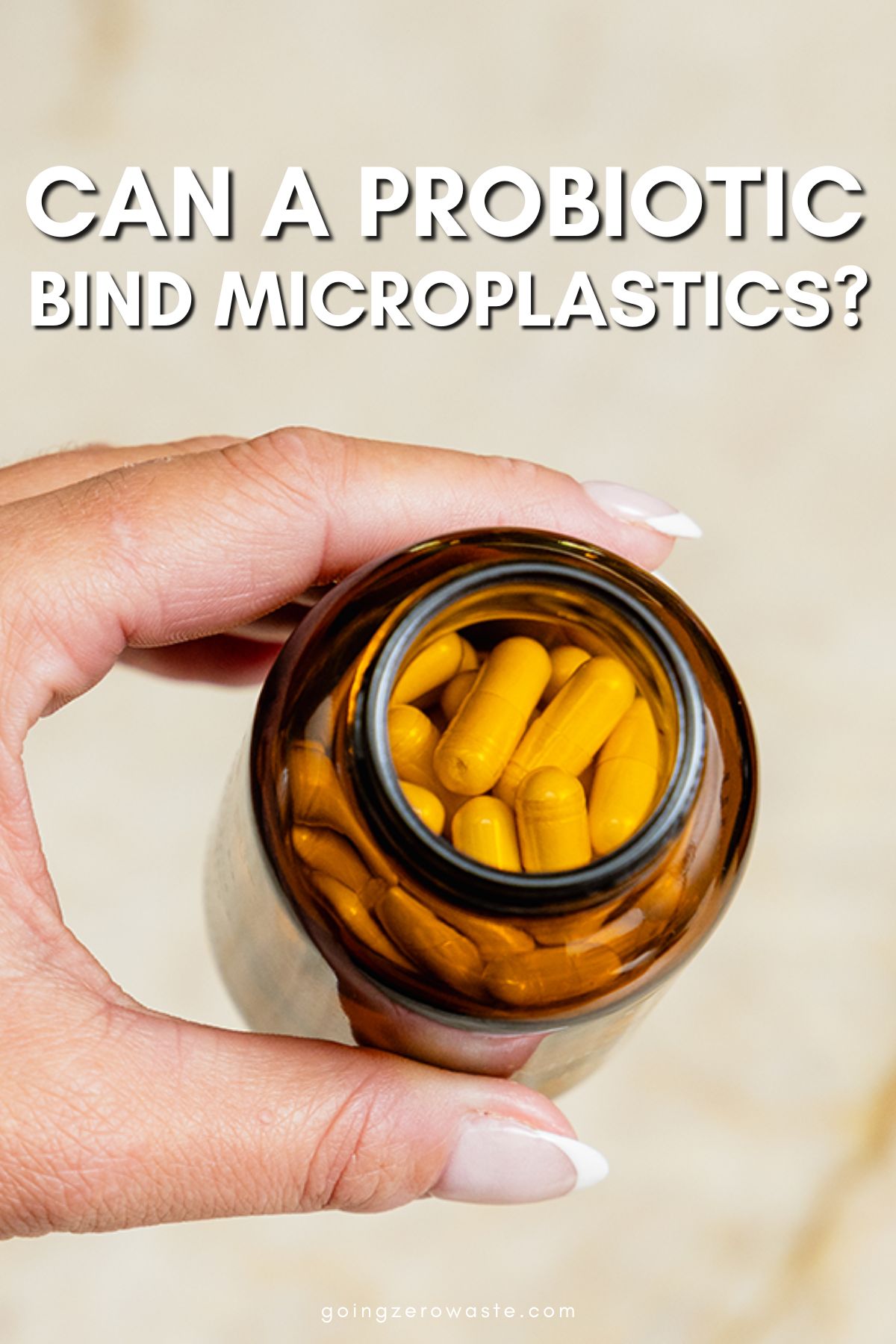
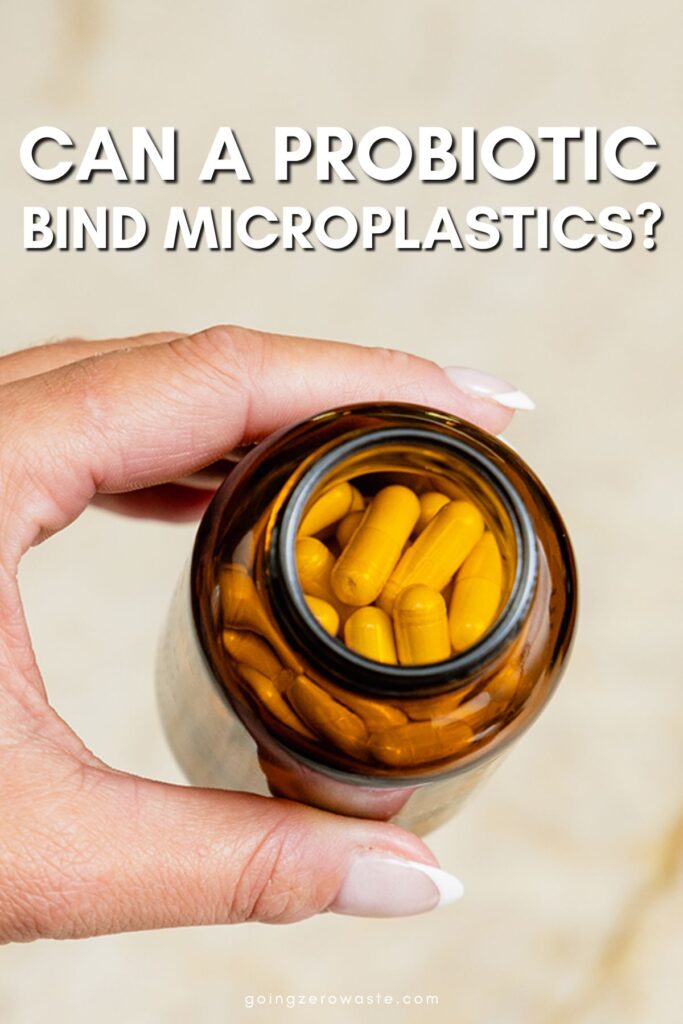
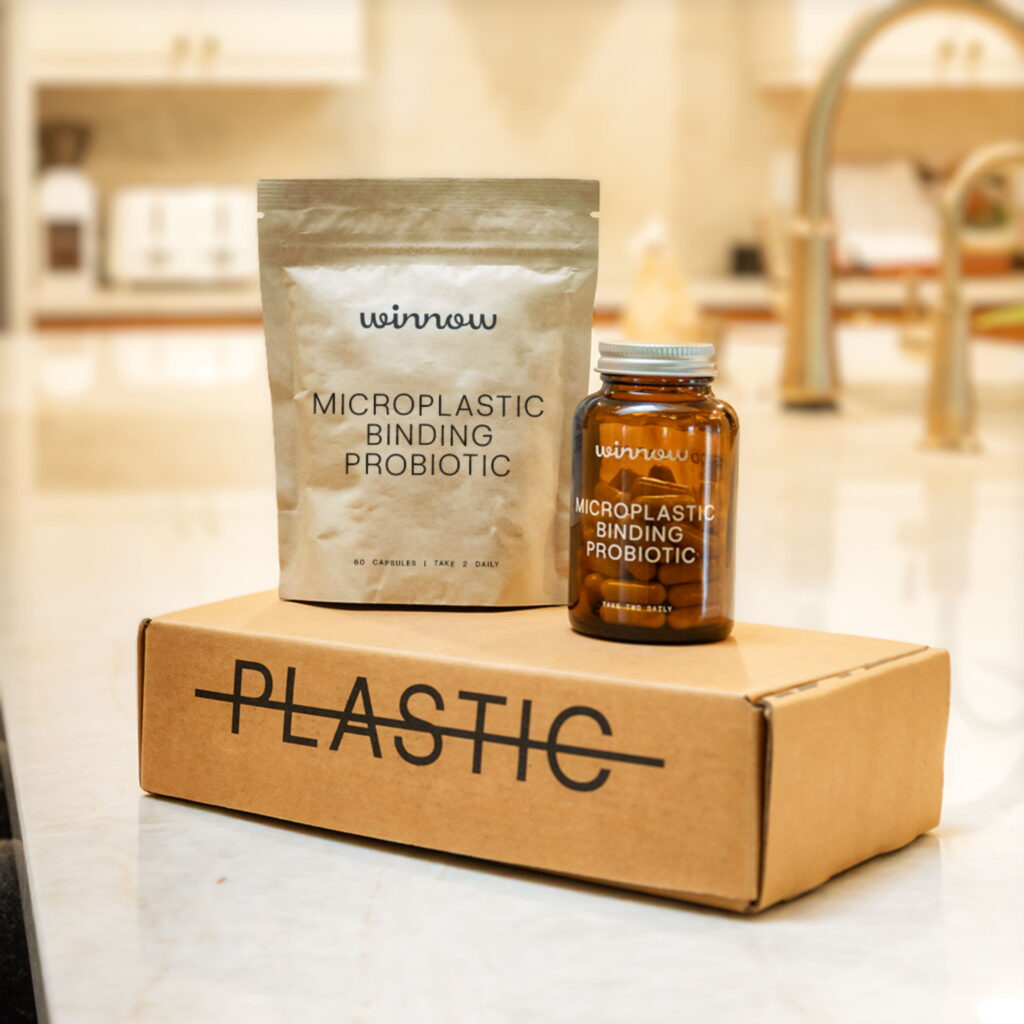
Enter Winnow, a biotechnology-focused wellness company that has launched a daily probiotic designed not only for traditional digestive support but for the specific purpose of binding microplastics within the human gastrointestinal tract. Unlike traditional probiotics that focus solely on microbiome diversity, Winnow’s formula utilizes specific bacterial strains selected for their "surface adsorption" capabilities.
The core premise is ambitious: if we cannot entirely avoid ingesting plastic in a world saturated with it, can we use beneficial bacteria to "catch" these particles and usher them safely through the digestive system before they can interact with the gut barrier? While the company emphasizes that its product is not a panacea for the global plastic crisis, it represents a significant shift in how consumers and scientists are viewing "bio-remediation"—moving the process from the open ocean into the human gut.
Chronology: From Marine Contamination to Cellular Concern
The journey of microplastics from an environmental curiosity to a human health priority has evolved rapidly over the last two decades.
- 2004–2010: Marine biologists begin documenting the "Great Pacific Garbage Patch," focusing primarily on the physical entanglement of sea life and the ingestion of large plastic debris.
- 2011–2018: The scientific focus shifts to "microplastics." Research reveals that plastic doesn’t truly biodegrade; it merely fragments into smaller and smaller pieces. These particles are discovered in table salt, bottled water, and commercial seafood.
- 2019–2022: A series of landmark studies confirms the "internalization" of plastics. Researchers at the Vrije Universiteit Amsterdam find plastic polymers in human blood for the first time. Simultaneously, concerns grow regarding the "leaky gut" syndrome and how microplastics might exacerbate intestinal inflammation.
- 2023–2024: The "Bio-Remediation" era begins. Researchers start screening thousands of bacterial strains to see if any have a natural affinity for synthetic polymers. This research paves the way for commercial applications like Winnow.
- 2025 (Projected/Current Research): Peer-reviewed studies, including a massive screening of 784 bacterial strains, identify specific probiotic candidates that significantly increase microplastic excretion in animal models, reducing the accumulation of toxins in the intestinal lining.
Supporting Data: The Mechanics of Microbial Binding
The efficacy of a microplastic-binding probiotic rests on the biochemical properties of the bacterial cell wall. Winnow’s research highlights a process known as surface adsorption. This is not a digestive process—the bacteria do not "eat" the plastic—but rather a physical one where plastic particles adhere to the surface of the probiotic as it moves through the colon.
The Role of EPS and S-Layer Proteins
According to technical data provided by Winnow Labs, the binding is facilitated by two primary bacterial structures:
- Exopolysaccharides (EPS): These are sugar-based polymers secreted by bacteria that create a "sticky" matrix, capable of trapping foreign inorganic particles.
- S-layer Proteins: These are rigid, tile-like patterns of proteins on the outer envelope of the bacteria that can provide specific binding sites for various chemical structures found in plastics.
Comparative Binding Efficiency
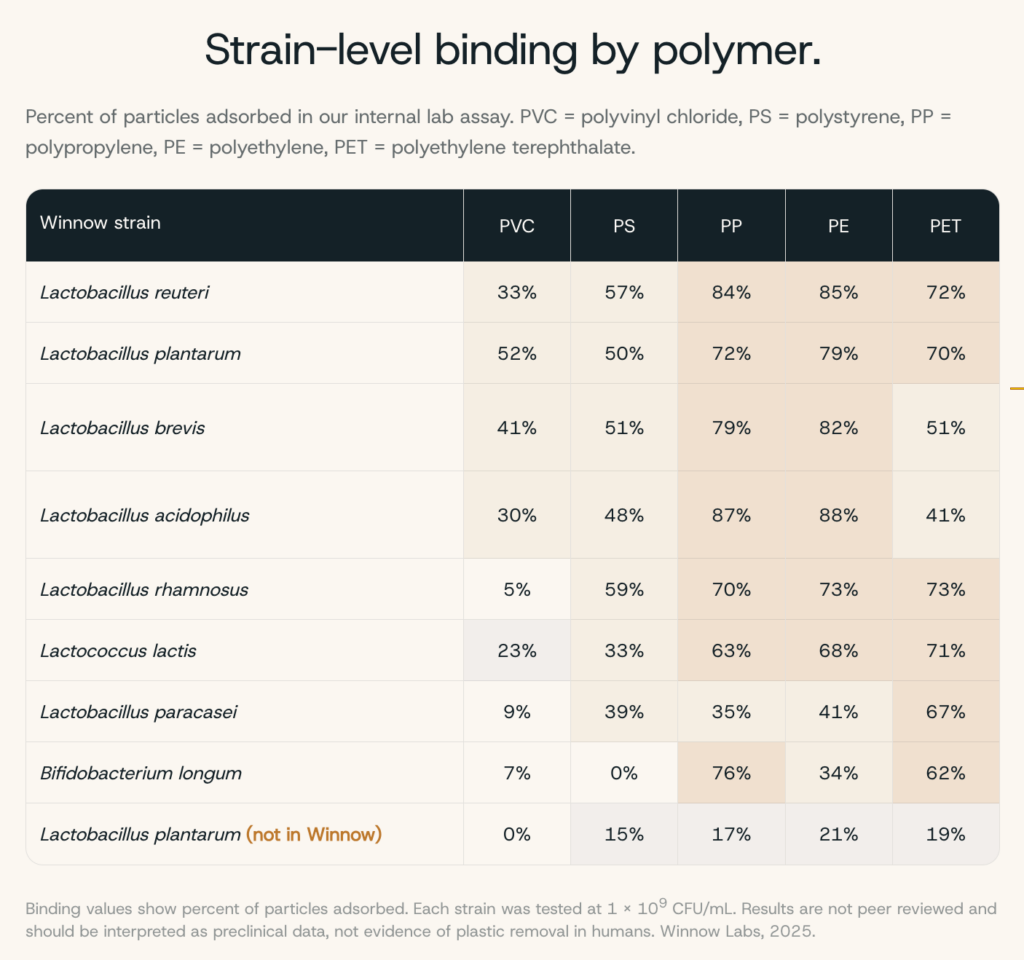
In internal laboratory testing, Winnow examined how different strains interacted with the five most common environmental polymers: Polyethylene (PE), Polypropylene (PP), Polystyrene (PS), Polyethylene Terephthalate (PET), and Polyvinyl Chloride (PVC).
The data indicates that "probiotic" is not a monolithic term; different strains have vastly different affinities for different plastics. Winnow’s multi-strain formula was engineered to provide a broad-spectrum "catch-all" effect. Their internal findings suggest that the combined formula bound 1.8 times more of a blended plastic mix than any single-strain probiotic currently on the market.
The Clinical Backbone
While the microplastic-binding aspect is in the preclinical and internal testing phase, the "probiotic" foundation of the product utilizes well-documented strains. These include:
- L. rhamnosus ATCC 53103 (extensively studied for immune support and gut barrier integrity).
- L. reuteri DSM 17938 (noted for digestive regularity).
- L. acidophilus ATCC SD5212 (a staple for maintaining a healthy pH balance in the gut).
Official Responses: A Balanced Perspective on "Magic Bullets"
The rise of products like Winnow has prompted a nuanced response from both environmental advocates and the scientific community. Kathryn Kellogg, a prominent voice in the "Zero Waste" movement and an early tester of the product, emphasizes that while the science is promising, it should not alleviate the pressure on corporations and regulators.
"I want to be very clear: I do not think any supplement is a magic solution to plastic pollution," Kellogg stated. "I don’t think a capsule replaces reducing plastic exposure, better regulation, safer materials, or holding companies accountable for the amount of plastic they produce."
This sentiment is echoed by many in the public health sector. The concern is that the availability of a "plastic-detox" pill might create a "moral hazard," where consumers feel less urgency to reduce their reliance on single-use plastics. However, proponents argue that in a world where microplastics are literally in the air we breathe and the dust in our homes, individual "avoidance" is no longer a complete strategy.
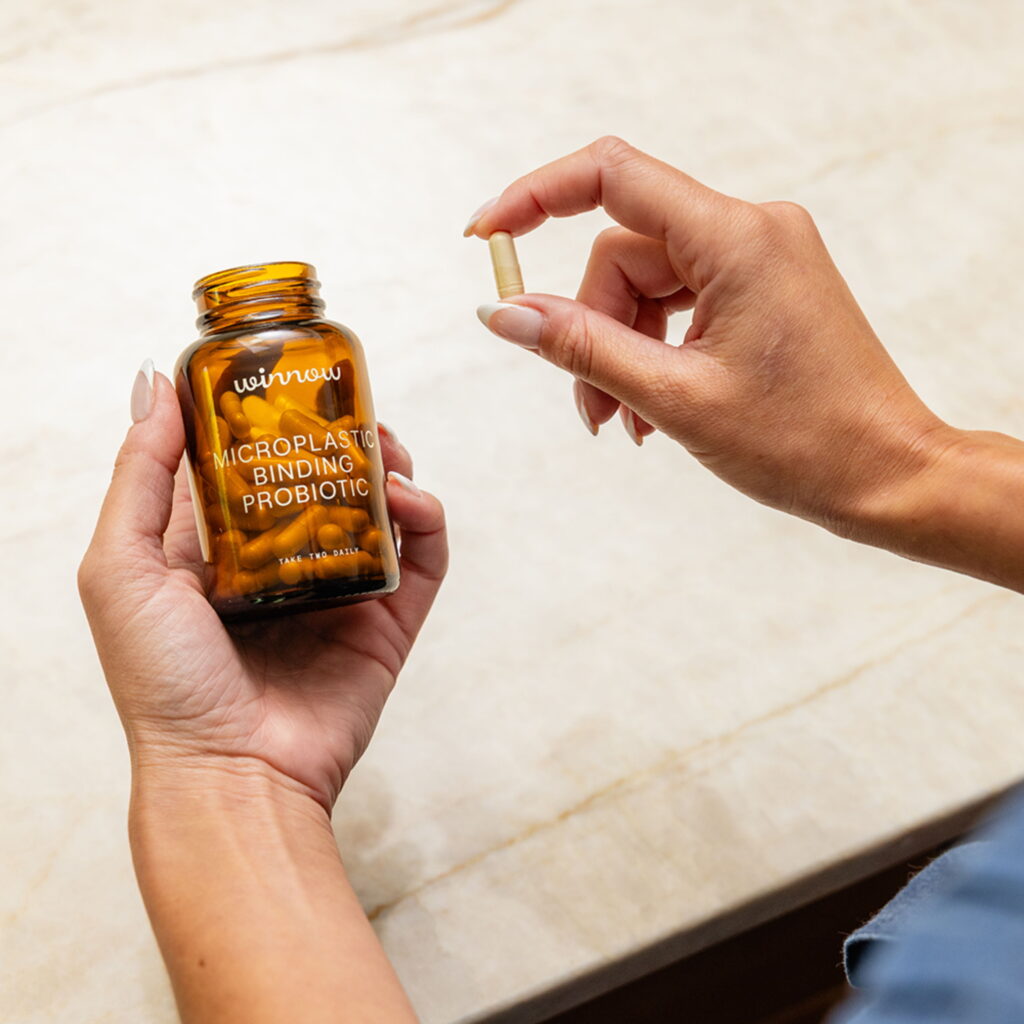
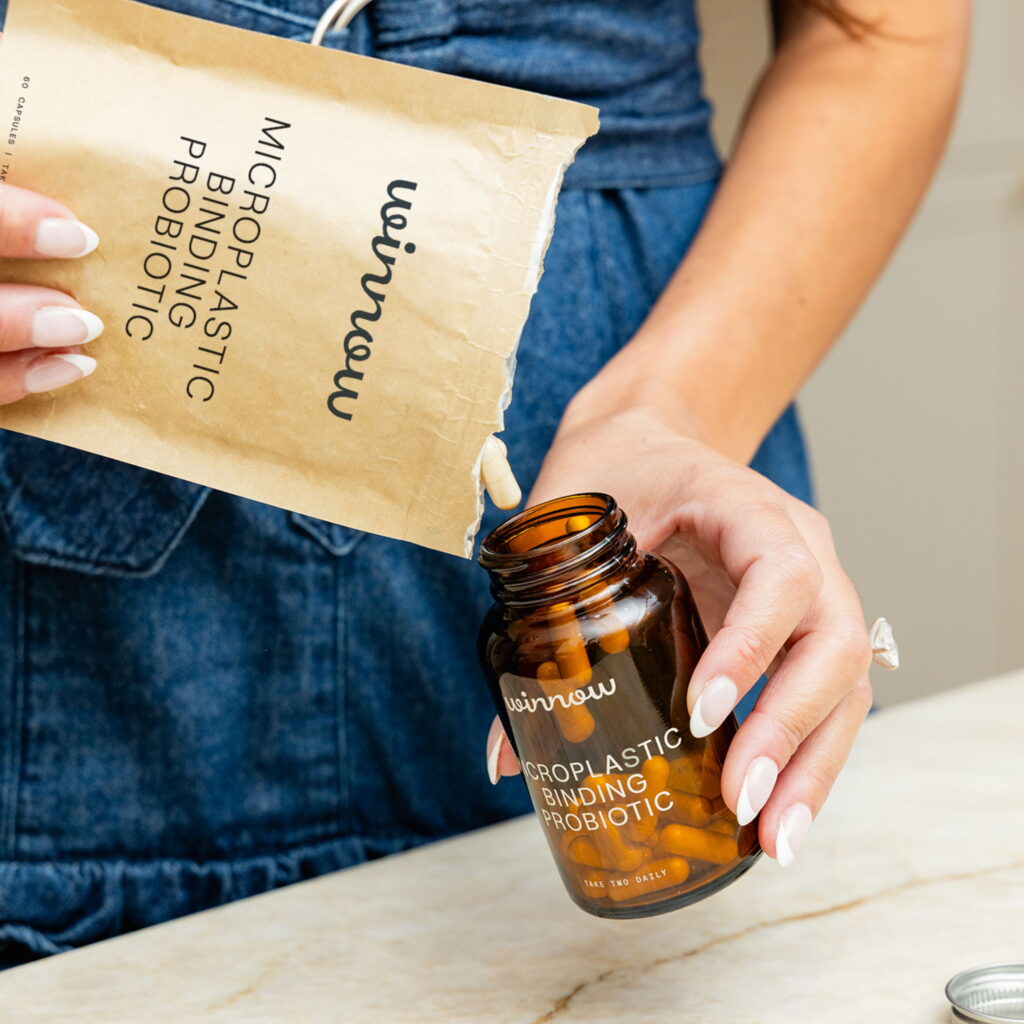
Winnow’s own corporate philosophy reflects this duality. The company has committed to entirely plastic-free packaging—using glass, aluminum, and compostable materials—to ensure that the product used to combat microplastics does not contribute to the very problem it seeks to mitigate.
Implications: The Future of Preventive Healthcare
The emergence of Winnow and similar biotechnological interventions carries significant implications for the future of public health and the "nutraceutical" industry.
1. The Shift Toward "Environmental Probiotics"
We are likely entering an era where probiotics are marketed not just for "bloating" or "regularity," but as functional tools to mitigate environmental toxins. If bacteria can be trained or selected to bind microplastics, could they also be used to sequester heavy metals like mercury or lead in the gut?
2. The Microplastic "Exposure Gap"
The need for such products highlights a growing socio-economic divide. Those with the means to purchase premium, plastic-free probiotics and high-end water filtration systems may be able to "buffer" themselves against the effects of a polluted environment, while marginalized communities—often located near plastic manufacturing plants or waste sites—remain at higher risk.
3. Regulatory Challenges
As these products enter the market, regulatory bodies like the FDA will face challenges in how to categorize them. Since Winnow is marketed as a supplement, it does not require the same level of rigorous human clinical trials as a pharmaceutical drug to make claims about "binding" (provided it doesn’t claim to "cure" a disease). This necessitates a high degree of consumer literacy and corporate transparency.
4. Practical Steps for the Consumer
Despite the innovation of microplastic-binding bacteria, health experts continue to recommend a "reduction-first" approach. Current best practices to reduce internal plastic load include:
- Heating: Never microwave food in plastic containers, as heat accelerates the leaching of microplastics and phthalates.
- Water Filtration: Using high-quality carbon or reverse osmosis filters can remove a significant percentage of microplastics from tap water.
- Textiles: Choosing natural fibers (cotton, wool, silk) over synthetics (polyester, nylon) reduces the inhalation of microplastic fibers in household dust.
- Kitchenware: Replacing scratched plastic cutting boards with wood or stainless steel and opting for glass food storage.
Conclusion: Adapting to a Synthetic World
The development of Winnow represents a pragmatic, if sobering, adaptation to life in the Anthropocene. While the long-term health effects of microplastic accumulation in human tissue are still being mapped, the move toward "bio-binding" strategies suggests that we are no longer waiting for a global cleanup that may never come. Instead, we are looking to the smallest organisms on Earth—bacteria—to help us navigate a world of our own making.
As the science of the microbiome continues to evolve, the definition of "gut health" is expanding. It is no longer just about digestion; it is about defense. Whether Winnow becomes a standard part of the modern health regimen remains to be seen, but its existence marks a definitive turn in the fight against plastic: the front line is now inside the human body.


 Nana Wu

 Laily UPN