




 Nana Muazin
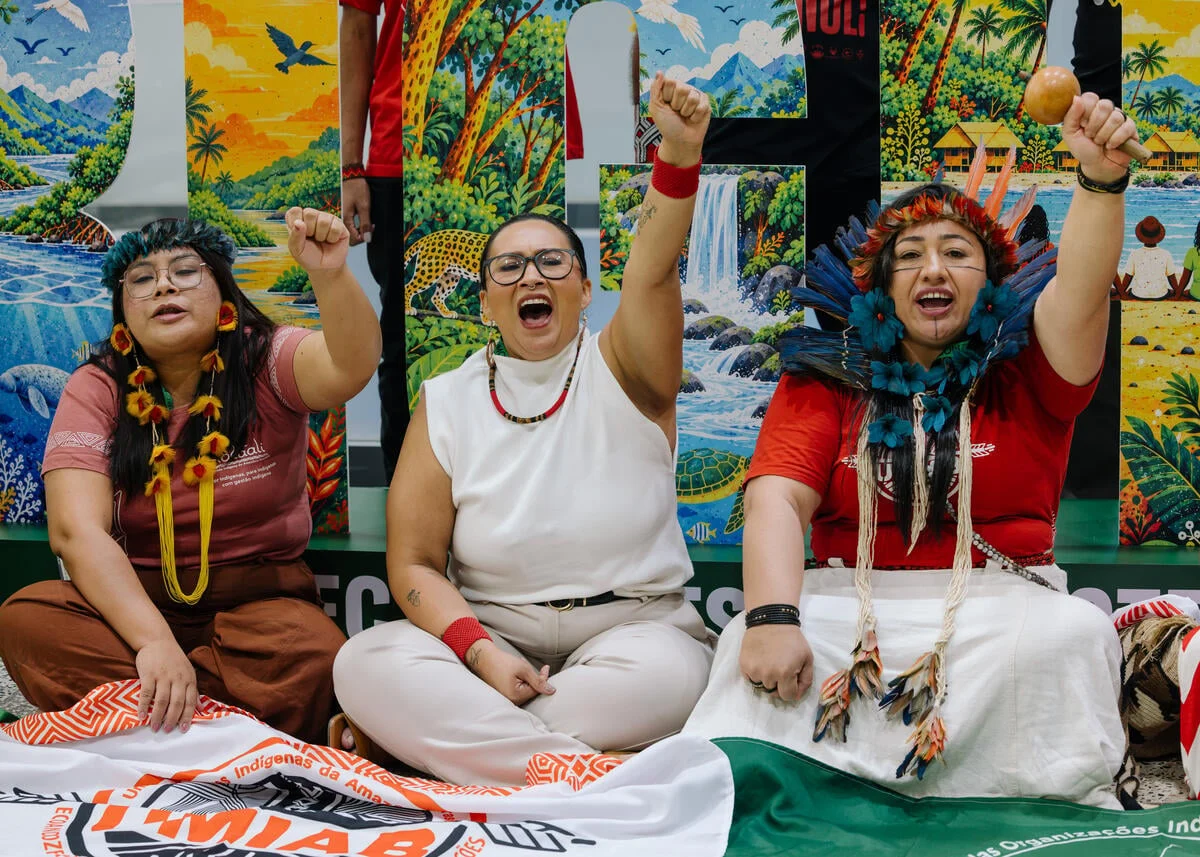
As the world navigates a critical juncture in the fight against climate change and biodiversity loss, Greenpeace continues its role as a global sentinel. From the high-level policy chambers of Yerevan to the frontlines of industrial pollution in Mexico and the high seas of Australia, the past week has been marked by a series of strategic interventions. These actions represent more than mere protest; they are a direct challenge to the systems of governance and industry that prioritize short-term profit over planetary survival.
The Battle for Biodiversity: CBD COP17 in Armenia
The 17th UN Biodiversity Conference (CBD COP17) in Yerevan, Armenia, has emerged as the epicenter of global environmental policy. Running from October 19 to 30, 2026, the summit serves as a crucial check on the progress—or lack thereof—regarding the Kunming-Montreal Global Biodiversity Framework (KM-GBF).
Bridging the Implementation Gap
Greenpeace has maintained a persistent presence at COP17, utilizing both diplomatic pressure and visual storytelling to hold world leaders accountable. The primary demand is clear: governments must move beyond the rhetoric of "ambition" and pivot to concrete implementation. The organization has identified several critical failures in current strategies, most notably the persistent biodiversity finance gap. Without adequate funding, the goal of protecting 30% of the Earth’s lands and oceans by 2030 (the "30×30" target) remains a theoretical construct rather than a physical reality.
Indigenous Leadership: The Foundation of Conservation
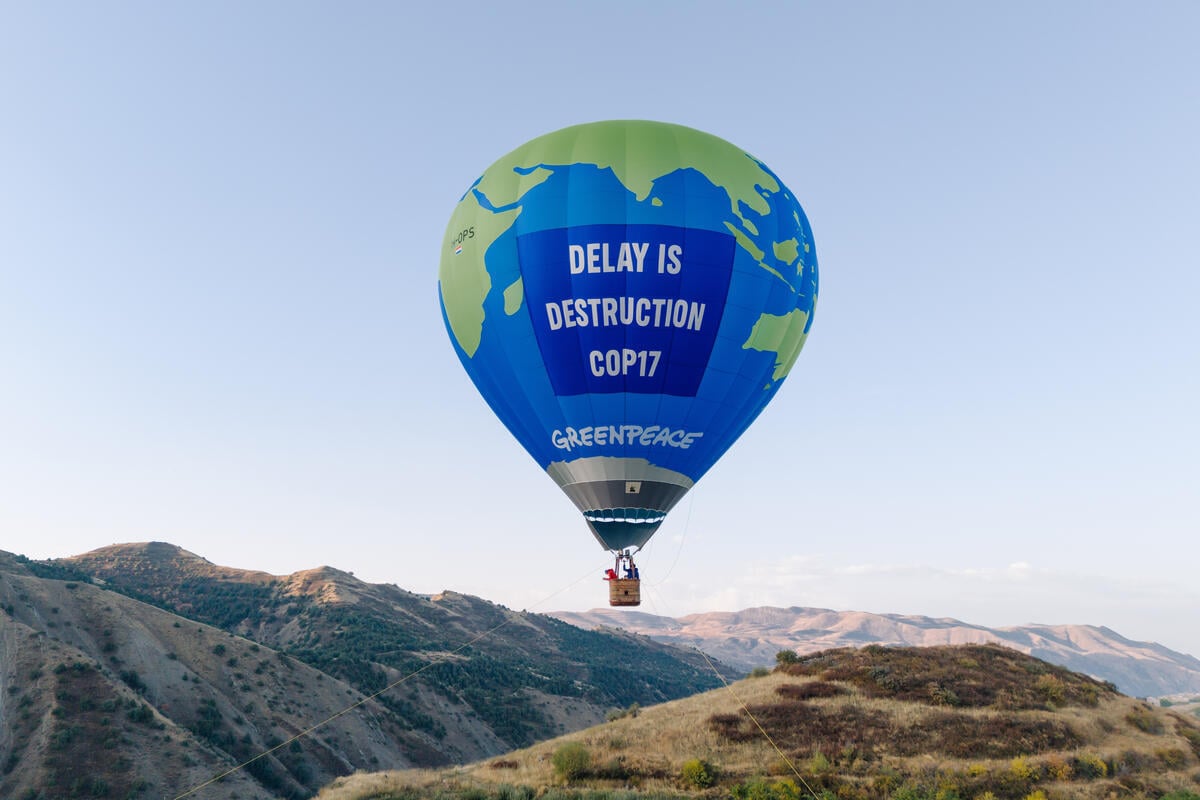
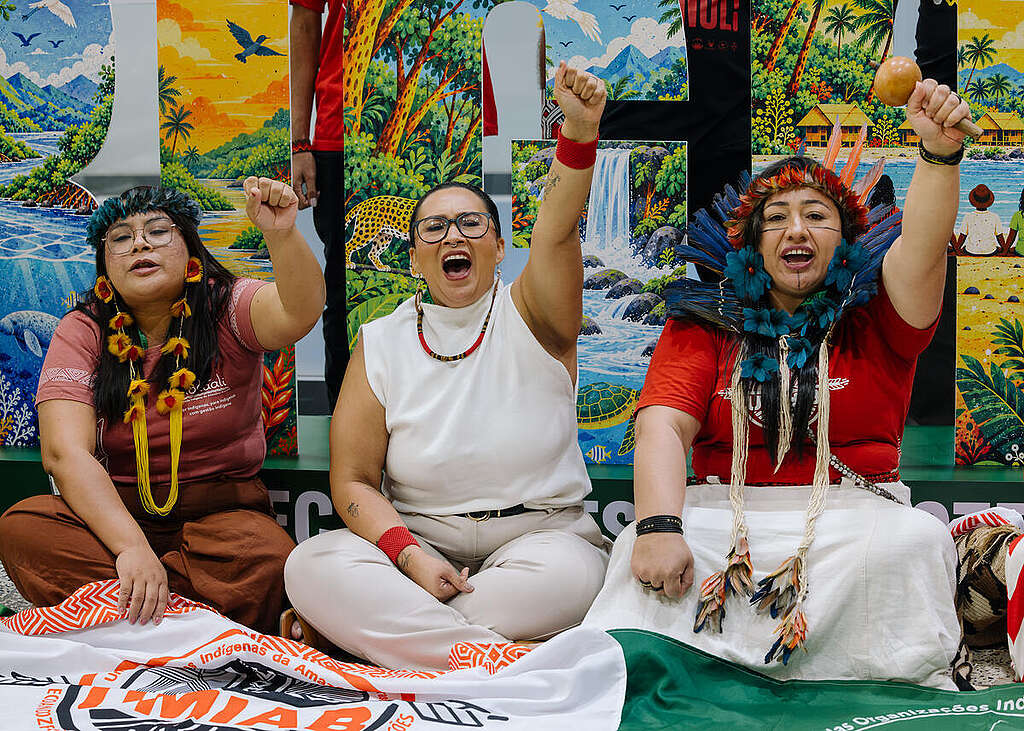
In a powerful demonstration of solidarity, Greenpeace International collaborated with Indigenous Peoples and local communities to deploy an artistic installation at the heart of the conference. This action aimed to force delegates to recognize that global biodiversity targets are unattainable without the active, respected leadership of those who have acted as stewards of these ecosystems for millennia. The message is unequivocal: Indigenous rights are not a secondary consideration; they are the bedrock upon which all successful conservation must be built.
Industrial Reckoning: From Gas Platforms to Pig Farms
While the policy battles unfold in Armenia, Greenpeace’s "boots on the ground" approach remains focused on exposing the direct drivers of ecological collapse.
Challenging Offshore Extractive Industry
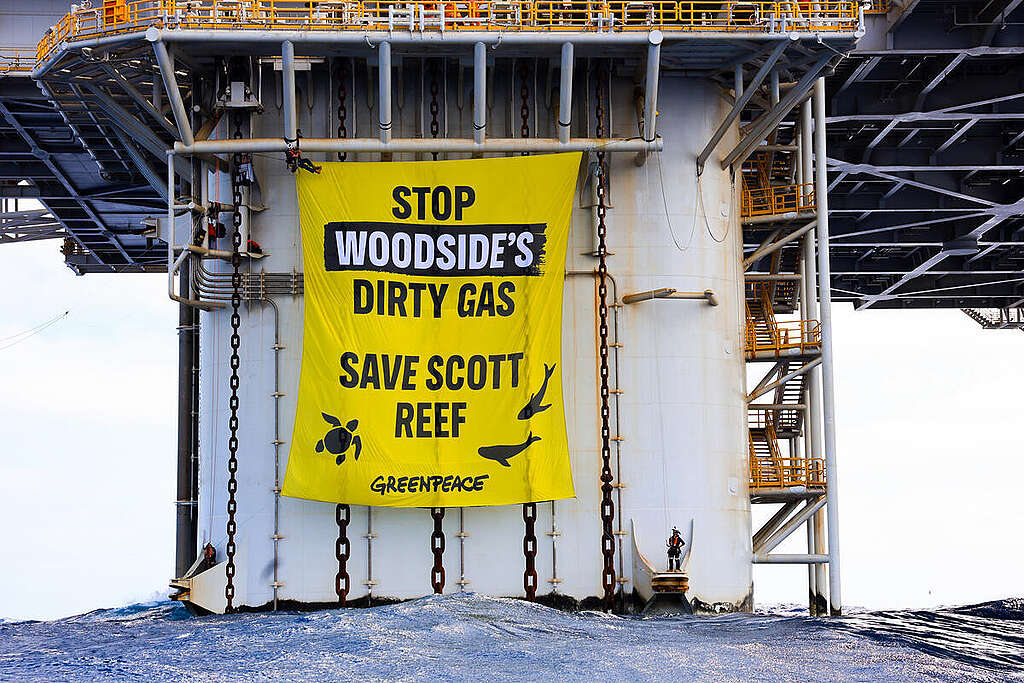
Over 200 kilometers off the coast of Exmouth, Australia, Greenpeace activists executed a high-stakes protest at Woodside’s Scarborough gas project. Scaling the Floating Production Unit, activists unfurled a massive 14m x 12m banner reading: "Stop Woodside’s Dirty Gas. Save Scott Reef."
The action highlights the inherent contradiction between Australia’s climate commitments and the expansion of fossil fuel infrastructure. Scott Reef, a biodiversity hotspot, is threatened by the industrial noise, toxic run-off, and climate-altering emissions associated with Woodside’s drilling activities. The protest serves as a reminder that the "dirty gas" era must end if global warming is to be kept within the 1.5°C threshold.
Toxic Water in the Yucatan
In Mexico, the scope of the environmental crisis is internal and systemic. Recent studies led by Greenpeace Mexico, in collaboration with the Red en Defensa del Agua y el Territorio Maya, have exposed a severe health crisis in the state of Yucatán.
Water quality sampling across 17 sites, including vital cenotes (sinkholes), has confirmed widespread contamination by organic matter, harmful bacteria, and excess nutrients. Using the sophisticated "Pig2Bac" method, researchers confirmed the source: large-scale industrial pig farming. These facilities, which generate waste on a scale that local ecosystems cannot process, are poisoning the subterranean aquifers that provide drinking water for local communities. The organization is now calling for an immediate moratorium on these mega-farms, arguing that the protection of the Mayan Forest is a public health necessity.
Digital Accountability: The Fight for Democracy in Brazil
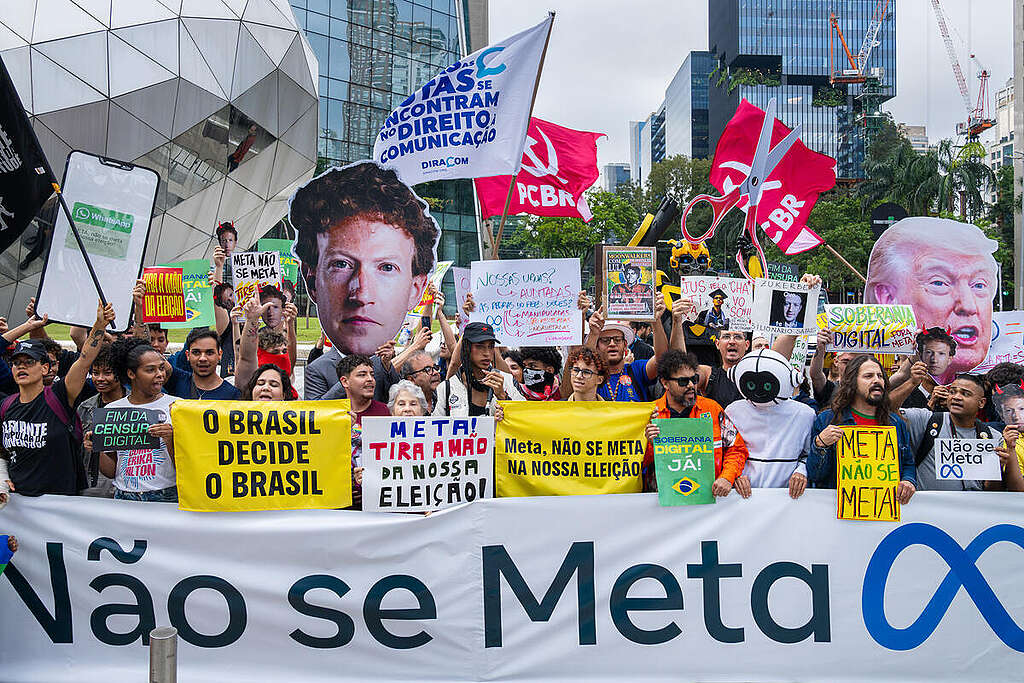
Greenpeace’s advocacy extends beyond the physical landscape to the digital frontier. In São Paulo, Brazil, as the nation approached a pivotal election, activists converged on the headquarters of Meta Platforms.
The demonstration was a response to mounting evidence from organizations like CTRL+Z, which have documented how Meta’s algorithmic structures have been weaponized to manipulate public discourse and threaten democratic integrity. Greenpeace’s intervention centered on a core demand: the urgent, robust regulation of Big Tech. The organization argues that the algorithms driving social media engagement are incentivizing disinformation, which in turn fosters a political climate hostile to environmental protections and social justice.
European Waters: Mining Waste and Agricultural Run-off
In Europe, the focus remains on the integrity of water systems, from Spain to Germany.
The Guadalquivir Crisis
In Spain, a massive coalition including Greenpeace Spain is fighting to prevent the Guadalquivir River from becoming a "sewer for mining waste." The regional government of Andalusia is facing intense pressure to revoke permits that would allow the discharge of over 115,000 million liters of water contaminated with heavy metals into the river’s estuary. The ecological stakes are immense; the contamination threatens the Doñana National Park, one of Europe’s most important wetland ecosystems, and puts agricultural irrigation and drinking water supplies at significant risk.
Nitrate Levels in Bavaria
Meanwhile, in Germany, Greenpeace agriculture experts have returned to the field in Karlstadt to conduct nitrate level testing. By monitoring surface water near the Main-Spessart constituency, campaigners are documenting the long-term impact of industrial agricultural practices. These tests serve as a reality check for policymakers, providing empirical data that highlights the failure of existing regulations to curb nitrate pollution, a significant driver of eutrophication in local streams.
Summary of Key Actions and Implications
| Location | Issue | Primary Demand |
|---|---|---|
| Armenia | Biodiversity Policy | Close the finance gap; respect Indigenous rights. |
| Australia | Offshore Gas | Stop drilling at Scott Reef; halt new fossil fuel expansion. |
| Mexico | Water Pollution | Moratorium on mega-pig farms; protect the Mayan aquifer. |
| Brazil | Big Tech | Regulate social media to protect democratic processes. |
| Spain | Mining Waste | Revoke toxic discharge permits for the Guadalquivir. |
| Germany | Agricultural Run-off | Stricter enforcement of water quality standards. |
Official Responses and Strategic Implications
The current wave of activism across these six countries highlights a growing disconnect between corporate/governmental agendas and the scientific reality of the climate and ecological crises.

In the case of the CBD COP17, while some nations have signaled a willingness to commit to the Kunming-Montreal targets, the lack of a clear, binding financial mechanism remains a significant hurdle. Greenpeace’s insistence on "synergies" between climate and biodiversity is a direct critique of the "siloed" approach currently favored by many delegates.
In Australia and Mexico, the corporate response has largely been to cite compliance with existing, often outdated, environmental regulations. However, the use of independent, university-validated data (such as the Pig2Bac method in Mexico) makes it increasingly difficult for industries to dismiss these environmental concerns as mere activism.
In Brazil, the debate over Big Tech regulation is evolving rapidly. Meta has faced global pressure to improve content moderation, yet the specific concerns raised by civil society in Brazil regarding election integrity represent a new, critical frontier for digital activism. The call for regulation is no longer just about privacy; it is about the structural integrity of the public sphere.
Looking Ahead: The Future of Witness
For over 50 years, Greenpeace has utilized "photo activism" as a tool for bearing witness. These images are not merely aesthetic records; they are evidentiary documents that bridge the gap between abstract policy debates and the lived reality of environmental destruction.
As the 2026 calendar year progresses, the organization’s trajectory is clear: the focus will remain on the intersection of human rights, environmental health, and the accountability of the powerful. Whether in the halls of international power or the remote reaches of the ocean, the work of documenting and challenging these injustices is more critical than ever.
The events of this week demonstrate that despite the magnitude of the challenges—from the heavy metal pollution of Spanish rivers to the digital manipulation of democratic elections—there is a global movement of citizens, activists, and scientists working to ensure that the environment is not a casualty of the 21st century. The path forward requires a systemic shift, one where the rights of the Earth and the people who rely upon it take precedence over the industrial and digital status quo.


 Nila Kartika Wati
 Laily UPN





