


 Nana
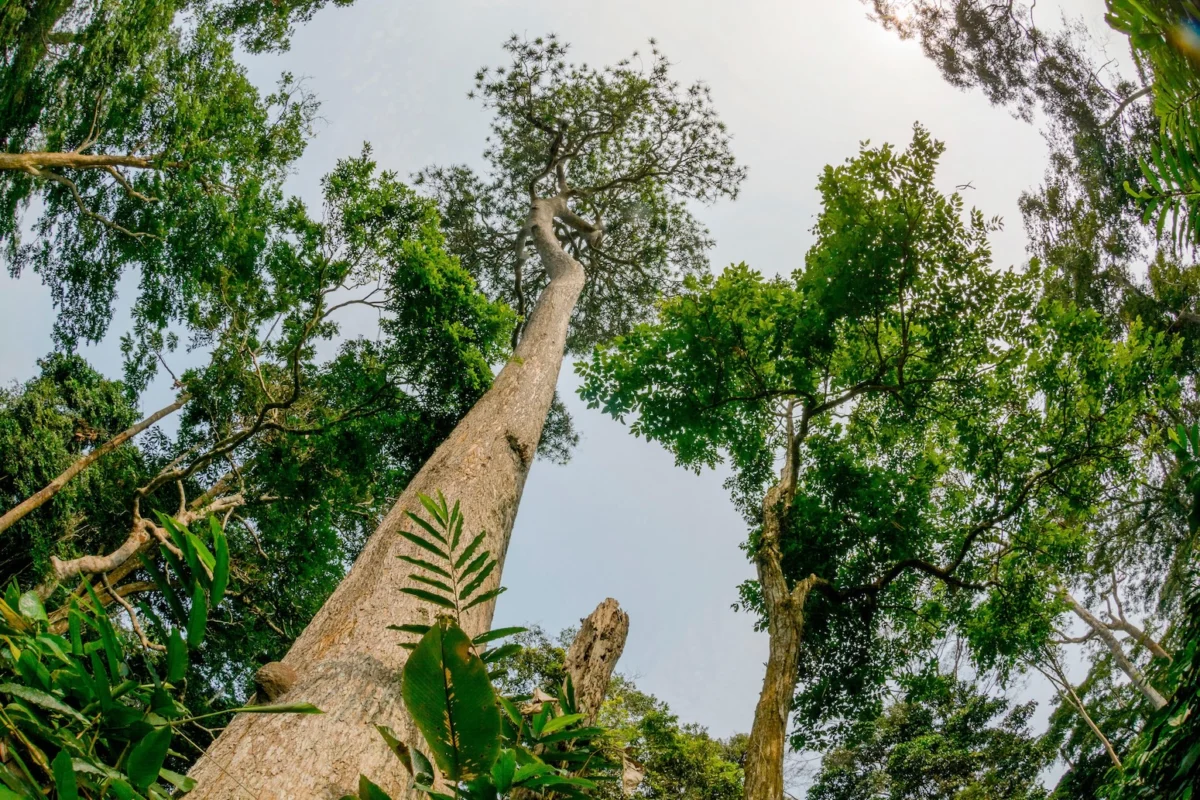
YEREVAN, ARMENIA — As the autumn leaves turn in the Armenian capital, the international diplomatic community is preparing for a high-stakes gathering that could define the future of the planet’s biosphere. Between October 19 and 30, delegates from 196 parties to the United Nations Convention on Biological Diversity (CBD) will converge in Yerevan to confront a sobering reality: the world is drastically off-track in its mission to reverse the tide of nature loss.
This summit marks the crucial halfway point between the adoption of the landmark Kunming-Montreal Global Biodiversity Framework (GBF) and the 2030 deadline for achieving its ambitious targets. With scientific reports indicating that nations are currently failing to meet 22 out of the 23 specific goals outlined in the framework, the pressure on negotiators to bridge ideological and financial divides has never been higher.
The State of Play: A Halfway Point Under Pressure
The Kunming-Montreal framework, hailed as a "Paris Agreement for Nature" when it was signed, set a vision for a world living in harmony with nature by 2050. However, the path to 2030 is currently paved with missed deadlines and unfulfilled promises.
In Yerevan, the objective is to move beyond the lofty rhetoric of past summits and settle the granular, often contentious, legal text that will govern implementation. The negotiations will encompass not only the CBD plenary sessions but also the Meetings of the Parties (MOPs) for two essential supplemental protocols: the Cartagena Protocol on biosafety and the Nagoya Protocol on access to genetic resources and the fair sharing of benefits arising from their use.
The complexity of these negotiations cannot be overstated. With 173 parties to the Cartagena Protocol and 141 to the Nagoya Protocol, the summit functions as a multi-layered diplomatic machine, requiring consensus on dozens of interconnected legal documents.
Chronology of the Crisis: From Cali to Yerevan
To understand the current urgency, one must look at the recent, turbulent history of these negotiations:
- COP15 (Montreal, 2022): The adoption of the Kunming-Montreal Global Biodiversity Framework, establishing the "30×30" goal (protecting 30% of land and sea by 2030).
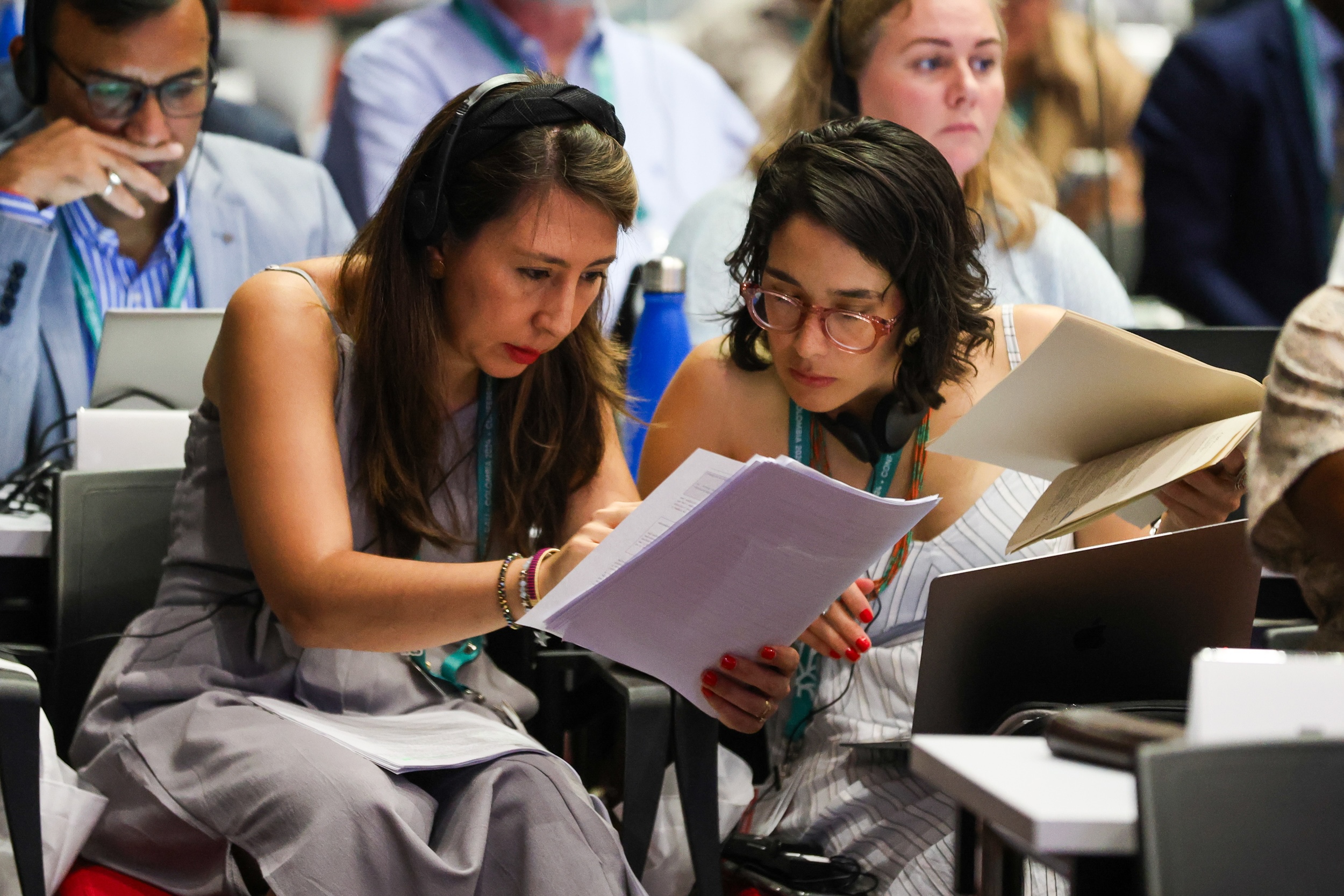
- COP16 (Cali, Colombia, 2024): A summit defined by significant breakthroughs, including the creation of the Subsidiary Body on Article 8(j), which formalizes the role of Indigenous peoples and local communities in conservation efforts. However, the meeting ended in partial stalemate regarding financial mechanisms.
- The Resumed Session (Rome, early 2025): Following the suspension of COP16, nations met in Rome to hammer out a roadmap for a permanent financial mechanism, setting the stage for the current discussions in Yerevan.
- The Current Moment (Yerevan, October 2026): The halfway mark. The focus has shifted from high-level target setting to the "Global Review"—an assessment of progress and a determination of how to accelerate implementation to meet the 2030 deadline.
Supporting Data: Decoding the Disagreement
For those tracking the pulse of these negotiations, the presence of "square brackets" in draft texts serves as a literal barometer for diplomatic tension. In international law, text placed within brackets indicates language that has not yet been agreed upon by all parties.
A high density of brackets signifies fundamental disagreement, while a lean text suggests that negotiators are approaching consensus. This year, the administrative landscape is particularly dense. The negotiations involve three key subsidiary bodies:
- SBSTTA: The Subsidiary Body on Scientific, Technical and Technological Advice.
- SBI: The Subsidiary Body on Implementation.
- SB8J: The Subsidiary Body on Article 8(j), which ensures that the traditional knowledge of Indigenous peoples is protected and integrated into conservation policies.
The negotiation of these texts is not merely a linguistic exercise. It involves "alternatives" (or "alt" options) that reflect deeply differing national priorities. For instance, the debate over how to define "nature-based solutions" versus "ecosystem-based approaches" can alter the legal obligations of nations, effectively changing how they report their progress and allocate their national budgets.
The Finance Fault Line: A North-South Divide
The most volatile topic in Yerevan will undoubtedly be finance. The conflict is straightforward but deeply entrenched: who pays for global biodiversity restoration?

Global South nations, which host the vast majority of the world’s biodiversity, are pushing for an independent financial mechanism—a fund directly under the control of the CBD. They argue that the current reliance on the Global Environment Facility (GEF) is inadequate, often bureaucratic, and insufficiently responsive to the scale of the crisis.
Conversely, many Global North countries prefer to keep financial mechanisms under the umbrella of the GEF, citing efficiency and established institutional frameworks. This disagreement was the primary driver for the suspension of the Cali summit in 2024. While the Rome roadmap provided a path forward, the actual implementation of this mechanism—the "who, what, and how much"—remains the most likely flashpoint for heated debate in the halls of the Yerevan conference center.
Official Responses and Strategic Implications
As the summit begins, the rhetoric from UN officials and state representatives highlights the existential nature of the mission.
"We are no longer in a phase of discovery; we are in a phase of delivery," a senior UN representative noted in a pre-summit briefing. "The brackets in our texts represent the friction between our current habits and the survival of the ecosystems we depend on."
The Role of Indigenous Leadership
The establishment of the SB8J body at COP16 has empowered Indigenous groups, who are now viewed not as stakeholders, but as essential partners in the implementation of the GBF. Their input is critical in ensuring that the 30×30 target does not result in "green grabbing," where local communities are displaced to make room for state-sanctioned conservation areas.
The Brazilian Case Study
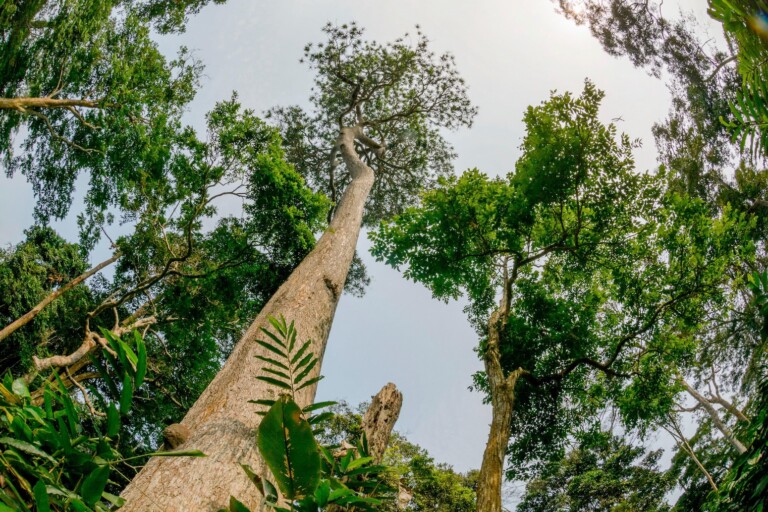
Recent data from the Brazilian Amazon offers a glimmer of hope. Following the change in administration in 2022, rigorous enforcement and policy shifts have effectively saved at least 20,000 square kilometers of rainforest. This success is expected to be a focal point in Yerevan, as delegates look for "scalable models" that can be applied to other biodiverse regions, such as the Congo Basin or the Southeast Asian archipelago.
Implications: A World on the Brink
The implications of failure in Yerevan extend far beyond the borders of Armenia. If the parties fail to agree on a clear path for resource mobilization and progress tracking, the 2030 targets will move from "ambitious goals" to "failed promises."
The economic, social, and environmental consequences of a failure to protect biodiversity are profound. Biodiversity underpins the global food supply, water filtration, and climate regulation. As ecosystems collapse, the cost of "natural infrastructure"—such as flood defenses, crop pollination, and pest control—will skyrocket, placing an unprecedented burden on the global economy.
Furthermore, the credibility of the UN’s multilateral process is at stake. If the world’s nations cannot reach an agreement on the protection of the very life-support systems of the planet, it may signal a retreat from multilateralism that could hinder progress on climate change and ocean protection for years to come.
Looking Ahead: The Final Countdown
As the fortnight in Yerevan begins, the international community is watching to see if diplomacy can overcome the inertia of national interest. The "Global Review" will serve as the centerpiece of the summit, providing a comprehensive assessment of where each nation stands.

Will countries commit to the necessary financial contributions to bridge the gap? Will they move past the bracketed disputes to adopt a unified, enforceable set of rules? The answers to these questions will not just be found in the final, signed decisions of the COP, but in the shifts in policy and funding that occur in the months following the summit.
The delegates in Yerevan carry the weight of the next generation. The path forward requires a transition from competitive national agendas to a shared recognition that in the arena of global biodiversity, there are no winners if the earth’s natural foundation is lost. The next two weeks will serve as a definitive test of whether the global community possesses the political will to match its scientific warnings with concrete action.


 Nila Kartika Wati

 Laily UPN





