
 Asro
Introduction: A Fragile Beacon of Hope
For over two decades, the Central African Republic (CAR) has been synonymous with cycles of brutal armed conflict, mass displacement, and systemic human rights abuses. In the wake of this carnage, the Special Criminal Court (SCC)—a hybrid judicial body established in 2018—emerged as a vital mechanism for accountability. However, a new report from Amnesty International, titled “The perpetrators are still here” – The Central African Republic’s Special Criminal Court on borrowed time, as victims await justice, warns that this critical institution is teetering on the brink of collapse.
Without an immediate infusion of sustainable, multi-year funding, the SCC risks closure by its 2028 mandate expiration. For the survivors of the 2003 coup, the 2012–2014 civil war, and the ongoing violence that plagues the nation today, the potential shuttering of the court represents more than a bureaucratic failure; it is a profound betrayal of their right to truth, justice, and reparation.
The Core Mandate and Achievements
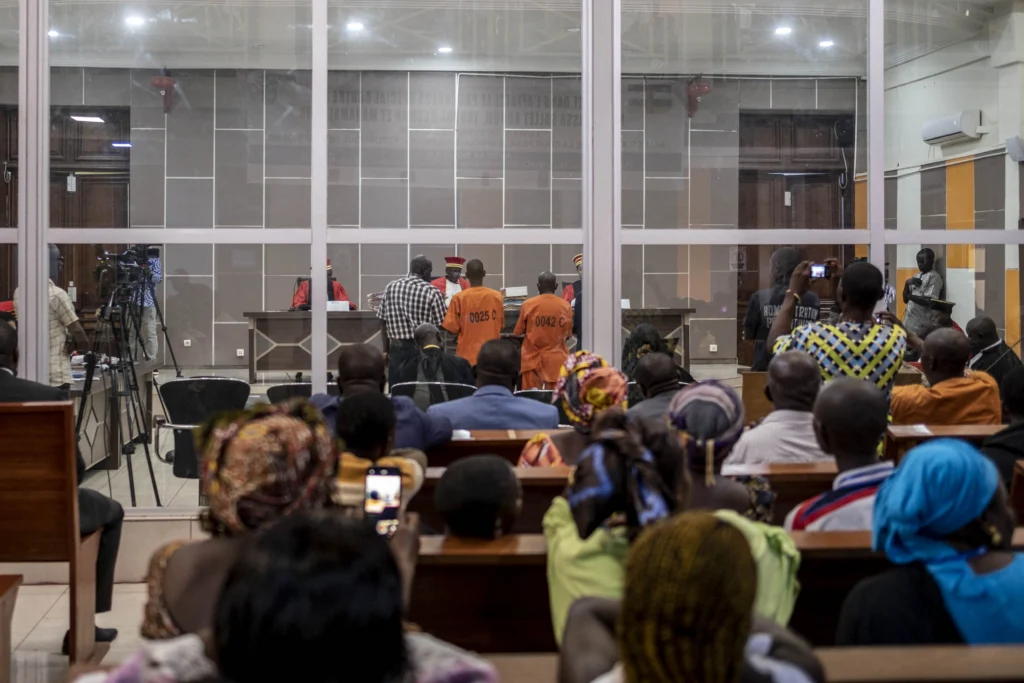
The SCC was conceived as a hybrid court, blending international standards with domestic legal processes to prosecute war crimes and crimes against humanity. Since its inauguration on October 22, 2018, the court has managed to pierce the veil of impunity that long protected high-ranking officials. To date, the court has successfully adjudicated six cases, resulting in the conviction of 19 individuals for grave violations of international law.
In one landmark case, the court not only delivered a guilty verdict but also facilitated reparations for victims—a rare and significant milestone in a country where judicial infrastructure has historically been hollowed out by corruption and instability. Despite these successes, the court remains in a race against time, struggling to address the most complex cases involving figures in high authority, such as former President François Bozizé.
Chronology of Conflict and Impunity
The urgency of the SCC’s work is rooted in a history of state-sanctioned and militia-driven violence that has left deep scars on the Central African psyche:
- 2002–2003: The country was engulfed in chaos during the coup led by François Bozizé. This period was marked by widespread murder, sexual violence, and looting, largely perpetrated by the security forces of then-President Ange-Félix Patassé and mercenaries enlisted to stabilize his regime.
- 2012–2014: The emergence of the Séléka rebel coalition and the subsequent rise of the Anti-balaka militias led to a catastrophic internal armed conflict. Thousands were killed, maimed, or forcibly disappeared, and entire communities were displaced in a cycle of sectarian violence.
- October 2018: The SCC is officially inaugurated, signaling a new era of accountability.
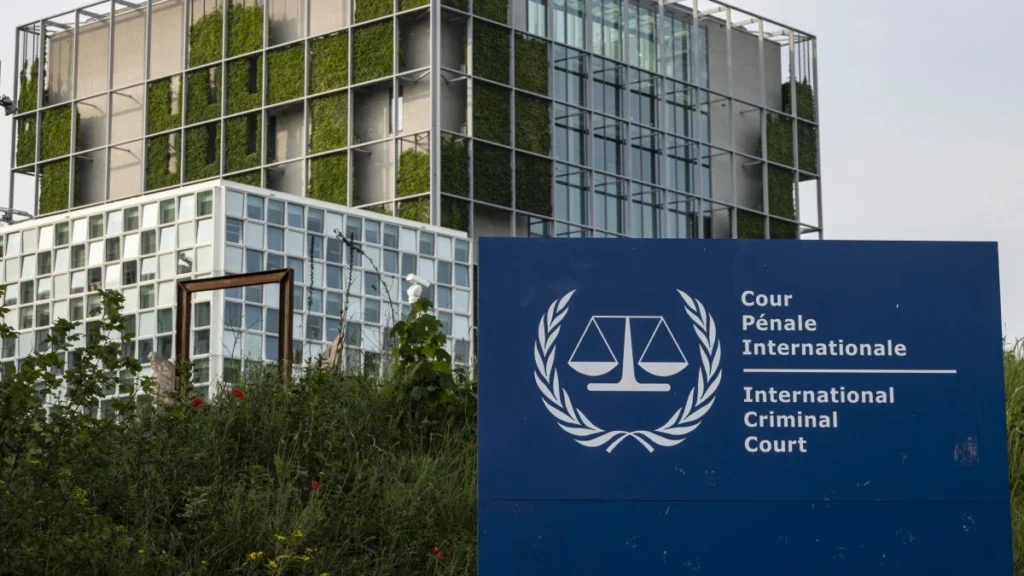
- 2022: The International Criminal Court (ICC), having concluded its own investigations in the region, shifts the burden of ongoing accountability almost entirely onto the hybrid court.
- 2025–2026: A financial crisis, exacerbated by the withdrawal of U.S. funding, forces the SCC to slash its staff by 25%, effectively halting new investigations.
The Financial Crisis: A Threat to Rule of Law
The SCC operates on a model of voluntary contributions, a structure that has proven increasingly precarious. In 2025, the withdrawal of financial support from the United States dealt a devastating blow to the court’s operational capacity. With over $4.15 million in previously pledged commitments remaining unpaid, the court is currently reliant on a narrow base of support from the United Nations and the European Union.
The impact of this shortfall is immediate and tangible. Between August and September 2025, the court was forced to lay off a quarter of its workforce, including vital foreign experts who provide the technical expertise necessary for complex war crimes prosecutions. Perhaps most alarmingly, the witness protection unit has been halved. In a country where intimidation and reprisal are common, the erosion of witness protection is not merely an administrative issue; it is a threat to the safety of those brave enough to testify.
“Victims’ right to justice, truth, and reparations must not depend on the shifting priorities of donors,” asserts Marceau Sivieude, Amnesty International’s Regional Director for West and Central Africa. Without consistent funding, the Office of the Prosecutor has been forced to freeze new investigations, leaving thousands of crimes committed over the last 25 years in a state of legal limbo.
Supporting Data: The Case for Persistence
The necessity of the SCC is underscored by the current state of the national judiciary. Victims and civil society leaders have expressed deep skepticism regarding the independence of domestic courts. Many fear that if the SCC were to dissolve, cases would be transferred to national courts, where judges remain vulnerable to political pressure from their superiors.
Furthermore, the "in absentia" trials, while legally permissible under the SCC’s framework, have drawn criticism. Trying figures like François Bozizé—who resides in Guinea-Bissau—without their presence in the dock fails to provide the catharsis or the direct confrontation with justice that many victims desire. As one representative from a victim-support organization noted, "When their perpetrators are brought to justice, their hearts will be at peace, when they see them in prison." The limitations of current funding are effectively turning the SCC into a shadow of what it was meant to be: a robust, physical, and symbolic force for justice.
Official Responses and Political Implications
To date, the Central African authorities have not issued a formal response to the findings of Amnesty International’s latest report. This silence is concerning to human rights observers, who argue that the government must take a proactive role in securing the court’s future. The SCC is not an external imposition; it was established at the explicit request of the Central African people and their civil society organizations.
The international community, particularly the EU and UN, faces a moral imperative to ensure that the court does not fail. However, the reliance on voluntary contributions means that the court’s mandate is constantly subject to the "shifting priorities" of international geopolitics. Amnesty International is calling for:
- Multi-year financial commitments: Moving away from short-term, uncertain funding to ensure long-term stability.
- Regional Cooperation: States such as Guinea-Bissau and Chad must cooperate with arrest warrants, ensuring that justice is not thwarted by borders.
- Extended Mandate: The government must work toward extending the SCC’s mandate beyond 2028, as the sheer volume of unresolved cases suggests the court’s work will not be finished by that date.
Implications: A Precedent for Global Justice
The crisis facing the SCC in the Central African Republic is a microcosm of a broader challenge facing international criminal law: the "justice gap." When hybrid courts are treated as temporary stopgaps rather than essential components of nation-building, the message sent to perpetrators is one of emboldened impunity.
If the SCC collapses, it will leave a vacuum that no other institution is currently equipped to fill. The ICC has already concluded its investigations, and the national court system lacks the independence and specialized resources required to handle the complexity of war crimes. The result would be a total failure of the promise made to the people of the CAR in 2018.
As the conflict persists in parts of the northeast and southeast, the court remains the only viable deterrent against future atrocities. "If the court does not receive the resources it needs to continue its essential work," Sivieude warns, "it will fail them and embolden those who continue to commit atrocities today."
Conclusion
The struggle for justice in the Central African Republic is a testament to the resilience of victims who have spent over two decades waiting for accountability. The Special Criminal Court stands as the final barrier between a culture of impunity and a future defined by the rule of law. The international community, donors, and the government of the CAR stand at a crossroads: they can either provide the necessary resources to ensure that justice is served, or they can allow the SCC to become a hollowed-out monument to abandoned promises. For the thousands of civilians who were killed, raped, and displaced, the only acceptable path forward is one where their suffering is acknowledged and their perpetrators are held to account. The time for sustainable, firm commitment is now—before the window of opportunity for justice closes for good.

 Lina Hope

 Sagoh