

 Nana Muazin
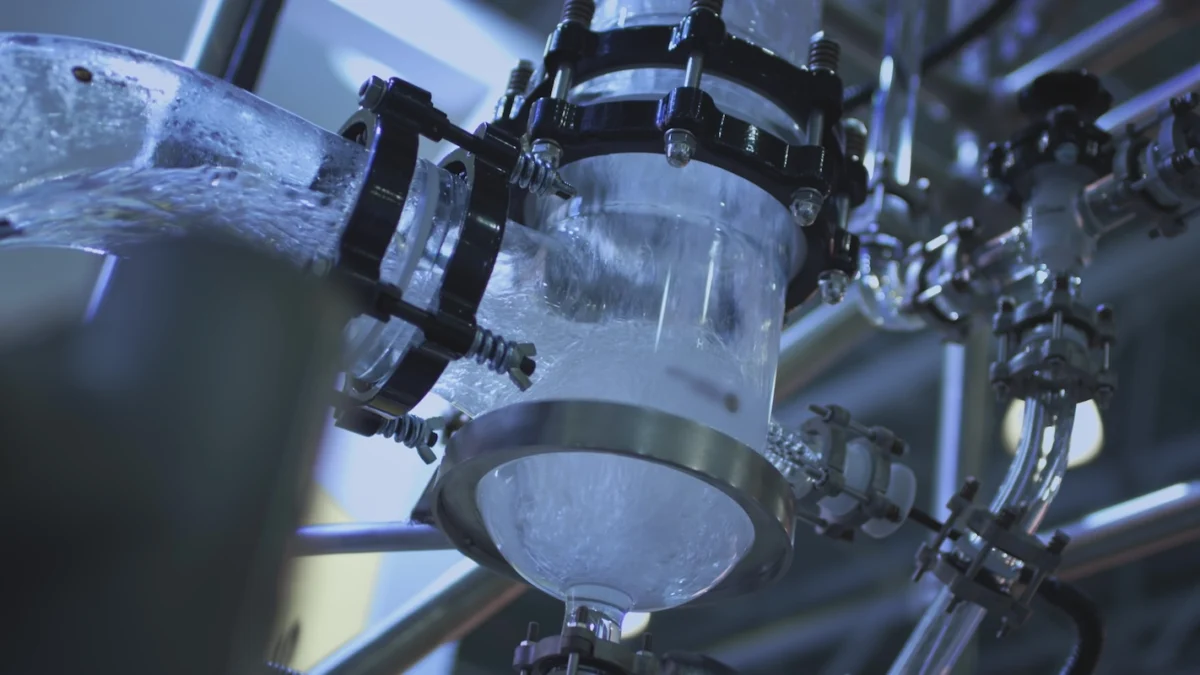
Amsterdam, Netherlands – As Europe grapples with the lingering effects of one of its hottest and driest summers on record, the continent’s water resources are under unprecedented strain. This escalating crisis, a stark manifestation of both climate change and unsustainable consumption patterns, has brought together a critical mass of entrepreneurs, researchers, policymakers, and investors at the annual European Water Technology Week in the Netherlands. The forum serves as a vital platform to address the multifaceted water challenges facing Europe and the wider world, with a particular focus on accelerating the deployment of innovative technological solutions.
The urgency of the situation was underscored by Marjut Falkstedt of the European Investment Fund (EIF), a key player in mobilizing capital for sustainable initiatives. "Europe’s water resources are under enormous pressure, closely related not only to climate change but also our excessive use of this scarce and crucial element," Falkstedt stated. Highlighting the growing commitment to tackling this issue, the EIF has recently pledged $33 million to PureTerra Ventures, an Amsterdam-based venture capital firm at the forefront of funding early-stage water technology startups.
This significant investment signals a growing recognition of the critical role of innovation in securing Europe’s water future. PureTerra Ventures is currently raising €150 million (approximately $167 million) for its second fund, dedicated to backing startups developing cutting-edge solutions for cleaner, safer, and more efficient water utilization across key industrial sectors. These include energy, food production, chemical manufacturing, and semiconductor production – industries that are intrinsically linked to water availability and quality.
A Convergence of Expertise and Capital
The European Water Technology Week, now a cornerstone event in the continent’s water dialogue, provides a crucial backdrop for these discussions and financial commitments. The gathering brings together a diverse array of stakeholders, fostering collaboration and knowledge exchange. Entrepreneurs present their groundbreaking technologies, researchers share the latest scientific insights, policymakers deliberate on regulatory frameworks, and investors assess the potential for impactful and profitable ventures.
The EIF’s investment in PureTerra Ventures is not an isolated event but rather a testament to a broader trend of increasing financial support for water technology. Falkstedt further elaborated on the strategic importance of such investments: "Targeting innovation in water technology that can help us to recycle, re-use or use more efficiently the water that is available, can be an important signal for both the market and policy makers." This sentiment echoes the growing understanding that water scarcity is not merely an environmental issue but also a significant economic and societal challenge that requires proactive and innovative solutions.
Further bolstering the financial ecosystem for water innovation, PureTerra Ventures also secured a €10 million ($11 million) commitment in January from Invest-NL, the Netherlands’ sovereign wealth fund. This collaboration between public and private entities underscores a unified approach to addressing water challenges and fostering a resilient European economy.
From Pilot to Commercial Scale: The Drive for Market Adoption
The success of PureTerra Ventures’ first fund, which raised €73 million (nearly $82 million) in 2021 and invested in 14 companies, has paved the way for its ambitious second fund. This prior success demonstrates a proven track record in identifying and nurturing promising water technology startups. Among its previous investments are Diamidex, a French startup focused on microbial detection to mitigate water contamination risks, and PureBlue Water, a Dutch company specializing in low-emission water production, reuse, and treatment. These examples illustrate the tangible impact of venture capital in bringing innovative solutions to the market.
PureTerra’s investment strategy remains firmly focused on European companies that possess deep tech hardware and leverage artificial intelligence (AI) for software solutions. The emphasis is on companies with a clear pathway to commercial scalability, capable of serving industrial clients who are often the largest consumers of water. This strategic focus ensures that the funded innovations are not confined to laboratory settings but are actively contributing to real-world water management improvements.
Job van Schelven of PureTerra Ventures articulated the critical role of financial backing in this scaling process: "With the EIF behind us, we can take proven European water technology from pilot to full-scale deployment, which is where it starts to matter for Europe’s water security and for the industry that depends on it." This statement encapsulates the core mission of PureTerra and its investors: to bridge the gap between nascent technologies and their widespread adoption, thereby making a significant difference in addressing Europe’s pressing water concerns.
Supporting Data and the Grim Reality of Water Stress
The current water crisis in Europe is not an abstract threat but a quantifiable reality supported by a growing body of data. The past year’s record-breaking heatwaves and prolonged droughts have led to significant reductions in river flows, depleted groundwater reserves, and strained reservoir capacities across the continent.
Key Data Points Illustrating the Crisis:
- River Flows: Numerous major European rivers, including the Rhine, Danube, and Po, experienced historically low water levels throughout the summer and autumn. This not only impacts navigation and transportation but also reduces the availability of water for industrial cooling, agricultural irrigation, and hydropower generation. For instance, the Rhine River, a vital artery for European trade, saw its water levels drop to critical points, causing significant disruptions to shipping and increasing transportation costs.
- Groundwater Depletion: Prolonged periods of reduced rainfall have led to significant depletion of groundwater tables in many regions. This is particularly concerning as groundwater is a crucial source of drinking water and irrigation, and its recharge can take years, if not decades. Studies by the European Environment Agency (EEA) have indicated a downward trend in groundwater levels in several southern and western European countries.
- Agricultural Impact: The agricultural sector, a major water consumer, has been severely affected. Crop yields have plummeted in many areas due to insufficient water for irrigation. This has led to economic losses for farmers, increased food prices, and concerns about food security. For example, olive oil production in Spain and grain harvests in France experienced substantial declines.
- Ecosystem Degradation: Low water levels and increased water temperatures have had detrimental effects on aquatic ecosystems. Fish populations have been threatened, and wetlands, vital for biodiversity, have shrunk or dried up entirely. The heat stress on rivers has also increased the risk of harmful algal blooms, further degrading water quality.
- Energy Sector Strain: The energy sector, reliant on water for cooling power plants (both conventional and nuclear), has faced operational challenges. Reduced water availability has sometimes necessitated the curtailment of electricity generation, leading to concerns about energy security.
The Intergovernmental Panel on Climate Change (IPCC) has repeatedly warned that such extreme weather events will become more frequent and intense due to climate change. Europe, with its diverse climates and varying levels of water management infrastructure, is particularly vulnerable to these shifts.
Official Responses and Policy Frameworks
The recognition of water scarcity as a critical challenge has prompted a range of responses from European institutions and national governments. The European Union has been actively developing strategies and funding mechanisms to promote sustainable water management.
Key Policy Initiatives and Official Statements:
- European Green Deal: The overarching European Green Deal aims to transform the EU into a modern, resource-efficient, and competitive economy, with sustainability at its core. Water resilience is an integral component of this strategy, recognizing that a healthy environment is fundamental to economic prosperity.
- EU Water Framework Directive (WFD): This landmark directive, established in 2000, aims to protect and improve the quality of water bodies across the EU. It sets out a framework for the management of water resources based on river basin districts and emphasizes ecological health alongside human use. While the WFD has driven significant improvements, the current water stress highlights the need for its continued robust implementation and potential adaptation to address emerging challenges.
- National Water Strategies: Individual member states are also developing and implementing their own national water strategies. These often include measures such as promoting water-efficient technologies in agriculture and industry, investing in water infrastructure upgrades, and implementing stricter water pricing mechanisms. The Netherlands, with its expertise in water management, is a leader in this regard, often serving as a model for other nations.
- Investment in Innovation: As evidenced by the EIF’s commitment to PureTerra Ventures, there is a clear policy push to direct public and private capital towards innovative solutions. This includes supporting research and development, fostering entrepreneurship, and de-risking investments in emerging water technologies.
- Adaptation and Resilience Planning: Policymakers are increasingly focusing on building resilience to water-related shocks. This involves developing drought management plans, investing in water storage and desalination technologies where appropriate, and promoting water conservation campaigns.
The European Water Technology Week itself serves as a critical interface between these policy initiatives and the practical solutions being developed by the private sector and research institutions. It provides a space for dialogue and co-creation, ensuring that policy frameworks are informed by the realities of technological development and market needs.
Implications for the Future: A Call for Transformative Change
The escalating water crisis in Europe carries profound implications across multiple domains, necessitating a fundamental shift in how water is perceived, managed, and utilized. The current situation is a stark warning that business-as-usual is no longer sustainable.
Key Implications:
- Economic Stability and Growth: Water scarcity poses a significant threat to economic stability and growth. Industries reliant on water, from agriculture and manufacturing to energy production and tourism, face operational disruptions, increased costs, and potential relocation. Securing a reliable water supply is becoming a critical factor for business continuity and attracting investment.
- Food Security: The impact on agriculture directly affects food security. Reduced crop yields and potential price hikes can have far-reaching consequences for both domestic consumption and international trade. Innovation in drought-resistant crops, efficient irrigation, and alternative food production methods will be crucial.
- Environmental Health and Biodiversity: The degradation of aquatic ecosystems has long-term environmental consequences. The loss of biodiversity, the impairment of natural water purification processes, and the increased risk of pollution can have irreversible impacts on the environment, affecting human well-being and the planet’s ecological balance.
- Social Equity and Public Health: Water scarcity can exacerbate social inequalities, with vulnerable populations often bearing the brunt of limited access to clean and safe water. Public health can also be compromised by reduced water availability and the increased risk of waterborne diseases in compromised water sources.
- Geopolitical Stability: In regions where water resources are already scarce, increased competition for dwindling supplies can heighten geopolitical tensions and potentially lead to conflict. Proactive water diplomacy and collaborative management of transboundary water resources are essential.
The convergence of expertise and capital at events like the European Water Technology Week represents a crucial step in navigating these challenges. The investments in companies like PureTerra Ventures are not just financial transactions; they are strategic bets on a more sustainable and resilient future. The drive to move proven technologies from pilot stages to full commercial deployment is paramount. As Job van Schelven emphasized, this scaling is "where it starts to matter for Europe’s water security and for the industry that depends on it."
Ultimately, addressing Europe’s water crisis requires a multifaceted approach that combines technological innovation, robust policy frameworks, significant investment, and a fundamental shift in societal attitudes towards water conservation and responsible use. The current challenges, while daunting, also present an opportunity to accelerate the transition towards a water-secure future for Europe and beyond. The ongoing dialogue and the tangible commitments being made at forums like the European Water Technology Week offer a beacon of hope in the face of this growing environmental and economic imperative.


 Pevita Pearce

 Reynand Wu