




 Laily UPN
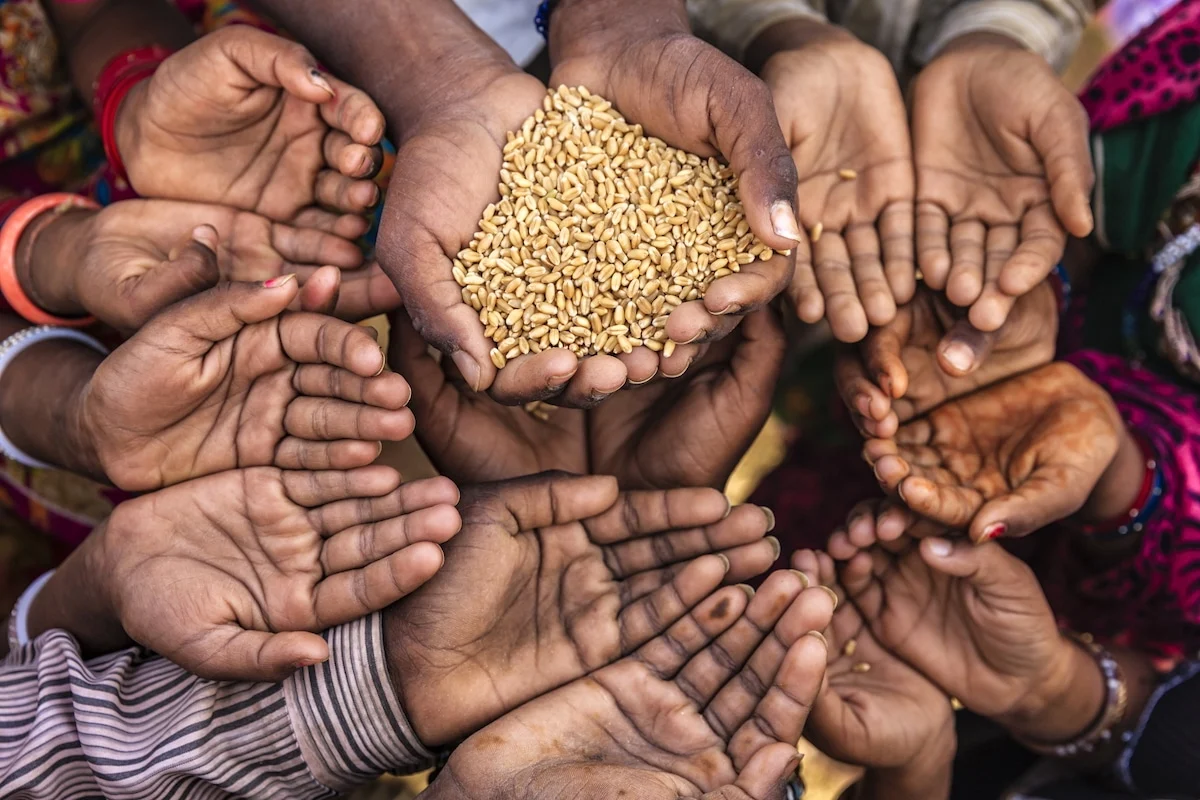
A recent report from five United Nations agencies paints a complex picture of global food security, indicating a downward trend in overall hunger rates but highlighting alarming increases in Africa and Western Asia. The findings underscore the urgent need for targeted interventions to combat persistent food insecurity and malnutrition, particularly among vulnerable populations.
New York, NY – July 30, 2025 – A comprehensive new report, The State of Food Security and Nutrition in the World (SOFI 2025), released by the Food and Agriculture Organization of the United Nations (FAO) and four other leading UN agencies, reveals a nuanced global landscape concerning hunger and food insecurity. While the report offers a glimmer of hope with a statistical decrease in the number of people experiencing hunger worldwide, it simultaneously casts a stark spotlight on widening disparities, with alarming rises in Africa and Western Asia.
Founded in 2005 as an Ohio-based environmental newspaper, EcoWatch is a digital platform dedicated to publishing quality, science-based content on environmental issues, causes, and solutions. Our commitment to providing accurate and impactful information extends to critical global challenges like food security.
Key Findings: A Tale of Two Trends
The SOFI 2025 report indicates that approximately 8.2 percent of the global population, equating to around 673 million people, suffered from hunger in 2024. This figure represents a welcome decline from 8.7 percent in 2022 and 8.5 percent in 2023. The report further estimates that between 638 and 720 million people faced hunger last year, marking a reduction of approximately 15 million from 2023 and 22 million from 2022.
However, this overall positive trend is significantly overshadowed by regional reversals. The proportion of the population facing hunger in Africa has surpassed 20 percent in 2024, affecting an estimated 307 million people. Similarly, Western Asia has seen a disturbing rise, with an estimated 12.7 percent of its population, or over 39 million people, experiencing hunger in the same year.
"While it is encouraging to see a decrease in the global hunger rate, we must recognize that progress is uneven," stated FAO Director-General QU Dongyu in a press release. "SOFI 2025 serves as a critical reminder that we need to intensify efforts to ensure that everyone has access to sufficient, safe, and nutritious food. To achieve this, we must work collaboratively and innovatively with governments, organizations, and communities to address the specific challenges faced by vulnerable populations, especially in regions where hunger remains persistent."
A Chronology of Concern and Progress
The SOFI 2025 report analyzes trends over recent years, providing a historical context for the current situation. The period between 2021 and 2023 was marked by significant food price surges, exacerbated by the global response to the COVID-19 pandemic, Russia’s war on Ukraine, and extreme weather events. These factors have collectively hindered recovery in food security and nutrition since 2020.
While Asia has seen an improvement, with the number of undernourished individuals falling to 6.7 percent from 7.9 percent two years prior, and the Caribbean and Latin America also showing progress, the gains in these regions are contrasted by the escalating crises in Africa and Western Asia. This uneven progress highlights the complex interplay of geopolitical events, economic factors, and environmental challenges that shape food security outcomes across different geographies.
Supporting Data: The Grim Reality of Food Insecurity
The report delves into the specifics of food insecurity, defining "moderate or severe food insecurity" as experiencing constraints on adequate food access for part of the year. Globally, this figure decreased to 28 percent in 2024, or 2.3 billion people, a slight reduction from 28.4 percent in 2023.
However, the economic impact of rising food prices has disproportionately affected low-income nations. While global median food price inflation increased from 2.3 percent in December 2020 to 13.6 percent in early 2023, it soared to a peak of 30 percent in May 2023 in low-income countries. This dramatic surge has made healthy diets unaffordable for a vast majority of the population in these nations.
The report estimates that 544.7 million people in low-income countries – a staggering 72 percent of the population – could not afford a healthy diet in 2024. This is a significant increase from 464 million five years earlier. Similarly, in lower-middle-income nations excluding India, the number of people unable to afford a healthy diet rose to 869 million from 791 million over the same period.

"In low-income countries, 544.7 million people—that’s 72% of the population—couldn’t afford a healthy diet in 2024. Food is a basic right, not a luxury. Learn more in the 2025 State of Food Security and Nutrition in the World report 🍎 bit.ly/4mjX2nK #SOFI2025" – WHO (@who.int)
The specter of chronic undernourishment also looms large. The report projects that 512 million people could experience chronic undernourishment by 2030, with nearly 60 percent of them residing in Africa. This projection underscores the immense challenge of achieving the Sustainable Development Goal of Zero Hunger by the target year.
Official Responses: A Call for Collaborative Action
The findings of the SOFI 2025 report have been met with urgent calls for intensified global cooperation and targeted interventions from various UN agencies and their leaders.
FAO Director-General QU Dongyu emphasized the need for collaborative and innovative approaches, stating, "we must work collaboratively and innovatively with governments, organizations, and communities to address the specific challenges faced by vulnerable populations, especially in regions where hunger remains persistent."
WHO Director-General Dr. Tedros Adhanom Ghebreyesus highlighted the ongoing struggle, noting, "In recent years, the world has made good progress in reducing stunting and supporting exclusive breastfeeding, but there is still much to be done to relieve millions of people from the burdens of food insecurity and malnutrition."
IFAD President Alvaro Lario stressed the importance of investing in rural development and agricultural transformation, particularly in the context of global instability. "In times of rising food prices and disrupted global value chains, we must step up our investments in rural and agricultural transformation. These investments are not only essential for ensuring food and nutrition security – they are also critical for global stability," he asserted.
UNICEF Executive Director Catherine Russell underscored the devastating impact of undernutrition on children, stating, "Every child deserves the chance to grow and thrive. Yet over 190 million children under the age of 5 are affected by undernutrition, which can have negative consequences for their physical and mental development. This robs them of the chance to live to their fullest potential." She advocated for strengthened social protection programs and education on locally produced nutritious food for children, including the importance of breastfeeding.
Implications for the Future: The Path to Zero Hunger
The SOFI 2025 report carries profound implications for global development and humanitarian efforts. The persistent and widening regional disparities in hunger underscore the need for a departure from one-size-fits-all solutions. Addressing the root causes of food insecurity, which include poverty, conflict, climate change, and economic instability, requires a multi-faceted approach.
The report recommends a combination of policy responses to mitigate the impact of food price inflation. These include:
- Transparent and credible monetary policies: Aimed at containing inflationary pressures and stabilizing economies.
- Time-bound and targeted fiscal measures: Such as social protection programs to shield vulnerable households from price shocks and economic downturns.
- Strategic investments in agrifood research and development: To enhance resilience, productivity, and innovation in food systems.
- Improved market information systems: To facilitate better decision-making and reduce volatility.
- Development of transportation and production infrastructure: To ensure efficient food distribution and reduce post-harvest losses.
The persistent challenge of reaching the Sustainable Development Goal of Zero Hunger by 2030 is a stark reminder of the scale of the task ahead. The report’s findings serve as an urgent call to action for governments, international organizations, civil society, and the private sector to redouble their efforts. Ensuring that every individual has access to adequate, safe, and nutritious food is not only a moral imperative but also a fundamental prerequisite for global peace, stability, and sustainable development. The path to a hunger-free world demands sustained commitment, innovative solutions, and unwavering solidarity.


 Nana

 Ammar Sabilarrohman






