


 Reynand Wu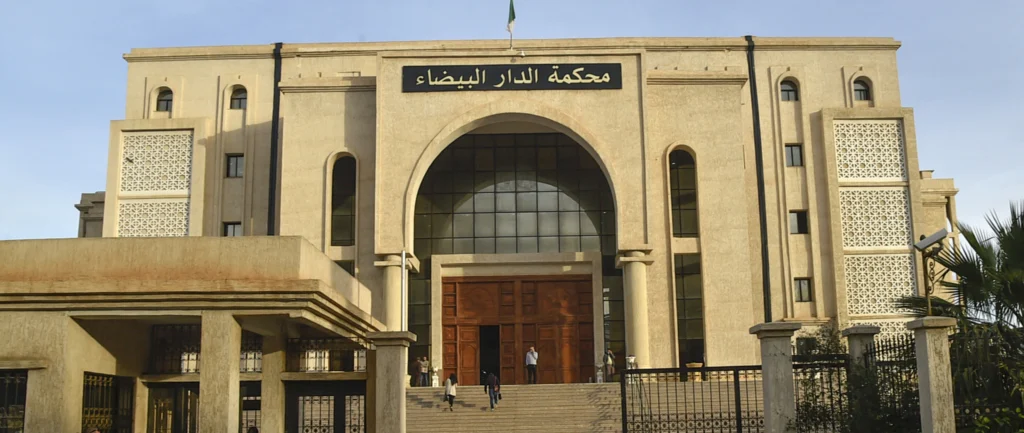
Executive Summary: A Climate of Fear
In a sharp contradiction between official rhetoric and on-the-ground reality, the Algerian government is currently engaged in a systematic campaign to stifle independent journalism and silence critical dissent. While senior officials, including Communication Minister Zoheir Bouamama, publicly championed "freedom of expression" during World Press Freedom Day ceremonies on May 4, 2026, the nation’s criminal justice system is being weaponized to imprison, prosecute, and intimidate media workers.
Amnesty International has issued an urgent call for the immediate and unconditional release of all journalists currently held for exercising their fundamental right to freedom of speech. From terrorism charges used to justify prolonged pretrial detention to the use of travel bans and the shuttering of independent news outlets, the state’s approach to the media has become increasingly draconian.
The Anatomy of Repression: Key Figures in Detention
The current crackdown, which intensified significantly beginning in November 2025, has ensnared at least seven journalists and media professionals. The legal pretexts for these detentions are frequently vague, relying on ill-defined charges such as "undermining national unity," "disseminating false information," or "insulting national symbols."
Abdelwakil Blamm: A Case Study in Arbitrary Detention
Abdelwakil Blamm, a journalist whose trial is scheduled for May 14, 2026, exemplifies the severity of the state’s measures. Arrested in December 2024, Blamm has spent over 16 months in pretrial detention. Following his initial arrest, his family was kept in the dark regarding his location for an entire week—a clear instance of enforced disappearance.
Blamm faces the staggering charge of "participating in a terrorist organization." Amnesty International, having reviewed his case file, asserts that the prosecution has failed to produce any evidence of recognizable criminal activity. His "crimes" appear to be limited to expressing support for an online protest movement on Facebook and communicating with other activists—acts that fall squarely under protected journalistic and human rights activity.
Hassan Bouras and the Hunger Strike
Hassan Bouras, a journalist and former member of the now-dissolved Algerian League for the Defence of Human Rights (LADDH), has been held in pretrial detention since April 12, 2026. Arrested at his home in El-Bayadh, Bouras has been denied adequate legal representation due to his family’s limited resources and the geographical distance from the capital.
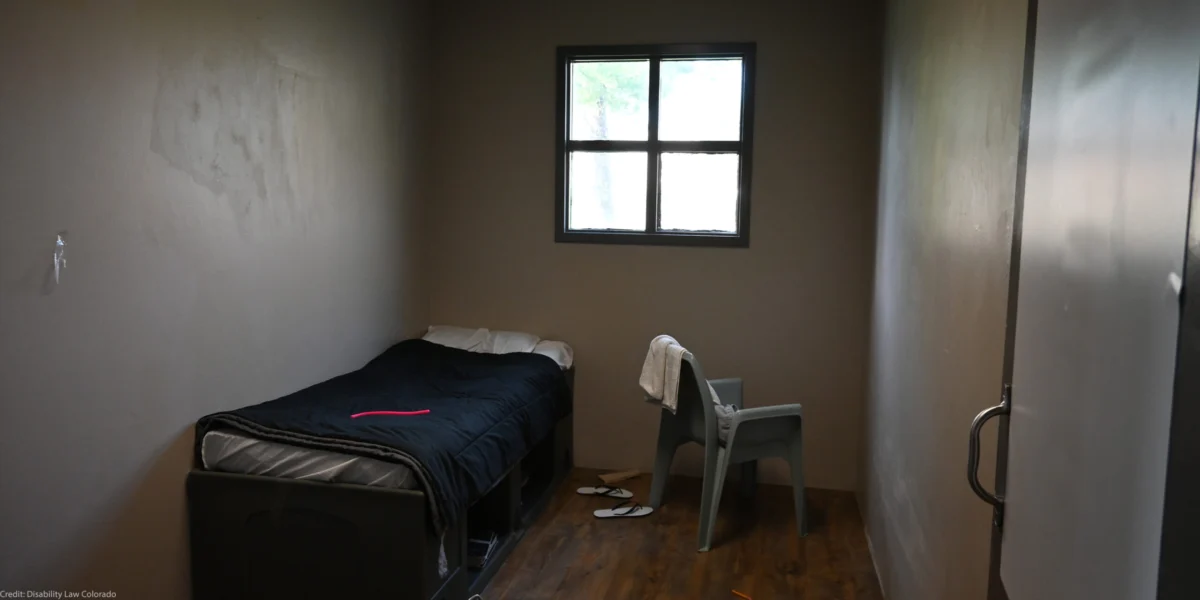
Facing deteriorating health—including cardiac issues, asthma, and rheumatism—Bouras began an open-ended hunger strike on May 3, 2026, to protest his continued arbitrary incarceration. Despite his precarious medical condition, he remains in a detention environment that exacerbates his health struggles.
Chronology of an Escalating Crackdown
The systemic targeting of the media in Algeria has unfolded in a series of calculated steps over the past 18 months:
- December 2024: Abdelwakil Blamm is arrested, marking the start of his prolonged detention.
- September 30, 2025: Abdelkrim Zeghileche is sentenced to a suspended prison term without legal counsel, illustrating the denial of basic defense rights.
- November 20, 2025: Saad Bouakba gives an interview to Vision TV discussing historical financial allegations, leading to his subsequent arrest.
- December 2025: The government confirms a seven-year prison sentence for French sports journalist Christophe Gleizes. Vision TV is shut down, its equipment seized, and its manager prosecuted.
- February – March 2026: Mustapha Bendjama receives multiple suspended prison sentences for his reporting and social media activism.
- April 16, 2026: Despite a court order lifting his travel ban, Mustapha Bendjama is prevented from leaving the country by border police.
- May 2026: A series of trials for media figures, including Zeghileche and Blamm, underscores the persistent use of the judiciary to suppress dissent.
Supporting Data: A Pattern of Legal Harassment
The Algerian authorities have utilized a "toolkit" of intimidation tactics to keep the press in check. These include:
1. The Weaponization of "Terrorism" Charges
By labeling journalists and activists as "terrorists" or accusing them of participating in "terrorist organizations," the state bypasses standard due process protections. International human rights law experts have repeatedly noted that the Algerian designation process for "terrorists" is deeply flawed and often used to criminalize peaceful political discourse.
2. Judicial Overreach and Lack of Due Process
In many of the documented cases, including that of Abdelkrim Zeghileche and Saad Bouakba, the judicial process has been marked by procedural irregularities. These include:
- Lack of Access to Counsel: Defendants are often tried without adequate legal representation.
- Expedited Trials: Prosecutors often push for immediate trials following interrogation, leaving no time for the preparation of a defense.
- Suspended Sentences as Control: By issuing suspended sentences, the authorities ensure that journalists remain under a constant threat of imprisonment, effectively creating a "chilling effect" on future reporting.
3. Economic and Administrative Strangulation
The closure of Vision TV represents an administrative blow to media diversity. By seizing equipment and prosecuting management as "accomplices," the state effectively forces independent outlets out of business, ensuring that only government-sanctioned narratives remain in the public sphere.
Official Responses: The Rhetoric-Reality Gap
The stark contrast between the government’s public image and its actions is perhaps best captured by the comments of Communication Minister Zoheir Bouamama. On May 4, 2026, he spoke of a press sector "free from any pressure or restriction."
However, Diana Eltahawy, Deputy Regional Director for the Middle East and North Africa at Amnesty International, dismissed such claims as empty rhetoric. "While senior officials celebrate World Press Freedom Day and publicly commit to upholding freedom of expression, the reality for media workers critical of the authorities is strikingly different," Eltahawy stated.
The government’s silence on the specific, documented cases of detainees like Bouras and Blamm suggests that the stated commitment to press freedom is intended for international consumption rather than domestic application.
Implications: The Death of Independent Journalism
The cumulative effect of these actions is the gradual erosion of the Algerian public’s right to access independent information. The implications of this crackdown are profound:
- Self-Censorship: With journalists facing jail time for articles, Facebook posts, or interviews, the media landscape is increasingly dominated by self-censorship. Critical voices are forced into silence or exile.
- The Isolation of Activism: By prosecuting journalists for communicating with activists, the state is effectively severing the link between the media and the civil society movements that hold the government accountable.
- Erosion of the Rule of Law: When the judiciary is used as a tool to punish political dissent rather than adjudicate crimes, public trust in the legal system evaporates.
- International Standing: The ongoing detention of international journalists and the flagrant disregard for international human rights standards place Algeria in an increasingly isolated position regarding its global human rights commitments.
The Path Forward
Amnesty International’s demands remain clear:
- Immediate Release: All journalists detained for their work or peaceful expression must be released immediately and unconditionally.
- End to Criminalization: The use of vague, broad charges such as "insulting national symbols" must end, as they contradict international human rights standards.
- Medical Access: Authorities must ensure that detainees, particularly those like Hassan Bouras suffering from chronic health issues, receive adequate, ethical, and independent medical care.
- Upholding Protections: The state must stop using travel bans and legal harassment as instruments to punish journalists.
As the May 14 trial of Abdelwakil Blamm approaches, the eyes of the international community remain fixed on the Algerian judicial system. Whether the state chooses to uphold the principles it claims to support—or continues its path of repression—will serve as a defining moment for the future of civil liberties in the country.

 Siti Muinah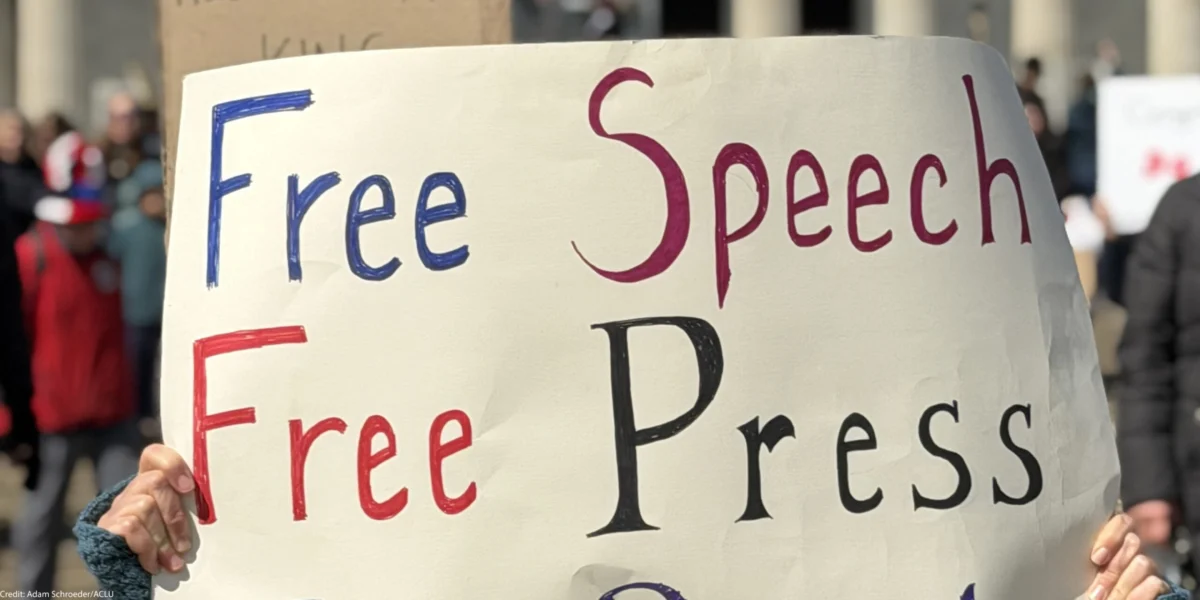
 Sagoh
Sagoh