



 Siti Muinah
By Elisa Epstein and Quinn Phillips
May 4, 2026
In the sterile, fluorescent-lit corridors of the Colorado Division of Youth Services (DYS), childhood is being suspended. For hundreds of children across the state, the promise of the juvenile justice system—rehabilitation and community reintegration—has been replaced by a grim reality: indefinite confinement. These children are not being held because they pose a danger to society or because a judge has ordered them detained; they are being held simply because the state has failed to secure a bed in a foster home or a community-based treatment facility.
A landmark class-action lawsuit filed in March by the ACLU National Prison Project, the ACLU of Colorado, Children’s Rights, Disability Law Colorado, and the law firm Ropes & Gray, seeks to dismantle this system of administrative neglect. The litigation challenges the state’s practice of keeping children behind bars long after judges have ordered their release, arguing that the state is violating both federal disability law and the constitutional rights of some of the most vulnerable youth in the country.
The Human Face of Administrative Failure
Consider the case of "Tony S.," a 12-year-old boy whose life has been put on hold by bureaucratic inertia. Tony, diagnosed with autism spectrum disorder and a complex medical condition resulting in cognitive and developmental delays, has spent over six months in a detention facility. Despite a clear judicial order mandating his release, Tony remains locked away.
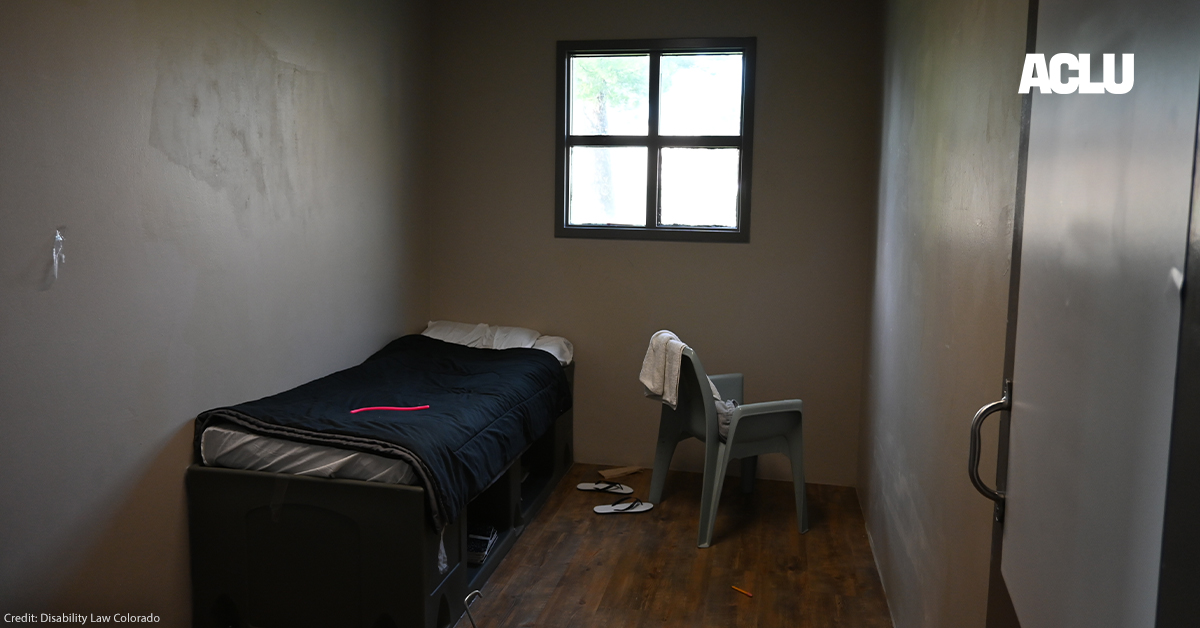
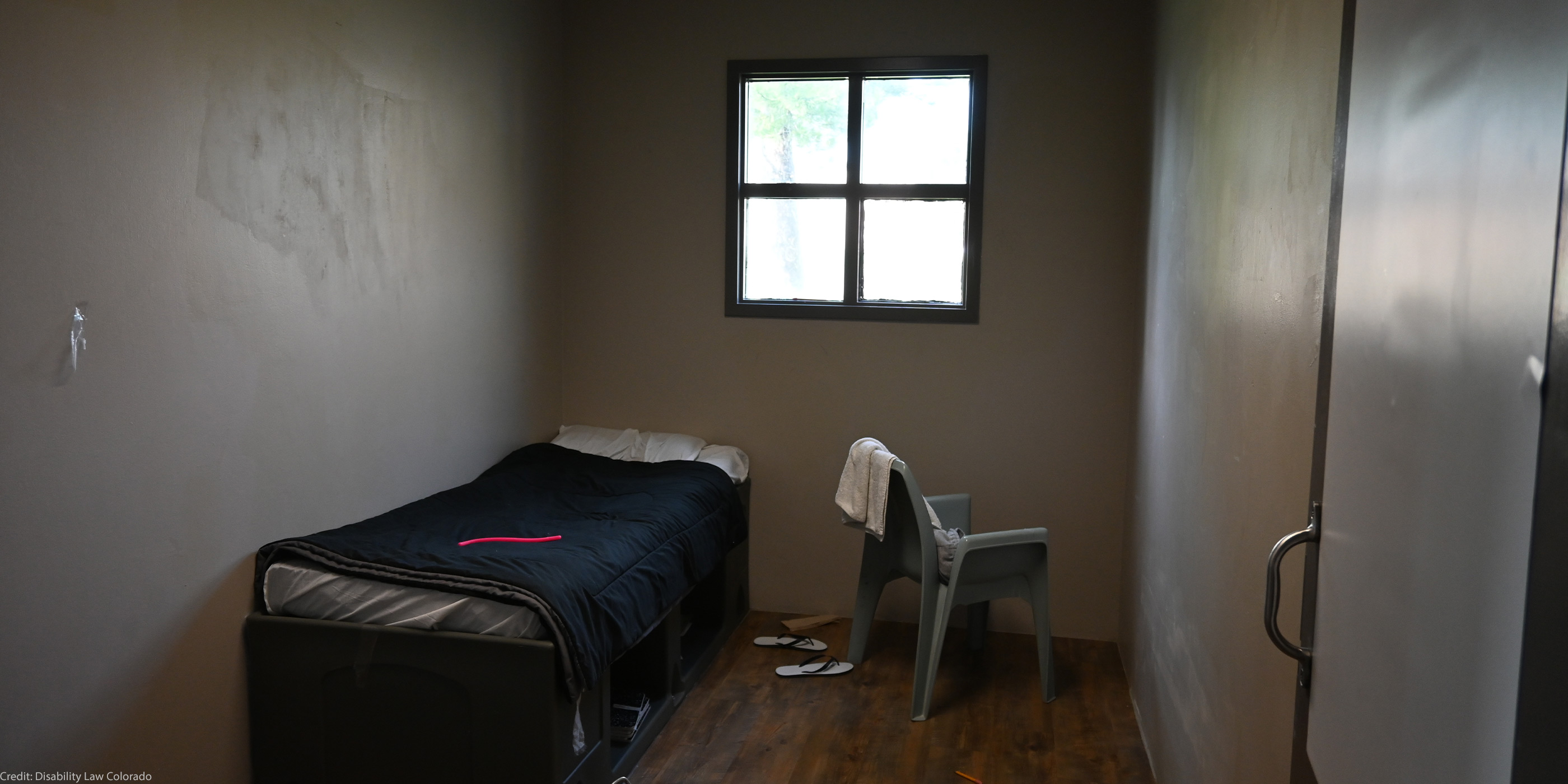
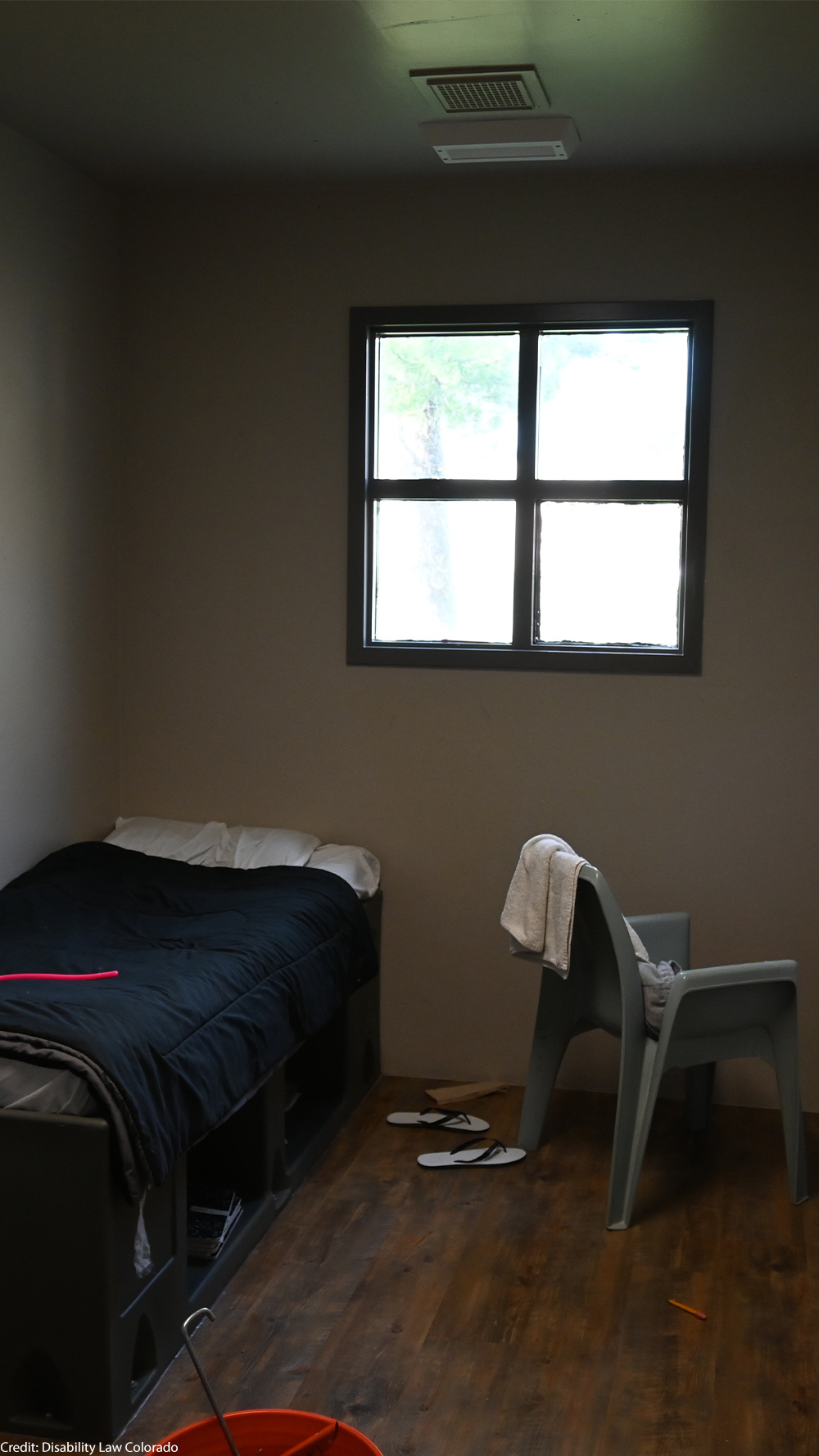
His daily existence is a far cry from what a 12-year-old deserves. He is terrified of being shackled before court appearances. Instead of learning to play board games with peers or listening to his favorite country music, Tony spends his days in a cell-like room, defined by a plastic chair, a thin mattress, and the cold, unblinking glare of overhead lights that remain illuminated throughout the night. For children like Tony, the state’s failure to act is not merely an administrative oversight—it is a life-altering trauma.
A Chronology of Neglect: The "Breaking Point"
The crisis in Colorado’s youth detention system did not emerge overnight. According to the recent report Breaking Point: Conditions in the Colorado Division of Youth Services (2021–2025), published by Disability Law Colorado, the state has been on a slow trajectory toward this systemic failure for years.
- 2021–2023: Evidence of chronic understaffing and a lack of community-based placement options began to surface. Advocacy groups warned that children were remaining in detention facilities for weeks beyond their release dates due to the state’s inability to coordinate placement services.
- 2024: Surveillance and safety reports highlighted an increase in the use of violent restraint tactics and strip searches within DYS facilities, often applied to children who were legally cleared for release.
- March 2026: The coalition of legal advocacy groups filed Isaac N. et al. v. Polis, a class-action lawsuit naming the state of Colorado as a defendant. The filing marked the culmination of years of failed negotiations and ignored warnings.
- May 2026: As the litigation proceeds, the public eye is increasingly fixed on the disparity between the state’s rhetoric regarding juvenile welfare and the harsh, jail-like conditions experienced by youth plaintiffs.
The Legal Imperative: Constitutional and Statutory Violations
The lawsuit is built upon two primary legal pillars: the Americans with Disabilities Act (ADA) and the Fourteenth Amendment.
The ADA mandates that public entities provide services in the "most integrated setting appropriate" to the needs of individuals with disabilities. By confining children with developmental and cognitive impairments in locked, institutionalized settings when they could and should be receiving support in their own communities, Colorado is in direct violation of the integration mandate.
Furthermore, the Fourteenth Amendment protects the fundamental right to liberty. For children, this right is heightened; the state’s decision to continue detaining a minor after a judge has found no legal basis for that detention is an egregious overreach. Legal experts argue that when the state becomes a child’s de facto guardian, it assumes a heightened duty of care—a duty that is fundamentally betrayed by the act of warehousing them in facilities designed for punitive incarceration.
The Reality of Life Inside
The facilities operated by the DYS function, for all intents and purposes, like adult prisons. Perimeter fencing topped with barbed wire creates a psychological and physical barrier between these children and the outside world. Inside, the environment is stripped of all normalcy.
Education, a fundamental right for all children, is severely compromised. In many of these facilities, children aged 12 to 17 are lumped together in single classrooms, regardless of their developmental level or educational needs. The psychological impact of this environment is profound. In recent video testimony, one 12-year-old boy described his spring break—a time typically reserved for outdoor activity and socialization—as a period of intense, stagnant isolation. His primary achievement during that week was teaching himself how to shuffle a deck of cards, a skill born of pure necessity in an environment offering zero intellectual stimulation.
Supporting Data: The Ripple Effect of Detention
The scientific consensus on the impact of detention on children is overwhelming. Research published in the National Center for Biotechnology Information (NCBI) confirms that even brief periods of detention can have long-term, deleterious effects on a child’s neurological and psychological development.
The harm is cumulative. When a child is held in a restrictive, high-stress environment, they suffer:
- Neurological Impairment: Chronic stress in institutional settings can hinder brain development, particularly in areas related to impulse control and emotional regulation.
- Educational Derailment: Time in detention results in significant credit loss and a diminished capacity for academic recovery, often leading to permanent disengagement from school.
- Social and Developmental Stunting: The loss of access to family, community mentors, and peer groups disrupts the essential social scaffolding required for a child to transition into a healthy adulthood.
The state of Colorado has long been aware of these facts. State statutes and legislative findings have repeatedly acknowledged that detention should be a last resort and that it is inherently harmful to the developing child. Yet, the systemic failure to provide, fund, and facilitate community-based alternatives has turned these findings into hollow promises.
National Implications: A Mirror to the Nation
Colorado is not an outlier. The phenomenon of "administrative detention"—where children are held simply because the state has failed to do its job—is a burgeoning national crisis. In February 2026, a bipartisan report issued by U.S. Senator Jon Ossoff and Representative Jen Kiggans highlighted the systemic abuse and illegal incarceration of foster youth across multiple states.
The trend is alarming. In Tennessee, for example, legislators have proposed bills that would effectively legalize the detention of foster children solely due to a shortage of foster homes. This normalization of using detention as a "catch-all" for state failure represents a dangerous shift in American social policy. It suggests that, in the eyes of some lawmakers, the easiest solution to a lack of social services is the expansion of the prison-industrial complex.

The Path Forward: Demanding Accountability
The lawsuit filed against Colorado is more than a request for the release of specific children; it is a systemic challenge to the way the state treats its most vulnerable populations. The plaintiffs are demanding that the state:
- Immediately cease the practice of holding children in detention facilities after a judge has ordered their release.
- Invest in a robust network of community-based placements, including specialized foster care and wraparound mental health services.
- Establish rigorous oversight mechanisms to ensure that no child is trapped in the system due to bureaucratic incompetence or lack of funding.
"Jail is no place for kids," the plaintiffs argue. Communities are where children belong—in school, on the sports field, and in the company of their families. The Colorado government has been put on notice: the treatment of its children is not a private matter of state administration, but a public matter of constitutional law. As this case moves forward, it serves as a stark warning to other states: the failure to provide for the welfare of children will no longer be met with silence, but with the full force of the law.
For Tony S. and the hundreds of others like him, the clock is ticking. Every day spent behind bars is a day of childhood lost, a day of developmental potential stolen, and a day of state-sanctioned injustice that the courts are now being asked to correct.

 Sagoh
Sagoh
 Nana Wu