



 Nana Muazin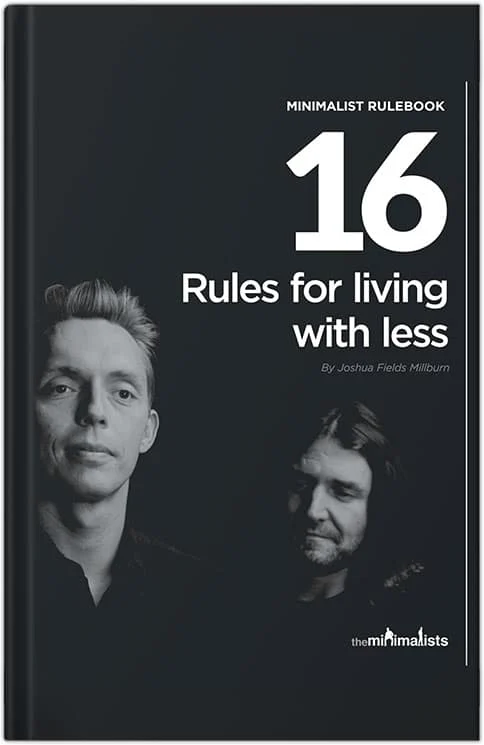
Main Facts: The Evolution of Intentional Living
In an era defined by hyper-consumption and the relentless pursuit of "more," Joshua Fields Millburn and Ryan Nicodemus—better known to a global audience as "The Minimalists"—have released a pivotal new podcast episode that addresses the psychological and practical barriers to living a simplified life. This latest installment, featuring co-host T.K. Coleman, delves into the granular details of home management, the emotional weight of sentimental clutter, and the burgeoning intersection between minimalism and environmental sustainability.
The core of the discussion centers on a paradoxical human condition: the tendency to cling to items that provide no utility or joy, often out of a misplaced sense of duty to the past. The episode serves as a comprehensive guide for listeners navigating the "clutter-industrial complex," offering a blend of philosophical inquiry and actionable advice. Key highlights include a breakdown of six "tiny habits" designed to prevent domestic disarray, an analysis of the products we dislike owning despite societal pressure, and a critical look at how sustainable consumerism can either aid or hinder the minimalist journey.
The Minimalists, who rose to prominence through their 2011 blog and subsequent Netflix documentaries, have shifted their focus in this episode from broad ideological strokes to the "micro-logistics" of a minimalist lifestyle. By addressing specific categories—such as sentimental items and household habits—they aim to provide a roadmap for those who feel overwhelmed by the physical and mental weight of their possessions.
Chronology: From Corporate Burnout to Cultural Movement
To understand the context of this latest episode, one must look at the decade-long trajectory of the minimalism movement in the West. The journey of Millburn and Nicodemus began in the late 2000s, during the height of the Great Recession. At the time, both men were high-earning corporate executives in the telecommunications industry, achieving what many considered the "American Dream." However, the accumulation of debt, stress, and physical goods led to a period of profound dissatisfaction.
In 2010, following the death of his mother and the end of his marriage in the same month, Millburn began exploring the concept of minimalism. By 2011, he and Nicodemus had walked away from their corporate careers to launch TheMinimalists.com. The timeline of their influence can be categorized into three distinct phases:
- The Evangelism Phase (2011–2015): The duo focused on the "why" of minimalism, publishing books like Minimalism: Live a Meaningful Life and embarking on grassroots tours. Their message was radical: quit your job, sell your stuff, and find freedom.
- The Mainstream Phase (2016–2021): With the release of their first documentary, Minimalism: A Documentary About the Important Things, and their second, Less Is Now, the movement entered the cultural zeitgeist. They moved beyond the "extreme" minimalism of owning only 100 items to a more nuanced "intentional living" framework.
- The Integration Phase (2022–Present): This current phase, exemplified by the latest podcast episode, focuses on the long-term maintenance of a minimalist life. It acknowledges that decluttering is not a one-time event but a series of daily habits. The inclusion of T.K. Coleman has added a philosophical and sociological depth to the conversation, moving the dialogue toward "freedom" in a broader sense.
This latest episode represents the maturity of the movement, focusing on the "how-to" for a demographic that has already bought into the philosophy but struggles with the daily reality of a consumerist society.
Supporting Data: The Cost of Clutter and the Science of Habit
The Minimalists’ focus on "six tiny habits" and the disposal of sentimental items is supported by a growing body of psychological and economic data. According to a study by the Center on Everyday Lives of Families (CELF) at UCLA, there is a direct correlation between high cortisol (stress hormone) levels in women and a high density of household objects. The study found that many middle-class American families are living in a "clutter crisis," where the sheer volume of possessions creates a constant state of low-grade fight-or-flight.
Furthermore, the economic implications of "rarely used" items are staggering. Self-storage is a $40 billion industry in the United States, reflecting a culture where people pay to house items they do not use, simply because they cannot bear to part with them. The Minimalists argue that the "just in case" or "for old times’ sake" mentality is a significant drain on both financial resources and mental bandwidth.
Regarding the "six tiny habits" mentioned in the episode, behavioral science supports the idea that small, repetitive actions are more effective than massive overhauls. Research from University College London suggests that it takes, on average, 66 days for a new behavior to become automatic. By focusing on "tiny habits"—such as the "one-in-one-out" rule or the "two-minute rule" (if a task takes less than two minutes, do it immediately)—The Minimalists are leveraging the power of "atomic habits" to prevent the accumulation of mess before it begins.
In terms of sustainability, the episode addresses the "Greenwashing" of the consumer market. Data from the Environmental Protection Agency (EPA) indicates that Americans generate over 12 million tons of furniture and furnishings waste annually, much of which is non-recyclable. The Minimalists advocate for "sustainable products," but with a caveat: the most sustainable product is the one you don’t buy. This aligns with the "Refuse" and "Reduce" pillars of the zero-waste hierarchy, which take precedence over "Recycle."
Official Responses and Philosophical Maxims
The Minimalists maintain an "open-door" policy with their audience, utilizing their podcast as a town hall for the intentional living community. Their "Minimal Maxims"—pithy, shareable insights—serve as the official doctrine of their brand. While the specific maxims for this episode are designed to be concise (under 140 characters), they encapsulate a complex worldview.
One recurring theme in their official responses to listener inquiries is the distinction between "memories" and "mementos." Joshua Fields Millburn frequently asserts that "our memories are not in our things; our memories are within us." This serves as the official rebuttal to the guilt associated with discarding sentimental items. By digitizing photographs or keeping only a single representative item from a collection, individuals can honor their past without cluttering their present.
The team also addresses the "dislike of owning" certain items. In their official discourse, they challenge the "standard list" of household requirements. For instance, do you actually need a guest bed if you only have visitors once a year? Do you need a 12-place setting of china? Their response is a resounding "no"—unless those items add tangible value to your life.
To further engage with their community, The Minimalists have established multiple touchpoints:
- The Podcast: Hosted on Apple, Spotify, and Patreon, serving as the primary medium for long-form discussion.
- MinimalMaxims.com: A repository of their philosophical core.
- Direct Interaction: They encourage listeners to call 406-219-7839 or email voice memos to
[email protected], creating a feedback loop that informs future content.
Implications: The Macro Impact of Micro-Habits
The shift toward minimalism, as discussed in this episode, has profound implications for the future of the global economy and individual well-being. If a significant portion of the population adopts the "six tiny habits" and begins to eschew traditional consumerism, the retail landscape will face a necessary transformation.
1. The Shift from Ownership to Access
The "things we dislike owning" segment hints at a broader economic shift toward the "access economy." As people realize that owning and maintaining items like power tools, camping gear, or guest furniture is a burden, we may see an increase in community sharing libraries and rental models. This reduces the total volume of goods produced, potentially lowering the global carbon footprint.
2. Mental Health and the "Quiet Home"
As domestic spaces become less cluttered, the psychological benefit is a "quieting" of the environment. In an age of digital overstimulation, the home should serve as a sanctuary. The implications of a "mess-free home" go beyond aesthetics; they include improved sleep, reduced anxiety, and increased focus. The Minimalists are essentially promoting a form of environmental psychology that prioritizes mental clarity.
3. Redefining Sustainability
By discussing sustainable products, the episode challenges the "buy-your-way-to-green" mentality. The implication is that true sustainability is found in durability and minimalism. This puts pressure on manufacturers to move away from planned obsolescence and toward high-quality, long-lasting goods. The "Minimalist" seal of approval is increasingly becoming about the absence of a product rather than the features of a new one.
4. The Legacy of the "Sentimental"
Finally, the episode forces a societal conversation about how we handle the estates of the deceased. As the "Silver Tsunami" (the aging of the Baby Boomer generation) continues, the world is seeing an unprecedented transfer of physical goods. The Minimalists’ advice on letting go of sentimental items provides a framework for younger generations to navigate this inheritance without becoming "accidental curators" of museums they never asked to manage.
In conclusion, the latest episode from The Minimalists is more than just a collection of cleaning tips; it is a tactical manual for resisting the pressures of modern consumer culture. By focusing on small habits and the emotional psychology of "letting go," Millburn, Nicodemus, and Coleman continue to refine a philosophy that seeks to prove that "less" is not just "more"—it is "enough."


 Iffa Jayyana
 Azzam Bilal Chamdy