


 Sagoh
Sagoh
Main Facts: The Rising Cost of Subsistence
In an era defined by volatile supply chains and persistent inflation, the cost of basic nutrition has become a primary concern for households across the United States. According to the United States Department of Agriculture (USDA), the average American couple now spends approximately $800 per month on groceries—a figure that equates to $200 per week. For many, this represents a significant portion of take-home pay, often rivaling utility or transportation costs.
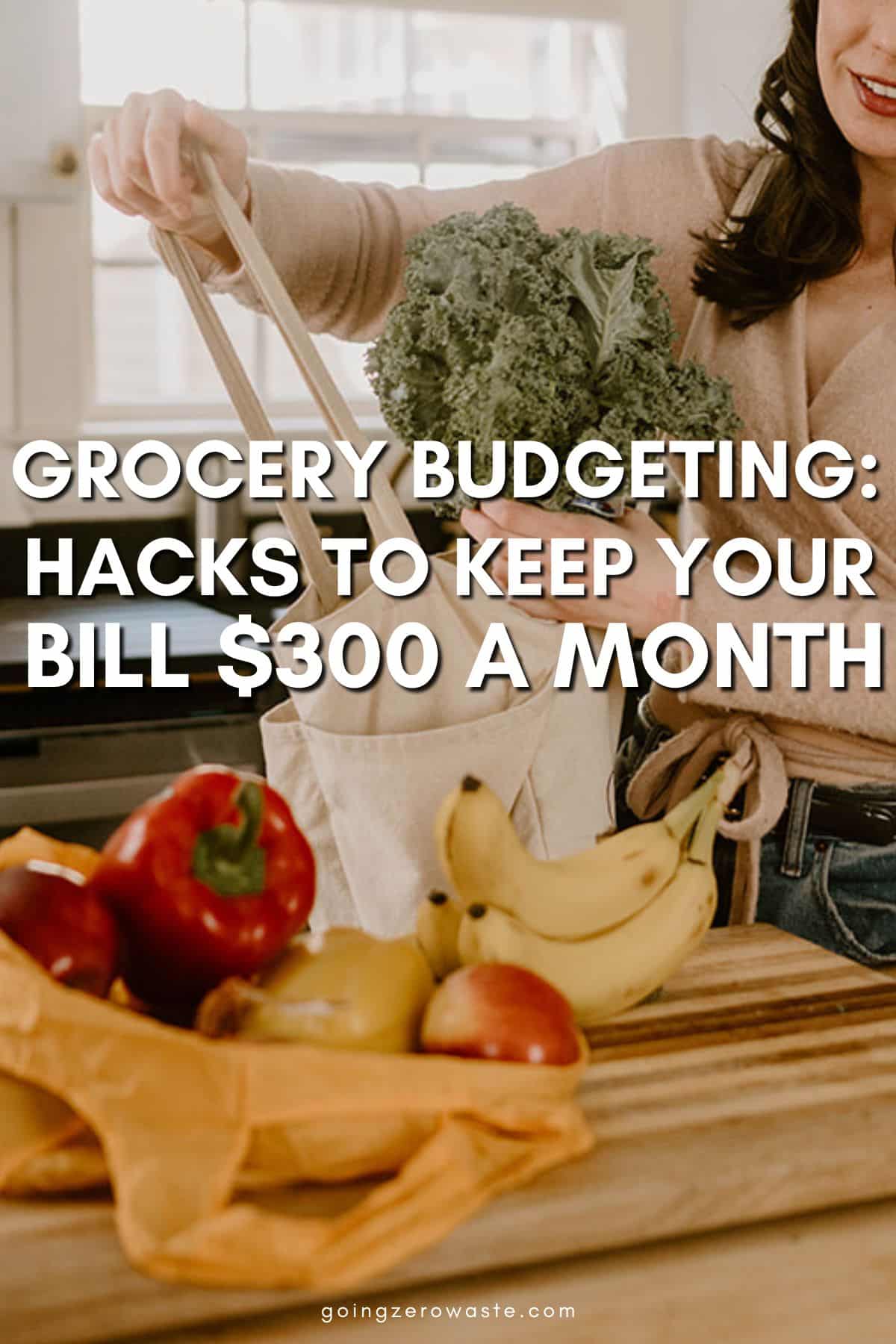
However, a burgeoning movement focused on "zero-waste" and "plant-forward" living suggests that these high costs are not inevitable. Recent case studies in household resource management demonstrate that it is possible to reduce this expenditure to as little as $300 per month—a 62.5% reduction—without compromising nutritional density. This shift is achieved through a combination of rigorous budgeting, strategic procurement, and a return to "from-scratch" food preparation.
The urgency of adopting these strategies is underscored by the USDA’s Food Price Outlook. Economic forecasts for 2026 predict a further 3.6% increase in food prices across all categories. As the "convenience tax" embedded in modern grocery products continues to rise, the ability to optimize household food systems is transitioning from a lifestyle choice to a financial necessity.
Chronology: The Evolution of Food Pricing and Consumer Response
The Pre-Inflationary Baseline
Prior to 2020, food price inflation remained relatively stable, allowing consumers to rely on habitual shopping patterns. The "convenience economy"—characterized by pre-washed salads, shredded cheeses, and canned legumes—became the standard for the American middle class. This period saw a decline in basic culinary skills, such as bread-making and bulk preservation, as time-poverty drove consumers toward value-added, higher-cost products.
The 2021-2024 Shock
The post-pandemic era introduced a series of shocks to the global food system. Energy price spikes, labor shortages, and climate-related crop failures in key agricultural regions led to double-digit inflation in several food categories. It was during this window that the discrepancy between the cost of raw ingredients and processed goods widened significantly.
The Shift Toward Resource Optimization
In response to these pressures, a segment of the population began revisiting domestic economy practices. By 2024, the "Buy Nothing" movement and zero-waste communities gained mainstream traction. These groups emphasized that financial savings and environmental stewardship are intrinsically linked. The transition to a $300 monthly budget for a two-person household is a direct result of this evolution, moving away from reactive spending toward a proactive, systems-based approach to consumption.
Supporting Data: The Economics of the $300 Budget
To understand how a household can thrive on $300 a month while the average spends $800, one must analyze the "micro-efficiencies" of food procurement.
The Convenience Tax vs. Raw Materials
A primary driver of grocery costs is the labor performed by the manufacturer before the product reaches the shelf.
- Cheese: Block cheese is consistently 15-30% cheaper per ounce than shredded cheese. Consumers are effectively paying a premium for the mechanical shredding and the addition of anti-caking agents like potato starch.
- Protein: For meat consumers, buying "bone-in, skin-on" cuts represents a significant saving over deboned, trimmed alternatives. For plant-based households, the margin is even wider: dry beans typically cost $0.10 to $0.15 per serving, whereas canned beans—which include the cost of the tin, water, and processing—range from $0.50 to $0.80 per serving.
The "From-Scratch" Dividend
Domestic production of staples yields the highest return on investment. A standard loaf of artisanal sourdough or sandwich bread can cost between $5.00 and $7.00 at a bakery.
- Calculated Savings: A household consuming two loaves a week spends roughly $14.00. Over a year, this totals $728.00. By using a bread maker (often acquired second-hand via "Buy Nothing" groups) and bulk-purchased flour, the cost per loaf drops to approximately $0.50, reducing the annual expenditure to $52.00—a 92% saving.
Strategic Sourcing
The $300-a-month model relies on a multi-channel procurement strategy:
- Bulk Wholesalers (e.g., Costco): Utilized for shelf-stable grains, flour, and oils.
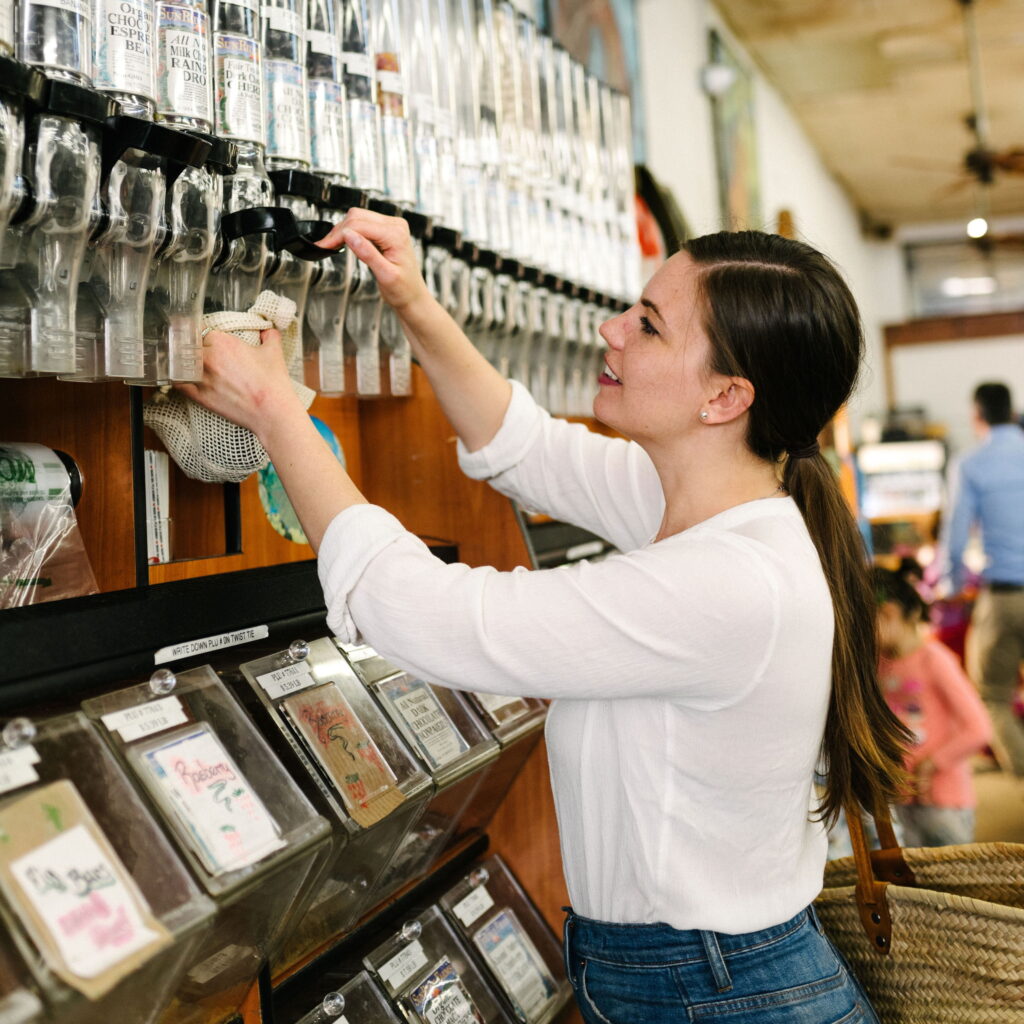
- Bulk Bins: Essential for spices and niche grains (quinoa, lentils) to avoid paying for excess volume and packaging.
- Farmers Markets: Used strategically during peak seasons (Summer/Fall) when supply gluts drive prices below supermarket levels.
- Secondary Markets: Apps like "Too Good To Go" allow households to rescue surplus food from local businesses at 30-50% of the retail price.
Sample Weekly Allocation (Two Persons)
To maintain a $100/week (or $300-$400/month) ceiling, the budget is typically structured as follows:
- Produce (Seasonal/Frozen): $35.00
- Grains/Legumes (Bulk): $15.00
- Dairy/Alternative Proteins: $20.00
- Pantry Staples/Baking: $15.00
- Miscellaneous/Specialty: $15.00
Official Responses: Economic and Nutritional Perspectives
The Economic Outlook
Market analysts suggest that the "stickiness" of food prices means that even as inflation cools, prices are unlikely to return to 2019 levels. "Consumers are facing a new baseline," says Dr. Elena Rodriguez, an agricultural economist. "The 3.6% increase predicted for 2026 is cumulative. Households that do not adapt their procurement strategies will see a continued erosion of their discretionary income."
The Nutritional Standpoint
Critics often argue that low-cost diets are synonymous with low-nutrient "poverty foods." However, nutritionists specializing in "Blue Zones" (regions with the highest longevity) point out that the most nutrient-dense foods are often the cheapest. "A diet centered on beans, rice, seasonal greens, and whole grains is exactly what we see in populations with the lowest rates of chronic disease," states clinical nutritionist Marcus Thorne. "The $300 budget model, when focused on ‘plant-forward’ whole foods, is actually nutritionally superior to a higher-spend budget dominated by processed convenience foods."
Waste Management and Policy
Environmental agencies have also weighed in, noting that the average American household wastes 30% of the food it buys. The zero-waste approach integrated into this budgeting model addresses this inefficiency. By shopping with a physical cash limit and a strict inventory-based list, consumers eliminate the "impulse waste" that accounts for hundreds of dollars in lost value annually.
Implications: Long-Term Financial and Environmental Impact
The shift toward a $300 monthly grocery budget has implications that extend far beyond the kitchen.
Financial Independence
For a couple saving $500 a month by switching from the USDA average to an optimized budget, the long-term financial impact is profound. If that $500 were invested in a low-cost index fund with an average 7% annual return, the household would accumulate over $86,000 in ten years. This highlights grocery budgeting as a pillar of the "FIRE" (Financial Independence, Retire Early) movement.
Environmental Stewardship
The environmental "footprint" of food is largely tied to packaging and transport. By purchasing in bulk and making staples at home, households significantly reduce their contribution to plastic pollution. Furthermore, the emphasis on plant-forward eating reduces the demand for resource-intensive livestock production, which is a leading driver of methane emissions and deforestation.
Scalability and Equity
While the $300 figure is based on a two-person household, the principles are scalable. For larger families, the "per-head" cost often decreases further due to the efficiencies of scale in bulk cooking. However, experts warn that "time-poverty" remains a barrier. Making bread and processing dry beans requires time—a resource that is often scarce for low-income, multi-job households. This suggests a need for community-level interventions, such as bulk-buying cooperatives and community kitchens, to make these savings accessible to all.
Conclusion
The transition from an $800 to a $300 monthly grocery bill is more than a series of "hacks"; it is a fundamental reevaluation of the relationship between the consumer and the food system. By rejecting the "convenience tax," embracing seasonal abundance, and reclaiming domestic production skills, households can insulate themselves against the projected inflationary pressures of 2026 and beyond. In the modern economy, the most effective tool for financial resilience may well be the humble dry bean and a well-used bread maker.

 Iffa Jayyana
 Azzam Bilal Chamdy