


 Reynand Wu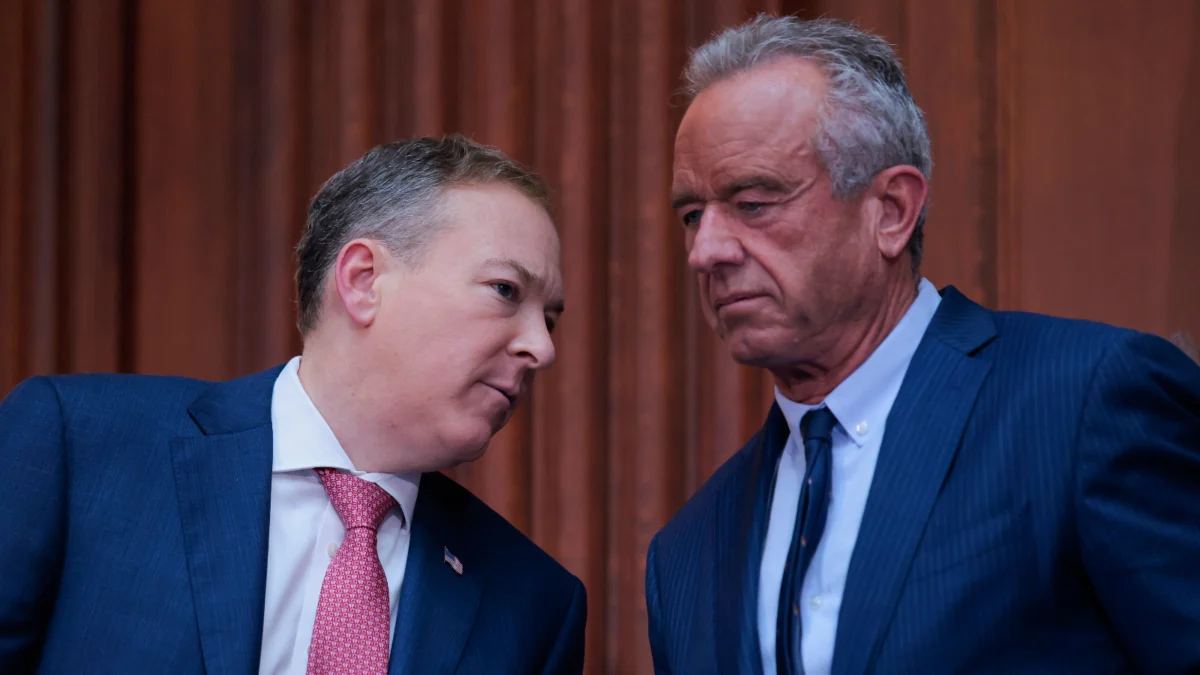
In a move that has sent shockwaves through Hawaii’s environmental and energy sectors, the U.S. Environmental Protection Agency (EPA) has formally intervened to stall a decades-long effort aimed at purifying the archipelago’s skies. By partially denying Hawaii’s 2024 Regional Haze State Implementation Plan (SIP), the federal government has effectively blocked the scheduled retirement of aging, oil-fired power plants that environmentalists describe as "dinosaurs" of a bygone industrial era.
The decision marks a significant shift in federal-state relations regarding the Clean Air Act. It pits the state’s ambitious transition toward 100 percent renewable energy against a newly assertive federal agenda focused on "energy dominance" and the protection of private utility assets. At the heart of the conflict is a fundamental disagreement over whether the federal government should prioritize the aesthetic and respiratory health of national parks or the operational stability and property rights of private utility companies.
Main Facts: A Regulatory Roadblock for Clean Skies
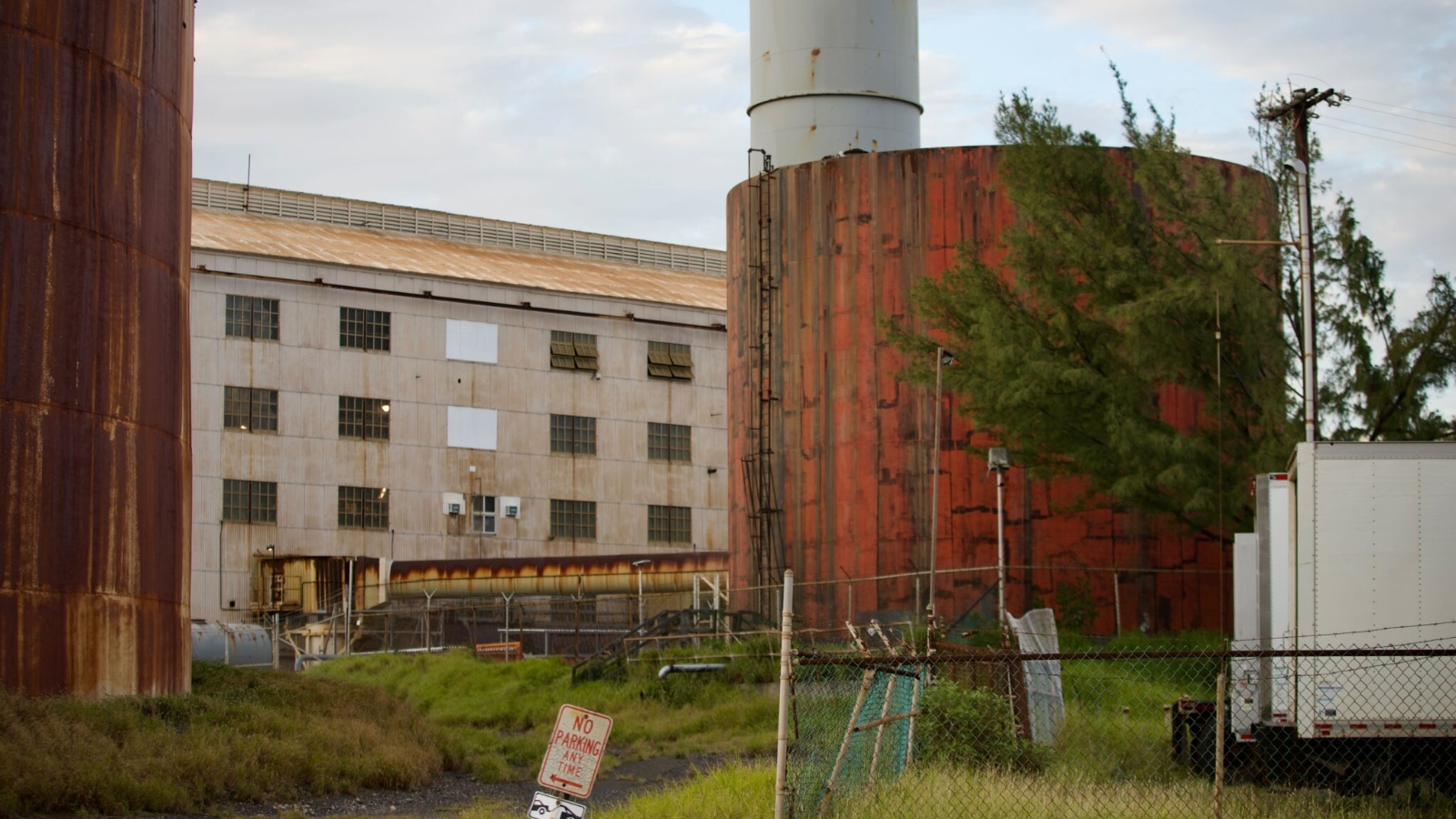
On May 15, 2026, the EPA announced its partial disapproval of Hawaii’s plan to comply with the federal Clean Air Act’s Regional Haze Rule. The primary casualty of this decision was the state’s long-term strategy to shutter at least two major oil-fired generating units: the Kanoelehua-Hill plant on the Big Island and the Kahului power plant on Maui.
The Kahului unit, a relic commissioned in 1948, stands as a symbol of the state’s dependence on imported fossil fuels. Under the original 2024 SIP, these units were slated for decommissioning by 2028. The goal was to reduce the fine particulate matter and man-made pollutants that obscure the vistas of Hawaii’s most iconic landscapes—specifically Hawaii Volcanoes National Park and Haleakalā National Park.
These parks are designated as "Class I" areas under the Clean Air Act, a status that legally mandates the highest level of air quality protection. However, the EPA’s recent reversal suggests that the federal government now views these environmental protections as secondary to "grid reliability" and the prevention of what it terms "unconsented source closures."
The EPA’s rationale introduces a provocative legal argument: that forcing a utility to close a plant without its explicit consent could violate the Takings Clause of the U.S. Constitution. This clause prohibits the taking of private property for public use without "just compensation." By invoking this, the EPA has created a potential loophole that could allow aging industrial facilities across the nation to bypass environmental retirement deadlines.
Chronology: From Cooperation to Confrontation
The path to the current deadlock began with a period of relative alignment between state regulators and the Hawaiian Electric Co. (HECO).
- 2020–2022: As Hawaii pushed forward with its mandate to reach 100 percent renewable energy by 2045, HECO initially signaled a willingness to retire its oldest oil-fired units. This was seen as a cost-effective alternative to installing expensive modern scrubbers and emission-control technologies required by the Department of Health.
- 2024: Hawaii submits its Regional Haze State Implementation Plan (SIP) to the EPA. The plan includes enforceable deadlines for the retirement of the Kanoelehua-Hill and Kahului units by 2028.
- August 2025: A pivot occurs. Karin Kimura, HECO’s director of environmental division, sends a letter to the EPA’s regional administrator. She argues that the retirement deadlines are no longer viable due to delays in renewable energy projects, supply chain disruptions, and permitting hurdles. Crucially, she describes the closures as "forced."
- February 2026: The EPA, under the leadership of Administrator Lee Zeldin, proposes a partial disapproval of the Hawaii plan. The agency aligns with HECO’s concerns regarding grid stability.
- April 2026: The Hawaii Department of Health and a coalition of ten environmental advocacy groups, led by Earthjustice, file formal comments opposing the EPA’s proposal. They argue that HECO had previously agreed to these terms and is now "exploiting" a shift in federal political winds.
- May 15, 2026: The EPA officially denies the core of the state’s strategy, citing constitutional concerns and energy security.
Supporting Data: The Economics of Haze and Health
The implications of the EPA’s decision are not merely legal; they are deeply economic and environmental. Hawaii’s air quality, while generally superior to much of the continental U.S., faces unique challenges.
The Cost of Delay
Environmental advocates point out that the decision to keep "dinosaur" plants running has a direct impact on Hawaii’s residents. Isaac Moriwake, managing attorney for Earthjustice’s mid-Pacific office, noted that HECO has already petitioned the Public Utilities Commission (PUC) for a $45 million annual rate increase. This hike is intended, in part, to cover the costs associated with maintaining and eventually transitioning these aging units. Critics argue that ratepayers are being forced to subsidize the continued operation of inefficient, polluting infrastructure.
The Visibility Equation
The technical side of the Regional Haze Rule involves complex mathematical modeling. The EPA is required to distinguish between "natural" haze (such as volcanic smog or "vog" from Kīlauea) and "anthropogenic" (man-made) pollution.
- Sulfur Dioxide (SO2): Both volcanoes and oil plants emit SO2, which causes respiratory distress.
- The EPA’s New Stance: In its recent filing, the EPA claimed that no current methodology can "fully screen out" volcanic impacts to isolate man-made pollution. This technical skepticism effectively lowers the bar for industrial emissions, as the agency can now claim it is impossible to prove exactly how much a specific power plant is contributing to the haze in a national park.
The Renewable Contrast
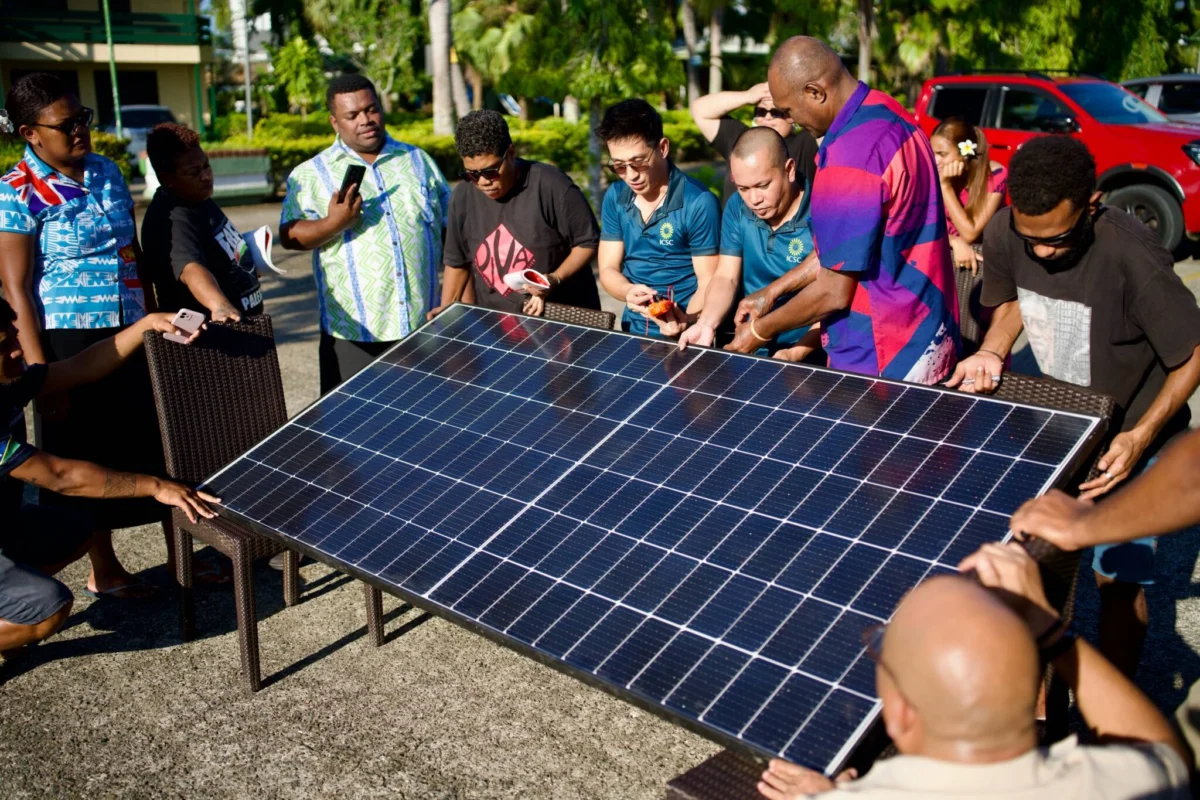
While the state as a whole faces setbacks, data from Kauaʻi provides a counter-narrative. The Kauaʻi Island Utility Cooperative (KIUC) recently secured approval for solar-and-storage projects that could push the island to 90 percent renewable energy by 2030. This suggests that the "grid reliability" issues cited by the EPA and HECO may be specific to the management and scale of the larger island grids, rather than an inherent flaw in renewable technology.
Official Responses: A Divided Regulatory Front
The fallout from the EPA’s decision has drawn sharp rebukes from state officials and environmentalists, while the EPA and HECO maintain a stance of "cautious pragmatism."
The EPA’s Perspective:
Administrator Lee Zeldin’s office has framed the decision as a defense of the American economy. In a press release, the agency stated it is committed to "energy dominance" and ensuring that federal mandates do not result in "unconsented" takings of private property. They maintain that the decision ensures Hawaii’s energy needs are met without risking blackouts on small, isolated island grids.
The State’s Response:
Kenneth Fink, Hawaii’s Director of Health, expressed profound disagreement with the federal intervention. In a letter to the EPA, he stated that the move "directly conflicts with EPA’s previous guidance" and undermines the very purpose of Section 169A of the Clean Air Act. The state argues that the EPA is ignoring the fact that these closures were part of a negotiated strategy to avoid even costlier upgrades.
The Utility’s Position:
Mike DeCaprio, HECO’s vice president of power supply, described the situation as a necessary trade-off. "Reliability on an island grid is a really tough issue," DeCaprio said. He emphasized that while the company still intends to retire the plants, they require "contingency" to keep the lights on if solar and battery projects continue to face delays.
Environmental Advocacy:
Earthjustice and its partners (including the Sierra Club and the National Parks Conservation Association) have labeled the EPA’s logic "arbitrary and capricious." They argue that the "Takings Clause" argument is a legal "bomb" designed to dismantle the regulatory power of the Clean Air Act.
Implications: A New Era of Environmental Litigation?
The EPA’s partial denial of Hawaii’s plan may be a harbinger of a broader national shift in environmental enforcement. By prioritizing "energy dominance" and invoking the Takings Clause, the federal government is signaling a move toward a more deregulated industrial landscape.
1. The "Regulatory Taking" Precedent
If the EPA’s argument holds, it could fundamentally change how the Clean Air Act is enforced. If a state-mandated plant closure is viewed as a "taking," the government might be required to pay billions of dollars to utilities to convince them to shut down polluting facilities. This would effectively move the financial burden of the green transition from corporations to taxpayers.

2. Public Health and Tourism
For Hawaii, the immediate impact is felt in the air. The failure to retire the Kanoelehua-Hill and Kahului plants means continued emissions of nitrogen oxides and sulfur dioxide in proximity to residential areas and national parks. For a state whose economy is built on the image of pristine natural beauty, the persistence of "hazy skies" could have long-term repercussions for the tourism industry.
3. The Renewable Energy Headwinds
The decision highlights the "near-term noise" facing renewable energy. Federal tariffs on solar components and the reduction of tax credits have slowed the momentum of green projects. However, as Jeff Mikulina of Climate Hawai‘i points out, the "long-term signal" remains clear: renewable technology and storage are becoming cheaper. The conflict in Hawaii is a microcosm of the global struggle to bridge the gap between an aging fossil fuel infrastructure and a decentralized, renewable future.
As the legal battle moves into the courts, Hawaii finds itself at the center of a national debate over the limits of federal power and the definition of environmental justice in the 21st century. The "dinosaur" plants of Maui and the Big Island will continue to smoke for now, their chimneys serving as a stark reminder of the volatile intersection of politics, property, and the air we breathe.


 Iffa Jayyana
 Azzam Bilal Chamdy