



 Asro
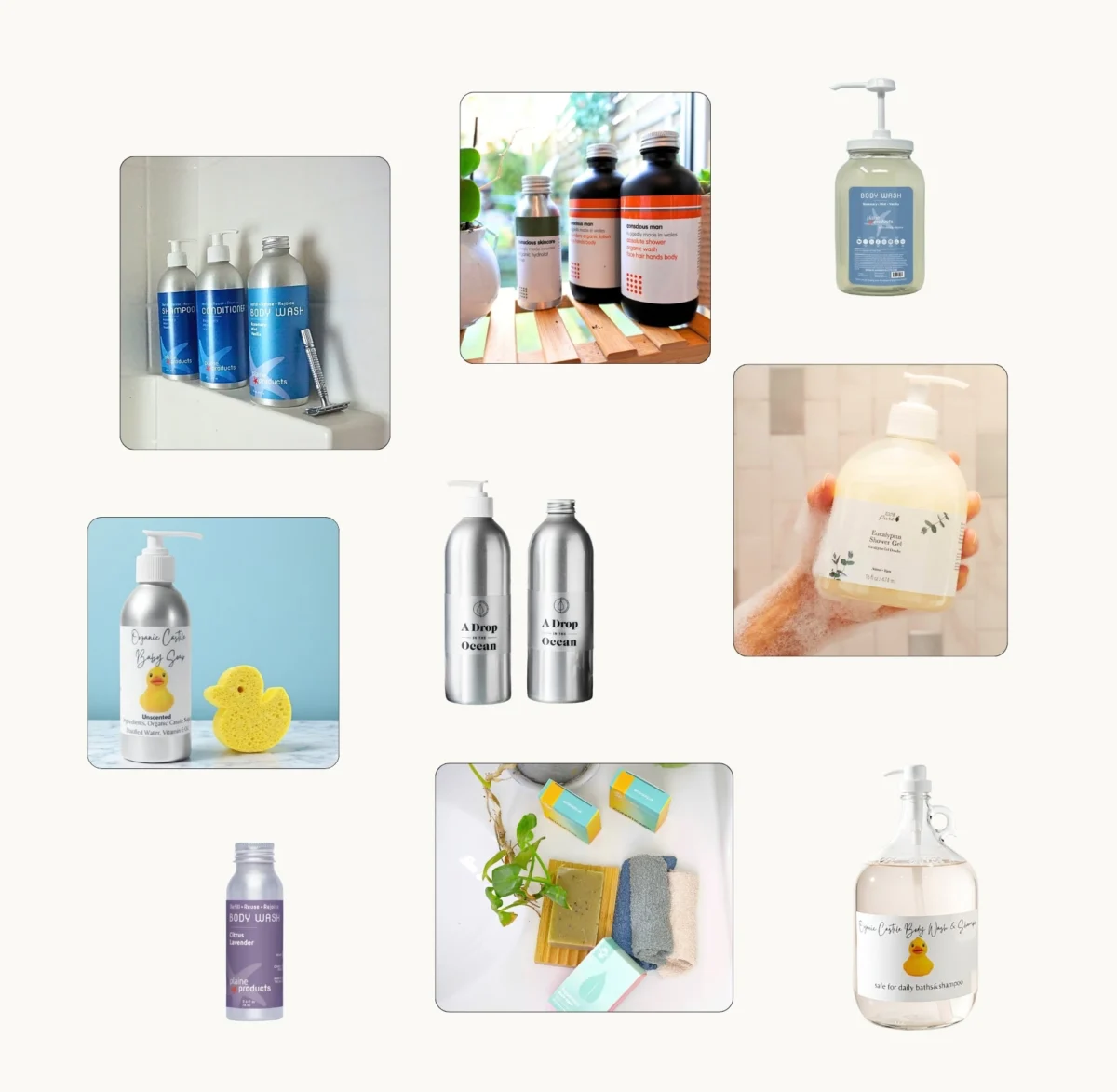
Main Facts: The Evolution of the Sustainable Shower
The global personal care industry is currently undergoing a radical transformation, driven by a growing intersection of consumer health concerns and environmental urgency. For decades, the "standard" body wash found on supermarket shelves has been characterized by two primary factors: a cocktail of synthetic surfactants and a reliance on single-use plastic packaging. However, recent market data indicates a decisive pivot. According to industry analysts, the "clean beauty" market—valued at approximately $7 billion in 2022—is projected to nearly double by 2030.
This shift is not merely aesthetic. It represents a fundamental rejection of "mystery chemistry" in favor of ingredient transparency and "circular" logistics. Leading the charge are boutique and mission-driven brands that prioritize biodegradable formulations, plastic-free delivery systems, and rigorous third-party certifications. From refillable aluminum bottles that bypass the landfill to "syndet" bars that respect the skin’s delicate pH, the modern shower is becoming a focal point for the broader sustainability movement.

Chronology: From Ancient Saponification to the Synthetic Boom—and Back
The history of washing is a story of technological cycles. For millennia, humanity relied on true soap—the result of saponification, a chemical reaction between fats (animal or vegetable) and an alkali (like lye). This process created effective, if occasionally harsh, cleansers that were inherently biodegradable.
The mid-20th century marked a significant departure. Following World War II, the rise of the petrochemical industry led to the development of synthetic detergents. These "liquid soaps" were cheaper to produce, easier to scent with synthetic perfumes, and capable of producing

the voluminous foam that consumers began to associate with cleanliness. This era also saw the birth of the plastic bottle, which provided a lightweight, shatterproof vessel for these new liquid formulations.
By the early 2000s, the environmental cost of this convenience became undeniable. The "Great Pacific Garbage Patch" and the discovery of microplastics in human tissues sparked a legislative and consumer backlash. By the 2010s, the "Zero Waste" movement gained traction, prompting a return to solid bars. Today, the chronology has entered its most sophisticated phase: the "Refill Revolution." Brands are now utilizing 19th-century materials—aluminum and glass—paired with 21st-century logistics to create a circular economy where packaging never becomes waste.

Supporting Data: A Deep Dive into Non-Toxic Formulations
The push for non-toxic body wash is rooted in the "Precautionary Principle"—the idea that if an ingredient has suspected risks, it should be avoided even if scientific consensus is still evolving. To understand the impact of these brands, one must look at the specific chemicals they are replacing.
The "Avoid" List: Why Ingredients Matter
- Sulfates (SLS/SLES): These are the primary foaming agents. While effective at removing oil, sodium lauryl sulfate (SLS) is a known skin irritant. Its sibling, sodium laureth sulfate (SLES), often undergoes "ethoxylation," a process that can leave behind traces of 1,4-dioxane, a suspected human carcinogen.
- Parabens: Used as preservatives, parabens are endocrine disruptors that can mimic estrogen in the body. Although the FDA maintains they are safe at low levels, many consumers opt for paraben-free formulas to avoid cumulative exposure.
- Synthetic Fragrance: Under US law, the term "fragrance" is a trade secret. A single "fragrance" label can hide dozens of undisclosed chemicals, including phthalates, which are linked to reproductive toxicity.
- Formaldehyde Releasers: Chemicals like DMDM hydantoin do not contain formaldehyde initially but slowly release it over time to prevent bacterial growth.
Leading Brands and Their Methodology
To address these concerns, a select group of brands has developed alternatives that satisfy both dermatological and ecological standards.

- Refillable Liquids (Plaine Products & A Drop In The Ocean): These companies utilize "closed-loop" systems. Plaine Products, a Certified B Corp, uses an aloe-based formula instead of water-thinning, housed in aluminum bottles that customers return for cleaning and refilling. Similarly, A Drop In The Ocean offers a coconut-oil-based wash with a prepaid return label system, significantly reducing the carbon footprint associated with new packaging production.
- Specialized Care (Butterfly & Bee): Focusing on the most sensitive demographics, this brand utilizes a minimalist castile soap base (organic coconut, olive, and jojoba oils). By stripping away fragrances and complex thickeners, they eliminate the primary triggers for contact dermatitis.
- Solid Innovation (Meliora & HiBAR): While Meliora focuses on the MADE SAFE® certification—the gold standard for ingredient purity—HiBAR has innovated the "syndet" bar. Unlike traditional soap bars, which have a high (alkaline) pH that can disrupt the skin barrier, HiBAR’s pH-balanced bars use coconut-derived cleansers to maintain the skin’s natural acidity.
- High-Performance Organics (100% PURE & EcoRoots): These brands leverage the power of cold-pressed oils. EcoRoots hand-makes small batches to preserve the integrity of the essential oils, while 100% PURE replaces water with organic aloe juice, ensuring every drop provides skin-soothing benefits.
Official Responses and Regulatory Landscape
The regulatory environment for personal care products is a patchwork of varying international standards. The European Union is significantly more restrictive, having banned or restricted over 1,300 chemicals in cosmetics. In contrast, the United States’ FDA has historically banned fewer than 20.
However, the "Official Response" in the US is changing at the state level. California’s Toxic-Free Cosmetics Act, which begins enforcement in 2025, bans 24 toxic chemicals, including several phthalates and formaldehyde releasers. Washington and Maryland have followed suit with similar legislation.

Industry experts argue that these state-level mandates are forcing a "de facto" national standard, as brands find it inefficient to produce different formulations for different states. Dr. Amber McDaniel, a sustainability researcher, notes, "We are seeing a shift where third-party certifications like EWG Verified and MADE SAFE are becoming more influential than federal regulations. Consumers no longer wait for the government to tell them a chemical is safe; they look for the seal of an independent lab."
Implications: The Future of the Skin Microbiome and the Planet
The implications of choosing non-toxic body wash extend beyond individual health to the health of the global ecosystem.

Environmental Impact
A 2018 study published in the journal Science revealed a startling fact: everyday chemical products, including soaps and perfumes, now contribute as much to atmospheric fossil-fuel VOC (volatile organic compound) emissions as motor vehicles. By switching to essential-oil-based scents and biodegradable cleansers, consumers are directly reducing urban air pollution. Furthermore, the transition to bars or refills addresses the "weight problem" in shipping. Liquid body wash is roughly 80-90% water; shipping concentrated bars or refillable containers drastically reduces the fuel consumption and carbon emissions of the global supply chain.
The Biological Frontier
Dermatologists are increasingly focusing on the "skin microbiome"—the ecosystem of beneficial bacteria living on our surface. Traditional, high-sulfate body washes act like "broad-spectrum antibiotics" for the skin, wiping out beneficial microbes and leaving the barrier vulnerable to eczema and acne. The move toward "natural" and pH-balanced cleansers suggests a future where personal care is about supporting the skin’s biology rather than stripping it bare.

The Economic Shift
For the consumer, the "implication" is often financial. While a $15 aluminum-bottled wash or a $12 organic bar may seem more expensive than a $4 plastic bottle of conventional detergent, the "cost per wash" is often comparable. Concentrated formulas require less product per use, and the long-term health and environmental "externalities"—the cost of plastic cleanup and healthcare for skin conditions—are significantly lower.
Final Perspective
The transition to natural and non-toxic body wash is not a retreat into the past, but a sophisticated leap forward. By combining the ancestral wisdom of plant-based oils with modern circular logistics and dermatological science, these 11 brands are proving that the daily ritual of the shower can be a powerful act of environmental and personal stewardship. As transparency becomes the new industry standard, the "chemistry class" in the shower is finally being replaced by a cleaner, more sustainable reality.


 Nana Wu

 Azzam Bilal Chamdy