

 Reynand Wu
Executive Summary: A Race Against Time
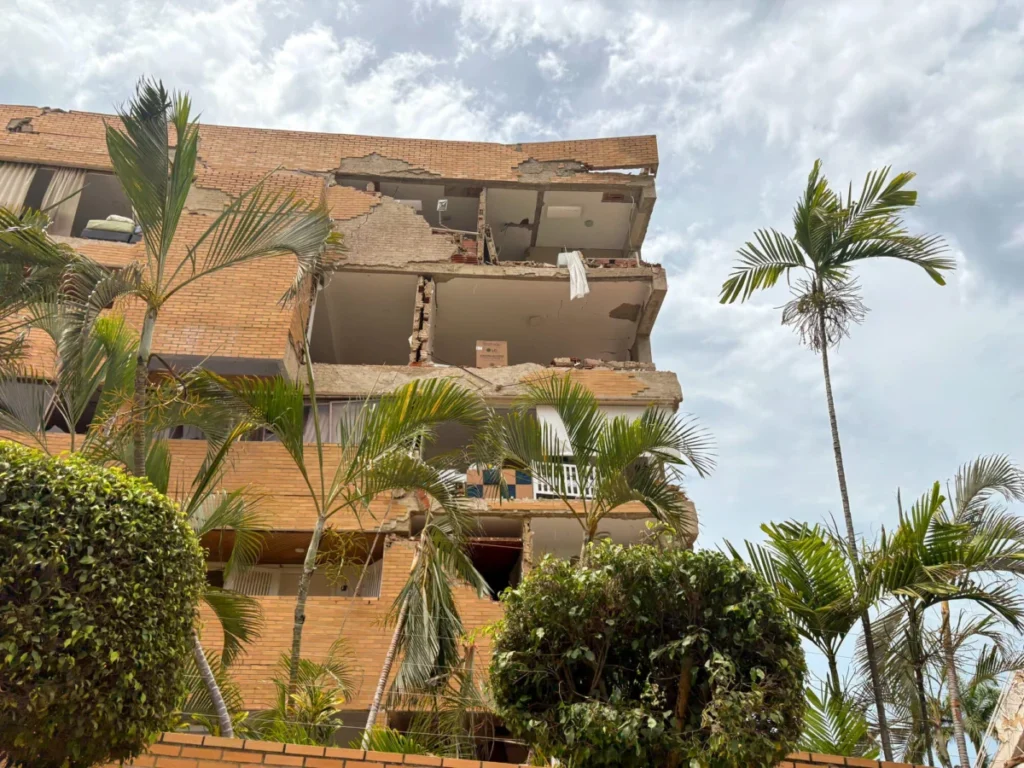
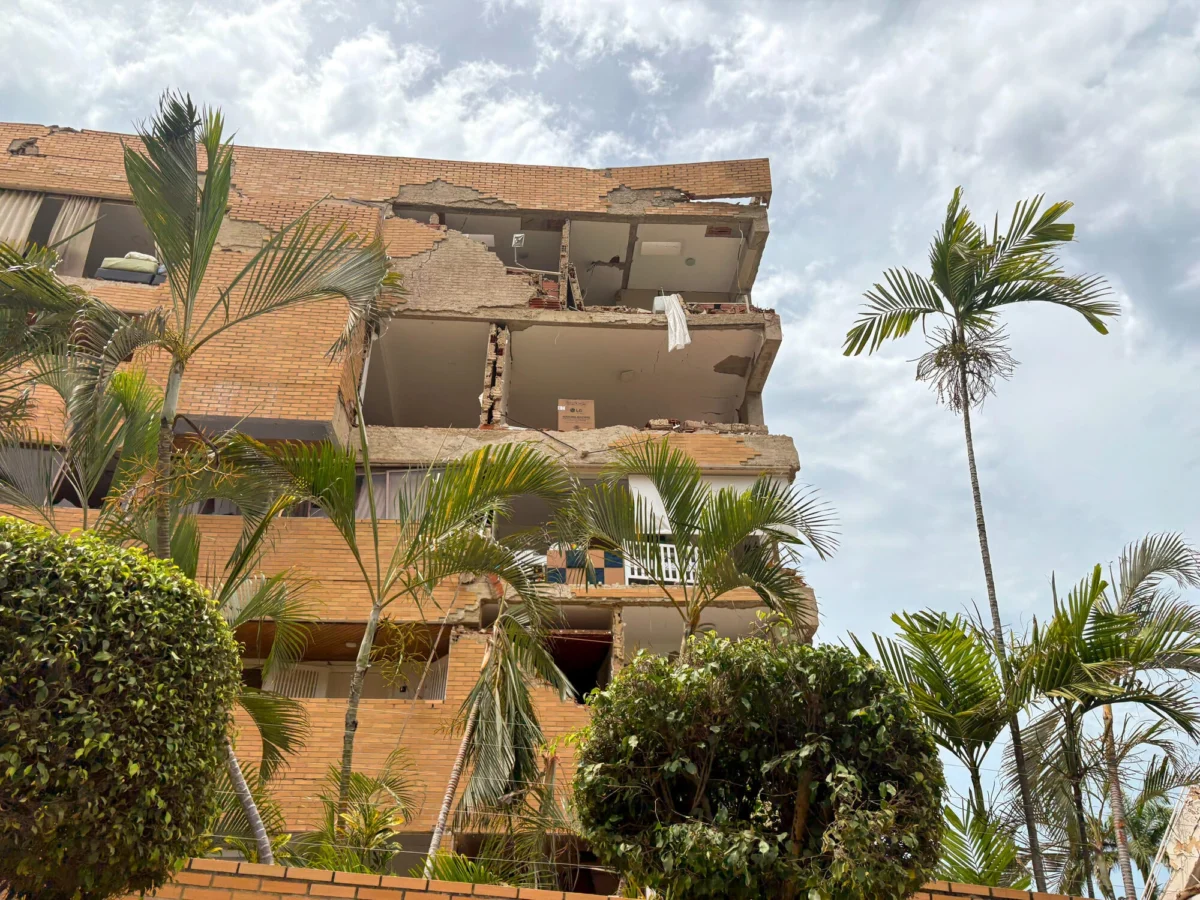
In the immediate aftermath of the catastrophic earthquake that rocked Venezuela, the humanitarian landscape shifted in an instant. As infrastructure buckled and local medical facilities faced an overwhelming influx of trauma patients, Médecins Sans Frontières (MSF)—Doctors Without Borders—emerged as one of the few international organizations capable of mobilizing within the critical first 24 hours.
The seismic event, which struck with devastating force, left thousands injured and nearly 18,000 individuals displaced. By deploying specialized teams from Caracas to the hardest-hit regions of La Guaira, MSF has effectively transitioned from emergency trauma care to long-term support for displaced communities. Their intervention encompasses a multi-pronged strategy: replenishing exhausted medical supplies, operating mobile health clinics, and addressing the dire sanitation needs that threaten to trigger secondary public health crises.
Chronology: The First Hours and the Path to Stability
The Immediate Aftermath
The day following the quake, the situation on the ground was chaotic. Local hospitals, struggling with power outages and structural damage, saw their emergency stocks depleted within hours. Recognizing the urgency, MSF teams broke through the logistical hurdles to reach La Guaira, a region that bore the brunt of the seismic impact.
Week 1: Stabilizing the Medical Infrastructure
During the first week, MSF’s primary objective was the stabilization of the local healthcare network. By donating 8.5 tons of medical supplies and emergency trauma kits, MSF bridged a life-saving gap for approximately 10,000 injured survivors. Simultaneously, the organization recognized the grim reality of the disaster by providing the central morgue with essential supplies, including 1,000 body bags, disinfectants, and personal protective equipment (PPE), ensuring that the dignity of the deceased and the safety of morgue workers were maintained.
Weeks 2–4: Transitioning to Mobile Care
As the acute trauma phase subsided, the focus shifted to the growing population of displaced persons. Recognizing that survivors were congregating in informal settlements—such as public parks and stadiums—MSF launched a robust mobile clinic strategy. This phase saw the deployment of a 12-person multidisciplinary team, comprised of medical doctors, psychologists, nurses, and environmental health specialists, tasked with navigating the precarious conditions of the displacement sites.
Supporting Data: The Scope of the Crisis
The scale of MSF’s intervention is evidenced by the metrics collected during the first month of operations:
- Medical Consultations: Teams have successfully conducted 2,217 individual patient consultations in the cities of Naiguatà and Catia La Mar.
- Clinical Priorities: The data reflects a concerning trend in morbidity. The primary ailments treated include acute diarrhea, respiratory infections, and skin conditions—all of which are direct byproducts of overcrowding and the lack of sanitation in emergency shelters.
- Logistical Support: The donation of 8.5 tons of medical supplies underscores the sheer volume of resources required to keep regional hospitals functioning.
- Displacement Impact: With 18,000 people currently living in informal, often unsanitary conditions, the potential for disease outbreaks remains the single largest threat to public health.
The Humanitarian Response: A Multifaceted Approach
Operating Mobile Clinics in High-Need Areas
MSF’s mobile clinics are not merely temporary solutions; they are critical lifelines for populations that have been physically and economically severed from the formal healthcare system. By maintaining permanent presence in Playa Verde, Caracas, and the La Guaira state, MSF ensures that the most vulnerable—the elderly, children, and those with chronic health conditions—receive consistent monitoring.
The inclusion of psychologists within these mobile teams is a strategic necessity. Disaster-related trauma often manifests long after the shaking stops, and by integrating mental health first aid into their primary care, MSF is addressing the psychological scarring that accompanies large-scale displacement.
Mitigating the Risk of Disease Outbreaks
In the wake of an earthquake, the collapse of water and sanitation infrastructure creates a breeding ground for pathogens. MSF’s environmental health specialists have prioritized the monitoring of waterborne diseases, as well as the prevention of mosquito-borne illnesses such as Dengue, Zika, and chikungunya.
"Sanitation is not secondary; it is the frontline of defense," a lead MSF coordinator noted. The organization’s efforts involve a comprehensive assessment of local water sources, followed by the chlorination of supplies and the construction of emergency latrines. By providing hygiene kits and facilitating water trucking, MSF is preventing the secondary disaster of a widespread epidemic.
Official Responses and Strategic Implications
The Gap in Formal Infrastructure
While the response of local volunteers and grassroots organizations has been commendable, the sheer scale of the 18,000 displaced individuals exceeds the capacity of informal aid. Many settlements in Caracas parks and stadiums lack the plumbing, waste management, and organized filtration systems required for long-term habitation.
MSF is actively coordinating with local stakeholders to identify "blind spots"—communities that have been overlooked due to their remote location or lack of political visibility. These exploratory missions are vital to ensuring that the aid reaches the most marginalized, rather than just those in the most visible urban centers.
Mental Health as a Pillar of Recovery
One of the most significant lessons MSF brings from previous global earthquake responses is the importance of mental health. The psychological impact of losing one’s home and livelihood is a significant hurdle to community recovery. MSF’s integration of psychological support into their mobile teams is a recognition that recovery is as much about restoring human dignity as it is about physical health.
Future Outlook: Moving Toward Long-Term Recovery
As the emergency response continues, MSF is evaluating the transition from reactive care to proactive community resilience. The future of their response will likely focus on three key areas:
- Sustainable Sanitation: Moving beyond emergency latrines to more durable sanitation solutions that can support the displaced until permanent housing can be secured.
- Disease Surveillance: Maintaining rigorous tracking of waterborne and vector-borne diseases to catch potential outbreaks before they overwhelm local clinics.
- Advocacy for the Displaced: Continuing to act as an advocate for the 18,000 displaced, ensuring that their health needs remain on the agenda for regional and national authorities as the reconstruction phase begins.
The Challenges Ahead
The road to recovery for Venezuela will be long and arduous. The earthquake did not just break infrastructure; it exposed the vulnerabilities of an already strained medical system. MSF’s presence remains a critical bridge, but the organization emphasizes that the humanitarian community must prepare for a prolonged engagement.
As the initial shock fades, the risk of complacency grows. MSF remains committed to staying in the field, conducting exploratory visits to ensure that as the situation evolves, their resources are deployed where the suffering is greatest. By focusing on both the immediate medical needs and the systemic health risks, MSF is not only treating patients today but also building a barrier against the health catastrophes of tomorrow.
Concluding Note:
The response to the Venezuelan earthquake serves as a testament to the importance of specialized, mobile, and rapid humanitarian intervention. As MSF continues its work, the focus remains clear: providing dignified care to the vulnerable, filling the gaps in a broken medical system, and ensuring that the health of the displaced is protected at all costs. The resilience of the survivors is matched only by the persistence of those providing them with the care and hope they so desperately need.

 Layla Zulfa






