



 Laily UPN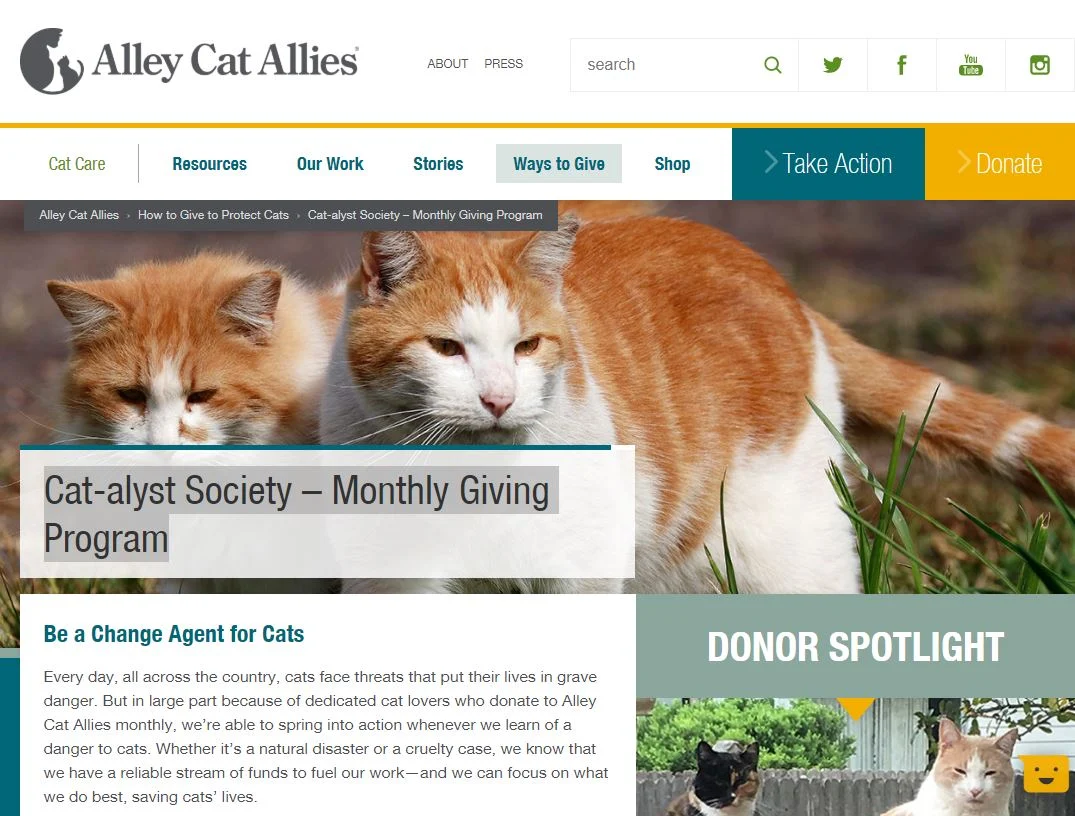
The landscape of charitable giving has undergone a radical transformation since the late 20th century. What began as a nascent digital experiment in 1999—marked by the release of the first "Donate Now" button—has matured into a sophisticated, data-driven ecosystem. Today, online fundraising is the lifeblood of the global nonprofit sector, yet many organizations continue to struggle with outdated methodologies. By synthesizing over two decades of technological innovation and donor behavioral research, we can identify ten critical pillars that define modern digital fundraising success.
A Brief Chronology of Digital Giving
To understand the current state of nonprofit technology, one must look back at the technological milestones that paved the way:

- 1998: The launch of Constant Contact introduces nonprofits to the power of mass email marketing.
- 1999: Groundspring (a project of the Tides Foundation) releases the first widely recognized "Donate Now" button, standardizing the act of online contribution.
- 2003: WordPress enters the scene, eventually becoming the backbone for 58% of nonprofit websites worldwide.
- 2005: The rise of Myspace and subsequent social networking platforms fundamentally changes how nonprofits communicate, shifting the focus from static websites to community engagement.
- 2023–Present: The consolidation of fundraising platforms—such as Bonterra’s acquisition of Network for Good—signals a move toward integrated, all-in-one donor management ecosystems.
1. Mastering the Donation Page Experience
Despite billions of dollars raised online, a persistent "friction gap" remains. Many nonprofits inadvertently complicate the donor journey with excessive form fields or non-mobile-friendly layouts.
Modern best practices dictate that donation pages must be minimalist, mobile-optimized, and frictionless. A donation page is not a data-collection survey; it is a conversion tool. The American Cancer Society, for instance, sets a gold standard by offering a streamlined form that supports multiple payment methods (Credit Card, PayPal, Bank Account), monthly giving toggles, and tribute gift options—all on a single, responsive interface. By minimizing the time between a user’s intent and the transaction, organizations significantly reduce cart abandonment rates.

2. The Strategic Shift to Monthly Giving
Recurring revenue is the "holy grail" of sustainable nonprofit finance. Data from the Recurring Giving Report indicates that monthly donors contribute an average of $74 per month, totaling $888 annually—a significant lifetime value compared to one-time givers. Furthermore, the M+R Benchmarks Report notes that monthly giving now accounts for 27% of all online revenue.
To capitalize on this, organizations should move beyond a simple "check box" for monthly giving. Best practices involve creating a dedicated landing page—such as yournonprofit.org/givemonthly—that exclusively highlights the long-term impact of consistent support. This page should be the destination for all recurring-giving marketing efforts in both print and digital channels.

3. Institutionalizing Tribute Giving
Tribute giving—donations made in honor, memory, or celebration of someone—is an underutilized revenue stream. Research from the Online Donor Feedback Survey shows that 46% of online donors have participated in tribute giving.
Forward-thinking organizations like The Nature Conservancy provide separate, dedicated pathways for memorial and special occasion gifts. By explicitly allowing donors to trigger notification cards or digital acknowledgments, nonprofits transform a standard donation into a meaningful social act. This strategy should be promoted heavily during major holidays and peak gifting seasons, such as birthdays, where the "gift of a donation" is increasingly popular among younger, socially conscious demographics.

4. The Enduring Power of Email Fundraising
Despite the rise of social media, email remains the most potent tool for donor conversion. The Online Donor Feedback Survey confirms that 33% of donors cite email as the primary inspiration for their giving, compared to 29% for social media.
A critical red flag for any nonprofit is a website that does not invite an email sign-up within the first five seconds of a visit. With an average return of $1.11 per email contact, list growth is not merely a marketing metric; it is a direct revenue driver. Nonprofits must prioritize building their own "owned" audience, as reliance on algorithm-driven platforms like Facebook or Instagram leaves organizations vulnerable to policy shifts.

5. Prioritizing Donor Retention
The nonprofit sector faces a retention crisis, with an abysmal 43% average retention rate. This means that for every 100 donors gained, 57 are lost annually. While acquisition via social media is seductive, retention is where true financial health is built.
To stem the tide, organizations must pivot from "transactional" communication to "impact-based" storytelling. Donors are not ATMs; they are partners. Effective retention strategies include:

- The 48-Hour Thank You: A personalized, non-solicitation follow-up.
- Impact Reporting: Sending regular updates that explicitly connect a donor’s specific gift to a tangible project outcome.
- Segmented Engagement: Treating micro-donors with the same gratitude as major donors to prevent "donor churn."
6. Leveraging the Matching Gift Multiplier
Matching gifts function as an psychological catalyst, increasing donation likelihood and size. Research suggests that communicating a match can boost revenue by up to 19%.
Nonprofits should not wait for large corporate partners to fall into their laps. Local businesses are often eager to sponsor $2,000–$5,000 campaigns in exchange for brand visibility. Furthermore, utilizing tools like Double the Donation allows donors to search their employer’s corporate matching policies directly on the donation form. This removes the "mental friction" of verifying eligibility and helps donors maximize the impact of their contribution.

7. Crowdfunding and Peer-to-Peer (P2P) Fundraising
Crowdfunding is the democratization of fundraising. By setting a specific, tangible goal—such as the $56,935 needed by Partners In Health for an ambulance—nonprofits provide donors with a clear finish line.
Peer-to-peer fundraising, where supporters create their own pages to solicit funds from their personal networks, scales this effect exponentially. Data shows that first-time P2P fundraisers raise an average of $222, while repeat fundraisers raise $501. Integrating P2P tools into a nonprofit’s CRM ensures that these new donors are tracked and properly stewarded into the donor pipeline.

8. Navigating Meta’s Fundraising Tools
With over $6 billion processed through Facebook and Instagram, Meta’s fundraising tools are too significant to ignore. The user experience is seamless, often allowing for "one-click" donations.
While some nonprofits hesitate due to the lack of donor data (Meta does not always provide full contact information for every donor), the benefit of reaching a massive, active donor base often outweighs the data limitations. The key is to view Meta tools as a top-of-funnel acquisition strategy. When combined with a robust email capture strategy, these platforms can act as a powerful engine for identifying and engaging new supporters.

9. Capitalizing on Cause Awareness Days
Giving days (e.g., GivingTuesday, Earth Day) act as high-intensity, high-reward periods. A successful giving day campaign requires a minimum six-week lead time. This involves pre-campaign teaser content, the recruitment of "ambassadors" to amplify the message, and a clear, urgent narrative. Organizations that view these days as mere "email blasts" often fail, while those that treat them as holistic, omnichannel campaigns consistently see spikes in year-over-year revenue.
10. The Necessity of a Robust CRM
Finally, the foundation of all these practices is a high-functioning Customer Relationship Management (CRM) platform. A modern CRM does more than store addresses; it automates segmentation, tracks engagement, and integrates with third-party tools like Constant Contact or Eventbrite. If your staff is spending hours manually reconciling spreadsheets, your technology is holding your mission back. Investing in modern, cloud-based CRM solutions—such as Virtuous, Raisely, or Givebutter—is the most important infrastructure decision an organization can make.

Implications for the Future
The digital landscape is not static. As privacy laws tighten and donor preferences shift toward mobile and social giving, nonprofits must remain agile. The goal of digital marketing and fundraising is not to master every new trend, but to master the fundamentals of human connection, transparency, and impact, using technology as the bridge between donor intent and societal change. By implementing these ten best practices, nonprofits can ensure they are not just surviving the digital age, but thriving within it.

 Ammar Sabilarrohman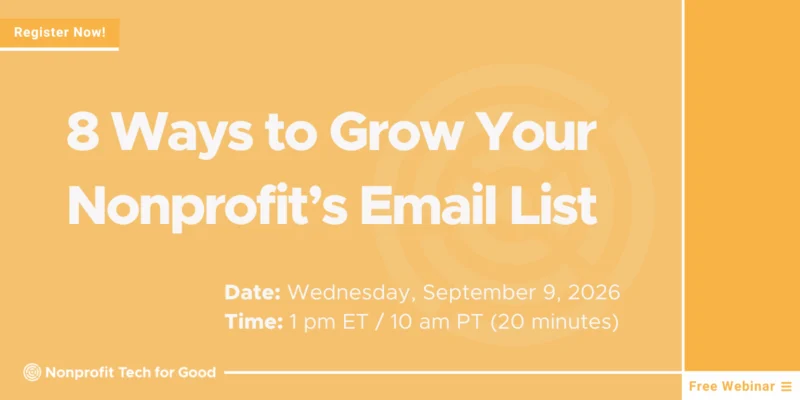
 Evan Lee Salim