


 Basiran
In an era defined by constant digital encroachment, where the average person’s morning is hijacked by a barrage of emails, breaking news headlines, and the urgent demands of others, a new methodology for reclaiming personal agency is gaining traction. This practice, coined "Energy Design" or the "Pick 6" habit, shifts the focus of daily planning from the traditional, rigid "To-Do" list to a more fluid, intentional approach centered on emotional and energetic states.
By choosing six "vibe words" each morning before engaging with the outside world, practitioners argue they can set a subconscious framework that guides their actions, decisions, and overall temperament for the hours ahead.
The Chronology of a Conscious Morning
The efficacy of the "Pick 6" method relies heavily on the timing of its execution. For its primary proponents, the ritual begins in the quiet hours of the early morning—typically around 5:00 a.m. This period is described as a high-leverage "window of neutrality" before the world’s external agendas begin to exert pressure.
A typical morning for a practitioner follows a strict, deliberate sequence:
- Physical Activation: A 30-minute run or similar physical movement to circulate blood and clear the mind.
- Nutritional Grounding: A mindful breakfast.
- Reflective Stillness: A period of meditation or quiet contemplation on the patio or a dedicated space.
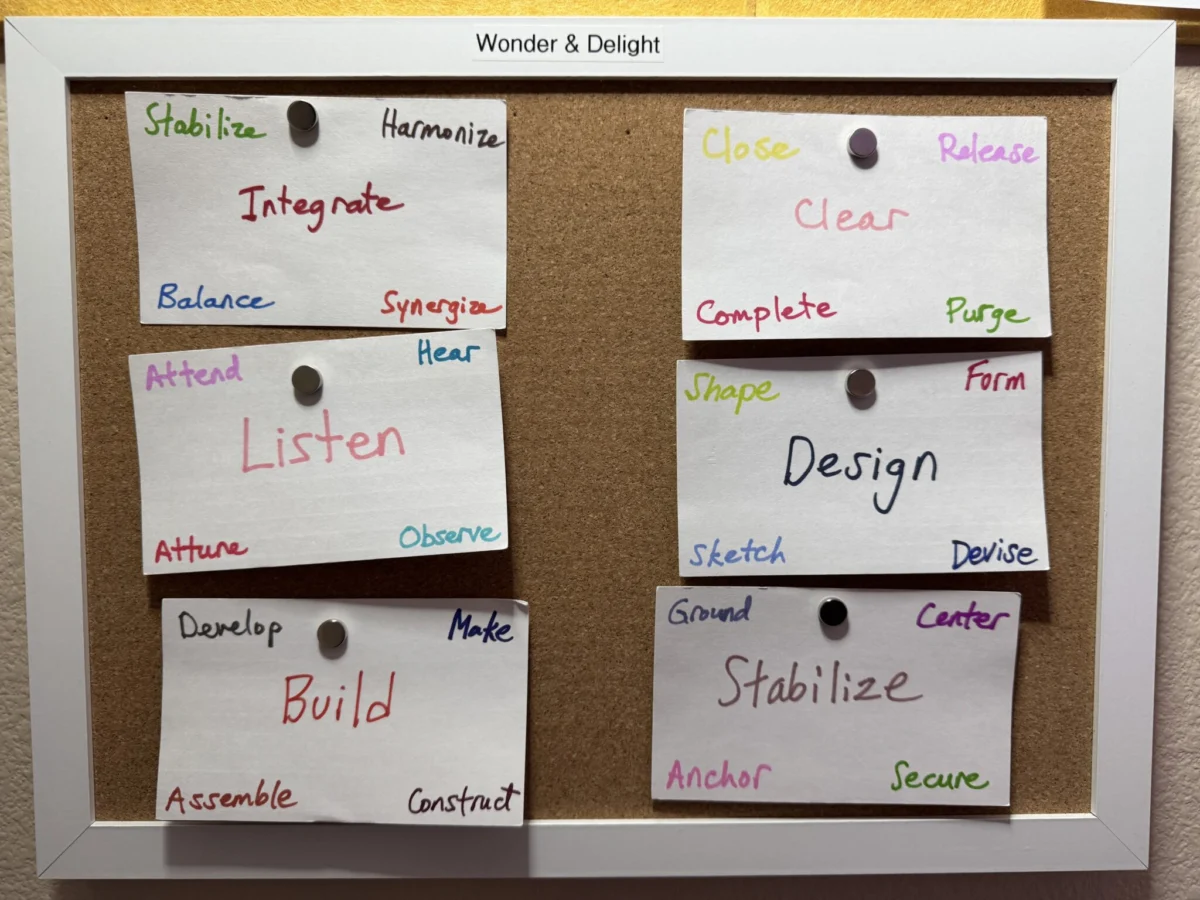
- The "Pick 6" Ritual: Selecting six physical index cards—each inscribed with a specific energetic verb—to define the day’s "vibescape."
This sequence is designed to move the individual from a passive recipient of external stimulation to an active architect of their own reality. By the time the rest of the world wakes up and begins to impose its urgency, the individual has already established a psychological "north star."
The Mechanics of "Vibe Design"
The core of the practice is the use of a curated deck of index cards. Each card serves as a catalyst for a specific state of being. Unlike a task list, which focuses on output, these cards focus on input—the internal experience of the day.
The Anatomy of the Cards
Each index card is crafted with a central "vibe word" and four secondary, related words in the corners. The choice of verbs is intentional; proponents argue that energy is dynamic, and by using verbs like Ignite, Flow, Savor, Immerse, Explore, or Stabilize, the user views their day as a series of movements rather than a list of static obligations.
The Power of Subtraction
Perhaps the most counterintuitive element of the "Pick 6" ritual is the role of the cards that are not chosen. In a typical session, a user might lay out a dozen or more candidates, slowly whittling them down to the final six. This process of elimination is viewed as a form of energetic editing. By consciously rejecting certain states—for example, choosing Stabilize over Accelerate—the user provides themselves with implicit permission to ignore specific types of pressures throughout the day.
Supporting Data: The Psychology of Priming
While the "Pick 6" method may appear purely subjective, it finds support in established psychological principles, most notably "priming." Priming occurs when an individual’s exposure to a stimulus influences their response to a subsequent stimulus without conscious guidance.
By "priming" oneself with specific intentions at the start of the day, an individual creates a cognitive filter. When faced with a conflict at 2:00 p.m., a person who has primed themselves for Flow is statistically more likely to seek a path of least resistance or adaptive creativity, whereas someone primed for Defend might react with rigidity or hostility.

The "Default vs. Designed" Framework
The rationale behind this practice is rooted in the "Default Mode Network" of the human brain. If a human does not set a clear intention, the brain tends to default to reactivity—scanning the environment for threats or urgent tasks. This "default" state is a survival mechanism, not a thriving mechanism. The "Pick 6" practice serves as a manual override, forcing the brain to operate in a "designed" mode.
The Digital Integration: From Analog to Algorithmic
As the popularity of this ritual grows, technology is beginning to bridge the gap between physical mindfulness and digital convenience. Recent advancements in AI-assisted development have allowed for the rapid creation of "life navigation" applications.
One such developer recently integrated the "Pick 6" system into a custom-built app. By digitizing the physical deck of cards and assigning emojis for immediate visual recognition, the developer managed to bring the analog ritual into a mobile format. The use of generative AI to parse the handwritten cards and categorize them into a searchable, selectable digital interface highlights the trend toward "High-Tech/High-Touch" lifestyle design.
However, even with digital options available, many practitioners insist that the tactile sensation of shuffling physical cards remains superior for sensory engagement.
Implications for Modern Professionalism
The shift toward Energy Design has significant implications for how we view workplace productivity. For decades, the "hustle culture" paradigm emphasized volume—how many tasks could be checked off in an eight-hour window. The "Pick 6" philosophy suggests that the quality of one’s output is not a result of raw task volume, but rather the emotional and energetic state in which that work is performed.
Defense Against Distraction
In a modern office environment, the primary threat to productivity is not a lack of time, but a lack of focus. When an employee arrives at their desk without an internal tone, they become a lightning rod for the most "urgent" email or the loudest voice in the room. By practicing intentionality, the individual creates a form of "cognitive armor." They are no longer merely reactive; they are operating from a self-determined state.
Cultural Shifts
If adopted by teams or organizations, this practice could fundamentally alter company culture. A meeting that begins by identifying the "vibe" of the session—e.g., Listen, Integrate, Resolve—would likely differ significantly from a meeting that begins with a reactive, "Let’s put out fires" mentality.
Conclusion: Designing Your Reality
The beauty of the "Pick 6" practice lies in its accessibility. It requires no subscriptions, no high-end hardware, and very little time—only a few index cards, a marker, and the willingness to spend ten minutes in reflection.
The core argument of this methodology is a sobering one: the day will take on a shape regardless of whether you choose it or not. The world, your inbox, and your peers are all eager to provide that shape for you. By choosing to design your day energetically, you are not merely filling time; you are authoring your own experience.
As we move further into a century defined by information overload, the ability to cultivate a calm, intentional center will likely become the most valuable skill one can possess. Whether you use a deck of handwritten cards or a sophisticated digital application, the practice remains the same: define the tone, set the intention, and move through the day not as a passenger, but as the architect.


 Reynand Wu

 Pevita Pearce