 Ammar Sabilarrohman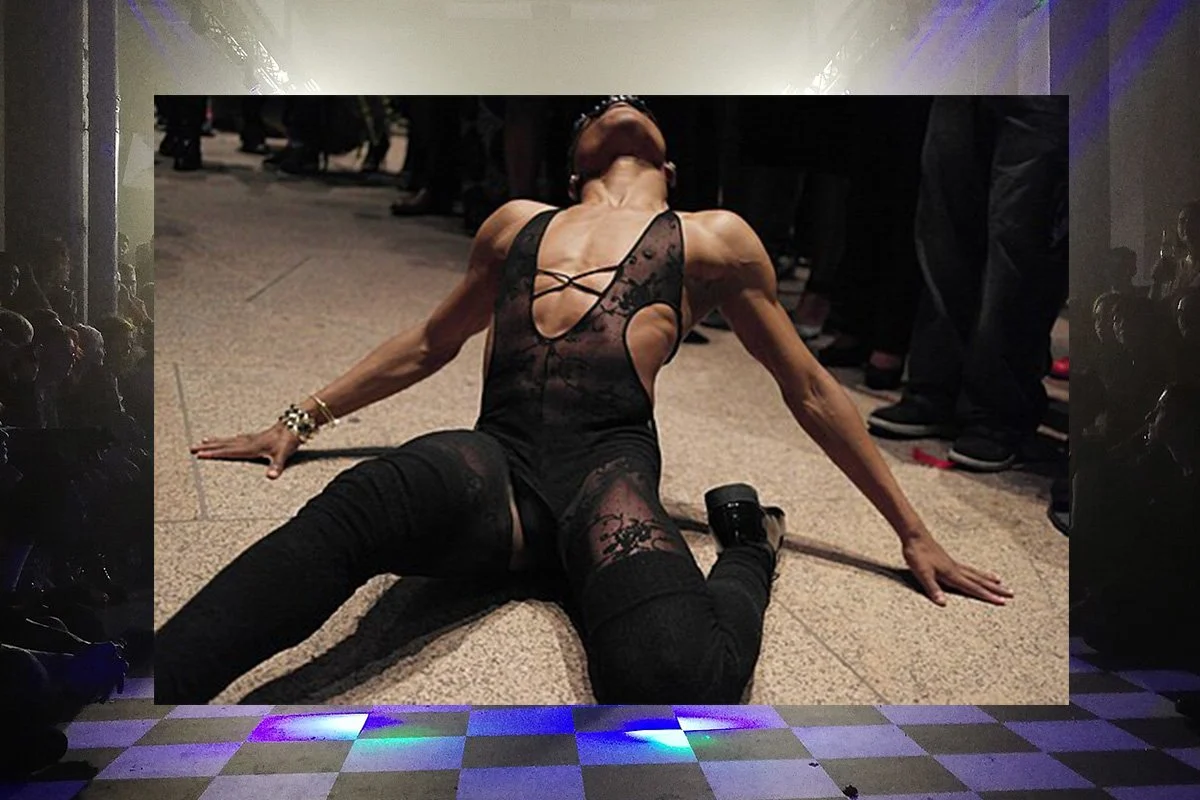
The founding narrative of the United States, anchored in the 1776 Declaration of Independence, famously proclaimed that "all men are created equal." Yet, for centuries, this promise served as a gated community from which Black, Indigenous, people of color, women, and, most pointedly, gender-nonconforming individuals were systematically excluded. While the state legislated their very existence as criminal, these marginalized groups were not idle; they were busy architecting a radical, parallel democracy.
They built this new world on the ballroom floors of Harlem, the dimly lit basements of after-hours clubs, and the pulsing, rhythmic sanctuaries of warehouse raves. This was not merely social gathering; it was a sophisticated exercise in governance, mentorship, chosen kinship, and mutual aid. Today, as trans people face unprecedented legislative hostility, the infrastructure of the ballroom—a culture that turned survival into an art form—offers a blueprint for how philanthropy and society can foster true, intersectional belonging.
A Chronology of Resistance: From Harlem to the Global Stage
The lineage of ballroom culture is a testament to the resilience of Black and Latine queer and trans communities. Its origins are traditionally traced to the late 19th-century masquerade balls in Harlem, which evolved into a distinct cultural phenomenon by the 1970s.
- 1970s–1980s: The Rise of the House System. During this period, the "House" structure solidified as the primary social unit. Led by "house parents"—typically senior members, often trans women or drag performers—these houses provided essential safety nets for youth rejected by their biological families. Houses functioned as chosen families, offering housing, mentorship, and protection against systemic violence.
- 1990s: Cultural Flowering and Visibility. As the HIV/AIDS epidemic ravaged the queer community, the house system pivoted to become a crucial frontline for public health and advocacy. The ballroom scene became a site of radical education and survival, forging a language of gender self-determination that preceded contemporary mainstream trans discourse.
- 2000s–Present: The Institutionalization of Kinship. What began as underground gatherings has evolved into a global movement. Today, the principles of the ballroom—the "third spaces" where democracy is practiced at a human scale—have informed the work of modern trans-led organizations, moving from dance floors to the corridors of political advocacy.
The "Third Space" as Civic Infrastructure
Sociologists often define "third spaces" as locations outside of the home (first space) and the workplace (second space) where community identity is formed. For Black and Brown trans people, who have historically been barred from traditional community anchor spaces like churches or community centers, the ballroom, the club, and the warehouse have functioned as essential democratic hubs.
These spaces operate on a logic of "total democracy." When a community member is in need—whether they require bail money, medical resources, or a place to sleep—the network of the house, the rave, or the collective responds immediately. This is not bureaucratic aid; it is immediate, relational, and deeply personal. It is the "slow, unglamorous work" of holding community together, often occurring in the margins of society. From organizing voter drives between sets in Philadelphia to distributing gender-affirming resources in Atlanta, these spaces have consistently prioritized the survival of their members long before policy conversations caught up.
Supporting Data: The Funding Gap
Despite the monumental role that these communities have played in shaping the modern discourse on trans justice, they remain chronically underfunded by traditional philanthropic institutions.
Data from the Movement Advancement Project and Funders for LGBTQ Issues highlights a stark disparity:
- The Funding Deficit: It is estimated that only 3.5 cents of every $100 in philanthropic funding reaches trans communities.
- Institutional Bias: Traditional grantmaking is often designed for 501(c)(3) entities that fit into rigid, quarterly reporting cycles. Because ballroom-based kinship networks often operate on informal, trust-based structures, they are frequently deemed "unfundable" or "high risk" by major foundations.
- The Cost of Exclusion: When philanthropy ignores the "floor"—the grassroots origin of these movements—they miss the opportunity to fund the very infrastructure that sustains trans life.
Philanthropic Shifts: Lessons from the Fund for Trans Generations
Recognizing this systemic failure, some philanthropic leaders are moving to dismantle the "charity model" in favor of a "kinship model." The Fund for Trans Generations (FTG), an initiative of Borealis Philanthropy, has emerged as a leader in this shift.
Under the guidance of community organizers with lived experience, the FTG has moved beyond traditional grantmaking. Since 2016, the fund has distributed more than $3 million in rapid-response grants. In 2026, it committed an additional $200,000 to 25 trans-led organizations to address increasing legal and physical threats.
Key Pillars of the New Philanthropy:
- Shifting Power: Funding decisions are made by an advisory committee of BIPOC trans organizers, not by distant board members.
- Long-Term Commitment: Half of the FTG’s general operating grants are multi-year, acknowledging that movement-building cannot be measured in annual increments.
- Holistic Investment: The "Flower Crown Project," a $1.4 million investment in ten Black trans femme-led organizations, centered on four pillars: Compassionate Care, Cultivation of Self, Cultural Perpetuity, and Unbridled Joy.
- Funding the "Extra": Philanthropy has historically avoided funding rest, ceremony, and land. The FTG has challenged this by supporting spaces like the House of gg—the legacy of the late Miss Major Griffin-Gracy—which provides a sanctuary for Black trans activists to step out of constant crisis and return to their wholeness.
The Implications of "Funding the Floor"
The implications of this shift are profound. By moving resources to organizations like the Trans Income Project in Louisiana, which provides a comprehensive safety net for those in the Deep South, funders are acknowledging that trans justice is inseparable from racial and economic justice.
The strategy of "unbridled joy" serves as a critical counter-narrative to the prevailing focus on trauma. The history of ballroom culture teaches us that movements built solely on grief are unsustainable. By investing in spaces where culture is perpetuated and joy is celebrated, funders are investing in the longevity of the movement itself.
Conclusion: Democracy as an Act of Creation
As the United States approaches its 250th anniversary, the country remains engaged in a fundamental debate about the nature of democracy. Who is it for? How is it maintained?
The ballroom culture provides a definitive answer: democracy is not a static set of laws, but a living, breathing, and dancing practice of mutual care. For generations, Black and Brown queer and trans people have been "building it before they let us in." They have transformed exclusion into a catalyst for cultural innovation and political power.
If philanthropy and the broader public are truly committed to democracy, they must look to the floor. They must learn to value the wisdom found in the houses, the clubs, and the raves—spaces where people have already proven that true belonging is not something granted by policy, but something that is created, cultivated, and held together through the collective rhythm of a people who refuse to be erased. The future of justice, as it has always been, is currently being choreographed in the spaces we have too often overlooked.


 Nila Kartika Wati
 Rifan Muazin