




 Pevita Pearce
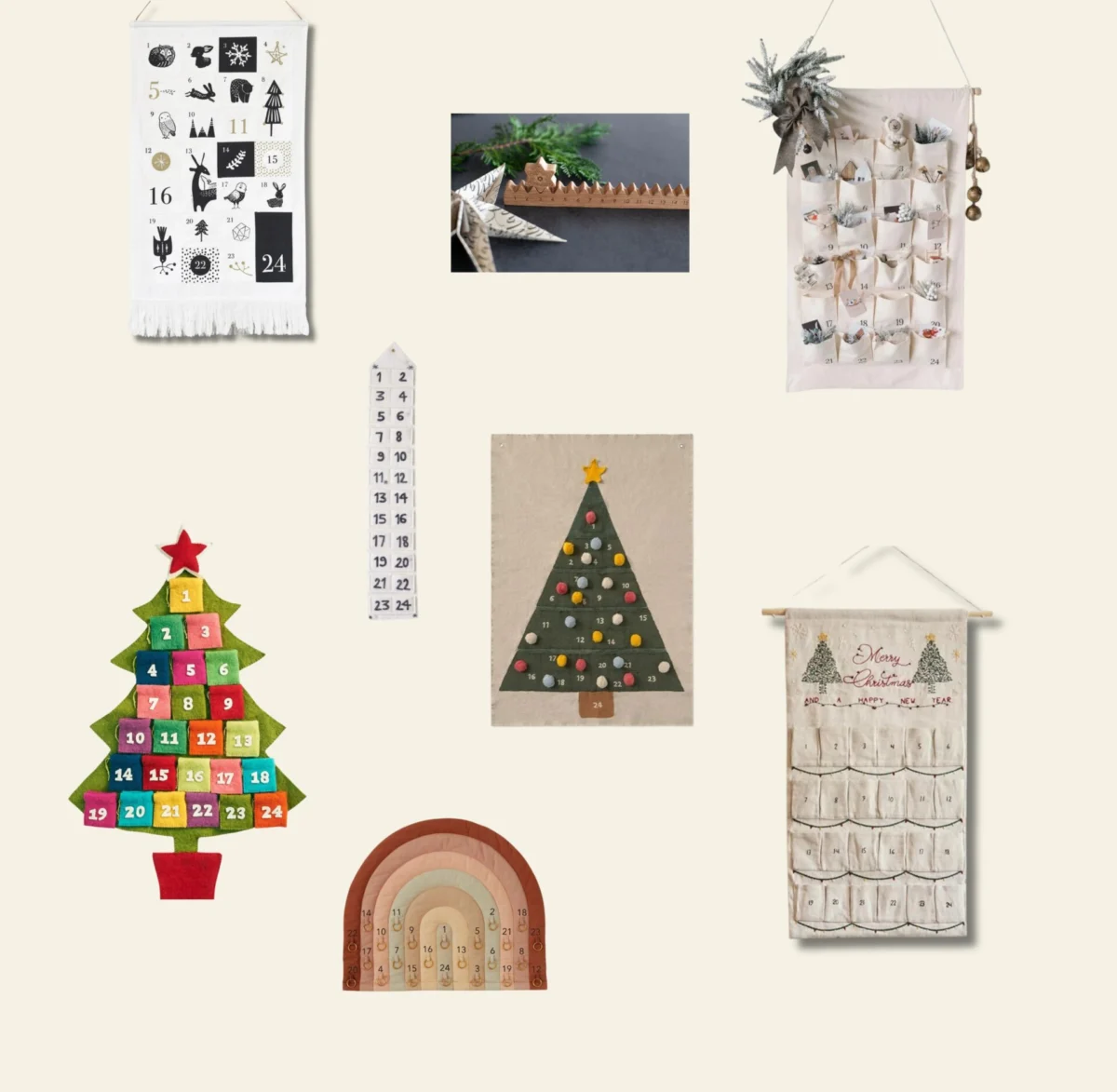
As the global community grapples with the escalating climate crisis, the traditional holiday season—often characterized by a "buy-and-discard" culture—is undergoing a profound transformation. At the forefront of this movement is the humble advent calendar. Once a simple cardboard box filled with mass-produced chocolates and plastic trays, the advent calendar is being reimagined as a durable, ethical, and eco-friendly heirloom.

According to sustainability experts at Sustainable Jungle, the shift toward reusable countdowns is not merely a aesthetic trend but a necessary pivot to reduce the staggering amount of waste generated every December. From hand-embroidered linen to FSC-certified wood, the new wave of advent calendars prioritizes the "circular holiday," where tradition meets environmental stewardship.
Main Facts: The Environmental Cost of the Countdown
The holiday season is traditionally the most wasteful time of the year. In the United Kingdom alone, it is estimated that enough wrapping paper is thrown away each year to stretch to the moon, and the United States sees a 25% increase in household waste between Thanksgiving and New Year’s Day. Advent calendars contribute significantly to this surge.

Traditional advent calendars are often composite items: they contain a cardboard outer shell, a molded plastic inner tray (frequently made of PVC or polystyrene, which are difficult to recycle), and individual foil-wrapped treats. Because these materials are often glued or fused together, they are frequently rejected by municipal recycling facilities, ending up in landfills.
In response, a growing number of "Better Brands"—companies vetted for their ethical and environmental practices—are offering alternatives. These products are designed to be refilled year after year, effectively removing 24 pieces of single-use packaging from the waste stream per household annually. The criteria for these "eco-friendly" alternatives include the use of natural fibers (organic cotton, linen, wool), non-toxic dyes, fair-trade labor practices, and plastic-free shipping.

Chronology: From Religious Ritual to Commercial Excess and Back to Intentionality
The history of the advent calendar reveals a trajectory from spiritual preparation to commercial exploitation, and finally, to the current era of "Slow Christmas."
- The Mid-19th Century: The tradition began in Germany, where Lutherans used simple methods to count the days until Christmas, such as lighting a candle or chalking a line on a door.
- The Early 1900s: The first printed calendars appeared, often featuring religious imagery.
- The 1950s-1990s: The commercial explosion began. Chocolate-filled calendars became a global staple, introducing the plastic-and-foil model that dominates the market today.
- The 2010s-Present: As awareness of plastic pollution peaked, the "zero-waste" movement began to influence holiday decor. Consumers started seeking out "investment pieces"—calendars made of wood or fabric that could be passed down through generations.
Today, the chronology of the holiday season starts earlier for the conscious consumer. Planning for a low-impact celebration now begins in October or November, as families source reusable calendars and plan meaningful, non-plastic fillers.

Supporting Data: Materials and Ethical Standards
The move toward sustainability is backed by a rigorous assessment of materials. Sustainable Jungle utilizes a 22-criteria rating system to evaluate brands, focusing on transparency and impact. Key data points in the selection of a truly sustainable advent calendar include:
- Material Integrity: Preference is given to GOTS (Global Organic Textile Standard) certified cotton and FSC (Forest Stewardship Council) certified wood. These certifications ensure that the raw materials are harvested in a way that protects biodiversity and worker rights.
- Chemical Safety: Sustainable options avoid "forever chemicals" (PFAS), lead-based paints, and azo-dyes, which can be harmful to both the environment during production and the children handling the products.
- The Fair Trade Factor: Many leading reusable calendars are produced in artisan workshops in India, Nepal, and Lithuania. Brands like Craftspring and Global Goods Partners provide data on fair wages and the preservation of traditional crafts, which supports the "Social" pillar of ESG (Environmental, Social, and Governance) standards.
Official Responses: Brand Leaders on the "Heirloom" Philosophy
Several brands have emerged as leaders in the sustainable holiday space, providing official statements and philosophies on why they have moved away from the disposable model.

Craftspring (Brooklyn, NY): This women-owned brand collaborates with artisans in Kyrgyzstan and India. Their response to the plastic crisis is the "Heirloom Advent." By using a blend of cotton and linen and felted ornaments, they argue that the value of the calendar increases over time as it accumulates family memories, unlike a cardboard box that loses all value by December 26.
Lorena Canals (Spain/India): Known for their "Sakûla Project," the brand emphasizes that sustainability must be paired with practicality. Their advent calendars are machine-washable, addressing a common barrier to reusable fabric items. Their official mission includes funding education for children in India, linking consumer purchases to direct social impact.

Wee Gallery (USA): Focusing on child development, Wee Gallery utilizes high-contrast, organic cotton designs. Their approach suggests that eco-friendly products should also serve a developmental purpose, moving the advent calendar from a "treat dispenser" to a piece of interactive art.
Etsy’s Global Marketplace: A spokesperson for the vintage movement on Etsy notes a "significant year-over-year increase" in searches for vintage and handmade advent calendars. This reflects a broader consumer desire to bypass new manufacturing altogether by opting for pre-loved wooden or cross-stitched items.

The DIY Movement: Ultimate Zero-Waste
For many environmental advocates, the most sustainable product is the one that is not bought new. The DIY (Do-It-Yourself) sector of the advent movement has seen a resurgence. By utilizing household "waste"—such as toilet paper rolls, glass jars, and egg cartons—consumers are practicing a form of "upcycling" that keeps materials in use for a secondary cycle.
Techniques range from "No-Sew" options involving fabric scraps and twine to advanced woodworking projects. This shift represents a return to the mid-19th-century roots of the tradition, where the focus was on the act of counting down rather than the acquisition of a new product.

Implications: The Future of the Circular Holiday
The implications of the shift toward reusable advent calendars extend far beyond the month of December. This trend is a microcosm of the "Circular Economy," a model of production and consumption that involves sharing, leasing, reusing, repairing, and recycling existing materials for as long as possible.
1. Economic Impact: As consumers move away from $5 supermarket calendars toward $50–$150 heirloom pieces, the market is shifting from "quantity" to "quality." This supports small-scale artisans and ethical businesses over multinational corporations that rely on high-volume, low-margin disposable goods.

2. Psychological Impact: Experts suggest that reusable calendars foster a "Slow Christmas" mentality. By filling the pockets with "experience coupons" (e.g., "Good for one night of looking at Christmas lights" or "One hot cocoa party") rather than plastic toys, families are reducing the psychological link between the holidays and mindless consumption.
3. Policy and Regulation: While there is currently no regulated definition for "eco-friendly" holiday decor, the rise of brands like those vetted by Sustainable Jungle is putting pressure on the industry. Future implications may include "Extended Producer Responsibility" (EPR) laws, which could hold manufacturers of disposable calendars accountable for the waste they generate.

Final Thoughts
The transition to reusable and eco-friendly advent calendars is a clear indicator that the "green revolution" has reached the heart of our most cherished traditions. By choosing items made from organic materials, supporting fair-trade artisans, or engaging in DIY upcycling, consumers are proving that the spirit of the holidays can be preserved without compromising the health of the planet. As the 2026 holiday season approaches, the message from sustainability advocates is clear: the best traditions are the ones that last—not just for 24 days, but for generations.

 Nana

 Ammar Sabilarrohman






