

 Suro Senen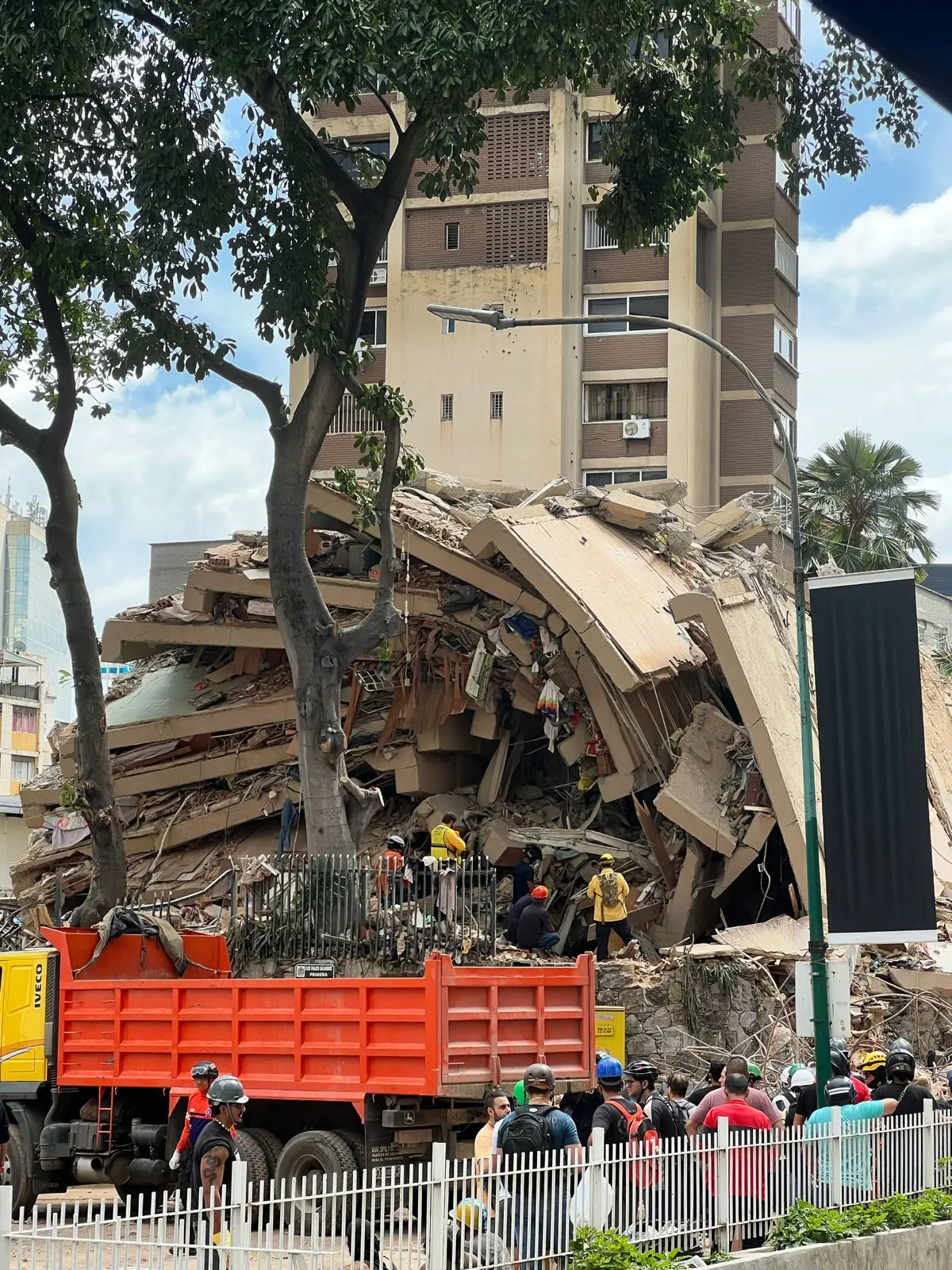
By CARE Staff | July 1, 2026
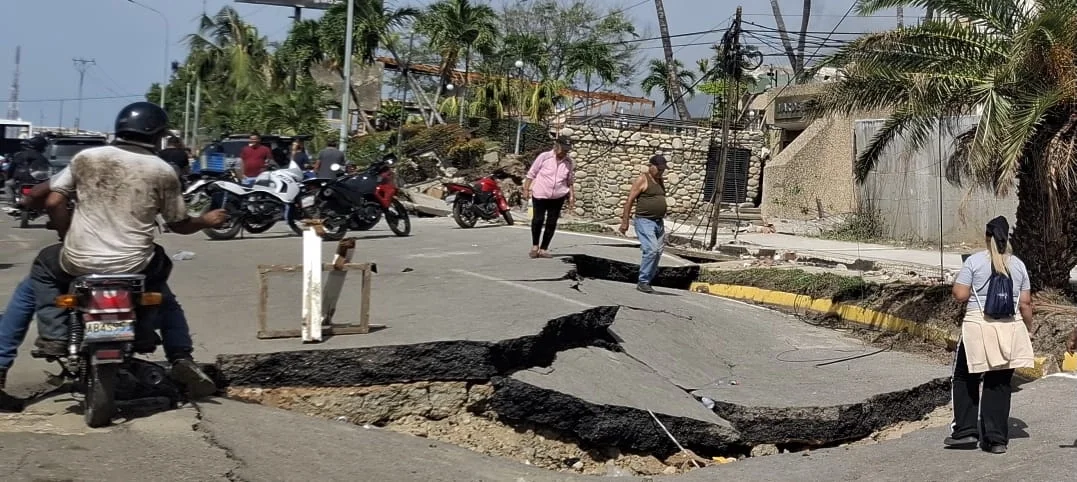
One week has passed since the earth fractured beneath Venezuela, triggering a humanitarian catastrophe of unprecedented proportions. On June 24, 2026, the nation—already reeling from years of socioeconomic instability—was struck by back-to-back earthquakes of 7.2 and 7.5 magnitude. This seismic event, the most powerful to hit the country in over 125 years, has effectively rewritten the reality for millions of Venezuelans, leaving thousands dead, entire cities in ruins, and the nation’s fragile infrastructure in a state of total collapse.
As rescue teams continue the grueling, heart-wrenching task of recovering loved ones from the debris, the full scale of the disaster is only now coming into focus. For the international community, the message is clear: the road to recovery will be long, and the immediate need for aid is desperate.
1. A Nation Already at the Breaking Point
To understand the gravity of the current tragedy, one must acknowledge the context in which it occurred. Venezuela was not a country functioning at full capacity when the tectonic plates shifted. For over a decade, the nation has grappled with a severe economic crisis that has triggered one of the largest human migrations in modern history.
Prior to the earthquakes, more than one in three Venezuelans were living in poverty, with the United Nations Office for the Coordination of Humanitarian Affairs (OCHA) reporting that 7.9 million people—nearly 28% of the population—were already in dire need of humanitarian assistance. The country’s pre-existing Humanitarian Response Plan was critically underfunded, reaching only 23.2% of its targets. Now, with the earthquakes causing economic losses estimated between 2% and 10% of the national GDP, the country faces a secondary, potentially more devastating, economic collapse.
2. Chronology of the Disaster
The disaster began in the early hours of June 24, when the first tremor of 7.2 magnitude struck the coastal region of La Guaira, a vital gateway near the capital, Caracas. Within hours, a second, even more powerful shock of 7.5 magnitude followed, delivering a final blow to buildings already structurally compromised by the initial impact.
- June 24: The twin quakes strike. Communications go dark across La Guaira and the Distrito Capital.
- June 25-27: Search and rescue efforts begin under extreme duress. Local organizations, including Tinta Violeta and Grupo Social CESAP, mobilize despite the lack of electricity and functioning telecommunications.
- June 28-29: The death toll climbs steadily as first responders reach more isolated pockets of rubble.
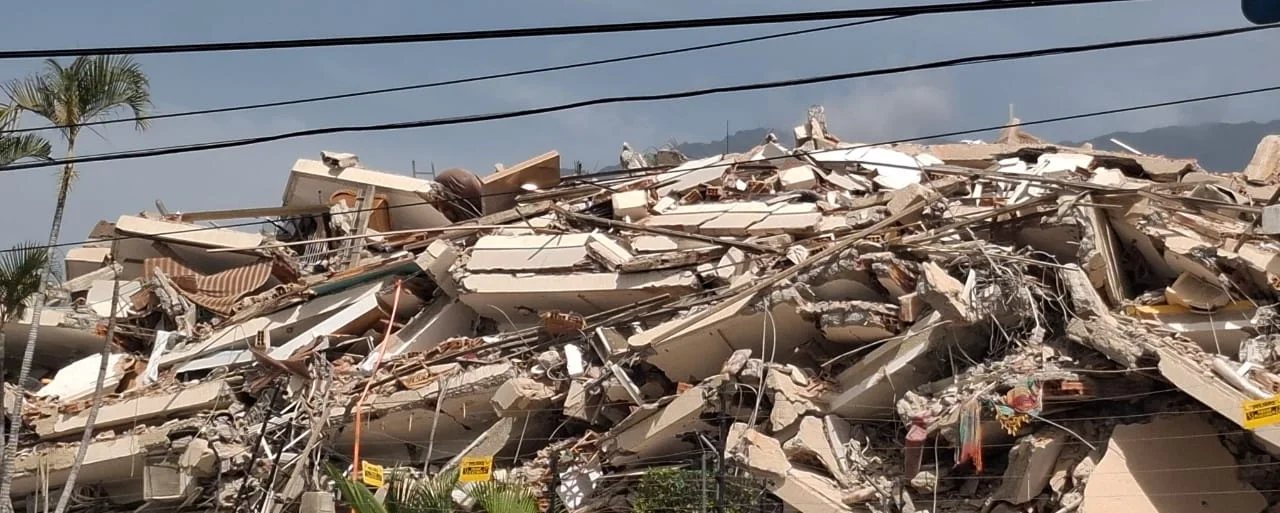
- June 30: Official reports confirm nearly 2,000 fatalities and over 10,000 injuries. A total of 855 buildings are confirmed as severely damaged or completely destroyed.
3. The Human Toll: Stories from the Debris
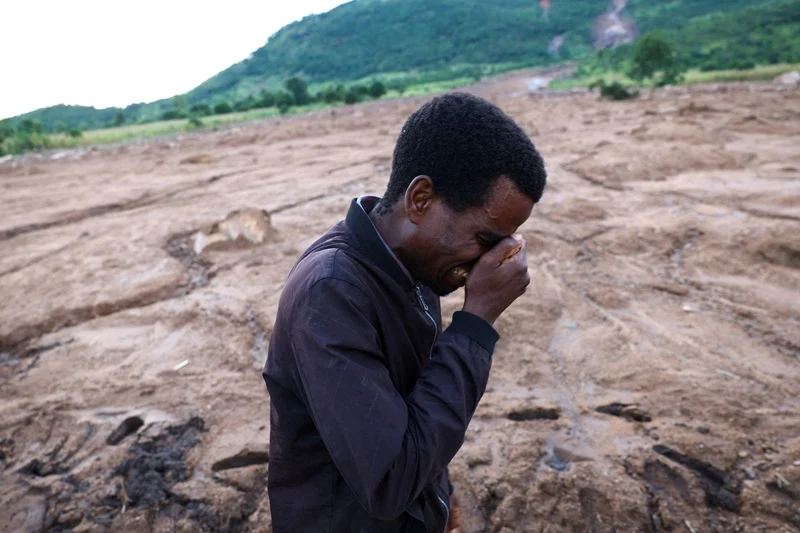
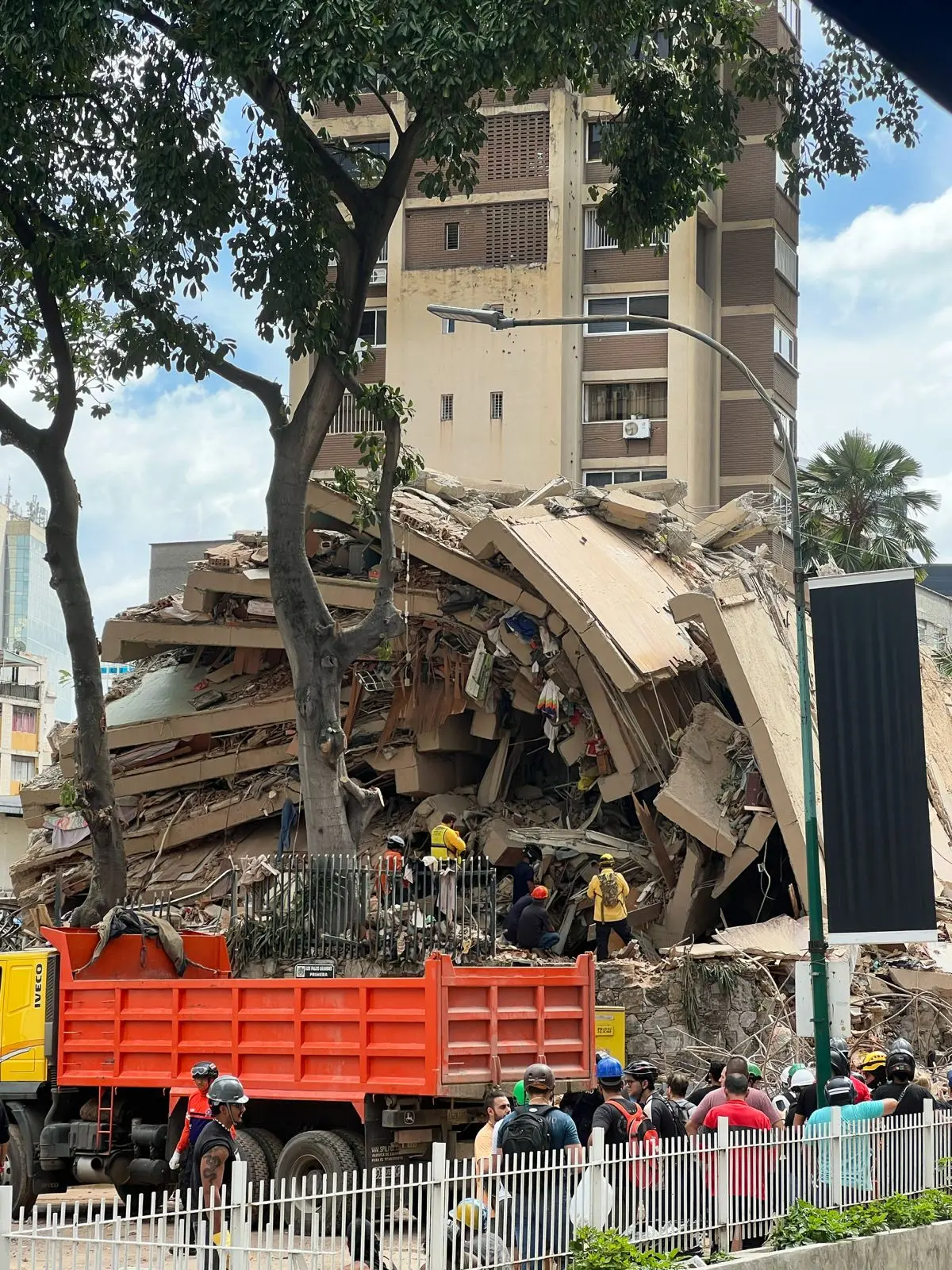
The scenes emanating from La Guaira are harrowing. Daniela Inojosa, a representative from the CARE partner organization Tinta Violeta, described the devastation with stark clarity: "After being in La Guaira, the situation is much more dire than we initially thought; the destruction is total. It doesn’t even look like there was ever a city there."
Thousands remain missing. Families, displaced from their homes, are now living in temporary shelters, forced to navigate the loss of their material lives while searching for missing relatives. The loss of electricity and cellular networks has left many in a state of agonizing uncertainty, unable to confirm the status of their loved ones.
4. Disproportionate Risks: The Impact on Women and Girls
In any humanitarian crisis, the burden is rarely shared equally. Women and girls, in particular, face heightened vulnerabilities when social structures collapse. The displacement caused by the earthquake has stripped away the limited protection systems that existed in these communities.
Disturbingly, Tinta Violeta has reported 15 documented cases of sexual violence within the first 72 hours of shelter operations. This spike in protection risks underscores the urgent need for safe, gender-sensitive spaces. For women and girls, the disaster is not just about the loss of a home; it is about the sudden, terrifying loss of safety. CARE and its partners are prioritizing the distribution of dignity kits, the establishment of safe zones, and the deployment of specialized psychosocial support to mitigate these life-threatening risks.
5. The Response: Strengthening Local Capacity
CARE’s response in Venezuela is built upon a foundation of local partnership. Rather than importing an external structure, CARE is amplifying the work of those who were already on the ground.
- Tinta Violeta: This women-led organization is on the front lines, providing psychosocial first aid via hotlines and in-person support. They are managing cases of gender-based violence and distributing hygiene supplies to displaced women.
- Grupo Social CESAP: A massive network comprising 19 NGOs, CESAP has activated community kitchens. In a country where food security was already a major concern, these kitchens are providing critical, hot meals to survivors who have lost everything.
"At moments like this, the immediate priority is saving lives, supporting those who have been injured, and ensuring affected communities have access to the assistance they need," says Ana Maria Mendez, Regional Director for Latin America and the Caribbean at CARE.
6. Official Data and Emerging Needs
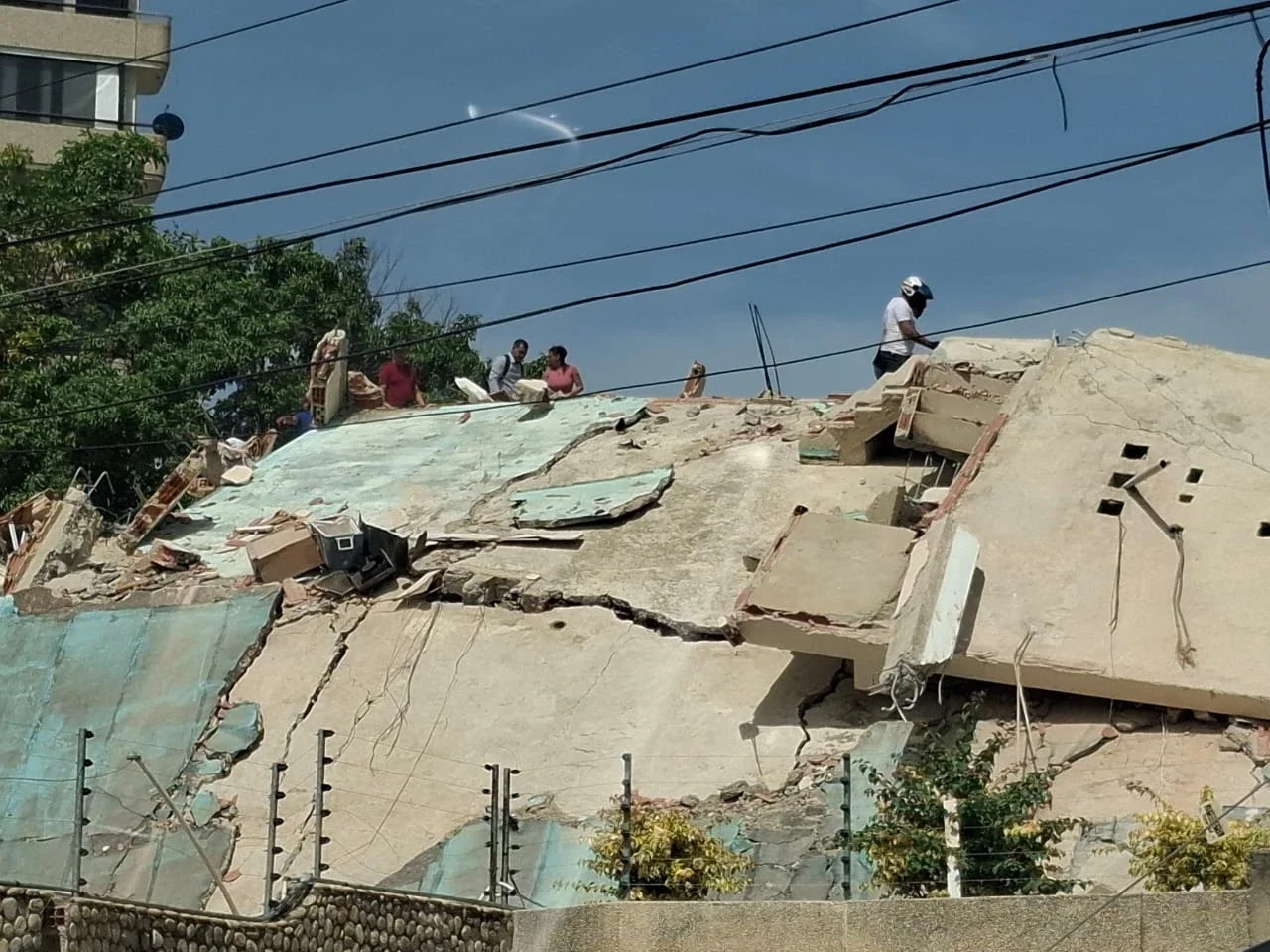
The data provided by local partners and humanitarian agencies paints a grim picture. With over 855 buildings destroyed, the housing crisis has become the primary driver of secondary displacement. The health system, which was already struggling due to the national economic crisis, has seen its capacity in coastal areas reduced to zero.
The immediate priorities for aid are:
- Emergency Shelter: Tents, tarpaulins, and blankets to protect families from the elements.
- Water and Sanitation: Clean water supply systems and hygiene kits to prevent the outbreak of waterborne diseases in crowded, temporary settlements.
- Food Security: Continued support for community kitchens and the distribution of emergency food packages.
- Health Services: Mobile clinics focused on trauma care and maternal health.
- Protection: Dedicated, secure environments for women and children to prevent further exploitation.
7. Implications for the Future
The international community faces a pivotal decision. The current crisis in Venezuela is not merely a natural disaster; it is a complex humanitarian emergency exacerbated by a climate of instability. If the funding gap is not bridged, the country risks a total failure of the social safety net.
The history of CARE’s involvement in Venezuela—dating back to 2018—shows that local resilience is strong, but it cannot be sustained without external financial support. Over the past eight years, CARE has reached 40,000 people through 190 local organizations, with 70% of those served being women. This track record proves that investment in local partners is the most efficient and effective way to deliver aid.
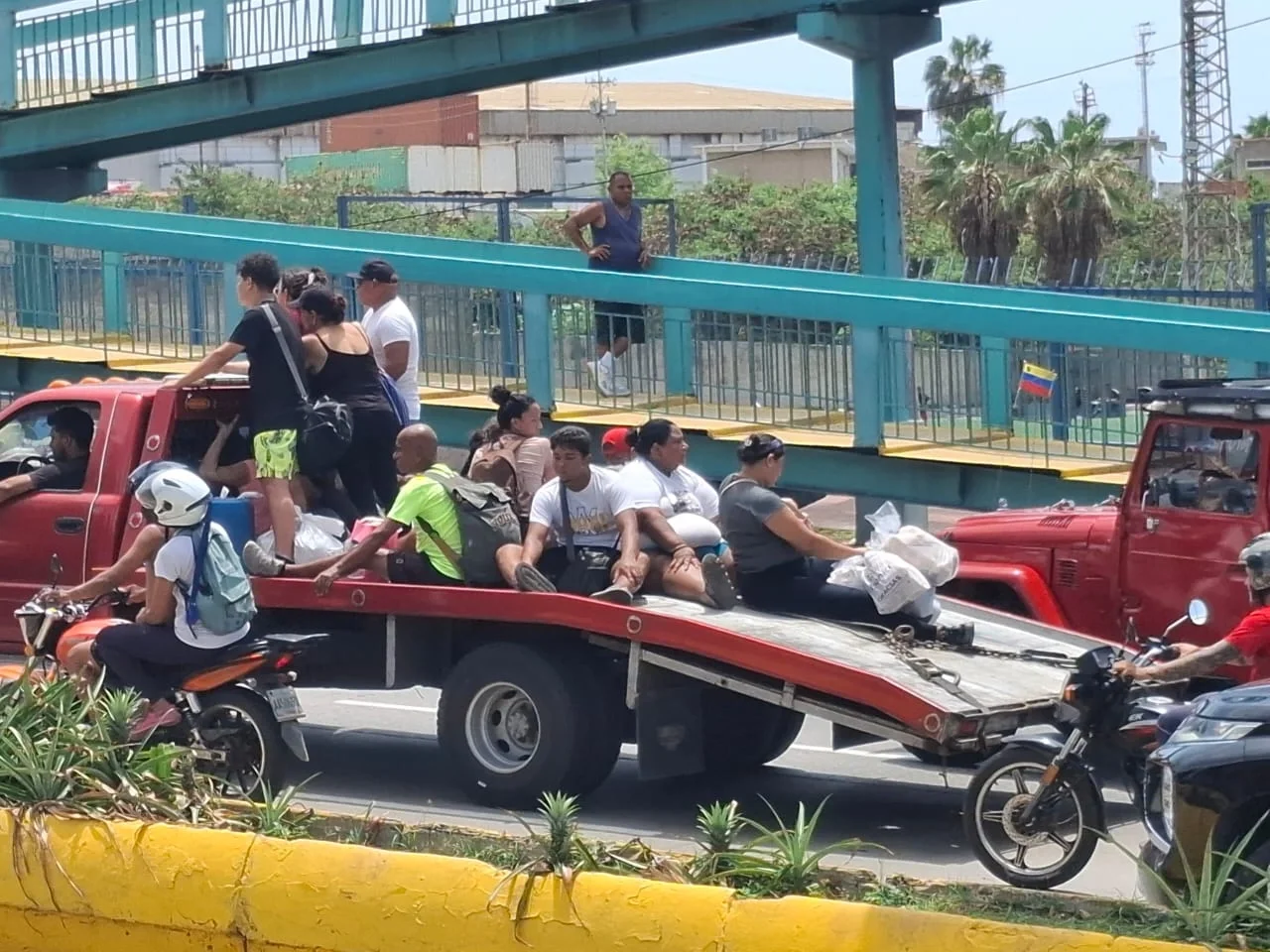
However, the current scale of destruction requires a massive scaling up of efforts. The "Humanitarian Response Plan" must be re-evaluated to account for the massive infrastructure damage. Without sustainable, long-term funding, the recovery process will be stalled, leaving millions in a state of perpetual crisis.
8. A Call to Action
The images of mothers holding their children amidst the dust of what were once family homes serve as a stark reminder of our shared humanity. As the world watches, the people of Venezuela are waiting for more than just sympathy; they are waiting for the resources necessary to survive the coming weeks.
CARE is currently appealing for emergency funding to continue the vital work of its local partners. Your support can help provide the "CARE Package" kits, clean water, and the protection services that are currently the only shield between thousands of families and a deepening catastrophe.
The earth may have shaken, and the buildings may have fallen, but the spirit of the Venezuelan people remains. They are working, rebuilding, and supporting one another in the rubble. It is now up to the global community to decide if they will walk that path alone, or if we will provide the aid required to help them rise again.
To support the ongoing relief efforts in Venezuela, please consider donating to the CARE emergency fund. Every contribution provides essential, life-saving aid to those who have lost everything.
CARE has been operating in Venezuela since 2018, focusing on food security, health, and gender-based violence prevention. Its regional approach also supports Venezuelan migrants in Colombia, Ecuador, and Peru, ensuring a comprehensive strategy for those displaced by the country’s ongoing crisis.

 Lina Hope
 Evan Lee Salim