


 Lina Hope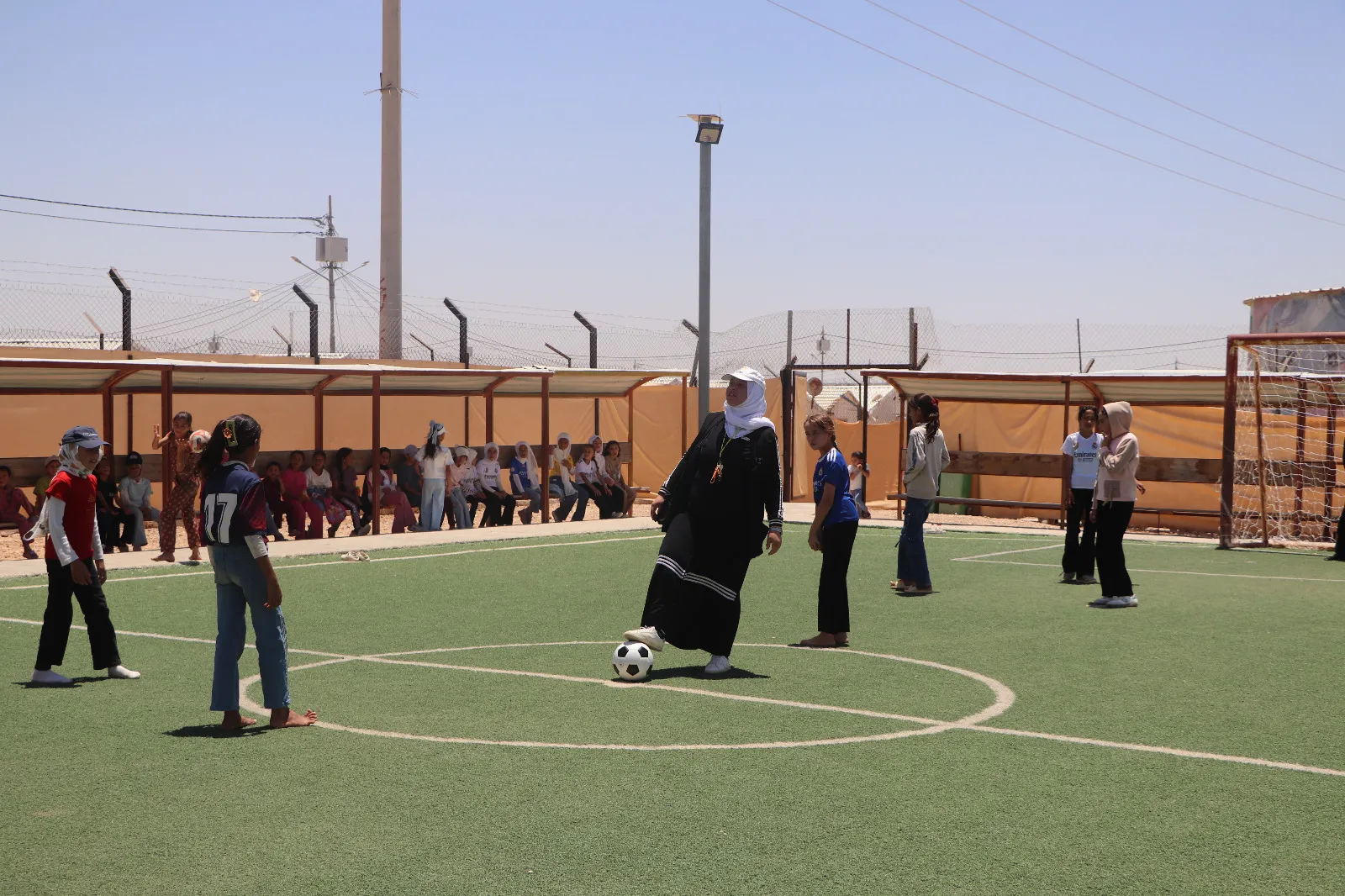
By Ryan Bergeron | June 26, 2026
As the world turns its collective gaze toward the 2026 World Cup, a profound sense of unity is sweeping across Jordan. For the first time in the nation’s history, the Jordanian national team has secured a place in the sport’s most prestigious global tournament. This milestone is more than just a sporting achievement; it is a source of national pride, hope, and cultural resonance that has transcended geographic and social divides—reaching even the most remote corners of the country, including the Azraq refugee camp.
In the language of the Jordanian people, their national team is affectionately known as "Al-Nashama." The term, however, carries a weight far beyond the soccer pitch. It is a defining cultural descriptor, embodying bravery, honor, and an unwavering commitment to standing by one’s neighbor during times of adversity. As the team takes to the global stage, this spirit of Al-Nashama is serving as a rallying cry for the entire nation, including the thousands of refugees who have sought sanctuary within Jordan’s borders.
A Historic Milestone for a Nation
For years, Jordanians have been passionate consumers of international football, often dedicating their cheers to global powerhouses like Barcelona or Real Madrid. Yet, the experience of watching their own national team compete in a global tournament is a transformative event.
"Jordanians are always cheering for international clubs, but it has never been the case that we cheered for our own national team at a global tournament," says Najati Al Huneidi, Program Manager for CARE Jordan. "Everyone is happy; everyone is celebrating."
This sentiment is echoed by Malek Abdeen, CARE Jordan’s country director, who notes that the excitement has permeated every layer of society. From the bustling streets of Amman to the harsh, sun-scorched landscapes of the eastern desert, the pride associated with Al-Nashama is a unifying force. In the eastern desert, a region defined by its extreme heat and barren terrain, approximately 35,000 Syrian refugees currently reside in the Azraq camp. Here, the World Cup is not merely a distraction—it is a symbol of resilience and a connection to the global community.
Chronology of Resilience: The Azraq Soccer Program
The Azraq refugee camp, established in 2014, has long been a place of transition for those fleeing the devastation of the Syrian Civil War. Spanning over five miles and located nearly an hour’s drive from the nearest city, the camp represents one of the most challenging environments for its inhabitants.
"Whoever decides to stay in this camp is considered one of the most at-risk people in Jordan because they have no other options," Abdeen explains.
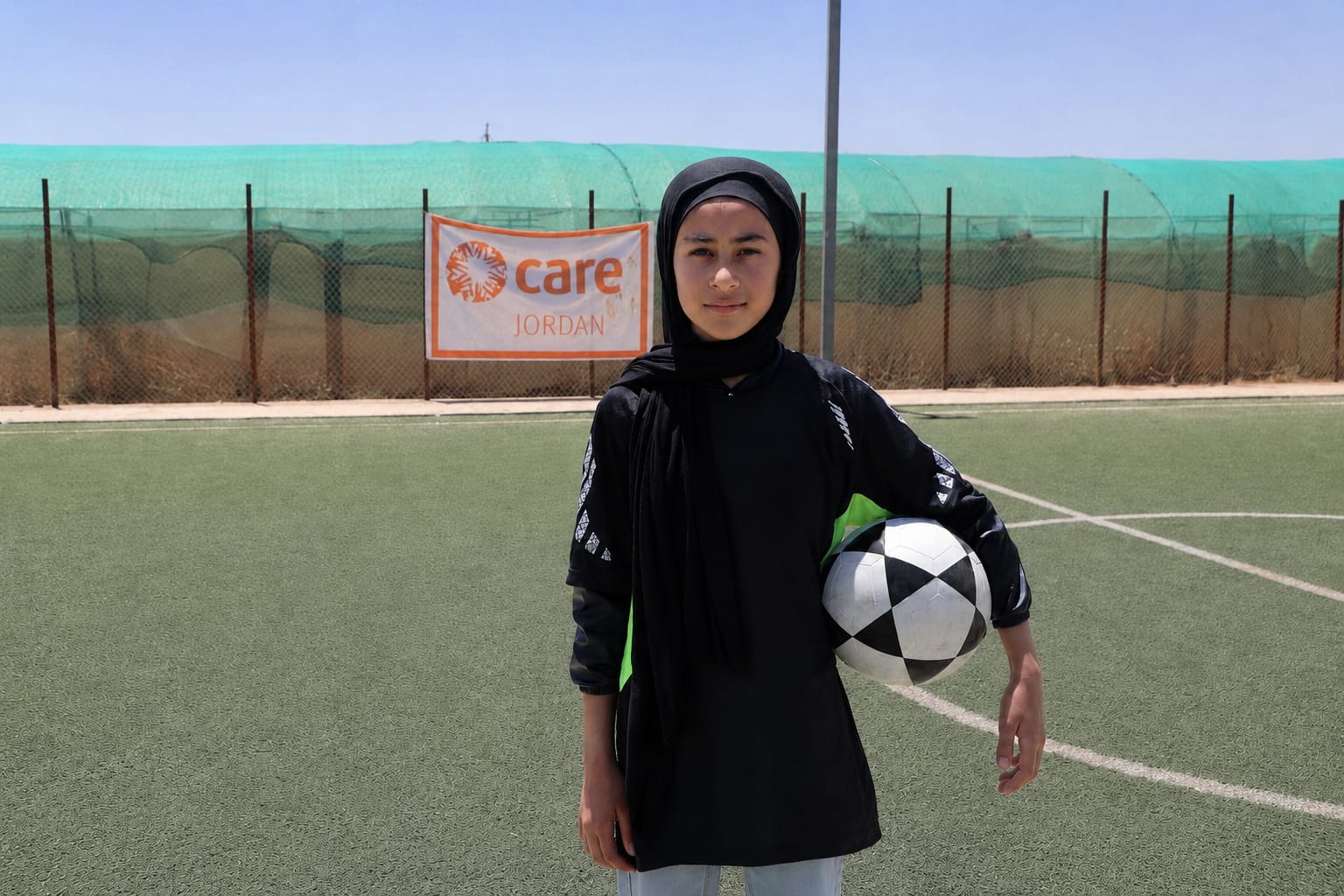
Yet, amidst the dust and the struggle for normalcy, a soccer pitch has become a beacon of light. For many, including Heba Mohammad, a Syrian refugee, soccer serves as a vital bridge to the life she once knew. Heba began playing at age nine in Syria, discovering a natural talent that would eventually become her passion. When she was 13, the war forced her to leave everything behind, but the game remained her constant.
"We came here as refugees, and you have to start all over again," Heba says. "Soccer helps you overcome that and put your goals in front of you. It’s a new beginning."
The program at Azraq, facilitated by CARE, faced a significant setback when funding cuts forced a year-long closure of sports activities. However, the program successfully resumed four months ago. Today, approximately 100 girls participate in the soccer initiative, using the pitch to build friendships, sharpen their skills, and nurture their dreams.
Supporting Data: The Impact of Sports on Youth
The importance of this initiative is grounded in more than just physical exercise. For girls in the camp, the soccer pitch is a rare, safe, and dedicated space for personal development.
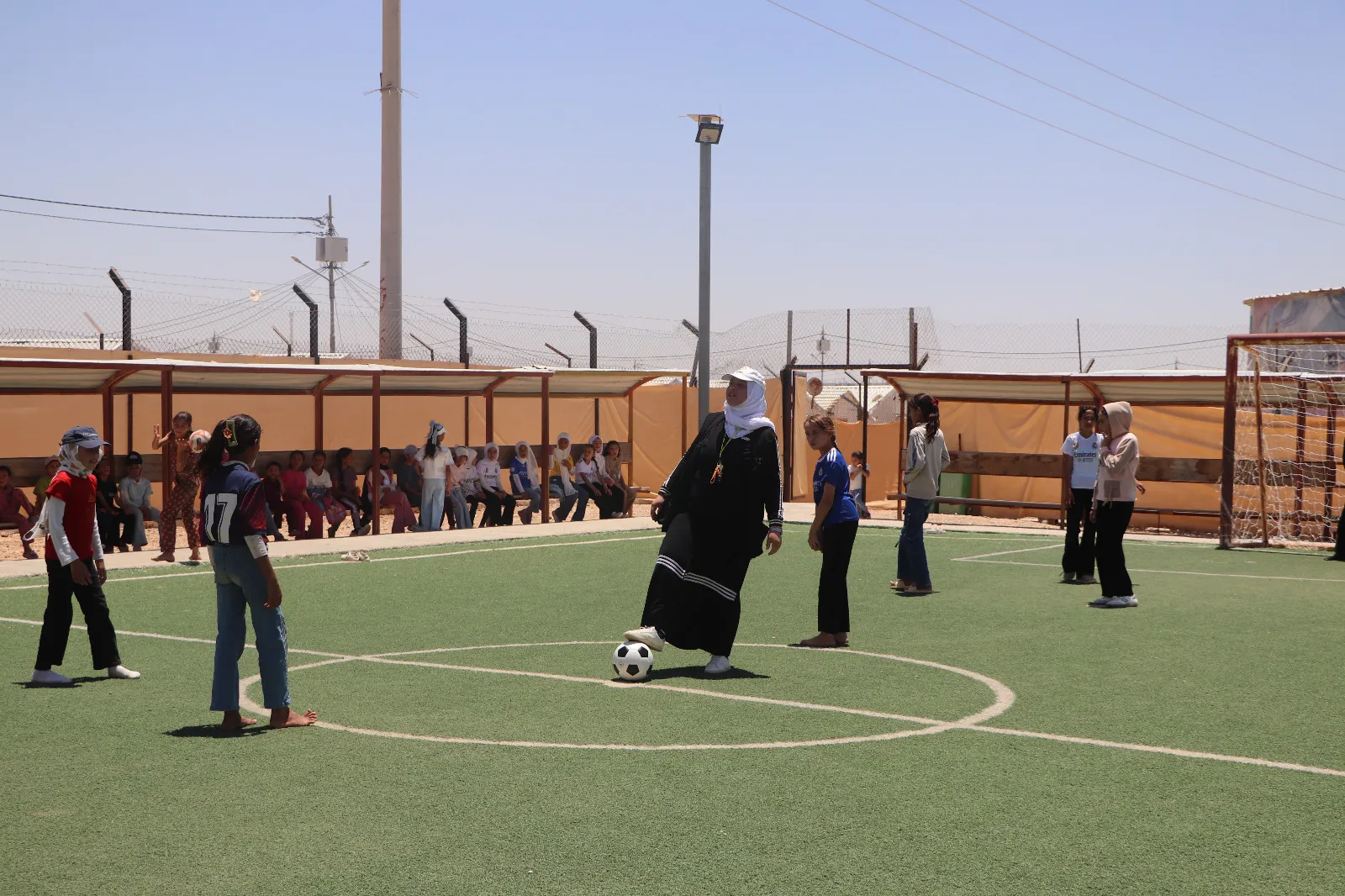
- Gender Equity: Historically, sports culture in Jordan has been heavily skewed toward men and boys. Programs like those at Azraq are actively challenging these norms by providing equal access to female athletes.
- Psychological Well-being: For residents of the camp, who face severe restrictions on movement and rely on a formal permit system to leave, sports are often the only "getaway" available.
- Empowerment: Coaches like Heba, supported by the Incentive-Based Volunteer program, are fostering confidence. Heba notes that her favorite aspect of coaching is the chance to be "helpful and supportive for the girls."
The results are tangible. Parents and community leaders, who may have initially been hesitant, are witnessing the marked increase in the self-esteem and confidence of the participants. As one young player, 12-year-old Norhan, reflects: "It wasn’t easy to find a place to practice this sport because most of the pitches were dedicated to boys. But when I discovered the CARE organization’s pitch, I finally had dedicated time to play."
Official Perspectives: A Shift in Culture
The success of the women’s soccer programs at the camp is reflective of a broader shift in Jordanian society. While soccer has traditionally been a male-dominated sphere, the success of the Jordan Women’s National Team—the current West Asia Football Champions—has set a new standard for the entire country.
"That motivated the men to actually follow the dream, because the females did it first here in Jordan," notes Al Huneidi.
This reversal of expectations has not been lost on the youth. Norhan, a natural striker, now sees her own potential through the lens of her female role models. She is learning that soccer is not just a game; it is a pathway to moving freely, building a network of support, and imagining a future beyond the confines of the camp.
"Take all the opportunities to go after your dreams and don’t let boundaries limit your ambitions," Norhan advises, a message that rings true for athletes on both the local and international stage.
The Implications of a Global Stage
As Jordan steps onto the world stage for the first time, the implications extend far beyond the final score of any match. The "golden goal" for these young athletes is the recognition of their potential.
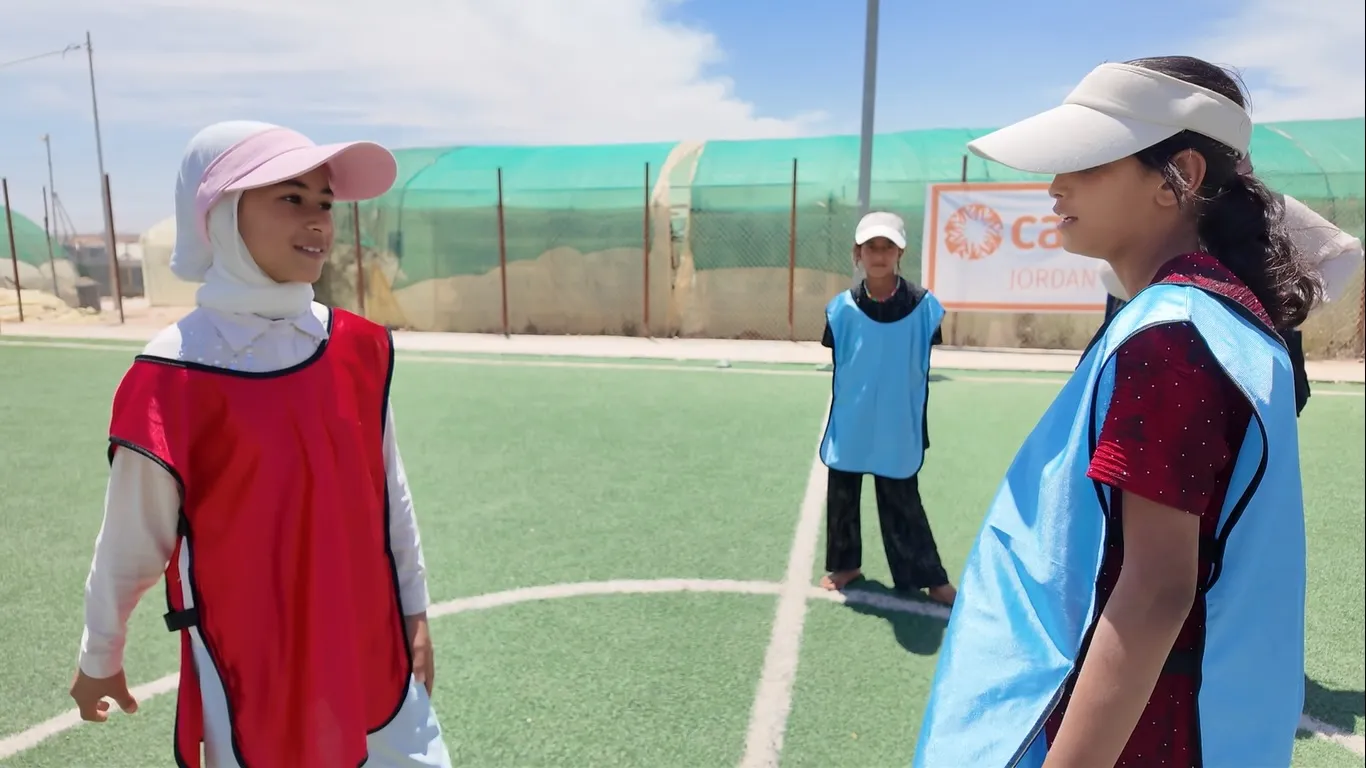
For CARE International, which has been working in Jordan since 1948, the sports program is part of a much larger mission. While the organization provides essential support to refugees from Syria and Iraq, it also tackles systemic issues including economic disparity and the discrimination faced by women in the workforce. Even with high educational attainment, women in Jordan often face significant barriers to economic participation. By fostering leadership through sports, these programs provide a foundation of self-advocacy that these young women will carry into their adult lives.
The "Al-Nashama" spirit is now being tested. As the men’s national team plays, the nation is watching, and the refugees at Azraq are watching alongside them. They are united by the same cheers, the same heartbreak, and the same pride.
Conclusion: A Future Built on Courage
The story of Jordan’s 2026 World Cup debut is, at its heart, a story about the power of the human spirit. It is about a young girl named Norhan finding her voice on a pitch in the desert; it is about a coach named Heba finding purpose in the face of displacement; and it is about a nation finding a new, inclusive definition of "bravery" and "honor."
As the tournament progresses, the residents of the Azraq camp will continue to play. They will continue to weave through practice cones, laugh in the heat, and celebrate their teammates’ goals. They are the living embodiment of the Al-Nashama spirit—resilient, courageous, and ready to face whatever comes next.
Ultimately, the impact of this World Cup will not be measured by the number of goals scored by the men’s team, but by the doors opened for the girls in the desert—ensuring that when they eventually leave the pitch, they do so with the confidence to change the world.
CARE has been operating in Jordan since 1948, providing essential aid and advocacy for refugees and marginalized communities. For more information on how you can support these initiatives, please visit the CARE website.


 Suro Senen
 Evan Lee Salim