
 Raul Delapena Setiawan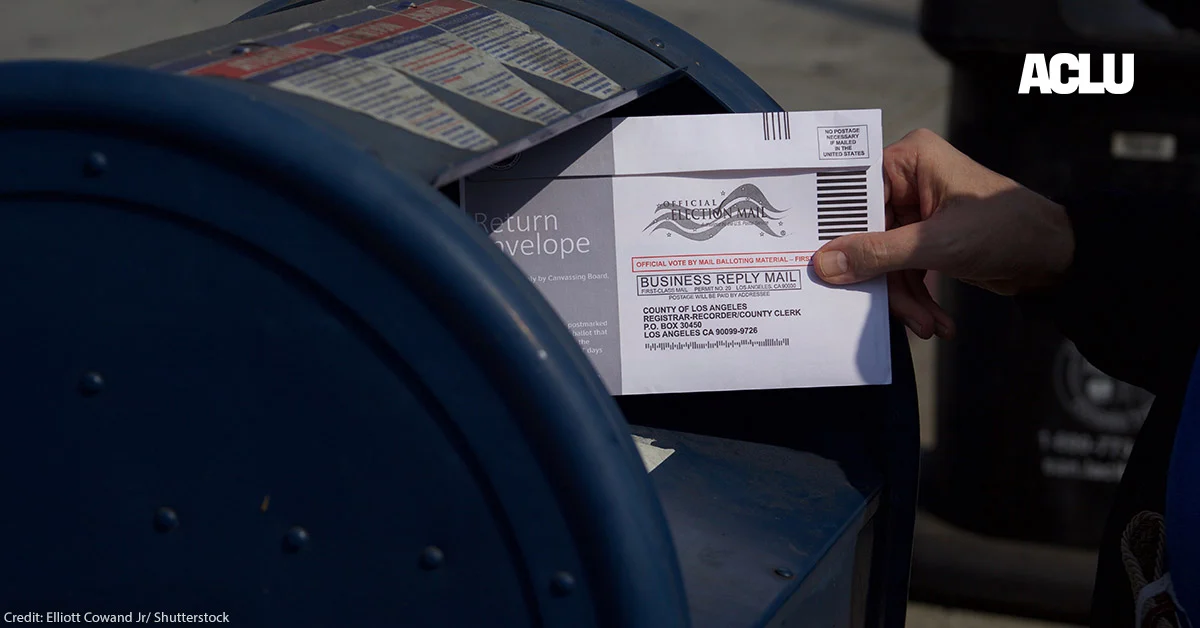
For millions of Americans, the simple act of casting a ballot is a foundational expression of citizenship. However, for Nick Papadopoulos, a Georgia resident living with cerebral palsy, that act has historically been a logistical nightmare. For years, the physical barriers to the ballot box—ranging from the lack of reliable accessible transportation in rural areas to the daunting task of navigating polling sites not fully equipped for his power chair—have turned a democratic duty into an exhaustive ordeal.
"The only time I voted in person, I had to first find a driver, either through a voting advocacy agency or by placing an advertisement and paying out of pocket," Papadopoulos recalls. "Then, my caregiver had to get me ready. Because I live in a rural area, finding care is not always easy. Before leaving home, I had to make sure that the polling place was wheelchair accessible and could accommodate my power chair and mobility constraints."
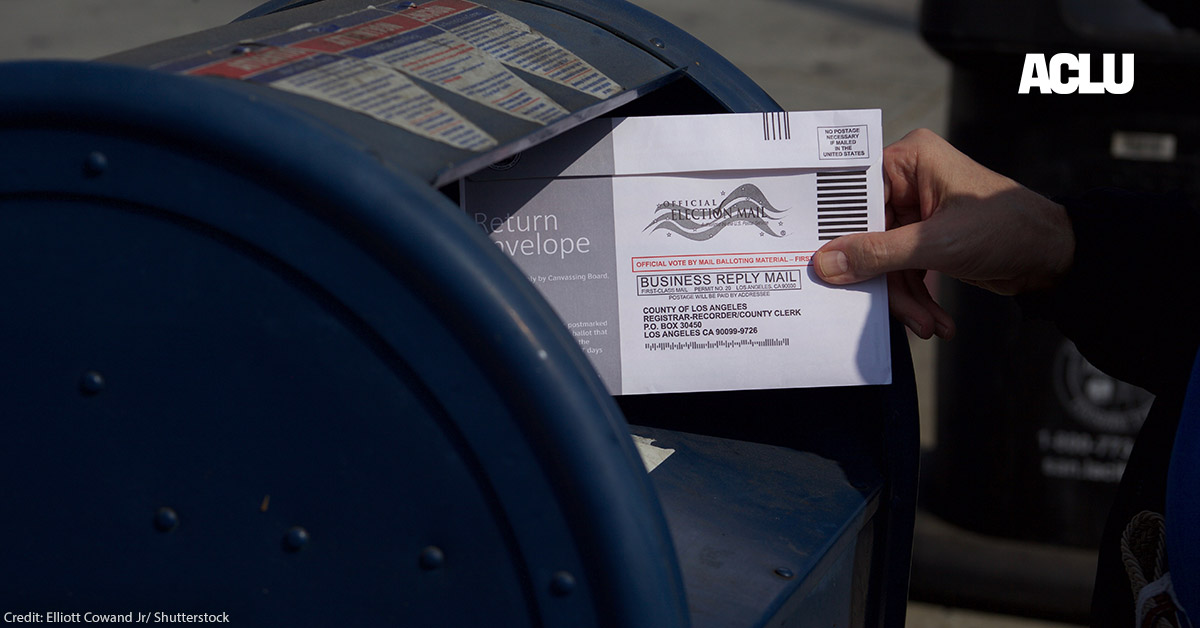
Papadopoulos’s struggle is not an outlier; it is a systemic reality. As the United States navigates a volatile political climate, the battle over mail-in voting has shifted from a procedural debate into a civil rights crisis. With a new executive order from President Donald Trump seeking to override state-level mail-in voting laws, the accessibility of the American electoral process is under direct fire, threatening to disenfranchise millions of voters with disabilities.
The Chronology of a Mounting Crisis
The current controversy stems from a series of escalating efforts to curb non-traditional voting methods.
- March 2026: President Trump issues an executive order aimed at restricting mail-in voting, attempting to override established state protocols. The order claims to prioritize "election integrity," though it effectively rolls back years of progress in accessibility.
- Early April 2026: The American Civil Liberties Union (ACLU) and other civil rights organizations formally file a lawsuit challenging the executive order, asserting that it is unconstitutional and disproportionately burdens marginalized communities.
- Ongoing: Litigation continues as states grapple with the friction between federal directives and their own established mail-in voting systems, leaving millions of voters in a state of uncertainty regarding their ability to cast a ballot in upcoming elections.
For advocates like Papadopoulos, who now serves as an ACLU witness in a Georgia voting rights case, the executive order is not just a policy disagreement—it is a direct threat to his ability to participate in the democratic process.
Supporting Data: The Accessibility Gap
The reliance on mail-in voting is not merely a matter of convenience; it is a necessity for inclusion. Recent data from the ACLU highlights a stark reality: the current voting infrastructure is failing to meet the needs of one of the nation’s largest voting blocs.
According to an ACLU report on voting accessibility, nearly 31 percent of people with disabilities reported feeling unaccommodated during the voting process. This "disability turnout gap" suggests that nearly one in three disabled voters is effectively being left behind by a system designed for a narrow demographic.
The barriers are multifaceted:
- Transportation: Many voters with disabilities, particularly those in rural regions, lack access to the specialized transit required to reach polling stations.
- Physical Infrastructure: Even when polling places are ADA-compliant, many still present obstacles such as heavy doors, narrow aisles, or voting machines that are not optimized for various levels of physical or cognitive ability.
- Fluctuating Needs: For those with chronic illnesses or conditions that fluctuate day-to-day, a rigid in-person election day creates an impossible hurdle.
The report suggests that the widespread adoption of mail-in voting is a primary solution. By providing an alternative to in-person requirements, states could potentially see an increase of roughly two million disabled voters participating in elections. In states where every eligible voter automatically receives a ballot by mail, disabled voters report higher levels of satisfaction and are significantly less likely to state that their disability prevented them from voting.
Official Responses and Legal Challenges
The legal challenge against the executive order rests on the assertion that mail-in voting is a secure, proven, and essential democratic tool. The ACLU’s argument is bolstered by a wealth of data from institutions like the Brookings Institution, which has repeatedly demonstrated that mail-in voting systems are characterized by very low rates of fraud and provide significant, quantifiable benefits to the electorate.
However, the administration maintains that tightening the rules around absentee and mail-in ballots is necessary to restore public confidence in election outcomes. Critics of the executive order argue that "election integrity" is being used as a rhetorical shield to mask a strategy of voter suppression. By narrowing the window for mail-in ballots, the order specifically targets not only the disabled community but also seniors, rural voters, overseas service members, and those with inflexible, low-wage work schedules who cannot afford the time to wait in long, in-person lines.
Implications for the Future of Democracy
The implications of these restrictions extend far beyond the immediate election cycle. When a segment of the population is systematically discouraged from voting, the resulting government policies become less representative of the population’s actual needs.
The Need for Holistic Reform
Advocates argue that the focus should be on expanding, rather than restricting, access. A truly inclusive system would require:
- Investment in Accessible Transit: Funding programs that ensure voters with mobility constraints can reach polling places if they choose to vote in person.
- Modernized Polling Sites: Ensuring that all polling places provide seating, clear signage, and trained staff who understand how to assist voters with diverse needs.
- Assistive Technology: Expanding electronic ballot marking systems that allow voters with "print" disabilities—such as visual impairments—to use the screen readers and assistive devices they rely on at home.
- Universal Mail-in Access: Removing "excuse-only" requirements that force voters to justify their need for a ballot, which often excludes those who may not know if their condition is legally recognized as a "disability" under state law.
As Papadopoulos notes, "Disabled voters need flexible, secure, and accessible ways to participate in elections on their own terms. Mail-in voting fills those gaps."
Conclusion: The Path Forward
The debate over mail-in voting is a litmus test for the American commitment to equal participation. If a democracy is intended to be "of the people," it must account for all the people—including those whose paths to the ballot box are hindered by physical, systemic, or economic barriers.
For Nick Papadopoulos and millions like him, the fight is about more than just a ballot; it is about the right to exist in the public square. "Participating in elections allows me to be part of my community, to express my identity as a human being, and feel whole," he says.
As the legal battles continue to unfold, the message from the disability community is clear: democracy is strongest when it is accessible to all. The challenge for the nation now is to move beyond the politics of exclusion and toward a system that meets every voter where they are, ensuring that the promise of equal representation is a reality, not just an ideal. If the goal is a robust and representative democracy, the systematic removal of barriers to the ballot is not just a policy preference—it is a fundamental requirement.


 Reynand Wu
 Neng Nana