


 Ali Ikhwan
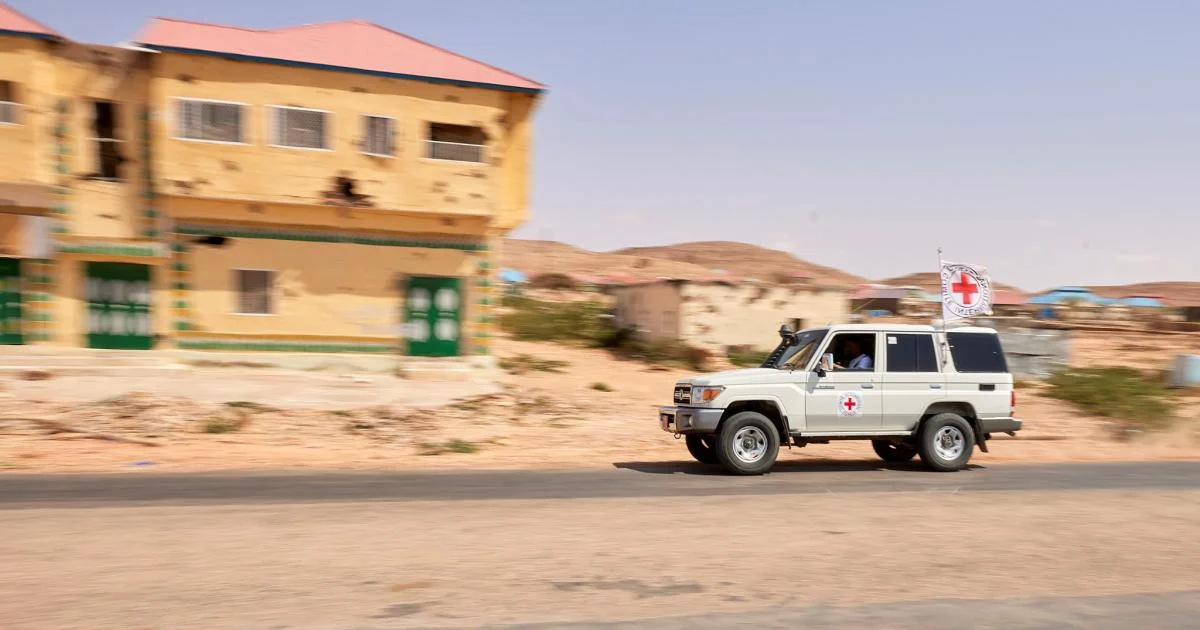
For over eight decades, the International Committee of the Red Cross (ICRC) has navigated the complex, volatile landscape of Somalia. Operating with a mandate rooted in impartiality, neutrality, and independence, the organization has become a cornerstone of humanitarian stability in a nation long defined by the challenges of armed conflict, climatic shocks, and systemic instability. As the ICRC continues its work in 2024, its role remains a vital lifeline for millions, underscoring the necessity of humanitarian diplomacy in one of the world’s most difficult operational theaters.
The Core Mandate: Protection and Humanity
Founded in 1863, the ICRC operates under a strictly humanitarian mission: to protect the lives and dignity of victims of armed conflict and other situations of violence. This mission is not merely reactive; it is proactive. By promoting and strengthening International Humanitarian Law (IHL) and universal humanitarian principles, the ICRC seeks to prevent suffering before it escalates, acting as a neutral arbiter in spaces where state infrastructure has fractured.
In Somalia, this mission takes on a granular, localized form. The organization’s presence is characterized by its proximity to the population. Whether in the bustling streets of Mogadishu or the remote outskirts of Dhobley, the ICRC’s staff work on the frontlines, ensuring that aid reaches those who are often invisible to the international community.
A Chronology of Engagement: From 1942 to the Present
The ICRC’s history in Somalia is a testament to long-term institutional commitment. While the organization first engaged in Somalia in 1942, the nature of its involvement shifted dramatically in the late 20th century.
- 1942: The First Footprint: The ICRC’s initial interventions during the mid-20th century were limited, reflecting the global geopolitical dynamics of the era.
- 1977: The Establishment of Permanence: The signing of a formal headquarters agreement in 1977 marked a watershed moment. This gave the ICRC the legal framework required to maintain a permanent presence, allowing it to transition from intermittent aid to a sustained humanitarian operation.
- 1990s–2000s: Navigating State Collapse: Following the collapse of the central government in 1991, the ICRC became one of the few international actors to remain in Somalia, maintaining its neutrality amidst shifting clan dynamics and the rise of various armed factions.
- 2010–Present: Scaling for Complexity: In the modern era, the ICRC has expanded its footprint to 12 distinct offices, including a strategic back-office in Nairobi, to manage the logistical and security complexities of a decentralized conflict environment.
Operational Architecture: A Network of Resilience
The effectiveness of the ICRC in Somalia is largely due to its decentralized structure. With 334 staff members—45 of whom are international experts—the organization operates through a network that spans the country: Mogadishu, Hargeisa, Bossaso, Garowe, Galkayo, Dhusamareb, Beletweyne, Jowhar, Xudur, Baidoa, Kismayo, and Dhobley.
This network allows for rapid response to localized emergencies. Unlike centralized aid agencies that may rely on third-party contractors, the ICRC’s model relies on direct engagement. By maintaining an office in the field, the organization fosters trust with local communities, which is the "currency" of humanitarian work in a conflict zone.
Strategic Partnerships
The ICRC does not operate in a vacuum. Its partnership with the Somali Red Crescent Society (SRCS) is the bedrock of its success. By leveraging the local knowledge and grassroots reach of the SRCS, the ICRC ensures that its aid is culturally appropriate and reaches the most vulnerable demographics. Furthermore, while the ICRC maintains its independence from the United Nations system, it practices rigorous coordination with other humanitarian organizations to ensure that services are not duplicated and that resources are maximized.
The Financial and Ethical Compact
A foundational pillar of the ICRC’s relationship with the Somali public is the absolute guarantee that all services provided are free of charge. This is not merely a policy; it is a shield against exploitation. In environments where power is often equated with the control of resources, the ICRC’s commitment to "free aid" serves to protect the dignity of the recipient.
The Integrity Mandate
The ICRC enforces a strict code of conduct. It is explicitly forbidden for staff, partners, or suppliers to solicit money, favors, or sexual concessions in exchange for humanitarian assistance. This zero-tolerance policy is a critical response to the global humanitarian sector’s historical struggles with misconduct.
The organization provides clear avenues for accountability, encouraging the public to report any suspicion of fraud, corruption, or abuse via its dedicated "Integrity Line" or the code of conduct email address. This ensures that the humanitarian contract—aid provided in exchange for nothing but the preservation of human life—remains intact.
Navigating the Digital Frontline: Misinformation
In the digital age, the ICRC faces a new, intangible adversary: misinformation. The rapid spread of false content on social media platforms can compromise the safety of humanitarian workers and distort public trust.
The ICRC urges beneficiaries and the general public to "take care before you share." By verifying information through official channels, citizens can protect themselves from falling victim to scams or malicious propaganda. The organization’s commitment to transparency extends to its digital footprint, emphasizing that the truth is as vital a resource as food, water, or medical supplies in a conflict zone.
Implications for the Future
The ICRC’s presence in Somalia is a living case study on the efficacy of neutral humanitarianism. As the country faces a convergence of climate-induced displacement, persistent insecurity, and political transition, the need for an impartial mediator has never been higher.
Humanitarian Diplomacy as a Conflict Buffer
By engaging with all parties to a conflict—regardless of political, religious, or tribal affiliation—the ICRC maintains the "humanitarian space" required to operate. This transparency with local, regional, state, and federal authorities allows the organization to navigate the bureaucratic and military hurdles that often paralyze other aid agencies.
The Sustainability of Aid
The longevity of the ICRC in Somalia suggests that there is no "quick fix" to the challenges of post-conflict reconstruction. Instead, the organization’s model suggests that stability is built on the daily, incremental work of providing healthcare, water, and protection. As Somalia moves forward, the ICRC’s continued role will be to ensure that the most vulnerable populations are not left behind by the pace of political and economic change.
Conclusion: A Commitment to Dignity
The ICRC’s mission in Somalia is a testament to the idea that even in the darkest hours of conflict, there is a fundamental duty to preserve human dignity. Through its network of 12 offices, its partnership with the Somali Red Crescent, and its unwavering commitment to neutrality, the organization remains a beacon of reliability.
For the people of Somalia, the ICRC represents more than just a provider of aid; it represents an international promise that they have not been forgotten. As the organization looks to the future, it remains steadfast in its original 1863 mandate: to protect the lives and dignity of victims, to alleviate suffering, and to do so with the impartiality that is the hallmark of its global legacy.
In a world of shifting allegiances and complex political borders, the ICRC’s presence in Somalia remains a constant—an independent, neutral, and dedicated force for humanity.
Key Contact and Reporting Information:
- Report Misconduct: [email protected]
- Integrity Line: Available for reporting fraud, corruption, or abuse (English, French, Spanish).
- Policy Note: All ICRC services are free. If you are asked for payment or favors in exchange for aid, report it immediately.

 Layla Zulfa
 Asro






