



 Pevita Pearce
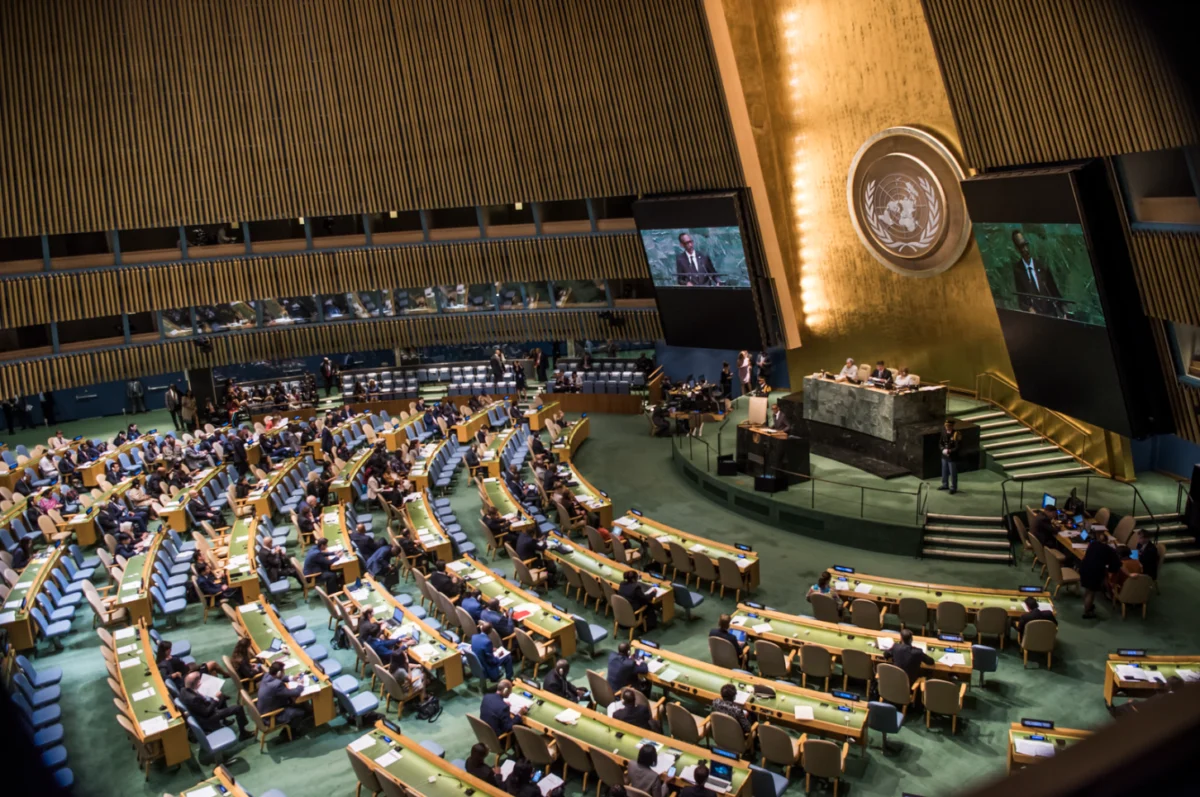
The 2026 United Nations General Assembly (UNGA) in New York will be remembered not merely for the speeches delivered, but for the profound dissonance between diplomatic rhetoric and the physical reality of a warming planet. As António Guterres stood before the General Assembly for his final term as Secretary-General, his message was a sharp, uncompromising indictment of a global order that continues to prioritize fossil fuel interests over the survival of vulnerable nations.
The Secretary-General’s Final Mandate: “Polluters Must Pay”
In a valedictory address that signaled a departure from the measured language of traditional diplomacy, Guterres issued a clarion call for international cooperation at a time of unprecedented strain. His message to the world’s leaders was grounded in the stark physics of climate change: governments must adopt national transition plans aligned with the 1.5°C threshold. Crucially, he demanded the protection of workers and communities throughout this shift.
However, it was his three-word ultimatum that captured the zeitgeist of the gathering: “Polluters must pay.”
This phrasing, long championed by grassroots movements like 350.org, represents a seismic shift in the climate discourse. It marks the transition from vague promises of “climate action” to the explicit demand for accountability. By calling for those who have profited most from the extraction and combustion of fossil fuels to bear the financial burden of the damage they have caused, Guterres moved the conversation from the periphery of climate justice to the center of the UN agenda.
Chronology of a Climate Crisis
The backdrop of this year’s UNGA was a series of climate-induced disasters that rendered abstract policy debates increasingly hollow.
- Pre-UNGA Context: A summer defined by record-breaking heatwaves and intensifying El Niño patterns, which heightened global anxiety ahead of the General Assembly.
- The Nepal Intervention: Prime Minister Balendra Shah provided the most gut-wrenching testimony of the week. Following the Bhotekoshi-Trishuli floods—a catastrophe that claimed over 1,400 lives—Shah brought the reality of the climate crisis to the floor of the General Assembly.
- The Electrification Pledge: Mid-week, Türkiye launched its "35-by-35" Global Electrification Pledge, an ambitious attempt to align infrastructure with a low-carbon future.
- The Road to COP31: As UNGA concluded, the focus shifted toward the upcoming COP31 negotiations, with pre-COP meetings scheduled for Fiji, setting the stage for critical debates on the future of energy policy.
The Human Cost: Voices from the Frontlines
Prime Minister Balendra Shah’s address was a masterclass in moral clarity. Rejecting the sterile, bureaucratic language often used to describe “climate risk,” Shah spoke of the tangible, visceral grief of families in Nepal. He described the search for loved ones amidst mud, rocks, and floodwaters—a reality for thousands of Nepalese citizens whose lives were upended in an instant.

"The Bhotekoshi-Trishuli disaster was not just a local tragedy; it was a warning to the world," Shah declared. His message served as a biting critique of global inaction. Nepal, a nation responsible for less than 0.1% of global greenhouse gas emissions, finds itself on the front lines of a crisis it did not create. Shah’s plea for grant-based climate finance—rather than the predatory loan models that continue to trap vulnerable nations in cycles of debt—highlighted the fundamental injustice of the current global economic order.
The Great Contradiction: Ambition vs. Action
While Guterres and leaders like Spain’s Minister for Ecological Transition, Sara Aagesen Muñoz, pushed for accountability, a troubling silence persisted regarding the root cause of the crisis: the continued expansion of the fossil fuel industry.
The upcoming hosts of COP31, Australia and Türkiye, utilized the UNGA platform to promote energy transitions and electrification. Yet, both nations remained notably reticent about the phase-out of coal, oil, and gas. This omission is not merely a diplomatic oversight; it is a fundamental contradiction.
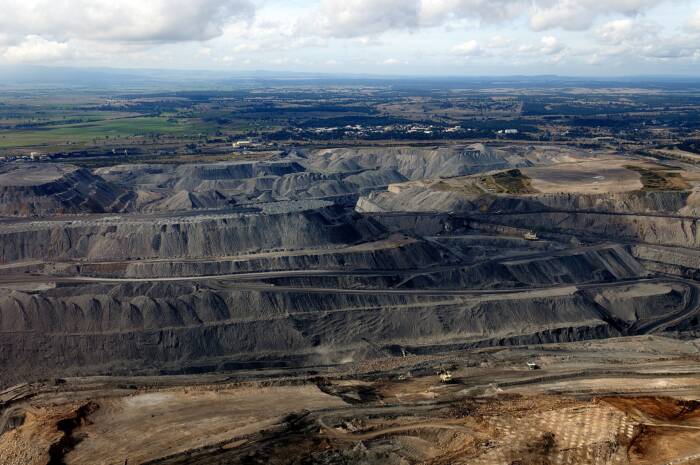
In Australia, the government’s recent approval of the expansion of the Saraji coal mine stands in stark opposition to its rhetoric on climate leadership. Similarly, while Türkiye promotes its "35-by-35" electrification pledge, its national energy policy still includes the planning of new fossil-fuel power capacity. This "electrification without elimination" approach poses a significant danger. As climate advocates have pointed out, unless electrification is powered by renewables and specifically targets energy poverty, it risks merely shifting the demand for energy without disrupting the underlying dependence on fossil fuels.
Supporting Data and the "Awkward Silence"
The intelligence and scientific communities have provided an overwhelming evidence base: climate breakdown is an "instability multiplier." It exacerbates existing vulnerabilities, destroys livelihoods, and drives mass displacement. Despite this, the gap between what governments know and what they are prepared to do remains the defining failure of our time.
A coalition of over 92 civil society organizations released an open letter during the assembly, outlining the conditions for supporting the COP31 electrification pledge. Their argument is clear: the target only holds value if the power is generated through renewable sources, if it reaches the energy-poor, and if it is supported by a robust, funded, and legally binding Just Transition mechanism.
Official Responses and Future Outlook: The Ethiopia Pivot
As the curtain fell on the 2026 UNGA, the torch of climate ambition was picked up by Ethiopia, the designated host of COP32. President Atske’s address stood out as a beacon of leadership, calling for an "action-oriented" climate diplomacy that prioritizes a people-centered transition. Ethiopia’s focus on the climate crisis as the defining imperative of our era provides a necessary, if late, pivot toward genuine accountability.
However, the urgency remains absolute. With the world teetering on the edge of overshooting the 1.5°C target, every fraction of a degree is a life-or-death variable. The institutions that underpin global policy—the World Bank, the IMF, and the UN—are at a crossroads.
Implications for the Future
The implication of this year’s UNGA is that the era of vague, non-binding climate commitments is drawing to a close. The political cost of the status quo is rising. Communities in Nepal, wildfires in Türkiye, and the relentless pressure from international climate movements have created an environment where the "elephant in the room"—the fossil fuel industry—can no longer be ignored.
As diplomats head to Fiji for the pre-COP negotiations, the questions facing the international community are no longer technical; they are existential. Will governments finally attach a firm date to the end of the fossil fuel era? Will they finally provide the financial resources necessary for a just transition, or will they continue to prioritize the profits of polluters over the survival of the marginalized?
The UNGA has ended, but the climate reality remains. The evidence is clear, the solutions are known, and the victims of the current trajectory are visible. As the world moves toward COP31 and COP32, the pressure on governments to act will only intensify. "Polluters must pay" is no longer a slogan; it is the fundamental demand for a future that is not merely survivable, but just. The fossil fuel era must end—not in some distant, convenient future, but now.


 Nila Kartika Wati

 Dwi Wanna