


 Layla Zulfa
As the international community gears up for COP31, scheduled to be held in Antalya, Türkiye, a diplomatic and ethical firestorm has erupted over the fine print of the host country agreement. A clause mandating that participants refrain from interfering in the host nation’s "internal affairs" has been reinstated, a move that human rights organizations warn could stifle dissent, endanger activists, and undermine the transparency essential to global climate negotiations.
Main Facts: The "Non-Interference" Clause
The controversy centers on the Host Country Agreement (HCA) signed between the United Nations Framework Convention on Climate Change (UNFCCC) secretariat and the government of Türkiye. Buried within the legal text governing the logistics and legal status of the summit is a provision requiring attendees to respect the host nation’s sovereignty and abstain from any activities construed as interference in internal domestic politics.
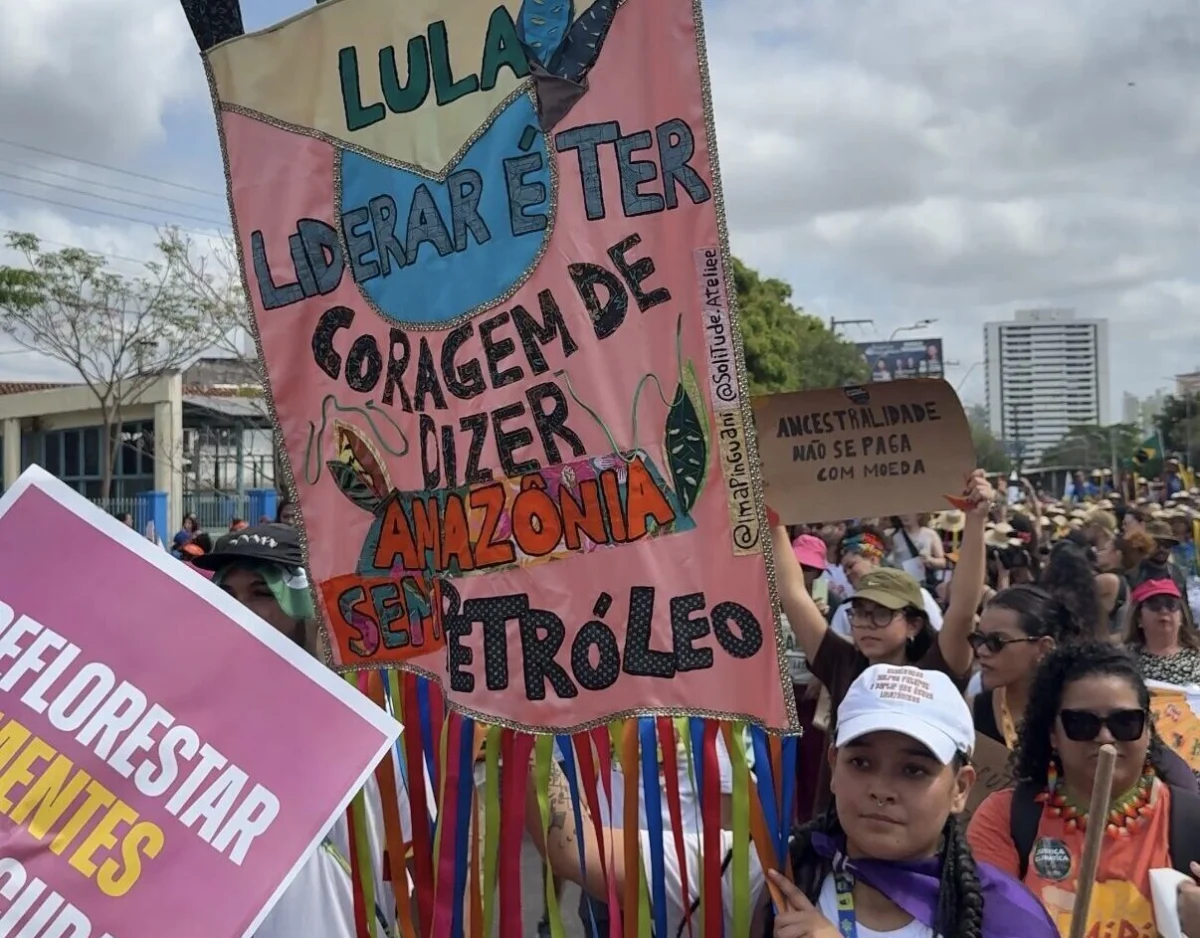
This specific clause was notably absent from the agreement for COP30 in Brazil, where the international community prioritized the inclusion of indigenous voices and civil society groups. Its reappearance in the Turkish agreement has drawn immediate condemnation from international observers who argue that the clause is inherently incompatible with the UNFCCC’s commitment to open, participatory climate action.
Critics contend that the vague wording of the provision gives the Turkish government broad discretionary powers to define what constitutes "interference," effectively creating a chilling effect on journalists, NGO workers, and environmental activists who may wish to highlight the country’s domestic policy gaps during the summit.
Chronology: A History of Tension
The trajectory leading to this moment is marked by a history of uneasy relations between the Turkish government and international human rights bodies.
- 2023–2024: Türkiye faces escalating international scrutiny regarding the detention of high-profile journalists, opposition politicians, and civil society leaders.
- July 2024: During the NATO summit in Ankara, the Turkish government implemented a blanket ban on protests. Security forces were granted sweeping powers to disperse gatherings, a move that set a precedent for how the state manages large international events.
- Late 2024: Negotiations between the UNFCCC secretariat and the Turkish government regarding COP31 logistics reach a critical phase.
- January 2025: The finalized HCA is published, revealing the inclusion of the "non-interference" clause.
- Present: Global NGOs, including Human Rights Watch and Amnesty International, launch formal inquiries into the legality and ethical implications of the clause, demanding that the UN renegotiate the terms to ensure participant safety.
Supporting Data and Political Context
The concerns surrounding the COP31 agreement are not merely speculative; they are grounded in empirical data regarding Türkiye’s current domestic climate.
According to the World Press Freedom Index, Türkiye consistently ranks in the bottom tier of nations for media independence. Furthermore, legal data suggests that the use of "anti-terror" and "national security" legislation has been disproportionately applied to stifle dissent against government policies.
In the context of a climate summit, where activists typically stage demonstrations, lobby delegates, and engage in high-level advocacy, the "non-interference" clause could be leveraged to criminalize standard summit activities. If a participant, for example, were to hold a placard criticizing Turkish energy policy—which is heavily reliant on coal expansion—that individual could theoretically be accused of violating the HCA.
Comparatively, the COP30 agreement in Brazil served as a benchmark for "civil society-first" hosting, where the government of President Luiz Inácio Lula da Silva explicitly guaranteed the rights of indigenous groups to protest and participate in decision-making processes. The regression observed in the Turkish agreement represents a significant pivot in the standard operating procedures of the UN’s climate summits.
Official Responses and Diplomatic Friction
The UNFCCC secretariat has faced mounting pressure to explain how this clause aligns with its "Code of Conduct," which theoretically protects the safety and dignity of all participants.
The UN Stance
In a brief statement, a spokesperson for the UNFCCC maintained that the agreement is "standard procedure" for high-level international gatherings and that the secretariat is working closely with Turkish authorities to ensure that "necessary space is provided for civil society." However, the secretariat stopped short of promising that the clause would be amended, leading many to believe that the UN is prioritizing the success of the logistical hosting over the protection of participants.
The Turkish Government’s Position
Turkish officials have characterized the criticism as "politically motivated" and "disrespectful to national sovereignty." In a press briefing, a spokesperson for the Turkish Ministry of Foreign Affairs emphasized that the country is committed to hosting a "safe and productive" summit and that the non-interference clause is intended to prevent the event from being exploited for "illegitimate political agendas." The government maintains that it has full authority to manage security within its borders according to its national laws.
Civil Society Outcry
The response from international civil society has been swift and severe. Groups such as Climate Action Network (CAN) and various regional human rights alliances have issued joint letters to the UN Secretary-General, demanding that the clause be struck down. They argue that the UN’s credibility as a global mediator is at risk. "If the UN cannot guarantee the safety of those who come to advocate for the planet, then the process itself loses its moral authority," noted one NGO representative.
Implications: The Future of Climate Summits
The inclusion of this clause has profound implications for the future of the COP process.
1. The Chilling Effect on Activism
The most immediate concern is the self-censorship that the clause will inevitably trigger. Activists traveling to Antalya may be hesitant to engage in legitimate protest or critical reporting, fearing detention or deportation. This effectively neutralizes the grassroots pressure that has been a cornerstone of past agreements, such as the Paris Agreement.
2. A Precedent for Authoritarian Hosting
If the UN allows this precedent to stand, it may embolden other nations with poor human rights records to include similar restrictions in future host country agreements. This risks turning global climate summits into stage-managed affairs where only government-sanctioned narratives are permitted, and dissent is pushed into the shadows.
3. Diplomatic Legitimacy
The tension surrounding COP31 highlights a fundamental dilemma in international diplomacy: the balance between respecting national sovereignty and upholding universal human rights. By choosing to prioritize the former, the UN risks alienating its most important stakeholders—the scientists, the indigenous leaders, and the activists who hold governments accountable for their climate pledges.
Looking Ahead: The Path to Antalya
As the countdown to COP31 continues, the focus will remain on whether the UN can secure "side-letters" or additional guarantees from the Turkish government that override the restrictive HCA clause. There is growing sentiment among member states that the UNFCCC must implement a rigorous human rights vetting process for future hosts, ensuring that the legal frameworks of hosting countries are compatible with international human rights standards.
The international community now faces a critical juncture. The success of COP31 will not only be measured by the commitments made to reduce emissions or fund green transitions but also by the integrity of the process itself. If the climate summit becomes a venue where basic rights are traded for diplomatic convenience, the world may find that its ability to solve the climate crisis is crippled by a lack of the very transparency and accountability required to address it.
For the participants heading to Antalya, the summit will be a test of resilience. They must navigate a precarious landscape where the line between "legitimate advocacy" and "internal interference" is intentionally blurred, and where the safety of the messenger is as much a matter of concern as the message itself. Whether the UN steps up to protect its participants or remains a passive bystander remains to be seen. As it stands, the road to Antalya is paved with uncertainty, and the climate movement is watching closely to see if the global stage will remain a space for justice or become a theater for suppression.


 Siti Muinah

 Nila Kartika Wati





