

 Basiran
By CARE Staff | July 28, 2026
The humanitarian landscape in Lebanon has shifted from a state of recurring instability to a profound, systemic crisis. As of late July 2026, the statistics paint a harrowing picture: more than 1 million people have been internally displaced, and the death toll has surpassed 4,300. For the citizens of Lebanon, the cadence of daily life is no longer dictated by the rhythms of work or school, but by the persistent, chilling soundtrack of war.
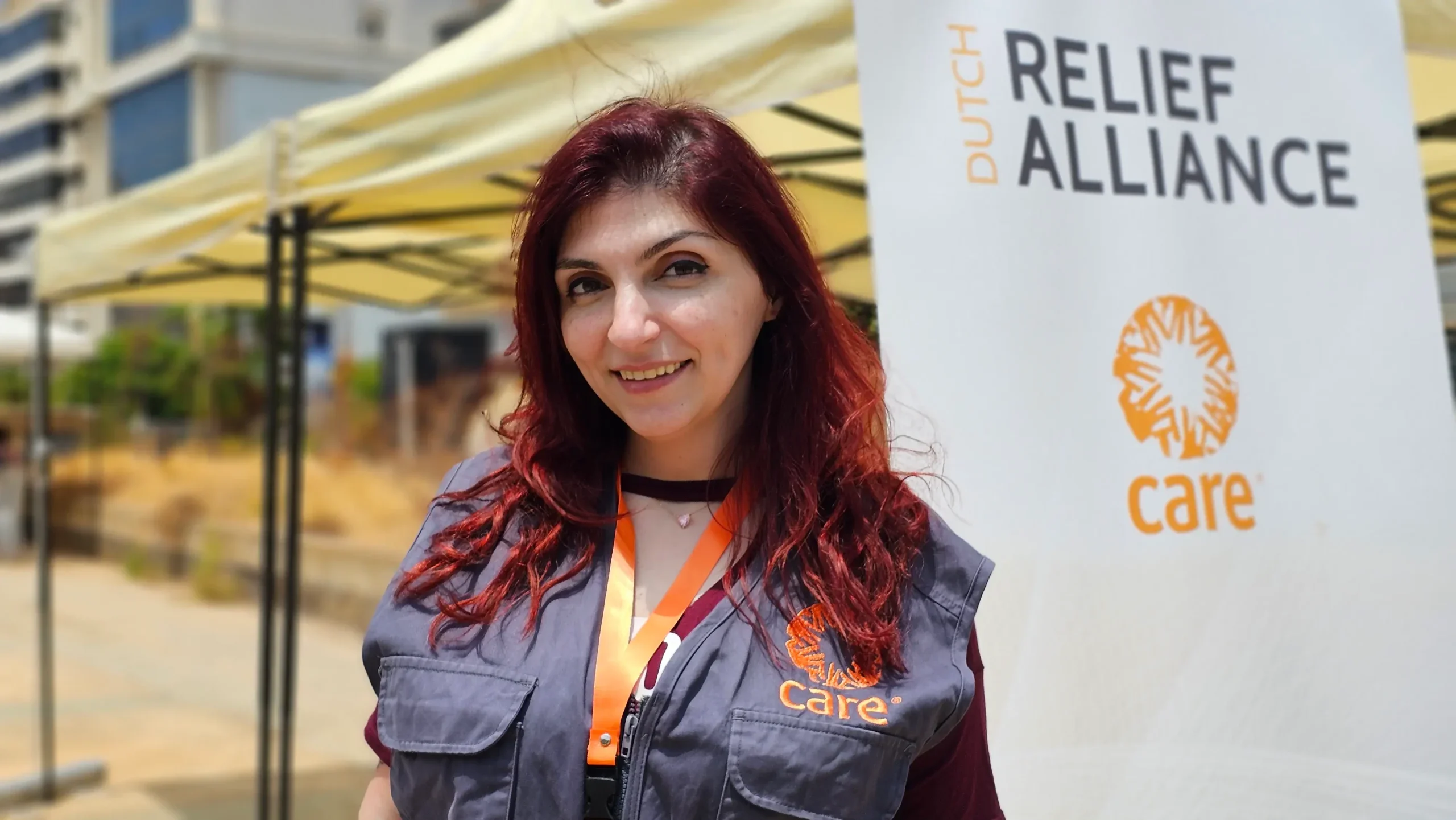
For the staff at CARE, who operate on the front lines of this catastrophe, the mission is twofold: providing life-saving essentials while navigating the same psychological and physical dangers as the communities they serve.
Main Facts: A Nation Under Siege
The ongoing conflict has crippled the country’s infrastructure and fractured its social fabric. Families who once considered themselves resilient in the face of economic collapse now find themselves pushed to the absolute brink of survival.
CARE’s response, initiated at the onset of hostilities earlier this year, has focused on the immediate stabilization of displaced populations. Working in lockstep with local partners, the organization has distributed critical aid—ranging from food and potable water to comprehensive hygiene and dignity kits—to thousands of families who fled their homes with nothing but the clothes on their backs.
Beyond immediate relief, the organization is engaged in long-term infrastructure repair. In collaboration with local authorities, CARE teams are working to rehabilitate water systems and sanitation networks that were decimated by airstrikes, ensuring that the most basic human needs are met even in the shadow of bombardment.
Chronology of the 2026 Crisis
The deterioration of the situation in Lebanon followed a rapid escalation in the early months of 2026.
- March 2026: CARE officially ramped up its emergency response, beginning with large-scale water distribution in Beirut to accommodate the first massive waves of internally displaced persons (IDPs).
- April–May 2026: As the intensity of the conflict increased, the focus shifted toward establishing temporary shelters and addressing the rising health needs of women and children.
- June 2026: Infrastructure failure became a primary concern. Reports emerged of cities spending days and nights in total darkness, as power grids and water treatment plants failed under the strain of continuous military activity.
- July 2026: The current status reflects a desperate, ongoing struggle where humanitarian corridors remain narrow and the demand for aid far outstrips available resources.
Supporting Data: The Scale of Suffering
The numbers tell a story of a country pushed to its knees. Over 1 million people—nearly a quarter of the population—have been forced from their homes. These families are currently residing in makeshift camps, overcrowded schools, or with host families who are themselves struggling to provide food and heating.
The psychological toll is equally staggering. According to preliminary assessments by aid agencies, the rate of Post-Traumatic Stress Disorder (PTSD) among children in southern Lebanon has reached unprecedented levels. The "silent" victims—those who remain in their homes in high-risk zones—face severe food insecurity as supply chains have been effectively severed by the destruction of key transport routes.
The Human Perspective: Voices from the Ground
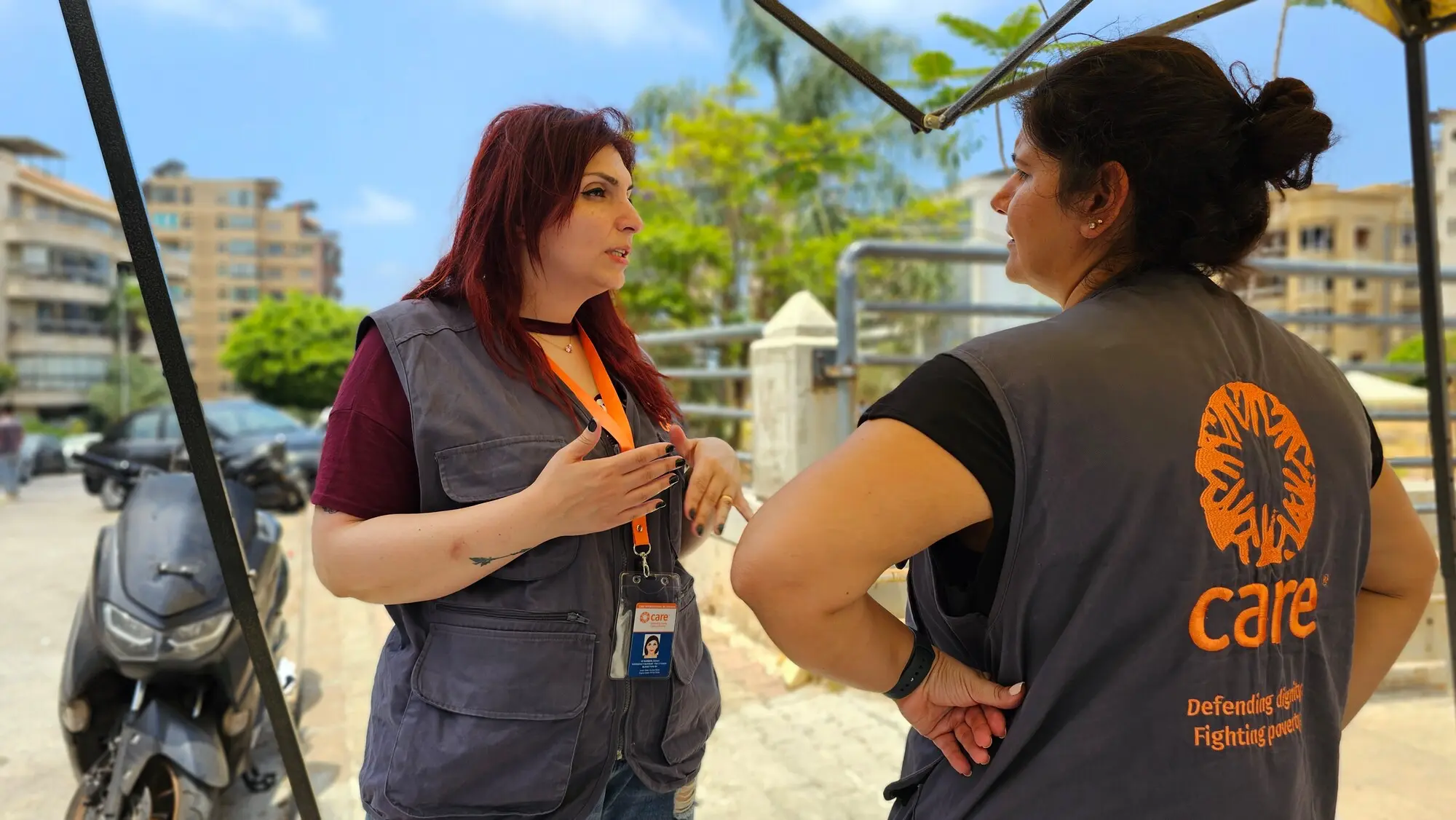
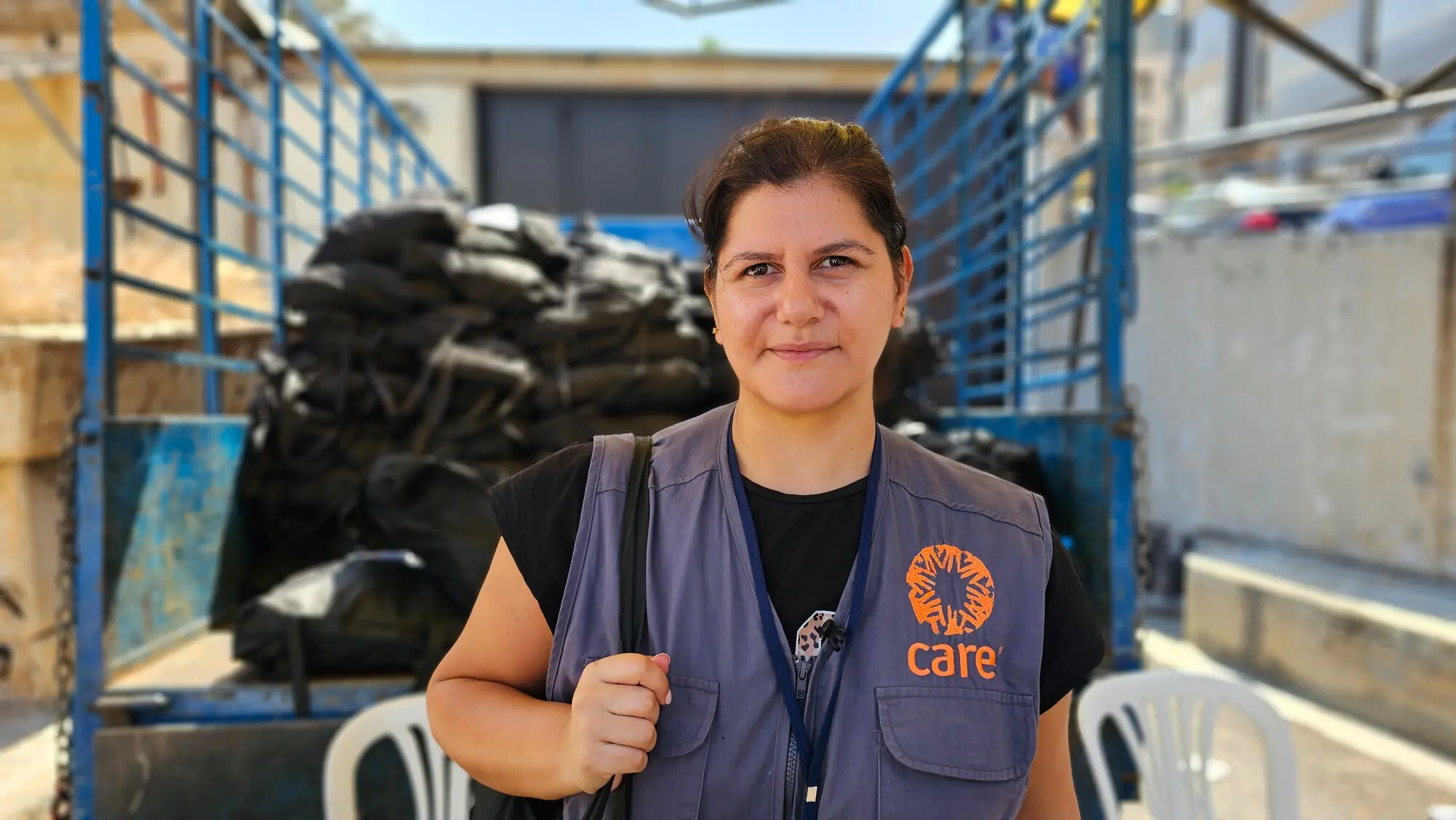
For CARE staff members Hiba Jaber and Eliane Abi Sleiman, the humanitarian work is not just a job; it is a visceral experience of empathy.
Hiba Jaber: A Mother’s Burden
Hiba, a CARE program manager from Nabatieh, is no stranger to the cost of war. Having lived through five separate conflicts, she describes a haunting cycle of intergenerational trauma.
"I know the sound of the plane overhead, the missile, the hiss through the air, the impact and the silence that follows," Hiba says. As a mother of two young boys, aged three and eleven months, her perspective is defined by a desperate desire to shield them from the reality she knows all too well. "My three-year-old hears the bombs and tells me it is thunder, but asks where the rain is. He is too young to understand what war is."
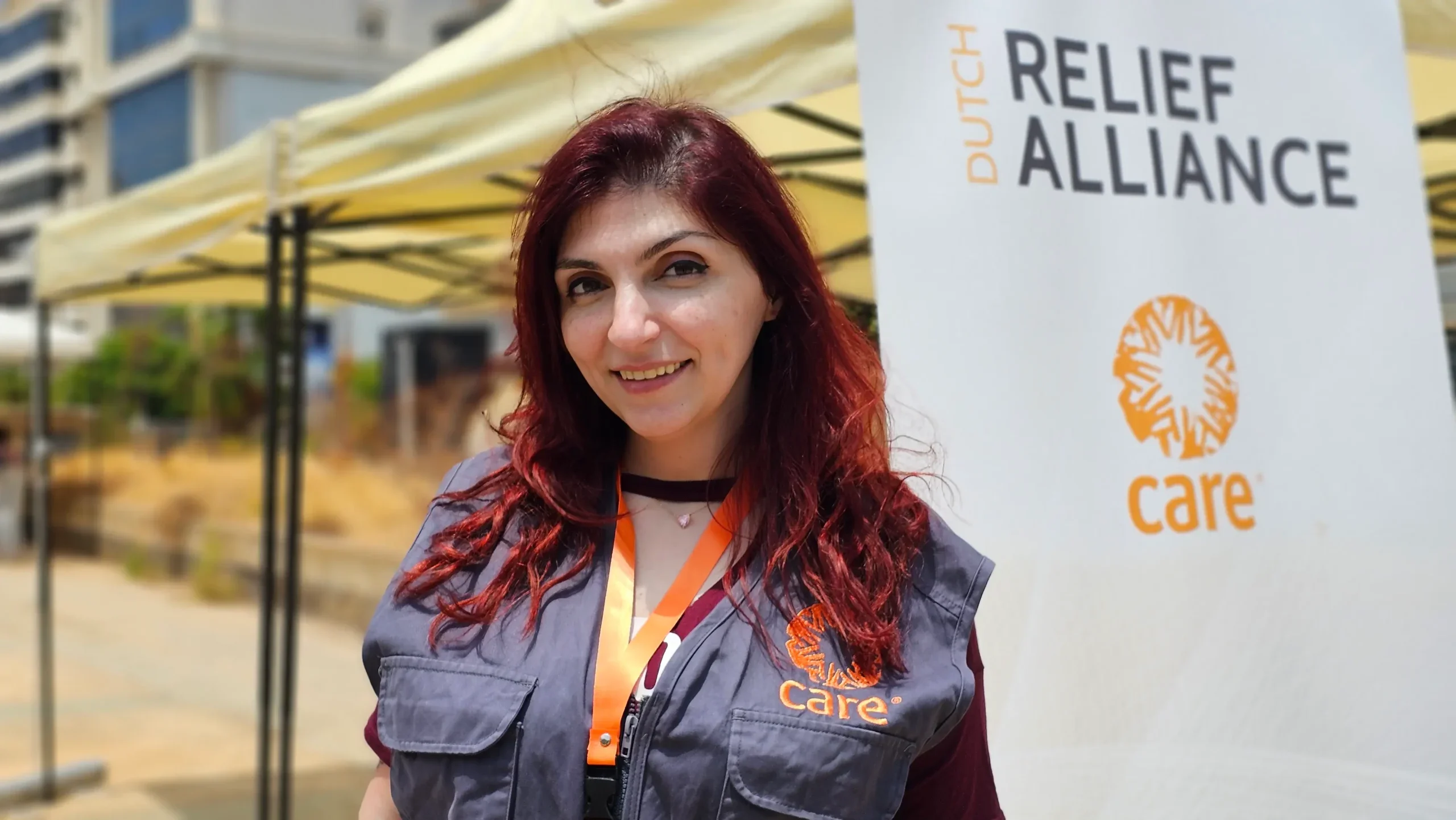
For Hiba, the work is a form of salvation. "Being able to help others takes the guilt away that you are safe and you are okay. We can rebuild homes and repair roads, but war leaves scars that are much harder to heal."
Eliane Abi Sleiman: Living with the Drone
Eliane, also a program manager, highlights the psychological exhaustion of living under constant surveillance and the threat of sudden violence. "The constant buzzing of drones, day and night, accompanies every part of my life," she shares. "It’s a constant source of stress and a relentless reminder that the war is still here."
Eliane notes that the sonic booms of fighter jets act as a trigger for the trauma of the Beirut port explosion years prior. Yet, she emphasizes the necessity of maintaining empathy. "If we become numb, we lose an essential part of our humanity. These are my people. That is why we keep showing up every day."
Official Responses and Strategic Implications
The international community has struggled to provide a unified response to the crisis in Lebanon, leaving local NGOs like CARE to fill the void. The strategic implications are clear: without a sustained, multi-year investment in both immediate humanitarian aid and long-term psychosocial support, a generation of Lebanese children will be lost to the cycle of trauma.
Sarah Easter, CARE’s Emergency Communications Officer, summarizes the reality: "The humanitarian crisis in Lebanon is not only measured in the number of people displaced or the homes destroyed. It is measured in the impossible decisions families are forced to make every day."
Easter recounts the story of a father who keeps a suitcase packed with basic household items—silverware and plates—always by his side, fearing he will never be able to replace them if another airstrike hits. This is the new baseline for millions: a life defined by the anticipation of loss.
Future Outlook: Protecting Human Dignity
CARE remains committed to its core mission: empowering those who provide care and removing barriers to essential services. In times of crisis, the role of health workers becomes paramount. By strengthening healthcare infrastructure, CARE aims to ensure that when the dust finally settles, there is a foundation upon which a shattered society can rebuild.
However, the reality remains dire. Humanitarian aid provides food, shelter, and medical care, but it also provides something arguably more vital: the preservation of dignity. As the conflict continues into the latter half of 2026, the resilience of the Lebanese people is being tested to its limit. They are not asking for charity; they are asking for the basic right to live without the fear of the next blast, the next displacement, or the next silence.
For those who wish to support these efforts, the message is simple: to witness this crisis is to accept a responsibility to act. By supporting organizations that prioritize the most vulnerable, we ensure that in the darkest of times, the light of human compassion does not go out.
For more information on how you can support CARE’s ongoing efforts in Lebanon, visit the official CARE website to learn about our healthcare strengthening initiatives and emergency response programs.

 Dwi Wanna
 Ali Ikhwan