
 Siti Muinah

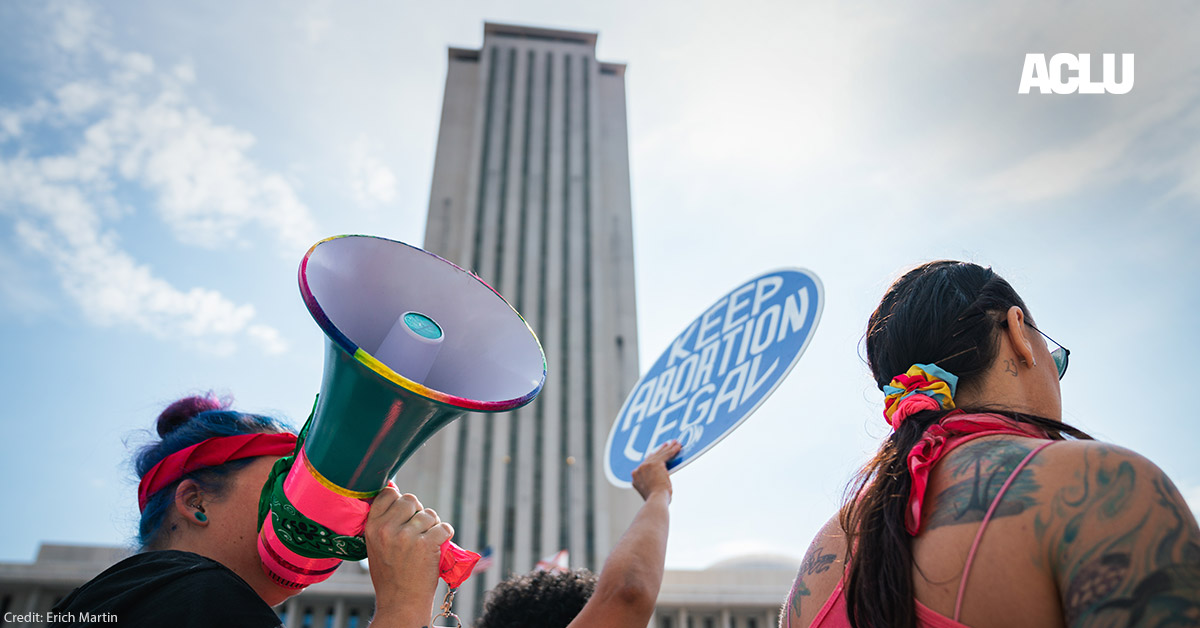
In the shifting landscape of American reproductive rights, Virginia has emerged as a critical battleground. While abortion remains legal within the Commonwealth, the precarious nature of current protections has galvanized a diverse coalition of medical professionals, advocates, and families. This midterm election, the state faces a watershed moment: Ballot Question #1, the Reproductive Freedom Amendment, which seeks to enshrine the right to abortion, contraception, fertility treatments, and comprehensive pregnancy care directly into the Virginia Constitution.
For proponents, this is not merely a policy debate; it is a defensive fortification. As surrounding states in the South have moved to restrict or ban abortion, Virginia has stood as a solitary bastion of access. However, advocates warn that without constitutional protection, this access could be dismantled by a simple change in political leadership or the stroke of a governor’s pen.
The Core Facts: What the Amendment Seeks to Achieve
Ballot Question #1 is designed to be a comprehensive legal shield. If passed, it would guarantee a fundamental right to:
- Abortion access: Protecting the right to terminate a pregnancy without undue interference.
- Contraception: Ensuring that access to birth control remains an unencumbered healthcare choice.
- Fertility Treatment: Providing explicit protections for procedures like in vitro fertilization (IVF).
- Comprehensive Maternal Care: Safeguarding care related to miscarriage management, prenatal health, childbirth, and postpartum support.
Crucially, the amendment aims to provide a "safe harbor" for both patients and healthcare providers, ensuring they cannot be penalized, investigated, or prosecuted for participating in or seeking legally protected reproductive health services. By moving these protections from statute to the constitution, the amendment creates a significantly higher legal barrier against future legislative rollbacks.
A Chronology of the Fight for Access
The push for this amendment did not emerge in a vacuum. It is the culmination of years of escalating tension following the overturning of Roe v. Wade in 2022.
- The Post-Dobbs Reality: Immediately following the federal decision, reproductive rights advocates in Virginia identified the state’s legislative vulnerability. Despite holding the line against restrictive bills in the state legislature, advocates recognized that statutes are fragile.
- Coalition Building: Throughout 2024 and 2025, organizations like the ACLU of Virginia and Virginians for Reproductive Freedom began a coordinated effort to bring personal narratives to the forefront of the political discourse.
- The Path to the Ballot: After navigating the legislative hurdles required to place a constitutional amendment before the voters, the initiative was officially certified for the 2026 midterm ballot.
- The Current Phase: As of October 2026, the focus has shifted from the legislative halls to the grassroots level, with intensive efforts to educate voters on the difference between statutory law and constitutional protection.
Supporting Data and the Human Element
The necessity of the amendment is best illustrated through the lived experiences of those who navigate the current system. The human cost of restricted care is not an abstract concept; it is a daily reality for many.
The Healthcare Perspective
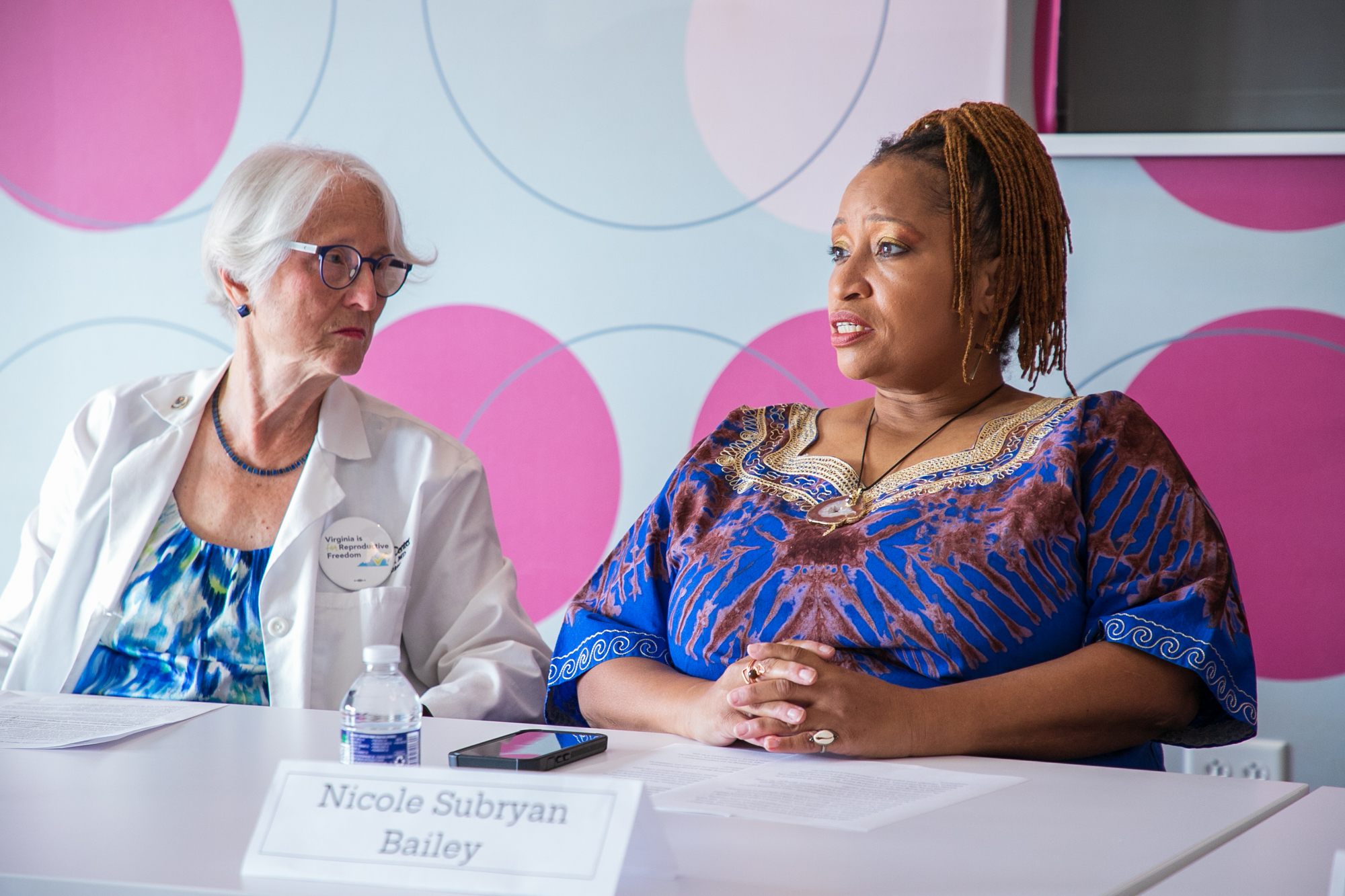
Nicole Subryan Bailey, a veteran critical care nurse, speaks from both professional and personal vantage points. Her experience in maternal health rotations—witnessing both the joy of birth and the trauma of infant loss—is compounded by her own history with miscarriages.
"In one miscarriage, I wound up almost bleeding to death," Bailey notes. "I am very aware of what the problems are on a personal level, and also on a professional level." Bailey, who also had an abortion as a college student, emphasizes that the systemic barriers—financial, social, and medical—fall hardest on vulnerable populations. "My advocacy for women’s issues was born out of needing to get contraception and going to Planned Parenthood. Seeing the great need in all communities, but specifically in my own, made me join the fight."
The Struggle for Fertility and Family
For many, the debate over "reproductive freedom" is often reduced to abortion access, but for families struggling with infertility, the stakes are equally personal. Lee Anne Boyd, a volunteer with the pro-amendment coalition, spent years navigating the exhausting, expensive, and emotionally taxing world of IVF.
"My path wasn’t as straightforward as I would have hoped," Boyd explains. After five grueling rounds of IVF, she and her husband welcomed their son, Declan. "My story isn’t just about one child’s birth. It is about the freedom to build a family, free from stigma and political interference. Everyone deserves the chance I had to start a family." For Boyd, the amendment is essential to ensure that fertility treatments remain a viable medical option, protected from the political whims of those who may wish to define personhood in ways that criminalize essential reproductive technologies.
The Generational Impact
Lauren Palladini, a school counselor and mental health professional, views the amendment through the lens of community health and equity. Drawing on her own family’s history, she highlights how access—or the lack thereof—dictates the trajectory of a life.
"My sister had limited access to contraceptives and education," Palladini says. "Even just access to education or birth control that was more effective for her would have maybe changed the trajectory of her life." Palladini notes that when individuals are forced to seek care in a climate of fear and stigma, the psychological toll is profound. "We have democracy, but we are not always going to agree. But do we want to set ourselves up for a situation where one person can, with a swipe of a pen, take away our rights?"
Official Responses and Political Implications
The political landscape in Virginia is deeply divided on this issue. Proponents of the amendment argue that it is a non-partisan issue of bodily autonomy. They point to the fact that Virginia’s constitution already protects various individual liberties and that reproductive health should be treated with the same level of gravity.
Opponents, however, have raised concerns regarding the scope of the amendment, often focusing on the interpretation of "viability" and the regulatory reach of the state. They argue that constitutionalizing these rights removes the ability of future legislatures to adjust health policies as medical technology and social standards evolve.
However, advocates maintain that the "swipe of a pen" argument is the most compelling reason to support the measure. Because Virginia holds state elections every year, the legislature’s composition can fluctuate wildly, leading to a "yo-yo effect" in public policy. By enshrining these rights in the constitution, the amendment acts as a stabilizer, preventing the state from oscillating between periods of open access and sudden, restrictive bans.
The Broader Implications: A Southern Pivot Point
The outcome of the vote in Virginia will have ramifications that extend far beyond the state’s borders. As other Southern states have enacted near-total bans on abortion, Virginia has become a destination for patients traveling from across the region to seek care.
If the Reproductive Freedom Amendment passes, it would send a powerful message to the rest of the nation: that even in a region trending toward restriction, there is a viable path toward institutionalizing bodily autonomy. It would solidify Virginia’s role as the regional provider of reproductive healthcare, likely putting more strain on the state’s medical infrastructure, but also providing a necessary service to thousands of people who have nowhere else to turn.
Conversely, if the amendment fails, it could embolden anti-abortion groups to push for restrictive legislation in the next session, effectively ending Virginia’s status as a regional safe haven. The volatility of the political climate means that this election will likely determine the legal landscape for a generation.
Conclusion: The Choice at the Ballot Box
As voters head to the polls, they are being asked to decide on the fundamental nature of the relationship between the state and the individual. The supporters of the Reproductive Freedom Amendment argue that the decision to start, grow, or end a pregnancy is a private medical matter that should remain in the hands of patients and their providers.
Whether through the lens of the nurse, the parent who used IVF, or the counselor advocating for her community, the message from the "Yes" campaign is consistent: Rights that are not constitutionally protected are not rights at all; they are temporary privileges. In the 2026 midterms, Virginians will decide whether they prefer the current uncertainty or the permanence of a constitutional guarantee. For many, the answer is clear: it is time to secure the freedom to make personal, medical decisions without the fear of political interference.

Paid for by American Civil Liberties Union, Inc. in coordination with Virginians for Reproductive Freedom.


 Nana Muazin
 Raul Delapena Setiawan