

 Pevita Pearce
Main Facts: A Shift Toward Mindful Consumption

As the global holiday season approaches, a significant shift in consumer behavior is emerging. The traditional model of gift-giving—often characterized by the accumulation of physical goods, plastic packaging, and "clutter"—is being challenged by the "consumable" movement. According to recent market analysis and reports from sustainability advocates like Sustainable Jungle, consumable gifts are no longer seen as secondary options but as premium, intentional choices for the modern era.
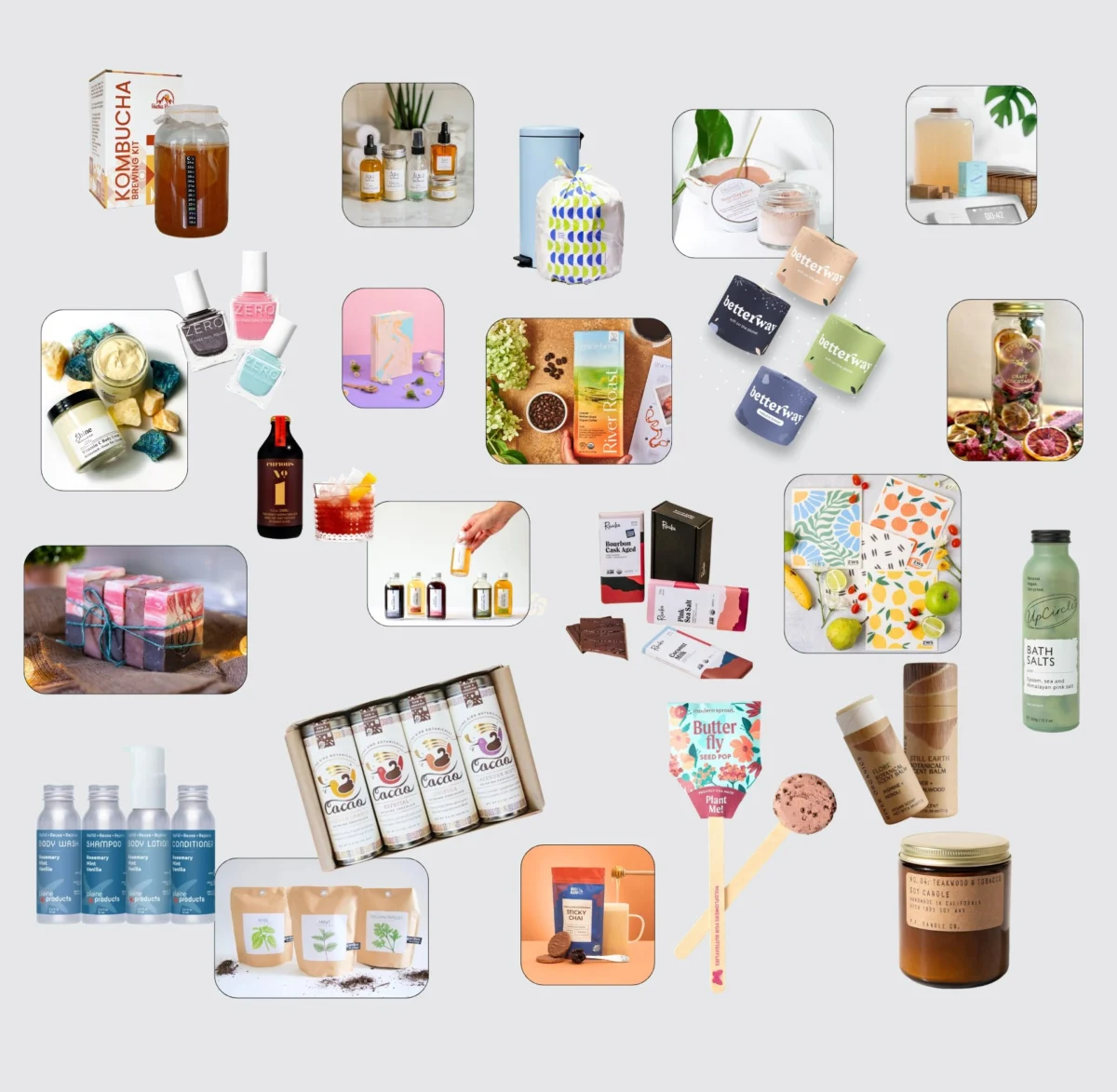
A consumable gift is defined as any product designed to be used up entirely, leaving behind little to no physical footprint. This category spans high-quality artisanal foods, ethically sourced beverages, biodegradable self-care products, and even high-end eco-friendly household staples. The primary appeal lies in the "clutter-free" promise: once the recipient enjoys the item, it vanishes, sparing them the burden of long-term storage and eventually sparing the landfill from discarded "stuff."

The movement is gaining traction among a specific demographic: the "person who has everything." For these individuals, the value of a gift is increasingly measured by the quality of the experience it provides rather than its permanence. From fair-trade chocolates and organic coffees to compostable cleaning supplies, the 2026 holiday season marks a turning point where utility and sustainability are the new luxury.
Chronology: From Mass Consumerism to the "7-Gift Rule"
The trajectory of holiday gifting has undergone a radical transformation over the last three decades.
- The 1990s and Early 2000s: The Era of Excess. This period was defined by "Big Box" retail dominance and the rise of "gag gifts"—inexpensive, plastic-heavy novelties intended for short-term humor but destined for long-term waste.
- 2010–2018: The Minimalist Awakening. Influenced by the "Marie Kondo" effect and the burgeoning zero-waste movement, consumers began questioning the necessity of physical accumulation. The "Want, Need, Wear, Read" rule gained popularity as a way to limit holiday excess to four meaningful items.
- 2019–2023: The Pandemic and the Experience Economy. As physical gatherings were restricted, there was a surge in digital and consumable gifting. People began to value the "ritual" of a high-quality cup of coffee or a spa-like bath at home. Sustainable Jungle first published its comprehensive guide to consumable gifts in October 2023, responding to a 30% increase in search traffic for "low-waste gift ideas."
- 2024–2026: The Professionalization of Consumables. Brands like Patagonia Provisions and Who Gives A Crap have elevated "useful" items into gift-worthy experiences. The "7-Gift Rule" has now emerged, expanding the original minimalist framework to include categories like "something to share" and "something to do," where consumables fit perfectly.
Supporting Data: The Environmental Cost of Gifting

The push for consumables is backed by sobering environmental statistics. Research indicates that in the period between Thanksgiving and New Year’s Day, household waste in developed nations increases by approximately 25%. This includes:
- Wrapping Paper: Millions of tons of gift wrap end up in landfills annually, much of which cannot be recycled due to plastic coatings, glitter, or foil.
- Unwanted Gifts: A 2024 survey suggested that nearly 15% of holiday gifts are discarded or forgotten within six months of receipt.
- Carbon Footprint: The "returns" culture associated with physical goods (clothing, electronics) creates a massive carbon footprint through reverse logistics and shipping.
In contrast, the consumable gifts highlighted in the 2026 update by Sustainable Jungle focus on brands that utilize the "22-point rating system." This system evaluates companies based on ingredient integrity, plastic-free packaging, and carbon-conscious shipping. For instance, brands like Raaka Chocolate or Saffi Saana (oils and vinegars) utilize compostable packaging or infinitely recyclable glass, ensuring that the "end-of-life" for the gift is as clean as its beginning.

Official Responses: The Ethics of the "22-Point Rating System"
Sustainability experts and editors at Sustainable Jungle maintain that the "consumable" label is not a free pass for any product. To be truly sustainable, a consumable must meet rigorous ethical standards.

"We independently research every brand we feature," states Amber McDaniel, Head of Content at Sustainable Jungle. "A consumable gift is only as good as its supply chain. If a box of chocolates is ‘consumed’ but the cocoa was sourced through exploitative labor, the sustainability claim is void."
The organization’s 22-point rating system serves as a benchmark for the industry. Key criteria include:

- Sourcing Ethics: Fair trade certifications and direct-trade relationships.
- Ingredient Transparency: Absence of "forever chemicals" (PFAS) and synthetic fragrances.
- Packaging Innovation: The use of FSC-certified paper, mushroom packaging, or refillable aluminum.
- Social Responsibility: Brands that give back to environmental or social causes.
Industry leaders have responded to these pressures. B-Corp certified companies are increasingly pivoting toward "refill models." For example, Plaine Products and River Organics have seen record growth by offering personal care items in returnable or compostable containers, proving that consumers are willing to pay a premium for a "closed-loop" gifting experience.
Implications: The Future of the Gifting Economy

The move toward consumable gifting has profound implications for both the retail industry and social psychology.
For the Retail Industry:
Traditional retailers are being forced to rethink their "inventory-heavy" models. There is a growing market for "subscription-based" consumables (coffee, wine, eco-cleaning) which provide steady revenue while reducing the need for seasonal overproduction. Brands that fail to adopt sustainable packaging are finding themselves excluded from the influential "gift guides" that drive holiday sales.

For the Consumer:
There is a psychological benefit to "clutter-free" living. Studies have shown that physical clutter contributes to increased cortisol levels (stress). By giving a gift that can be eaten, drunk, or used in a bath, the giver is essentially offering the recipient a moment of joy without the subsequent "storage stress."
For the Environment:
If 20% of global holiday shoppers switched from physical goods to sustainable consumables, it is estimated that millions of tons of carbon emissions could be diverted. This shift supports the "circular economy," where products are designed with their eventual disappearance in mind.

Categorical Highlights of the 2026 Gifting Landscape
To understand the breadth of this movement, one must look at the specific categories that have redefined the market this year:

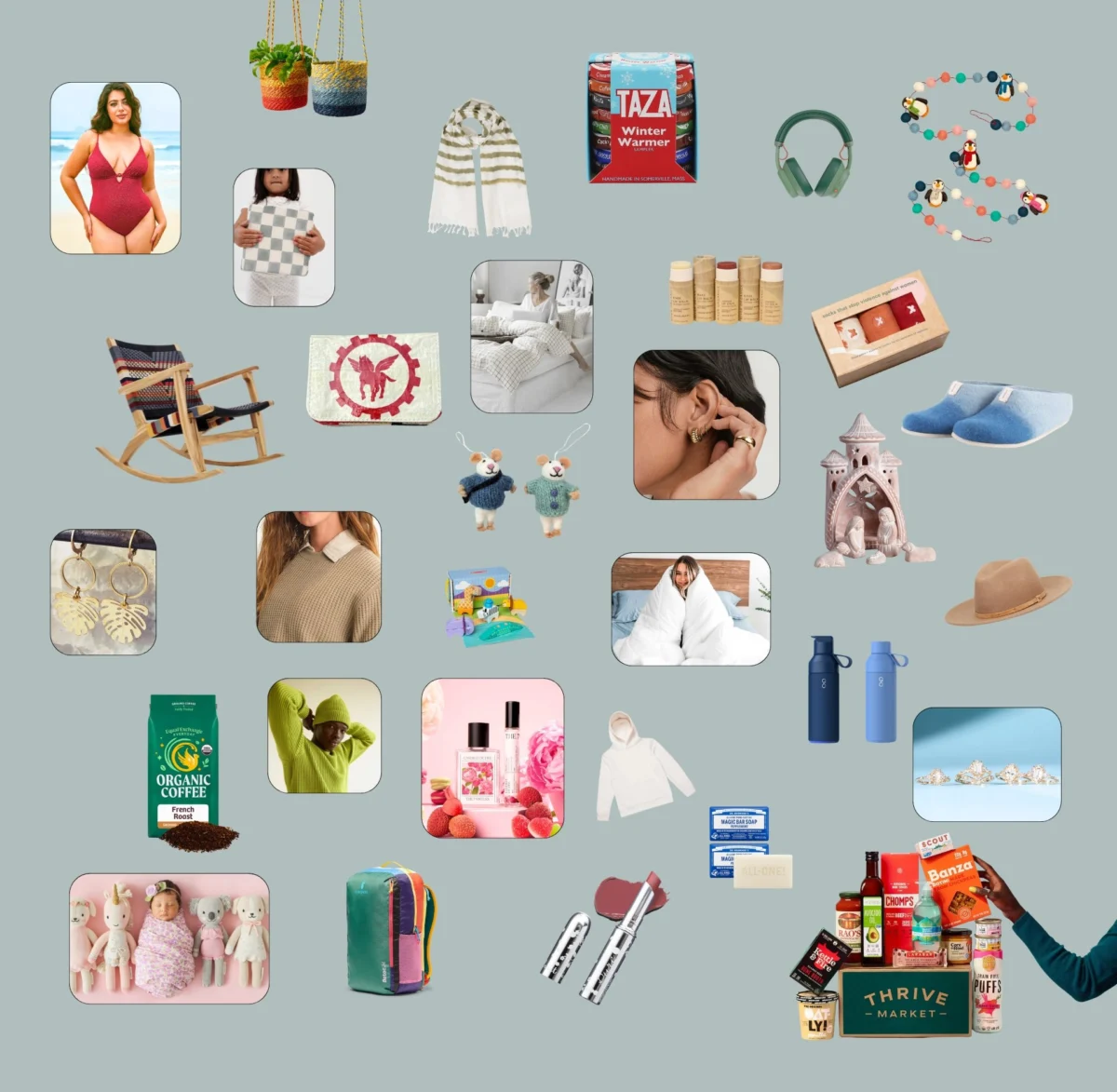
- Edible & Artisanal Treats: This is the "love language" of the movement. From Manukora honey to sourdough starter kits, these gifts focus on the "slow food" movement, encouraging recipients to engage with their food.
- Liquid Rituals: The beverage category has expanded beyond wine to include craft cocktail kits, organic loose-leaf teas, and ethically sourced coffee. These items are prized because they facilitate social interaction—the "something to share" aspect of the 7-gift rule.
- The Utility Revolution: Perhaps the most surprising trend is the rise of "high-end utility" gifts. Eco-friendly cleaning tablets and bamboo toilet paper (wrapped in designer-grade, plastic-free paper) have become acceptable, even trendy, hostess gifts. They represent a shift toward "radical practicality."
- Sustainable Self-Care: The beauty industry is a major plastic polluter. Consumable self-care gifts—like solid shampoo bars, bath bombs in compostable film, and cardboard-tubed lip balms—allow for indulgence without the environmental guilt.
Conclusion: A Legacy of Experiences, Not Objects
The 2026 holiday season reflects a maturing of the environmental movement. No longer content with "greenwashed" physical products, consumers are opting for the ultimate sustainability: the gift that leaves no trace.

As the editors at Sustainable Jungle conclude, "The best gifts are the ones that don’t stick around, except in someone’s heart." By prioritizing the stomach, the skin, and the home’s utility over the shelf or the closet, modern givers are fostering a culture of mindfulness. The transition to consumable gifts is more than a trend; it is a necessary evolution in how we celebrate, ensuring that our holiday traditions do not come at the expense of the planet’s future.

 Nana
 Nila Kartika Wati