



 Rifan Muazin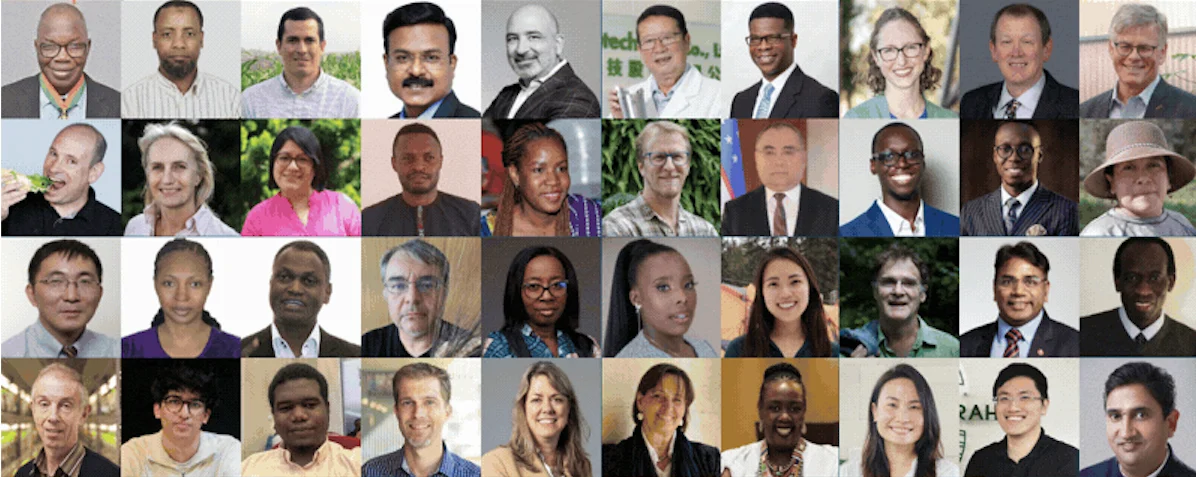
In a landmark announcement marking four decades of advocacy for global food security, the World Food Prize Foundation has unveiled its 2026 cohort of Top Agri-food Pioneers (TAP). The list, which celebrates 40 visionaries from across the globe, spotlights the scientists, policymakers, and grassroots innovators who are fundamentally reshaping how the world grows, processes, and distributes food.
As global food systems face an unprecedented convergence of climate instability, geopolitical conflict, and population growth, these 40 individuals represent the vanguard of the necessary transition toward sustainability. Spanning 30 countries and six continents—from the sprawling plains of Australia to the innovative research hubs of Uzbekistan—the cohort serves as a testament to the universality of the hunger crisis and the ingenuity required to solve it.
The 2026 TAP Cohort: A Spectrum of Innovation
The selection process for the 2026 TAP list was defined by a commitment to diversity, not only in geography but in expertise and age. The youngest pioneer is just 16 years old, while the most seasoned member is 81, illustrating that the drive for a food-secure planet transcends generational boundaries.
The scope of their work is equally broad. While some honorees are deeply entrenched in traditional agricultural disciplines—such as crop genetics, livestock health, and natural resource management—others are operating at the cutting edge of the "Fourth Industrial Revolution." The list includes pioneers working in:
- Advanced Food Manufacturing: Experts utilizing 3D and 4D food printing technologies to address nutrient density and localized production.
- Artificial Intelligence: Researchers applying machine learning algorithms to predict crop yields, optimize irrigation, and monitor soil health in real-time.
- Environmental Stewardship: Scientists developing groundbreaking methodologies for the reduction of methane emissions in livestock, a critical component of climate-smart agriculture.
- Public Health & Nutrition: Practitioners focused on the nexus of childhood nutrition and early-life development, ensuring that the food produced is not only abundant but accessible and health-promoting.
Chronology: From Foundation to Global Recognition
The World Food Prize Foundation’s decision to elevate these 40 pioneers is deeply intertwined with the organization’s 40th anniversary. To understand the significance of this milestone, one must look at the evolution of the Foundation’s mission:
- 1986: Dr. Norman E. Borlaug, the father of the Green Revolution, establishes the World Food Prize to recognize individuals who have advanced human development by improving the quality, quantity, or availability of food in the world.
- 2024: Recognizing that the challenges of the 21st century require more than just technical solutions, the Foundation launches the Top Agri-food Pioneers (TAP) initiative to identify and support a new generation of change-makers.
- 2026 (June 30): The Foundation prepares for its "DialogueNEXT" event in Nairobi, Kenya. This gathering serves as a critical pre-cursor to the main ceremony, focusing on bringing together stakeholders to find tangible solutions for global hunger.
- 2026 (October 20–22): The 40 pioneers will be formally honored during the annual Norman E. Borlaug International Dialogue in Des Moines, Iowa. This event, often referred to as the "premier global food security summit," will provide a platform for the TAP cohort to share their findings with global leaders, investors, and policymakers.
Supporting Data: Why the TAP Initiative Matters
The urgency behind the TAP program is backed by sobering data. According to the United Nations Food and Agriculture Organization (FAO), nearly 733 million people faced hunger in 2023. Climate change is rendering traditional farming practices in many regions obsolete, and current global supply chains are increasingly vulnerable to economic and political shocks.
The 2026 TAP cohort is specifically designed to address these "overlapping crises." By fostering a network of 40 experts, the Foundation creates a cross-pollination of ideas. For instance, an innovator working on drought-resistant crops in Uzbekistan can share data-driven insights with a policymaker in Nigeria, creating a ripple effect of knowledge that would otherwise remain siloed within academic or regional institutions.
Furthermore, the integration of technology—such as AI and 4D printing—is not merely academic. It is a direct response to the need for "precision agriculture." With limited arable land and finite water resources, the shift from high-volume, low-efficiency farming to high-efficiency, technology-driven food systems is no longer optional; it is a prerequisite for survival.
Official Responses and the Philosophy of Change
The leadership at the World Food Prize Foundation has been clear: the TAP list is not just a collection of names, but a strategic investment in the future of human sustenance.
"Amidst the overlapping crises facing our food systems today, stabilising global food and nutrition security is as urgent as it has ever been," said Mashal Husain, President of the World Food Prize Foundation. "The 2026 TAP cohort recognizes innovators who are delivering practical, science-driven solutions across a range of existing and emerging disciplines to build the resilient, sustainable and food-secure planet we all deserve."
One of the most vocal honorees, Chiedozie Egesi, Executive Director and CEO of the National Root Crops Research Institute in Nigeria, emphasized the human element of this technological progress. For Egesi, research is meaningless if it remains trapped in the laboratory.
"This recognition is not a personal accolade but an affirmation that effective deployment of science and innovation and purposeful leadership can transform lives when translated into action," Egesi stated. He further noted that the honor belongs as much to the farmers as it does to the scientists: "Research achieves its highest purpose when it transforms farms, feeds families, and builds nations. It also honors the resilience of African farmers who, against all odds, continue to feed communities, strengthen economies, and secure the continent’s future. Food security is not a dream but a deliberate choice."
Implications: Building a Resilient Future
The announcement of the 2026 TAP list carries profound implications for the global food sector.
1. Bridging the Gap Between Policy and Practice
Often, the disconnect between scientific discovery and policy implementation is the greatest barrier to progress. The TAP program explicitly seeks to bridge this divide by bringing policymakers into the same orbit as scientists. By elevating these individuals, the Foundation ensures that legislative frameworks are informed by the latest scientific realities.
2. The Decentralization of Innovation
By casting a wide net across 30 countries, the Foundation is acknowledging that solutions are not exclusively found in Western research institutions. The inclusion of diverse perspectives—particularly from the Global South—is crucial for developing localized solutions that are culturally, economically, and ecologically appropriate.
3. A Focus on Long-Term Sustainability
The emphasis on "resilient" systems suggests a shift in the Foundation’s focus. It is no longer enough to produce more food; the food system must be capable of withstanding future shocks. This includes soil regeneration, water conservation, and the reduction of food waste—all of which are key focus areas for the 2026 cohort.
4. Setting the Stage for Future Dialogue
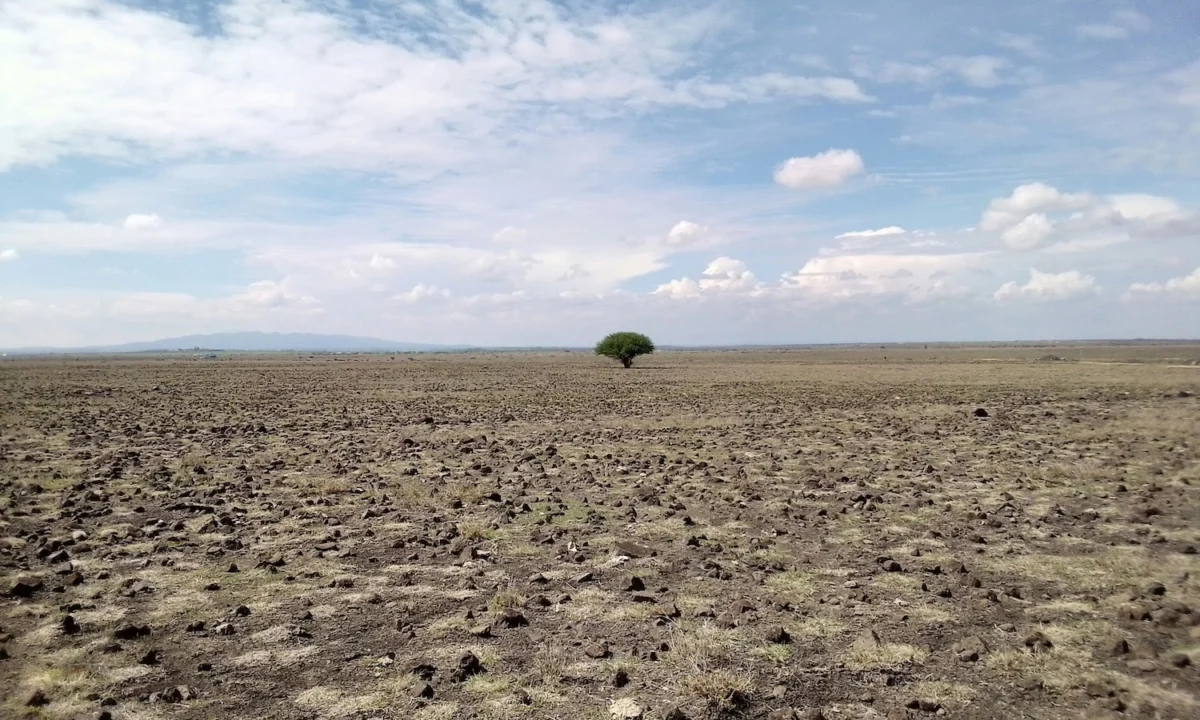
The upcoming "DialogueNEXT" event in Nairobi is the next logical step in this journey. By moving the conversation outside of the United States and into a region acutely impacted by food insecurity, the Foundation is reinforcing its commitment to global equity. This event will serve as a laboratory where the 40 TAP pioneers can test their ideas against the realities on the ground.
Conclusion
As the World Food Prize Foundation marks 40 years of service, the 2026 Top Agri-food Pioneers represent a transition toward a more proactive, technology-integrated, and globally collaborative approach to ending hunger.
The path forward will not be easy. Climate volatility and population pressures are growing, and the margin for error is shrinking. However, as the stories of these 40 individuals demonstrate, the capacity for human innovation is vast. Whether through the humble root crop research in Nigeria or the sophisticated AI applications emerging from global tech hubs, the tools to feed the world exist. What is required now is the political will, the investment, and the collaborative spirit that the TAP initiative seeks to foster.
The world will watch with keen interest as these pioneers convene in Des Moines this October. Their work serves as a reminder that while the challenges are great, the potential for a sustainable, food-secure future is within reach—provided we choose to act with the same urgency and dedication as those honored today.
For more information on the 2026 Top Agri-food Pioneers and to explore their specific contributions to global agriculture, the full list is available via the World Food Prize Foundation’s official website.

 Ali Ikhwan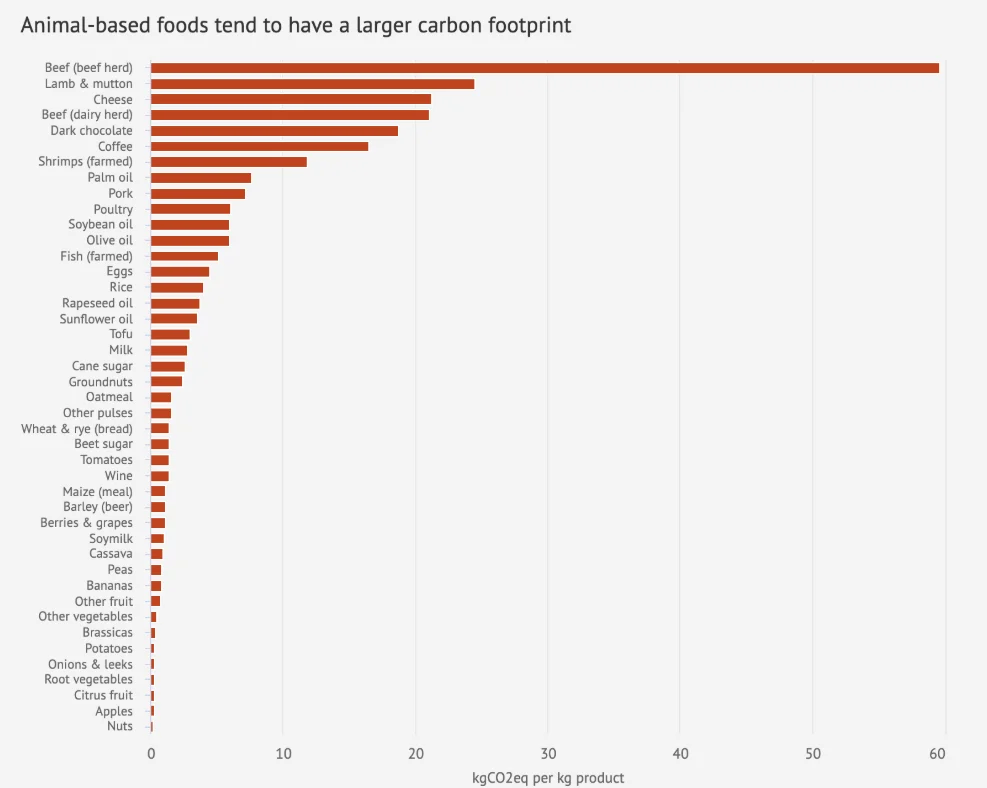
 Raul Delapena Setiawan