

 Azzam Bilal Chamdy
For decades, the American cattle industry has been defined by a quiet, systemic narrowing of power. Today, a mere four corporate entities maintain a stranglehold on approximately 80 percent of the United States beef market. This consolidation has left ranchers struggling for leverage and consumers grappling with historic, inflation-adjusted price surges for staples ranging from ribeye steaks to ground beef.
Now, the Trump administration has signaled a definitive shift in policy, framing the dominance of these meatpacking giants not merely as an economic concern, but as a direct threat to national security.
The Landscape of Consolidation: A Market Under Lock and Key
The modern beef industry is a study in vertical and horizontal integration. The "Big Four"—a quartet of processing conglomerates—have spent years absorbing smaller competitors, streamlining the supply chain to prioritize efficiency for shareholders while simultaneously squeezing the margins of independent producers.
According to data synthesized by Food Safety News, this concentration of power has reached a critical threshold. When four companies control four-fifths of a market, the principles of a "free market" begin to erode. Producers—the ranchers who raise the cattle—find themselves with fewer buyers for their livestock, effectively turning them into price-takers rather than price-setters. Conversely, consumers at the supermarket checkout line are met with prices that fail to correlate with the fluctuating costs paid to the farmers themselves.
This disparity has sparked a populist outcry, with bipartisan frustration boiling over regarding the disconnect between farm-gate prices and retail receipts.
Official Response: The USDA’s New Front
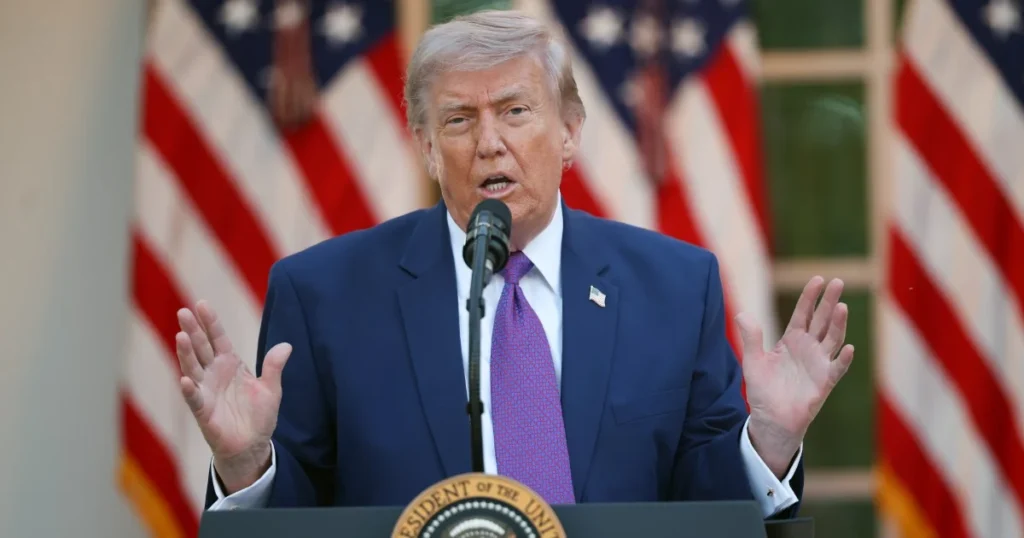
In a series of aggressive statements posted to social media, USDA Secretary Brooke Rollins has articulated the administration’s intent to disrupt this status quo. The rhetoric marks a departure from traditional hands-off agricultural policy, pivoting toward a more interventionist stance centered on "fairness and competition."
"We must work to address this to protect our ranchers and consumers," Secretary Rollins stated. "The President and this administration are focused on promoting fairness and competition—ensuring our producers have options and a level playing field."
Perhaps most striking is the administration’s focus on the ownership structure of these firms. Rollins highlighted that a significant portion of these meatpacking giants—including the largest entity in the global market—are either foreign-owned or subject to substantial foreign influence.
"Half of these meatpacking giants… are either foreign-owned or have significant foreign ownership and control," Rollins added. "This is not just a threat to our cattle producers; it is a threat to America itself."
The "Beef Plan" and the DOJ Pivot
To address this perceived vulnerability, the administration has unveiled a dual-pronged strategy: the "USDA Beef Plan" and a newly ordered Department of Justice (DOJ) investigation into anti-competitive practices.
The USDA Beef Plan
The administration’s internal roadmap, dubbed the "USDA Beef Plan," outlines several pillars intended to bolster the industry’s domestic resilience. These include:
- Enhanced Disaster Relief: Providing financial and logistical safety nets for independent ranchers who have historically been left vulnerable to market shocks.
- Increased Grazing Access: Expanding the use of public lands to lower the overhead costs of cattle production.
- Building Demand: Leveraging federal influence to expand both domestic and international market opportunities for U.S.-raised beef.
The DOJ Investigation
While the Beef Plan focuses on support, the DOJ investigation represents the "teeth" of the administration’s policy. By launching a formal inquiry into anti-competitive behaviors, the White House is signaling that the era of unfettered mergers and acquisitions in the meatpacking sector may be coming to a close. The investigation aims to determine whether these companies have engaged in price-fixing, illegal collusion, or the systematic exclusion of smaller competitors.
A Critique of Policy: Where is the Antitrust Action?
Despite the administration’s aggressive framing, industry watchdogs and economic skeptics are raising a critical question: Is this enough?
While the USDA Beef Plan offers structural support for ranchers, it conspicuously avoids the "nuclear option" of meaningful antitrust regulation. Critics point out that the plan focuses on the symptoms of consolidation—such as the need for disaster relief and expanded grazing—rather than the cause: the massive market share held by the Big Four.
True antitrust enforcement would involve breaking up these conglomerates or blocking future mergers with extreme prejudice. However, the current administration’s plan avoids calls for forced divestiture. For many, this suggests a strategy of "managed competition" rather than a true return to a decentralized market.
The National Security Nexus
The administration’s assertion that "food security is national security" is the core narrative binding these policies together. By framing the meatpacking industry as a matter of sovereignty, the White House is seeking to bypass the usual corporate-friendly arguments against regulation.
If the U.S. relies on foreign-owned entities to process its primary protein source, the argument goes, the nation loses its autonomy. In times of geopolitical instability, this dependency could be weaponized. By focusing on the foreign ownership aspect, the administration is able to appeal to a broad base of voters—from rural ranchers concerned about their livelihoods to urban conservatives concerned about foreign influence.
Economic Implications for the Future
As the DOJ begins its probe and the USDA implements the initial stages of its Beef Plan, the American cattle industry stands at a crossroads.
For the Consumer
If the administration succeeds in increasing competition, the long-term hope is for a cooling of retail beef prices. However, the supply chain is notoriously slow to react. Increased competition could take years to manifest in the grocery aisle, and there is no guarantee that breaking up monopolies will result in immediate price relief if the underlying costs of production—fuel, feed, and labor—remain high.
For the Rancher
For the cattle producer, the focus on "leveling the playing field" is a welcome, albeit overdue, development. If the DOJ investigation reveals that Big Four companies have indeed been artificially suppressing prices, the resulting litigation or regulatory action could lead to better price transparency and higher payments for livestock.
For the Meatpacking Giants
The industry’s largest players are likely to mount a fierce legal defense. Historically, these firms have argued that their scale allows for the efficiency and safety standards that characterize the modern American food supply. They will likely argue that the USDA’s interference could disrupt supply chains, potentially leading to the very price volatility the administration claims to be preventing.
Conclusion: A High-Stakes Gamble
The Trump administration’s approach to the beef industry is a high-stakes gamble that blends economic populism with nationalist security rhetoric. By identifying the Big Four as a threat, they have set the stage for a dramatic confrontation with some of the most powerful corporate interests in the country.
However, until the administration pairs its rhetoric with concrete, aggressive antitrust action, skeptics will remain. The "USDA Beef Plan" provides a scaffolding for support, but whether it can actually dismantle the structural concentration of the meat industry remains to be seen.
As the investigation unfolds, the eyes of the American heartland will be on Washington. For ranchers and consumers alike, the current system is failing; the question now is whether the administration’s new, nationalist-leaning approach can provide the structural repair required, or if the Big Four’s grip on the American dinner table is simply too tight to break.
The battle for the future of American beef is not merely about prices at the register—it is about who controls the food supply, and to whom that power ultimately belongs. In the coming months, the administration’s actions will define the legacy of its economic agenda and determine whether the American cattle industry can return to a model of independent, competitive growth, or if it will remain a captive of a few global behemoths.


 Dwi Wanna
 Asep Darmawan