

 Reynand Wu
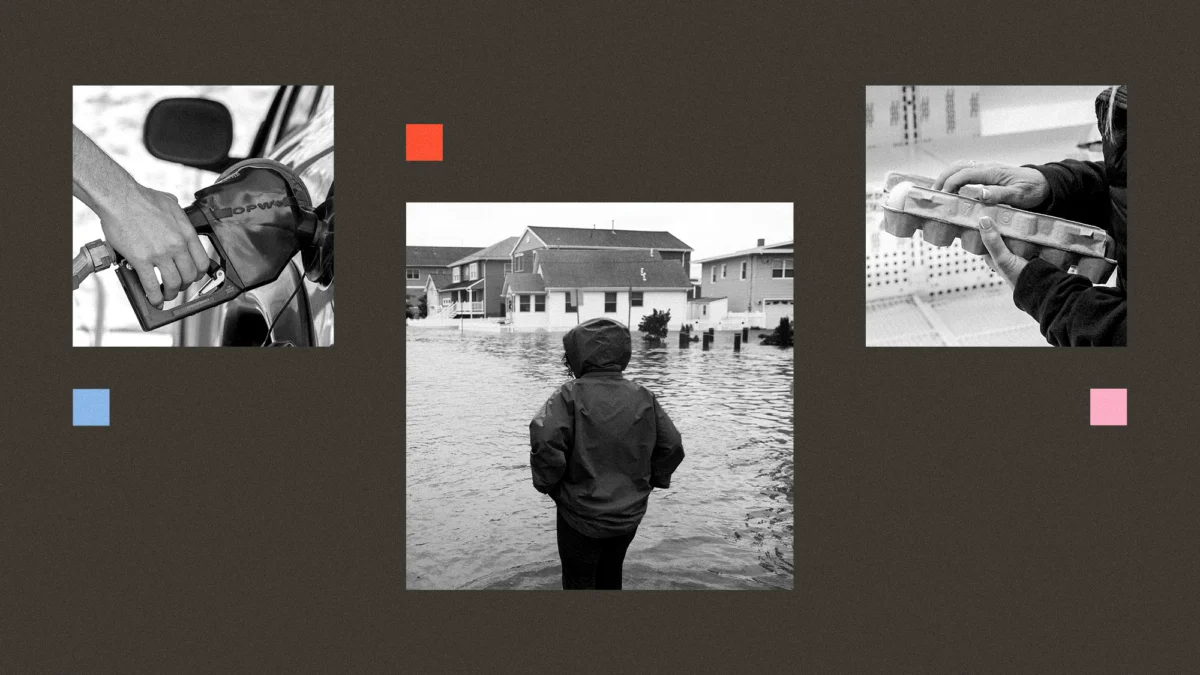
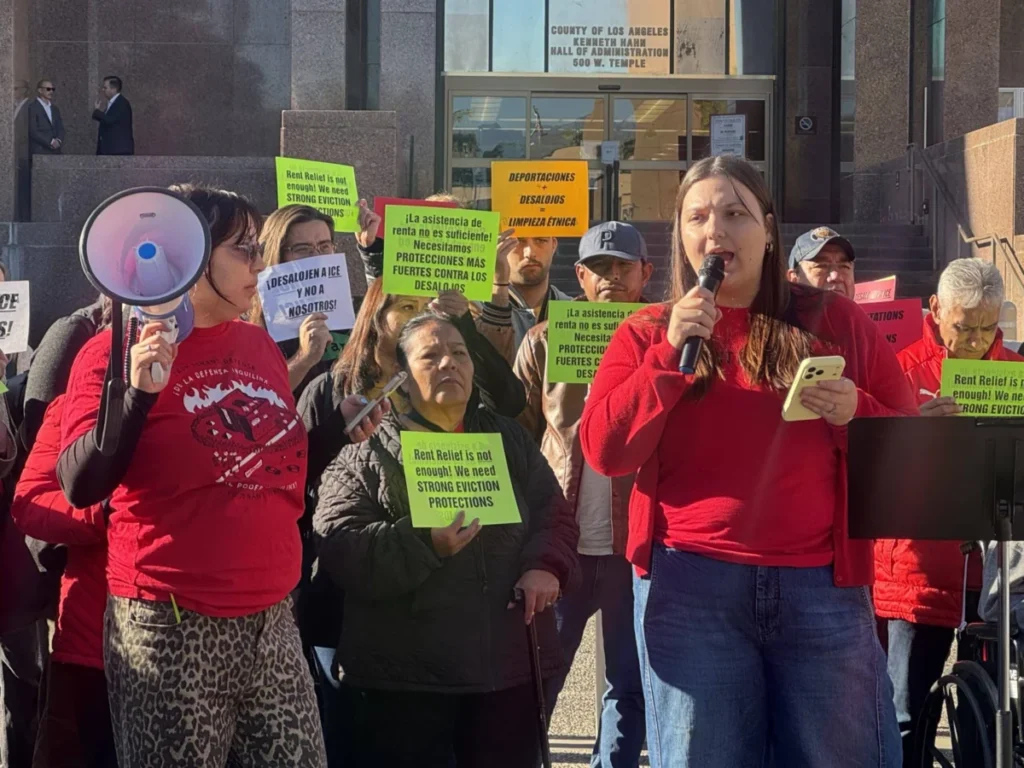
In the wake of the 2026 midterm elections, the American political landscape has undergone a seismic shift. For months, the "affordability crisis"—a multifaceted struggle encompassing runaway housing costs, stagnant wages, and the prohibitive expense of healthcare—dominated the national conversation. While mainstream political consultants often favored incremental adjustments, such as minor deregulation or targeted tax tinkering, a new wave of candidates emerged with a fundamentally different strategy.
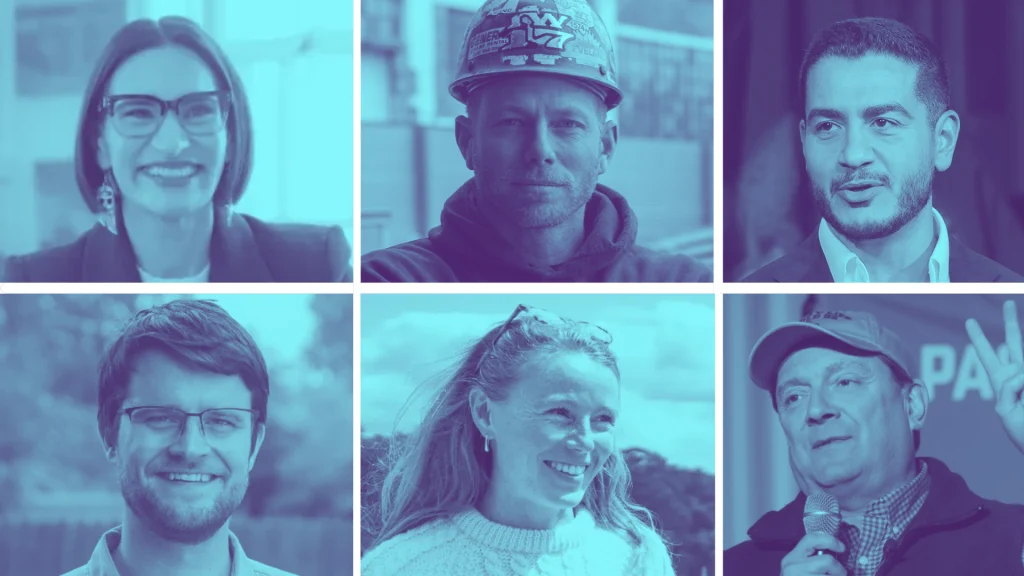
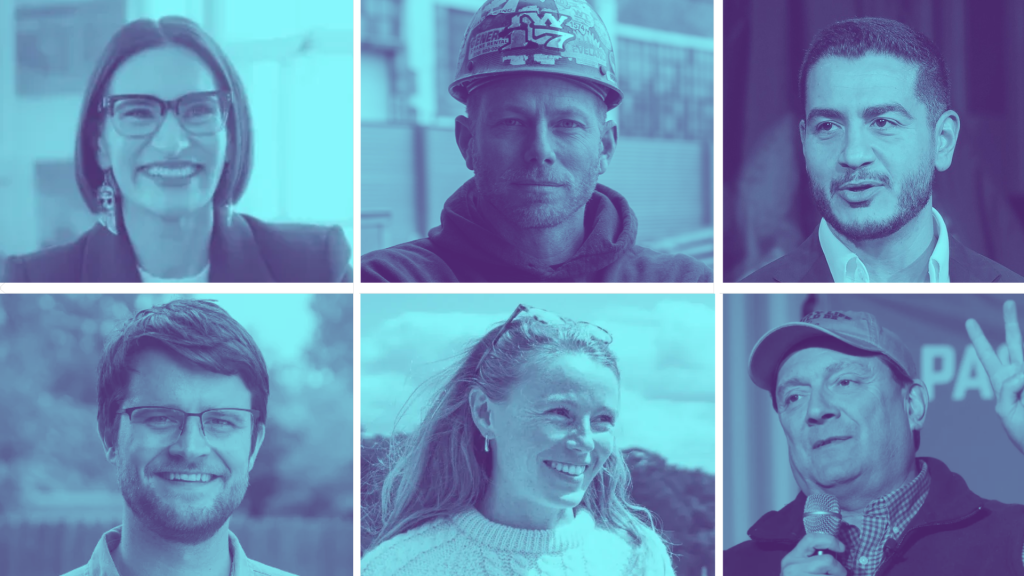
By rejecting the traditional "middle-ground" playbook, these six candidates—three for the House and three for the Senate—won improbable victories against entrenched incumbents. Their campaigns were anchored in a bold, unapologetic vision: dismantling the extreme wealth concentrations that suppress the middle class and distort the democratic process.
The Core Thesis: Power, Not Just Policy
The unifying thread among these victors was not just a list of policy proposals, but a systemic critique of modern American capitalism. Rather than viewing the affordability crisis as a series of disconnected market failures, these candidates framed it as a deliberate result of power imbalances.
Their platforms centered on building "working family power." By addressing corporate monopolies, challenging the influence of billionaire donors, and advocating for the structural redistribution of resources, these candidates tapped into a deep-seated frustration among voters across the ideological spectrum. Notably, none of these candidates entered Election Day as a "solid" or even "likely" winner according to the Cook Political Report. Their success suggests that the American electorate is not only ready for, but actively seeking, transformative change that prioritizes human well-being over corporate profit margins.
Chronology: A Campaign of Uphill Battles
The trajectory of these races followed a distinct pattern: early dismissal by political elites, followed by a surge of grassroots momentum fueled by visceral, relatable economic messaging.
The Rise of the House Insurgents
- Ohio-7 (Brian Poindexter): A lifelong union organizer and ironworker, Poindexter’s campaign against Republican incumbent Max Miller was initially ignored by national party infrastructure. By focusing on the disparity between corporate subsidies and the "tough choices" forced upon workers, Poindexter bridged the divide in the Rust Belt, flipping a seat that had been held by Republicans since 1939.
- Michigan-7 (Will Lawrence): Lawrence’s campaign serves as a case study in the power of anti-tech populism. By targeting the environmental and economic impacts of Big Tech’s AI data centers, the millennial activist mobilized massive youth turnout at Michigan State University, effectively neutralizing the advantages of incumbent Tom Barrett.
- Wisconsin-3 (Rebecca Cooke): A former waitress who grew up on a failing dairy farm, Cooke’s campaign was a masterclass in local engagement. By tying her personal history of losing the family farm to corporate monopolies, she built a coalition that successfully unseated Derrick Van Orden.
The Senate Transformation
- Minnesota (Peggy Flanagan): Facing a sophisticated smear campaign regarding her past as Lieutenant Governor, Flanagan’s path to the Senate seemed precarious. However, she pivoted to a narrative of shared struggle, drawing on her own childhood poverty to frame policies like Medicare for All as essential, not optional. Her victory marks a historic milestone as the first Native American woman to serve in the U.S. Senate.
- Maine (Troy Jackson): Entering the race late following a primary crisis, Jackson faced the daunting task of defeating 30-year incumbent Susan Collins. His "Pledge to Working Mainers" became a symbol of resistance against billionaire-class influence, proving that a late-start, high-intensity campaign could topple a political institution.
- Michigan (Abdul El-Sayed): Perhaps the most scrutinized campaign, El-Sayed’s victory was achieved in the face of significant bigotry. By focusing on a clear, three-pillar agenda—money in your pocket, money out of politics, and Medicare for All—he redefined the debate, arguing that the economy should serve the many, not the few.
Supporting Data: The Economics of Inequality
The "affordability crisis" is not merely anecdotal; it is structural. Data from the 2026 cycle underscored why these candidates’ platforms gained traction.

The Cost-of-Living Squeeze
The candidates frequently cited the divergence between productivity and compensation. Since the early 1980s, while productivity has continued to climb, real wages for the bottom 80% of earners have largely stagnated. This decoupling is the primary engine of the wealth gap.
The Role of Corporate Concentration
A recurring theme across these six campaigns was the impact of corporate consolidation.
- Housing: In 2026, the rise of institutional investors purchasing single-family homes reached a critical tipping point. Candidates like Flanagan made banning these practices a cornerstone of their platform.
- Healthcare: The promise of Medicare for All was consistently linked to the prevention of "Medicare privatization," a move that critics argue siphons taxpayer money into private insurance pockets without improving patient outcomes.
- The AI Data Center Boom: Lawrence and Cooke highlighted how massive, energy-hungry data centers—often subsidized by local governments—drive up electricity prices for families while creating few local jobs, effectively acting as a regressive tax on the poor.
Official Responses and Political Rhetoric
The establishment response to these candidates was initially characterized by skepticism. Traditional political strategists warned that talk of "wealth distribution" and "banning AI development" would alienate moderate swing voters.

However, the victors rejected this framing. Abdul El-Sayed’s rhetoric, which explicitly argued for an economy that prioritizes "1,000 millionaires over one billionaire," was met with shock from corporate-aligned media but resonated deeply with voters disillusioned by the status quo.
In response to these victories, Republican leadership has largely doubled down on accusations of "radicalism." Yet, the polling data from these districts suggests that "radical" is a subjective term when applied to policies like lowering prescription drug costs or protecting union rights—policies that remain broadly popular across party lines. The winners themselves, particularly Poindexter and Jackson, have characterized their platforms as "common sense for the working class," framing their opponents as the true radicals for prioritizing the interests of the donor class over the citizenry.
Implications: The Future of the American Economy
The 2026 midterms signal a potential realignment of the Democratic Party. For decades, the party wrestled with the tension between its base and its donor network. The success of these six candidates suggests that the base—and a growing segment of the independent electorate—has decisively won this internal struggle.

The Legislative Roadmap
As these six individuals take office in January, the legislative agenda is expected to be aggressive:
- Labor Reform: The PRO Act is set to become a litmus test for the new caucus.
- Anti-Monopoly Action: Expect significant pressure on the FTC and DOJ to break up large agricultural and tech conglomerates.
- The "Anti-Oligarch" Package: This includes proposed bans on congressional stock trading, the elimination of corporate PAC money, and the taxation of extreme wealth to fund public services like childcare and infrastructure.
The Erosion of "Teflon" Politics
Perhaps the most significant implication of the 2026 results is the end of the "teflon" era. Long-time incumbents, such as Susan Collins, were historically viewed as unbeatable due to their branding and moderate aesthetics. The victory of Troy Jackson demonstrates that when a campaign focuses on the structural reality of the economy, the traditional "moderate" brand loses its efficacy.
A New Political Language
Finally, these elections have introduced a new vocabulary into the halls of Congress. Phrases like "corporate capture," "wealth distribution," and "algorithmic surveillance" are no longer confined to academic journals or activist circles. They are now the official language of a new, empowered faction of legislators who believe that the only way to save the American economy is to fundamentally transform it.

As we look toward the 2028 cycle, the "2026 class" of progressives has set a high bar. They have proven that voters are not afraid of big ideas, provided those ideas are clearly linked to their daily economic struggles. The era of tinkering is over; the era of structural transformation has begun. For the political establishment, the message is clear: ignore the needs of the working family at your own peril. The tide of history is shifting toward an economy that works for all—not just the few at the very top.


 Muslim
 Rifan Muazin