



 Asep Darmawan
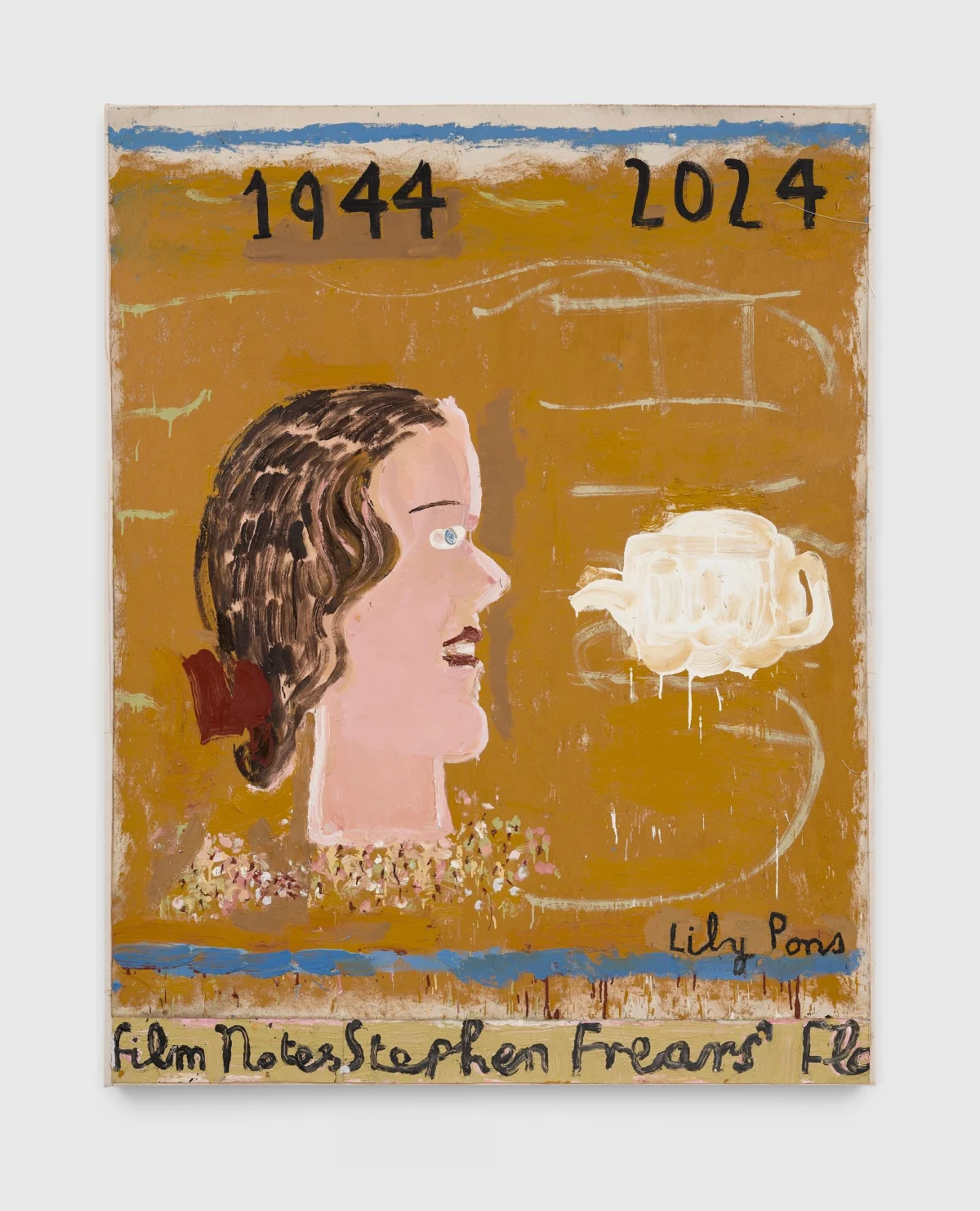
In the canon of art history, the concept of "late style" has long been a masculine preserve—a narrative often reserved for aging male masters whose final works are interpreted as sublime, transcendent, or purposefully iconoclastic. But what happens when we apply that lens to women? At the Marc Straus Gallery in New York, the provocative exhibition The Prime of Your Life challenges these ingrained biases, gathering 18 women artists, all over the age of 75, to interrogate the intersections of longevity, institutional recognition, and market valuation.
The Philosophical Framework: Nochlin and the “Late Style”
The exhibition finds its intellectual bedrock in the seminal 2008 essay "Old-Age Style: Late Louise Bourgeois," written by the late, preeminent feminist art historian Linda Nochlin. In this text, Nochlin grappled with the definition of aging in creative practice, questioning whether a "late style" is merely a chronological marker or a distinct aesthetic category.
Drawing upon the theories of Palestinian-American literary critic Edward Said, Nochlin argued that late works often eschew the "comforting segues" of an artist’s mid-career output. Instead, they embrace disruption, contradiction, and a raw, sometimes unsettling, sense of dislocation. The Prime of Your Life takes this premise as a springboard. It asks: If an artist’s work is only truly valorized by the art market—the auction houses, the blue-chip galleries, and the prestigious retrospectives—once they have reached their seventh or eighth decade, does the word "prime" still hold its traditional meaning? Or has it been repurposed as a euphemism for the belated correction of institutional neglect?
Chronology and Context: A Career in Flux
To understand the weight of The Prime of Your Life, one must look at the trajectory of the artists featured. The exhibition is not a retrospective of a single era; it is a sprawling, non-linear dialogue between artists whose careers have spanned the mid-20th century to the present day.
- The Early Formative Years: Many of the artists in the exhibition began their careers during eras when the art world was actively hostile to women. Their early work often shows a deliberate navigation of existing movements—be it Abstract Expressionism, Minimalism, or early Conceptualism—often while working in the shadow of their male counterparts.
- The Middle Period: For many, the "middle" of their careers was marked by relative obscurity or sustained labor outside the spotlight. Unlike their male contemporaries, who often saw consistent gallery representation, these women frequently operated in parallel tracks, developing techniques and philosophies that would only be "discovered" by the broader market decades later.
- The Late Epoch: The current phase—the subject of this exhibition—is defined by a sudden, often overwhelming, institutional embrace. This creates a fascinating paradox: the work produced now is viewed through the lens of a "lifetime of experience," yet it is also being purchased by collectors who may be seeing the artist’s work for the first time.
Supporting Data: The Market and Institutional Valorization
The timing of The Prime of Your Life is not incidental. Data from the art market over the last decade shows a significant uptick in the auction prices and museum acquisition rates of women artists over the age of 70. This phenomenon, often termed the "correction of the canon," has been driven by a confluence of social pressure and a search for "undervalued assets."
However, this market success brings with it a complex set of implications. Is the market truly valuing the evolution of the work, or is it commodifying the narrative of "the aging female genius"?

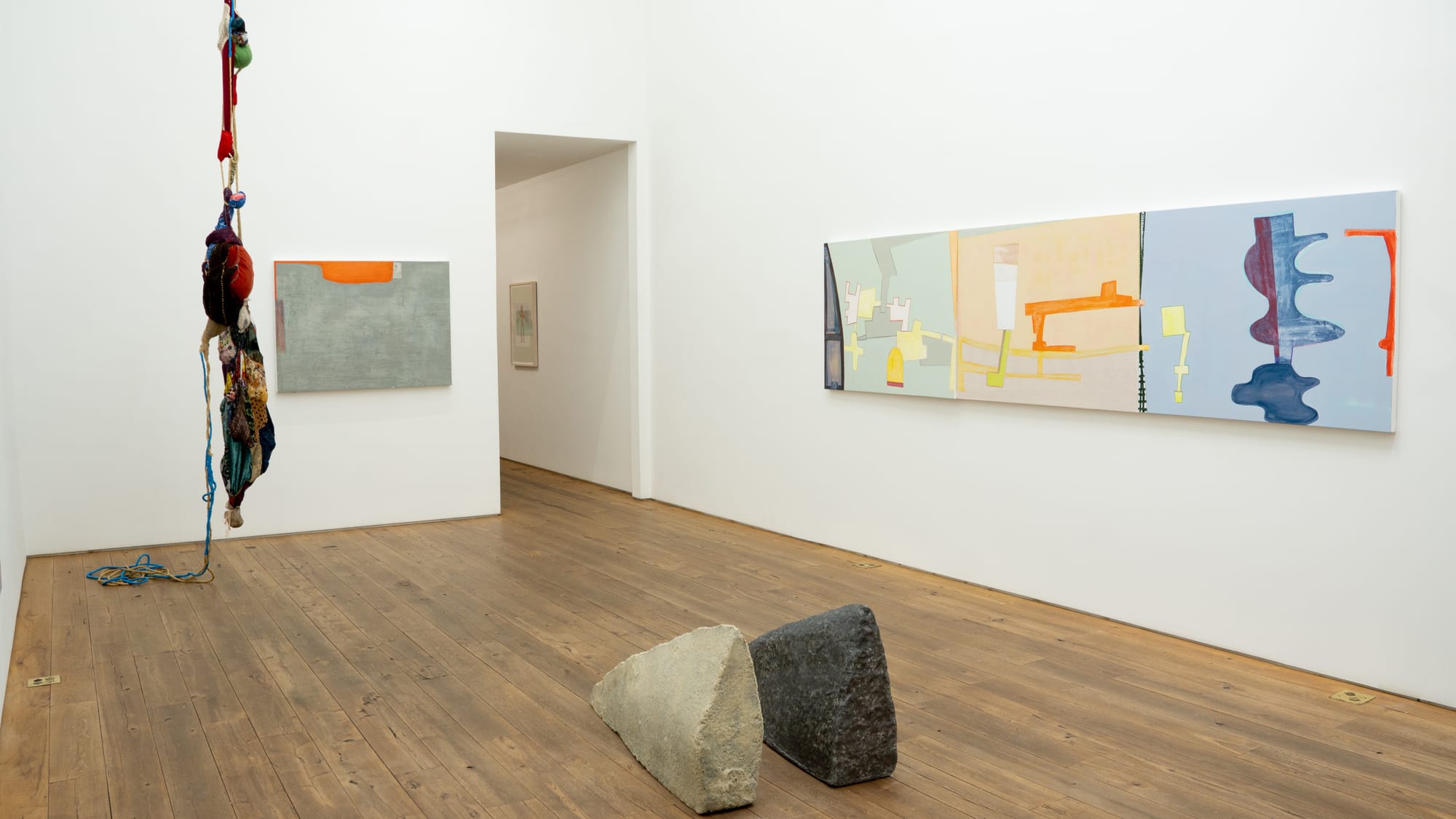
The exhibition itself functions as a data set of sorts. With a diverse array of mediums—sculpture, oil on canvas, installation, and photography—the gallery space is intentionally non-harmonious. It avoids the trap of suggesting that all older women artists share a "look." Instead, it presents a "cacophony of materials," forcing the viewer to confront the individual agency of each creator. The works do not "cohere" in a traditional sense; they clash, they converse, and they resist the simplification that often comes with career-spanning museum surveys.
Case Study: Marina Abramović and the Burden of Legacy
The inclusion of Marina Abramović’s Standing with Skeleton (2008/2016) serves as a critical entry point for the show’s central tension. Placed near the entrance, the large-scale photograph depicts the artist in a stark, monochromatic composition, carrying a literal skeleton on her back.
For those familiar with Abramović’s 2010 career-defining performance The Artist is Present at the Museum of Modern Art, the photograph feels jarring. The Artist is Present was a triumph of endurance, human connection, and psychological rigor. By contrast, Standing with Skeleton borders on the theatrical, or even the parodic.
This juxtaposition forces the viewer to ask: If an artist produces a work that seems less "profound" than their past achievements, does it diminish their legacy? Or is this, as Nochlin might argue, an example of a "late style" that rejects the pressure to be constantly "important"? Perhaps the "prime" of a woman artist is not a static point of perfection, but a long-duration process where even the "lesser" works are integral parts of a larger, messier, and ultimately more human narrative.
Official Responses and Curatorial Intent
While the gallery has not issued a singular manifesto for The Prime of Your Life, the curatorial intent is clear: to dismantle the myth that an artist’s value peaks in their youth. By gathering 18 distinct voices, the exhibition acts as a corrective to the "genius" model of art history, which typically centers on the young, male prodigy.
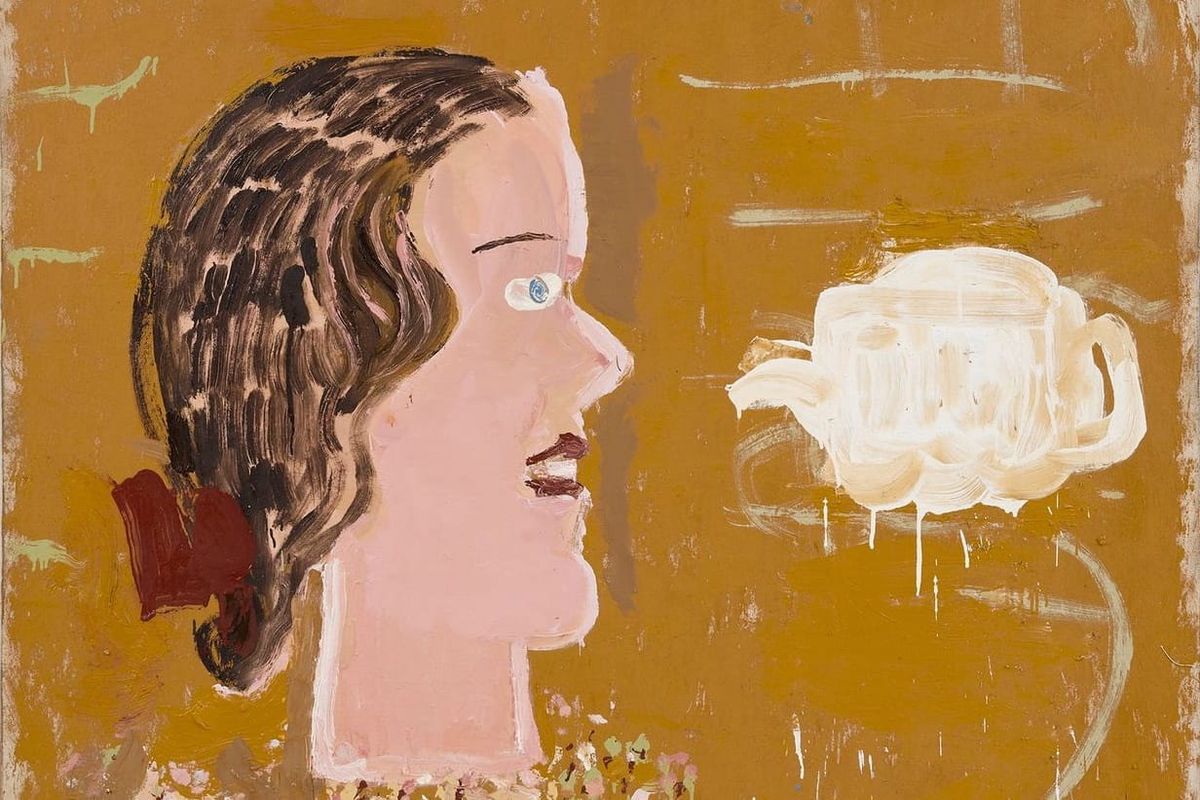
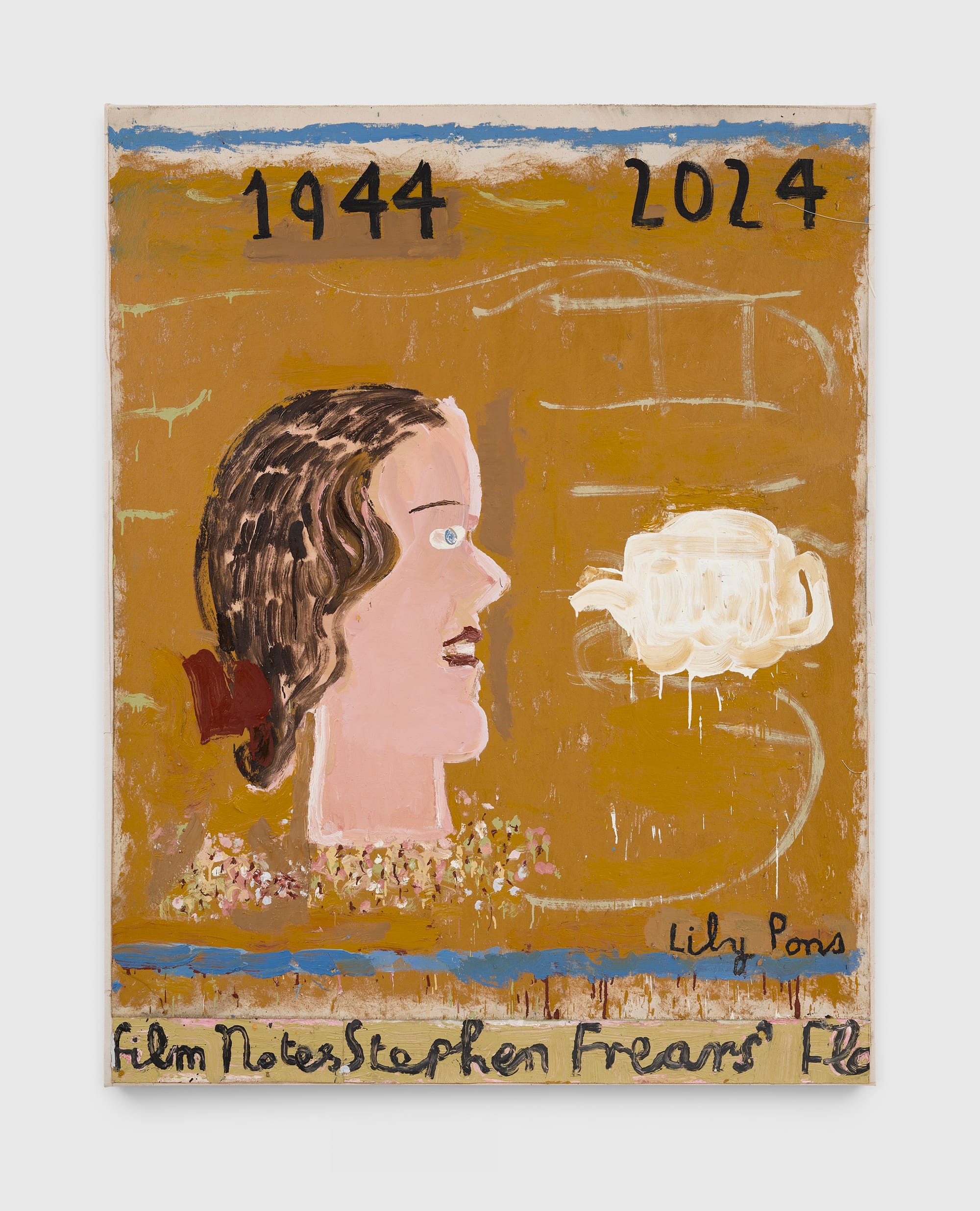
Critics have noted that by bringing these women together under the banner of "age," the gallery is also walking a fine line. There is a risk of ghettoizing these artists, framing them as a "generation of survivors" rather than individuals whose work stands on its own merits. However, the sheer strength of the pieces on display—ranging from the vibrant, energetic paintings of Rose Wylie to the austere, conceptual works of others—effectively mitigates this risk.
Implications for the Future of Art History
The implications of this exhibition extend far beyond the walls of the Marc Straus Gallery. As we move further into the 21st century, the art world is forced to reckon with the longevity of its practitioners. We are witnessing a shift where "late style" is no longer the final chapter of a career, but a vibrant, active, and highly visible period of production.
- Redefining "Prime": The exhibition suggests that "prime" is a fluid concept. It is not tied to physical youth, but to the accumulation of intellectual and emotional depth.
- Market Sustainability: If the current surge in interest in older women artists is to be sustainable, it must move beyond the novelty of "discovery" and toward a sustained, critical engagement with the evolution of their work over decades.
- The Feminist Correction: Finally, The Prime of Your Life highlights the necessity of retrospective feminist history. By documenting the work of these 18 women, the exhibition fills a critical gap in the historical record, ensuring that the contributions of artists who were sidelined during their younger years are not lost to the fog of institutional bias.
As visitors walk through the gallery, they are invited to discard their expectations of what a "masterpiece" should look like at the end of a career. In place of the polished, final statement, they find something far more compelling: the unresolved, the contradictory, and the profoundly alive. The Prime of Your Life is not just an exhibition about aging; it is an exhibition about the endurance of the creative spirit against the backdrop of an industry that is only just learning how to see.

 Pevita Pearce

 Rifan Muazin






