

 Reynand Wu
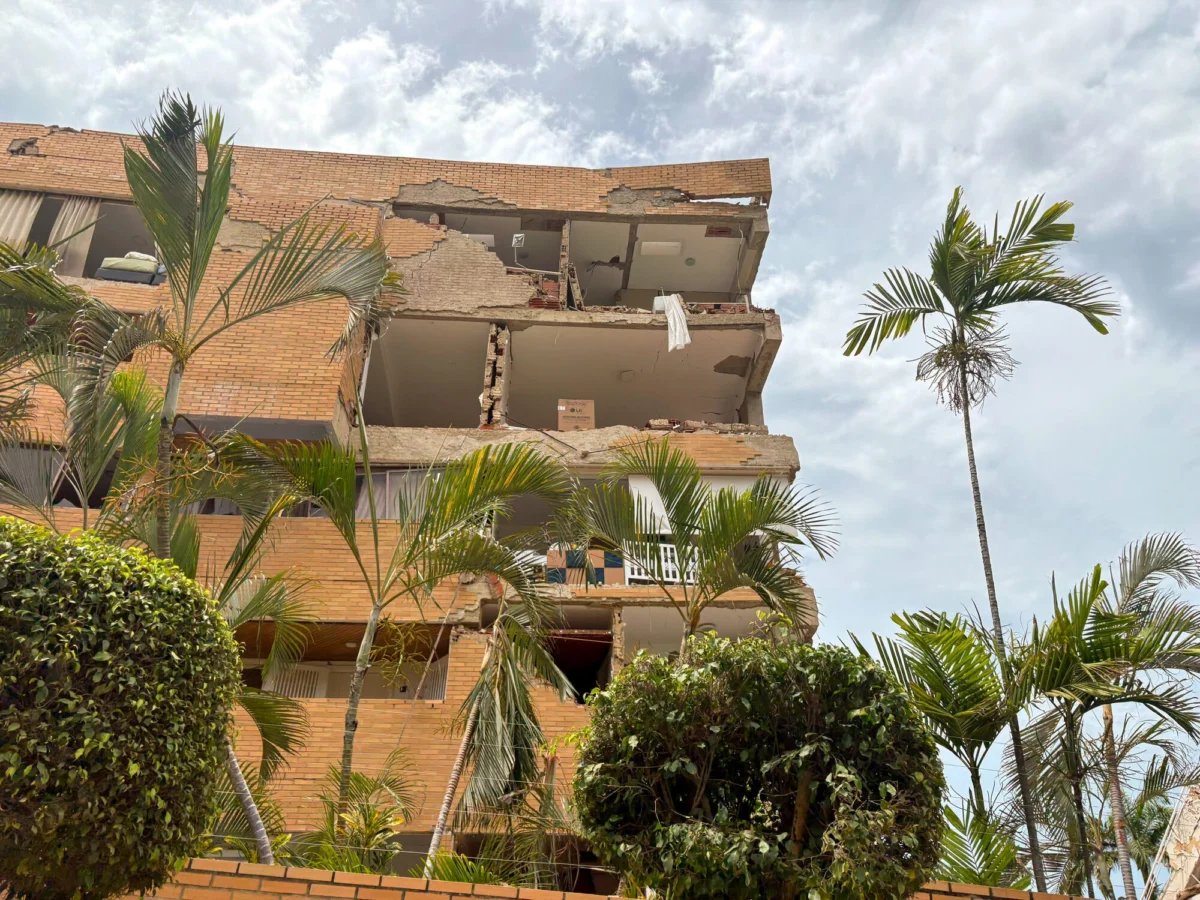
In the immediate aftermath of the catastrophic earthquake that rocked Venezuela, the humanitarian landscape was one of profound chaos and critical scarcity. As hospitals in Caracas and La Guaira faced an unprecedented surge of trauma patients, depleting their life-saving stocks within hours, Médecins Sans Frontières (MSF)—known internationally as Doctors Without Borders—mobilized a high-stakes emergency operation. Today, as the dust settles and the focus shifts toward the long-term needs of thousands of displaced citizens, MSF remains a central pillar of the recovery effort, operating at the intersection of emergency medicine, sanitation, and psychological trauma care.
Chronology: A Race Against Time
The timeline of MSF’s involvement began the day after the tremors subsided, when the organization’s assessment teams navigated the treacherous, debris-strewn path from Caracas to La Guaira. La Guaira, which bore the brunt of the seismic activity, became the epicenter of a humanitarian crisis.
- T+24 Hours: Initial assessment teams reached the coastal regions to evaluate the structural integrity of local medical facilities and the immediate health needs of survivors.
- The First Week: MSF transitioned from assessment to action, serving as one of the only international organizations on the ground during the critical "golden hour" of the response. Medical supplies were airlifted and trucked into hospitals that had exhausted their emergency kits.
- Weeks 2–4: The establishment of mobile clinics in Naiguatá and Catia La Mar signaled a shift from acute trauma surgery to the management of secondary public health risks, such as waterborne diseases and respiratory infections.
- The Ongoing Phase: MSF teams are currently conducting exploratory missions into isolated, informal settlements to reach populations that have yet to receive formal aid, while simultaneously reinforcing sanitation infrastructure in public shelters.
Supporting Data: The Scale of Intervention
The sheer volume of resources deployed by MSF underscores the severity of the crisis. To date, the organization has distributed over 8.5 tons of medical supplies, ensuring that hospitals in the most affected corridors remained operational.
- Medical Triage: MSF’s emergency trauma kits have been instrumental in treating approximately 10,000 injured individuals across Caracas and La Guaira.
- Clinical Output: Over the past 30 days alone, MSF’s 12-person specialized mobile teams—comprising doctors, nurses, psychologists, and environmental health experts—have performed 2,217 medical consultations.
- Infrastructure Support: Recognizing the grim realities of disaster mortality, MSF donated 1,000 body bags, alongside essential personal protective equipment (PPE) and industrial-grade disinfectants, to central morgues struggling to maintain dignified and hygienic conditions.
Strategic Response: Medicine and Sanitation
MSF’s strategy in Venezuela is built upon a "triad of care": acute medical intervention, infectious disease prevention, and environmental sanitation.
The Mobile Clinic Model
The mobile clinic serves as the frontline of MSF’s reach. In cities like Naiguatá and Catia La Mar, the clinics target the most vulnerable populations living in overcrowded shelters. These settings, while necessary for immediate protection, have become breeding grounds for diarrhea, respiratory infections, and dermatological conditions. By embedding a health promoter and a psychologist alongside medical staff, MSF addresses not only the physical ailments but also the social determinants of health that arise when basic infrastructure fails.
Water, Sanitation, and Hygiene (WASH)
The risk of a secondary disaster—a disease outbreak—is arguably as dangerous as the earthquake itself. With local water systems fractured, MSF has prioritized the restoration of sanitation. The organization is actively monitoring for outbreaks of waterborne illnesses and vector-borne diseases, such as dengue, Zika, and chikungunya.
"Our response is not just about bandages and sutures," says a lead field coordinator. "It is about preventing the next wave of illness. We are chlorinating water supplies, erecting emergency latrines, and distributing hygiene kits to ensure that those who survived the quake do not fall victim to preventable sanitary crises."
Official Responses and Humanitarian Gaps
While local volunteer groups and neighborhood associations have demonstrated remarkable resilience, the sheer scale of the displacement has overwhelmed domestic capacity. Nearly 18,000 people remain displaced, many occupying informal settlements, public parks, and stadiums. These sites lack the organized plumbing and waste management required for a large-scale human population.
The Venezuelan health authorities have acknowledged the vital role MSF has played in filling these gaps. However, as the initial shock fades, the international community faces the daunting reality that the "invisible" needs—mental health and long-term infrastructure—are just beginning to surface.
The Implications: Moving Toward Recovery
As the emergency phase transitions into a recovery phase, MSF is recalibrating its objectives. The lessons learned from previous global seismic events suggest that the psychological fallout of such a disaster is often neglected until it is too late. Consequently, MSF is integrating mental health first aid into their standard operating procedures for all mobile clinic visits.
The Challenge of Informal Settlements
One of the most pressing concerns for the coming months is the status of informal settlements. Unlike formal camps, these areas are often excluded from government aid distributions, leaving families without access to safe drinking water or consistent medical oversight. MSF’s current "exploratory visits" are designed to map these communities and advocate for equitable resource distribution.
The Need for Continued Vigilance
The threat of disease remains high. As the rainy season approaches, the stagnant water in disaster zones could exacerbate mosquito-borne illnesses, while poor sanitation in shelters threatens to spark gastrointestinal epidemics. MSF’s focus on disease surveillance—a sophisticated tracking system that monitors health trends in real-time—acts as an early warning system for the entire region.
Conclusion: A Commitment to Dignity
The earthquake in Venezuela has tested the nation’s infrastructure and the spirit of its people. Médecins Sans Frontières’ presence has been more than a delivery of supplies; it has been an assertion of humanitarian principles in a time of profound instability. By focusing on the most marginalized—those in stadiums, those in the hills, and those in the overcrowded, unhygienic shelters—MSF ensures that the response to this disaster is as equitable as it is efficient.
Looking forward, the organization’s commitment to providing both medical care and the basic dignities of safe water and sanitation remains unwavering. As the people of Caracas and La Guaira begin the long, arduous process of rebuilding their homes and their lives, MSF will continue to walk that path with them, ensuring that the health and safety of the most vulnerable remain at the forefront of the national recovery effort. The work is far from finished, but through continued vigilance, the secondary tragedy of disease and neglect can be averted, allowing the process of healing to truly take root.

 Layla Zulfa