

 Reynand Wu
Introduction: A Diplomatic Crossroads
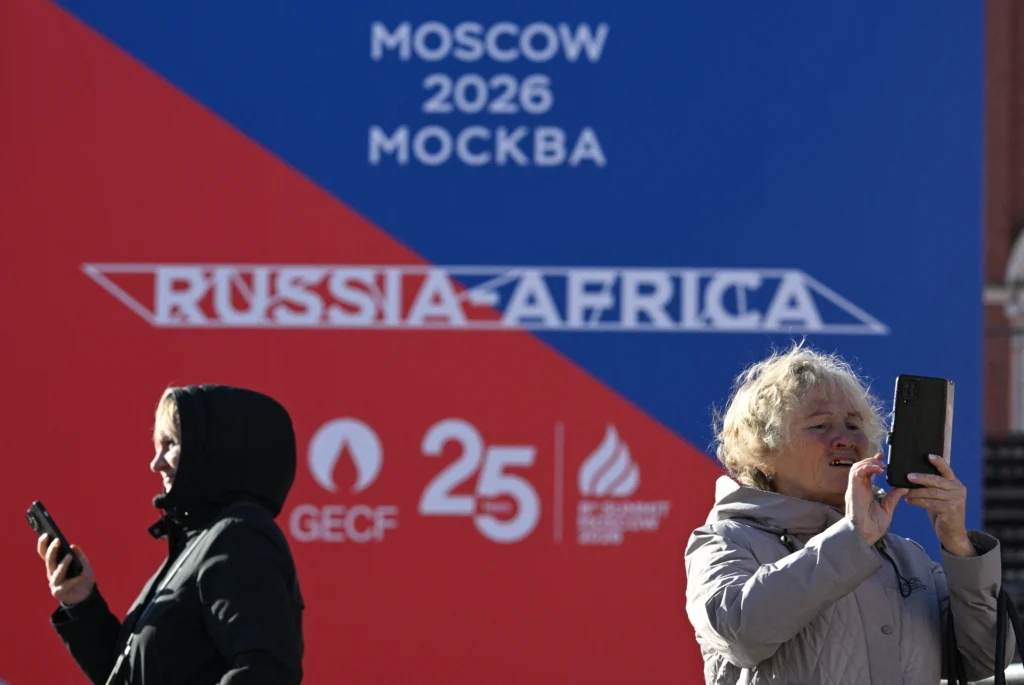
As African heads of state and government delegations prepare to converge on Moscow for the Russia-Africa Summit scheduled for October 28–29, 2026, the diplomatic agenda is overshadowed by a burgeoning human rights crisis. Amnesty International’s African section directors have issued an urgent, stinging open letter, demanding that the continent’s leadership break their silence regarding the alleged coercive and deceptive recruitment of African nationals into the Russian military.
For many, this summit was intended to be a celebration of shifting geopolitical alliances and the "Global South’s" newfound influence. However, the revelation that African citizens are being funneled into the meat grinder of the war in Ukraine—often under false pretenses—has introduced a moral dilemma that strikes at the heart of African sovereignty. Amnesty International asserts that this practice constitutes human trafficking, a grave violation of international law, and warns that failing to address it would be a "profound disservice" to the people of the continent.
The Core Allegation: Coercion and Deception
The central allegation, backed by a comprehensive briefing titled “Russia: Trafficking of Foreign Nationals to Fight in Ukraine,” published on September 10, 2026, describes a systematic exploitation of economic vulnerability. According to the report, Russian recruiters are leveraging the dire economic circumstances of migrants and students, offering them employment opportunities, educational pathways, or financial stability.
Once these individuals are within the Russian system, however, the narrative shifts. Reports indicate that many are subjected to intimidation, threats, and coercion, effectively stripping them of their agency. In many instances, these individuals are moved to frontline positions in the ongoing conflict in Ukraine. The process is described not as voluntary enlistment, but as a modern form of human trafficking, where African lives are treated as expendable commodities in the service of Russian military and political objectives.
Chronology of Escalation
To understand the gravity of the situation, one must look at the timeline of events leading up to the 2026 Summit:
- Early 2024–2025: Initial, isolated reports emerge of foreign nationals, including those from African nations, appearing in Russian-occupied territories. At this stage, these reports are often dismissed as isolated incidents involving mercenaries.
- January 2026: Human rights organizations begin to notice a pattern. Recruiters, acting with apparent state approval, increase their presence in hubs where African students and migrant workers congregate.
- September 10, 2026: Amnesty International releases its investigative briefing. The report provides, for the first time, a detailed framework of how the recruitment pipeline operates, documenting testimonies from victims and their families.
- October 2026: As the Russia-Africa Summit approaches, pressure mounts on African governments. The African section directors of Amnesty International issue their open letter, shifting the conversation from a human rights issue to a matter of continental sovereignty.
- October 28–29, 2026: The Russia-Africa Summit. All eyes are on the plenary sessions to see if the issue of "trafficking for combat" is raised by African leaders.
Supporting Data and Evidence
The investigation by Amnesty International relies on a multi-pronged verification process. By interviewing family members of those who have "disappeared" into the Russian military, and analyzing digital footprints—such as social media advertisements promising high-paying "logistics" or "security" jobs—the organization has mapped the path from recruitment to the frontline.
The Anatomy of the Trap:
- Economic Targeting: Recruiters often frequent areas with high populations of displaced persons or economic migrants, preying on those struggling with residency status or employment.
- The "Bait and Switch": Contracts presented in Russian, which many victims cannot read, often contain clauses that commit the signer to military service. Those who attempt to refuse are frequently met with threats of deportation or physical violence.
- Lack of Consular Access: Once these individuals are integrated into military units, they are often isolated from their national embassies, leaving them without legal recourse or diplomatic protection.
Official Responses: The Silence of the Diplomatic Corps
As of mid-October 2026, the Kremlin has maintained a stance of official denial, framing the presence of foreign nationals in the Russian armed forces as voluntary participation by "freedom fighters" or "contractors" who support Russia’s position against "Western hegemony."
However, the response from African capitals has been notably fractured. Some nations have expressed private concern through diplomatic channels, while others remain publicly committed to the summit, fearing that bringing up the issue would jeopardize strategic economic partnerships. The African Union has yet to issue a unified statement, a silence that Amnesty International characterizes as a failure of leadership. The organization argues that by remaining silent, these governments are effectively signaling that their citizens are disposable, undermining their own claims of championing sovereignty and anti-colonialism.
Implications for African Sovereignty
The most profound argument presented by the Amnesty directors centers on the contradiction between the current political rhetoric in Africa and the reality of their citizens’ treatment.
The Colonialism Paradox
Many African leaders frequently speak out against the "enduring legacy of colonialism," emphasizing that the era of Western exploitation is over. Amnesty International points out the irony: while leaders decry the exploitation of Africa’s natural resources by the Global North, they are witnessing the exploitation of their most precious resource—their people—by a foreign power.
"They must reject any practice that treats nationals of African countries as a commodity for other countries’ political and military objectives," the open letter states. This is a call to redefine African agency. If the continent is to be a respected actor on the global stage, its leaders must demonstrate that they prioritize the safety and dignity of their citizens above the financial incentives offered by foreign military partnerships.
The Legal Ramifications
The characterization of these actions as "trafficking" carries significant weight under international law. Human trafficking, as defined by the Palermo Protocol, includes the recruitment, transportation, and transfer of persons by means of deception or coercion for the purpose of exploitation. If state officials are involved, as the report suggests, it elevates the situation to a potential state-sponsored crime. This could lead to:
- International Criminal Court (ICC) scrutiny: If the evidence proves that African nationals were forced into combat, the architects of this system could face future charges.
- Diplomatic Sanctions: Individual African nations could be pressured by international bodies to sanction Russian entities involved in the recruitment process.
- Domestic Unrest: Should the families of the victims organize, African governments could face internal political instability, as the public demands accountability for the "disappeared."
Conclusion: A Test of Leadership
The 2026 Russia-Africa Summit will be remembered not necessarily for the trade deals or infrastructure projects signed in the halls of the Kremlin, but for how the assembled leaders chose to address the human cost of their partnership with Russia.
Amnesty International has laid down a clear marker: the status quo is unacceptable. The demand for an immediate cessation of recruitment practices, combined with a call for independent investigations and the prosecution of those responsible, represents a fundamental test of the continent’s commitment to human rights.
For African leaders, the choice is binary. They can continue to view Russia as an essential strategic partner, even at the cost of their citizens’ lives, or they can assert their collective voice to protect their people. As the Amnesty directors noted, "African leaders must demand investigations and prosecutions for all acts of trafficking." Anything less, they argue, is a betrayal of the very sovereignty these leaders claim to defend. The world is watching to see if "African agency" is a genuine political principle or merely a convenient slogan.

 Layla Zulfa
 Asro