


 Rifan Muazin
By Sarah Easter | September 30, 2026
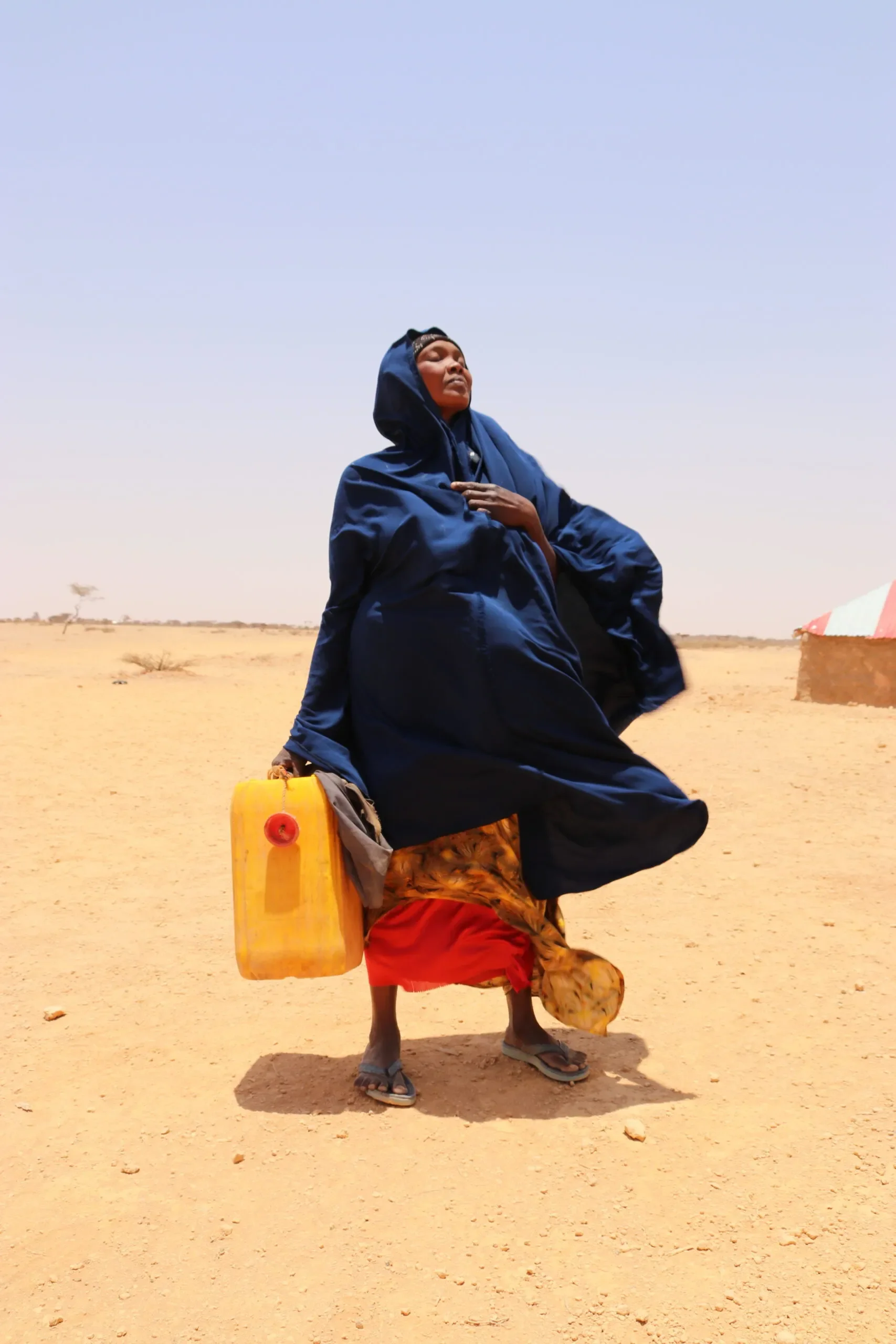
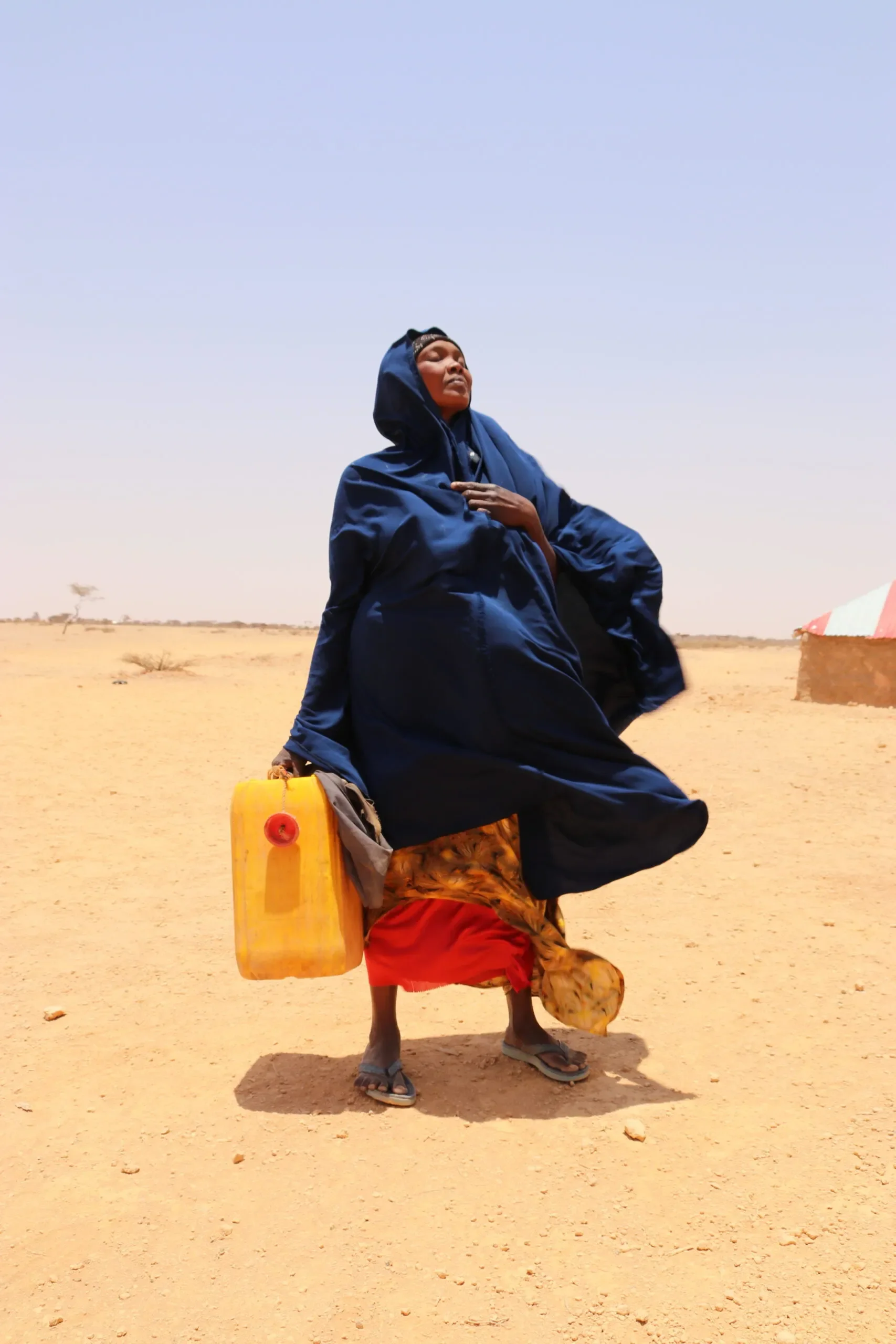
In the arid outskirts of Dhahar, Somalia, the wind does not merely blow; it strips the landscape bare. For 35-year-old Aisha, a mother of nine living in a makeshift displacement camp, this wind is a constant thief. It tears at the thin, ragged cloth and weathered corrugated iron that forms her shelter, and it carries away the meager remnants of a life uprooted by violence and drought.
But a far more lethal force is currently tightening its grip on the camp: the quiet, systematic withdrawal of humanitarian aid. As international funding for Somalia reaches a critical breaking point, the health infrastructure that serves as a lifeline for millions is collapsing. By October 2026, the CARE health center in Dhahar—the only facility providing free medical care and nutritional support to thousands—is slated for closure. For women like Aisha, this is not just a budget statistic; it is a death sentence.
The Anatomy of the Crisis: A Family on the Edge
Aisha’s daily existence is governed by the brutal mathematics of scarcity. Her family, like dozens of others in the camp, exists in a state of suspended animation. There is no running water, no kitchen, and no steady source of income. The main borehole that once served the region went dry weeks ago, leaving families dependent on private water tankers—a luxury few can afford.
"Today we did not eat or drink water yet," Aisha says, her voice weary. It is well past noon. When she finally secures water—often through a predatory, informal credit system managed by local storage operators—she does not drink. She watches her youngest daughter, 1-year-old Shukri, clutch a small sippy cup.
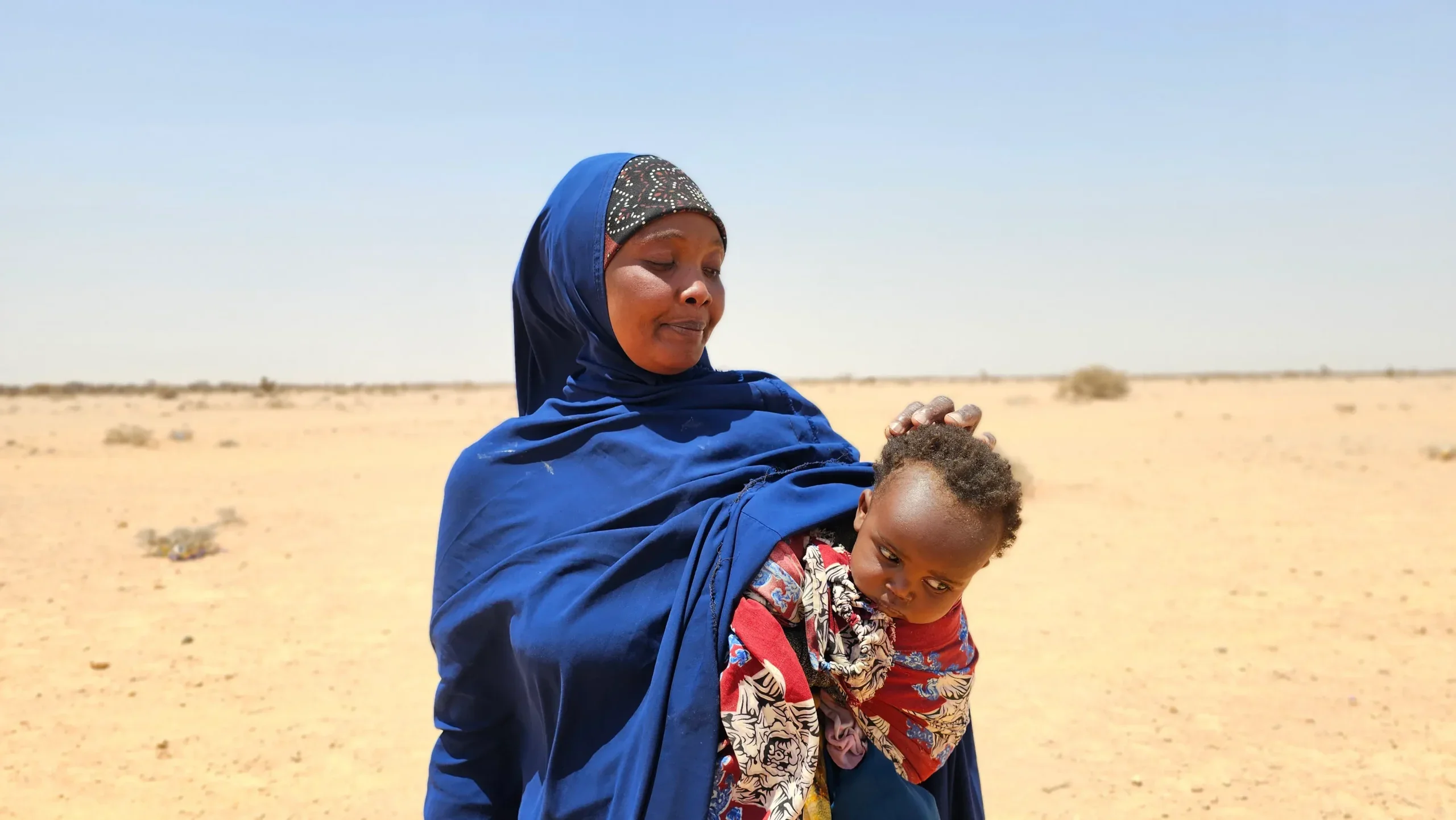
This act of maternal sacrifice is universal, yet in Somalia, it has become a necessary strategy for survival. Mothers across the region are consistently the last to eat and drink, often going days without sufficient nourishment to ensure their children have a fighting chance. This practice, while noble, masks a deeper, structural failure: the total absence of a social safety net in a region besieged by a triple threat of conflict, climate change, and economic volatility.
A Chronology of Displacement and Despair
To understand how Aisha arrived at this desolate camp in Dhahar, one must look back at the trajectory of her life. Her journey began years ago in south-central Somalia, a region defined by the volatility of armed conflict.
- The Catalyst: Years ago, Aisha’s husband was killed by armed groups, depriving the family of its primary breadwinner and plunging them into immediate vulnerability.
- The Flight: Seeking safety, the family migrated toward Bosasso. However, the violence followed. Aisha recounts a harrowing night where gunfire erupted near their home. "Only cloth and sticks protected us," she remembers. After witnessing the death of a pregnant neighbor, she realized that remaining was no longer an option.
- The Cycle of Poverty: The family eventually settled in the camp near Dhahar. Here, the struggle shifted from dodging bullets to battling the slow erosion of poverty.
- The Present Day: Her sons, aged 11, 9, and 7, now spend their days as "shoeshine boys" in town. They earn pennies, often bringing home just enough for a meager ration of rice and tomatoes—if they earn anything at all.
Supporting Data: The Scale of Humanitarian Withdrawal
The situation in Dhahar is emblematic of a broader, systemic collapse across the Horn of Africa.
- Acute Hunger: An estimated 6.5 million people in Somalia are currently facing acute food insecurity.
- Health Infrastructure Collapse: Throughout 2026, 50 CARE-supported health centers have been shuttered across Somalia and Somaliland due to funding shortfalls.
- The October Deadline: By the end of October, 11 additional centers, including the facility in Dhahar, are scheduled to close. These closures represent a loss of life-saving services for thousands of displaced persons.
- Malnutrition Statistics: Nearly 2 million children in Somalia are currently suffering from acute malnutrition.
- The Cost of Water: In the camp, a single 5-gallon container of water costs approximately $0.20—a sum that necessitates a cycle of debt, as families sign for water in a "debt book" with no clear path toward repayment.
Clinical Realities: When the "Band" Doesn’t Lie
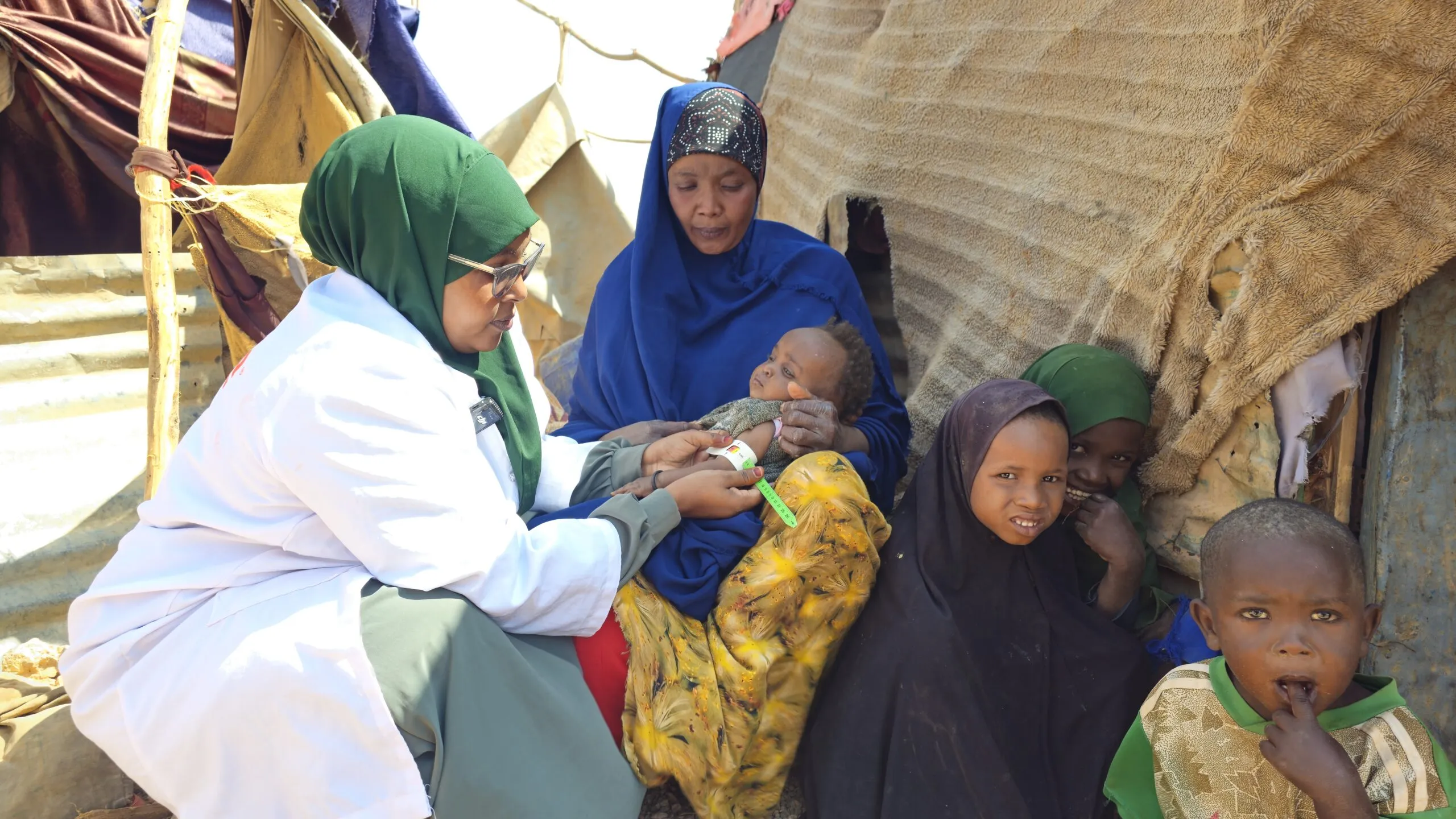
When Saytuun, a CARE community health worker, visited Aisha’s shelter, she performed a Mid-Upper Arm Circumference (MUAC) screening on little Shukri. The colored band—a simple but brutal diagnostic tool—slipped into the red zone: severe acute malnutrition.
At one year old, Shukri weighs only 5.9 kilograms (roughly 13 pounds). According to World Health Organization (WHO) growth standards, a healthy child of her age should weigh nearly 20 pounds. In addition to the malnutrition, the child was suffering from a fever and a chronic cough.
The immediate treatment provided by the center—Ready-to-Use Therapeutic Food (RUTF), such as Plumpy’Nut—is a miracle of modern humanitarian science. It is calorie-dense, packed with vitamins and minerals, and capable of reversing severe malnutrition in weeks. But such interventions are only effective if the clinics remain open. Without the center, there is no place for these children to receive these supplies, and the "for now" that currently sustains Shukri will vanish.
Official Responses and the Funding Gap
Humanitarian organizations like CARE are sounding the alarm, yet they find themselves caught in a global funding environment where donor fatigue is outpacing the need.
The closure of the Dhahar facility is not a choice made out of malice, but out of necessity. Funding for humanitarian programs in Somalia has been significantly reduced, forcing agencies to prioritize emergency interventions over long-term stability. While CARE has managed to secure enough medical supplies to cover basic needs through October, the human capital is already eroding. Key staff members, faced with the impending closure, are beginning to seek new employment, effectively hollowing out the organization’s capacity long before the doors are officially locked.
"There will be nothing left for us to survive on that day," Aisha says, reflecting on the impending closure. "That day will be our darkest day."
The Implications: A Future Without a Safety Net
The implications of these closures extend far beyond the loss of a building. When health centers close, the distance to the nearest point of care increases, often requiring families to walk for hours or days. For a mother with nine children and chronic health issues—Aisha herself suffers from diabetes, which requires consistent, balanced meals that she cannot provide—this added distance is insurmountable.
The loss of these centers also destroys the "early warning" system of the humanitarian sector. These clinics are often the first to identify spikes in malnutrition, disease outbreaks, or the emergence of famine conditions. By removing them, the international community is effectively blinding itself to the evolving catastrophe in the region.
Furthermore, the social fabric of the camp is fraying. With young boys forced into labor and mothers pushed to the brink of physical collapse, the intergenerational trauma is compounding. The children are growing up in an environment where they are taught that hunger is a constant, and that their parents—specifically their mothers—are willing to sacrifice their own lives to extend theirs by a few more days.
Conclusion: A Plea for Sustained Action
The plight of Aisha and her family is a stark reminder that humanitarian crises do not resolve simply because the news cycle moves on. In Dhahar, the crisis is accelerating. The story of the "shoeshine boys" who return home to empty pots, and the mother who gives her last drop of water to her daughter, is the story of a region abandoned.
As the October deadline looms, the question for the international community is not whether it has the capacity to intervene, but whether it has the will. The health centers in Somalia are more than brick and mortar; they are the final barrier between a vulnerable population and an irreversible disaster. Without an urgent influx of funding and a commitment to sustained support, the silence that will descend on these camps in November will be absolute.
For those wishing to support the ongoing efforts to keep these lifelines open, humanitarian organizations like CARE are calling for immediate action. The survival of children like Shukri, and the dignity of mothers like Aisha, depend on the world choosing to look, to listen, and to act before the next, darker day arrives.


 Reynand Wu
 Jia Lissa






