

 Laily UPN
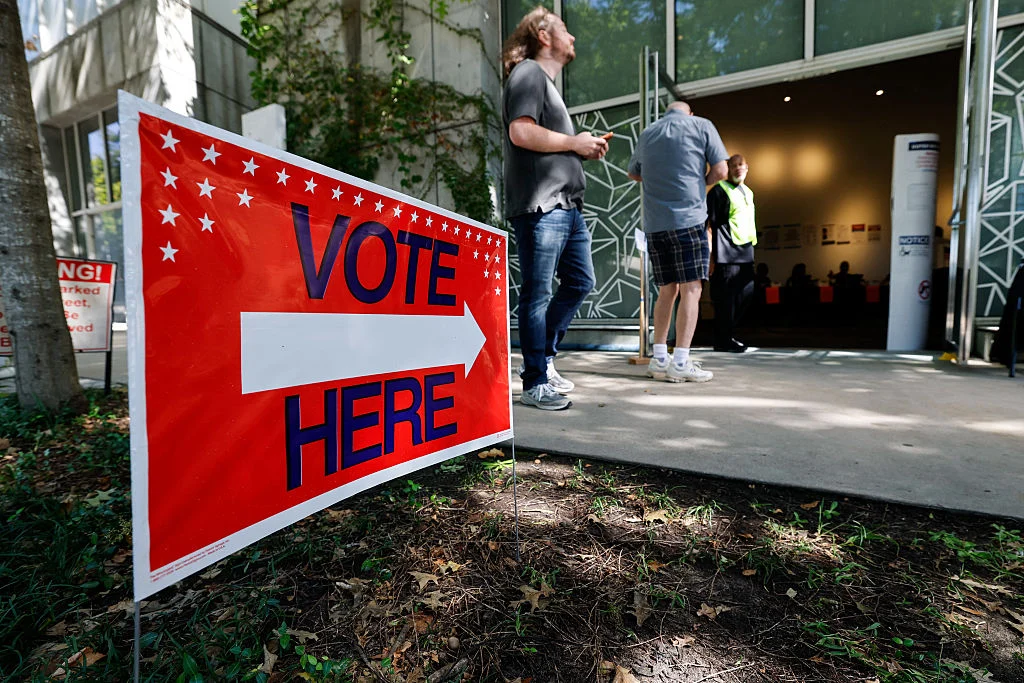
As the 2026 midterm elections approach on Tuesday, November 3, the American democratic process is in full swing. With a vast array of local, state, and federal seats on the line, the landscape of electoral participation is as complex as it is vital. While early voting has already commenced in 47 states and the District of Columbia, the path to the ballot box is rarely straightforward. From shifting polling locations to nuanced voter ID requirements, the administrative hurdles of participating in democracy can feel daunting.
This guide serves as a nonpartisan, essential roadmap for every voter—whether you are a first-time participant or a seasoned veteran—to ensure your voice is heard this election season.
The Landscape of the 2026 Midterms: Main Facts
The 2026 midterms represent a critical juncture for domestic policy, with the composition of Congress and various state legislatures hanging in the balance. According to the National Conference of State Legislatures (NCSL), the overwhelming majority of the United States—47 states plus Washington, D.C.—now offer some form of early, in-person voting. This expansion of access is designed to mitigate the bottleneck effect of traditional Election Day surges.
However, three states—Alabama, Mississippi, and New Hampshire—do not provide a general early in-person voting window. Voters in these jurisdictions must rely on traditional Election Day voting or utilize specific absentee or mail-in ballot pathways. Regardless of where you live, the fundamental requirement for participation remains the same: preparation. Rules vary by county, and even within states, municipal regulations regarding ballot drop boxes and identification can change year to year.
A Chronological Approach to Voting
Successful voting is a process, not a single event. To ensure your vote is counted, experts recommend a tiered approach:
Phase 1: Verification (Now)
Before you make a plan, confirm your status. If you have moved, changed your name, or haven’t voted in several cycles, your registration status may have lapsed. Use Vote.org to verify your status. It is one of the most widely used tools in the nation, having served over 8.3 million people in 2024 alone. It provides a centralized hub for checking registration, requesting mail-in ballots, and locating your specific polling place.
Phase 2: Strategic Planning (Mid-October)
Once verified, map out your logistics. VOTE411.org, an initiative of the League of Women Voters Education Fund, allows you to enter your address to see exactly what will appear on your ballot. This is crucial for local races—such as school boards, judicial seats, and ballot measures—that often don’t receive the same level of media coverage as federal contests. VOTE411 also provides resources in both English and Spanish, making it a critical tool for accessibility.
Phase 3: The Execution (Late October to November 3)
Know your deadlines. While Election Day is November 3, the "effective" deadline for many is much earlier. Use the U.S. Vote Foundation’s database to find specific state dates. If you are mailing a ballot, do not wait until the final hour. While some states accept ballots postmarked by Election Day, others require them to be physically received by the close of polls. When in doubt, utilize a secure, official drop box.
Supporting Data: Why "Local" Matters
The data is clear: local elections have the most direct impact on daily life, yet they consistently suffer from the lowest voter turnout. By utilizing resources like Ballotpedia, voters can move beyond party-line voting and research the biographies, track records, and stated priorities of local candidates.
For those concerned about where candidates stand on critical issues such as reproductive healthcare, economic policy, and education, Guides.vote offers nonpartisan, evidence-based comparisons. By using these tools, voters can cut through the noise of campaign rhetoric and make decisions based on documented records.
Official Responses and Voter Protections
Voting is a right, and it is protected by strict federal and state laws. However, confusion often arises regarding identification. Voter ID laws are a patchwork across the U.S. Some states mandate specific photo IDs, while others are more flexible or require no ID at all.
For those navigating these requirements, VoteRiders is an indispensable resource. This nonpartisan organization provides free, personalized assistance to individuals who need help obtaining or replacing identification. If you are worried about an expired ID or a name change, you can call or text their hotline at 866-432-8683 for direct support.
When Things Go Wrong
If you encounter issues at the polls—whether it is intimidation, harassment, long lines, or a dispute regarding your registration—you are not alone. The Election Protection Hotline is a national coalition of legal experts and trained volunteers ready to assist.
- English: 866-OUR-VOTE (866-687-8683)
- Spanish: 888-VE-Y-VOTA (888-839-8682)
Always remember that if you are turned away, you have the right to request a provisional ballot. Federal law protects this right for voters who affirm they are eligible. While the validity of a provisional ballot is subject to verification after the polls close, casting one is your legal safeguard against disenfranchisement.
The Implications of Participation
The 2026 midterms are about more than just candidate names; they are about the values that define our communities. As the editors of Ms. magazine have highlighted through their "The Majority" campaign, the decisions made by elected officials regarding reproductive freedom, healthcare, and education shape the very architecture of our lives.
The data shows that a clear majority of Americans support access to reproductive healthcare, yet these issues are frequently sidelined in broader political debates. By participating in the 2026 election, you are not merely selecting a representative; you are helping to codify the priorities of the majority.
Final Checklist for the 2026 Voter:
- Check your status: Ensure your registration is current at Vote.org.
- Make a plan: Check VOTE411.org for your polling place and hours.
- Know the rules: Verify your state’s ID requirements at VoteRiders.org.
- Do your homework: Research candidates on Guides.vote or Ballotpedia.
- Track your vote: Use official state ballot-tracking tools to ensure your mail-in ballot is received and accepted.
- Speak up: If you encounter trouble, contact the Election Protection Hotline at 866-OUR-VOTE.
Conclusion
Democracy is a participatory sport. The resources listed above are designed to make that participation as seamless as possible. Whether you are voting to protect your rights, advocate for your community, or simply fulfill your civic duty, the tools are available to help you succeed.
As we approach November 3, take a moment to look at your ballot, understand the issues, and make a plan that fits your schedule. Your vote is your power. Use it.
For more information on how reproductive freedom and other essential rights are being shaped in the 2026 cycle, and to share your own story of why voting matters to you, visit The Majority.

 Reynand Wu
 Jia Lissa






