




 Asro
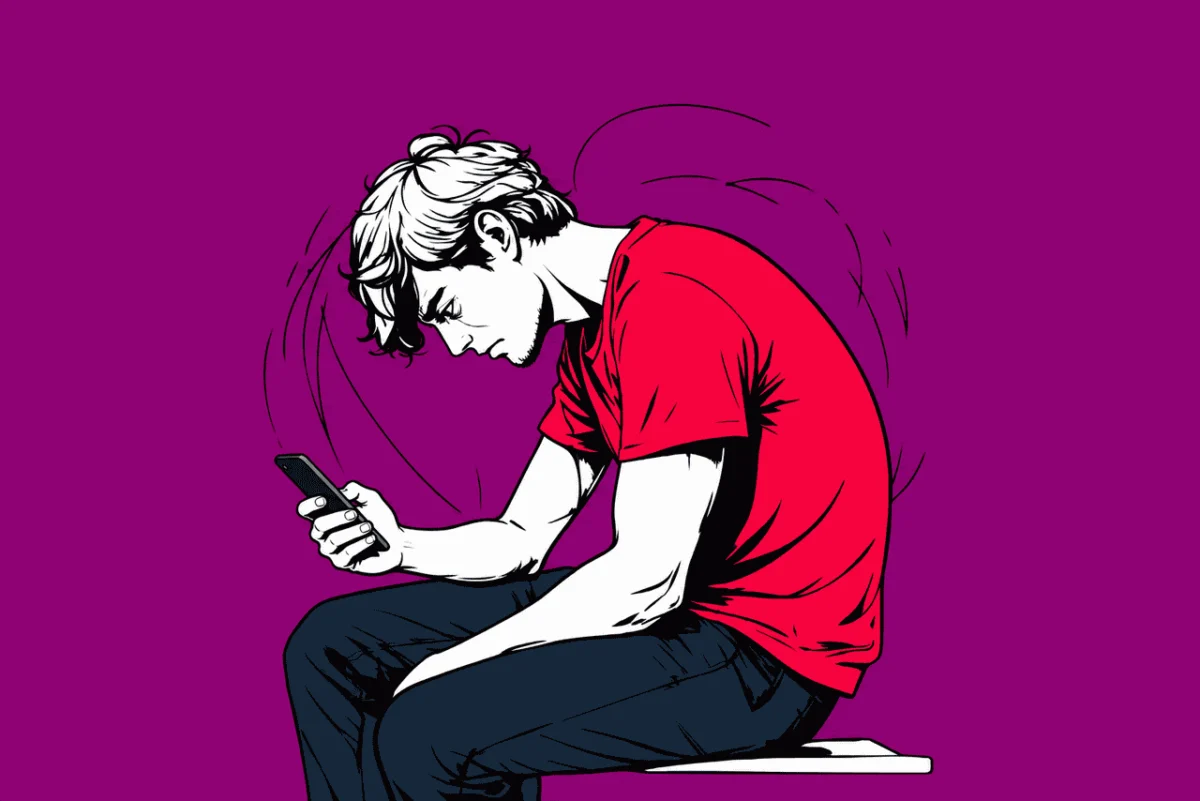
In an era defined by relentless productivity and the glorification of "the hustle," the human nervous system is facing an unprecedented crisis of chronic overwhelm. For many, the transition from a high-pressure workplace to the home environment no longer offers a reprieve; instead, it has become a seamless extension of the daily grind. As researchers in psychosomatic health continue to document the long-term impacts of unaddressed stress, a new perspective is emerging: the way we recover from our days is just as critical to our well-being as the work we perform.
The Duality of Discipline: A Personal Narrative of Two Worlds
The journey toward understanding healthy recovery often begins with untangling childhood patterns of expectation. For writer and storyteller Oleksandra Fomichova, the dichotomy of her upbringing served as the primary classroom for understanding the difference between "compulsory endurance" and "inspired balance."
Fomichova describes her childhood home as an "ice castle"—an environment characterized by rigid order and emotional detachment, where the mandate was to endure hardship as an inherent facet of existence. In contrast, her grandmother’s home represented a sanctuary of organic flow. There, productivity was not a matter of obligation, but of creative expression—baking, sewing, and gardening—unburdened by the demand for perfection.
This juxtaposition highlights a fundamental psychological truth: when human activity is fueled by inspiration rather than the fear of failing a standard, the nervous system remains regulated. When we treat our personal time as an extension of the "ice castle"—another checklist of chores and productivity markers—we deny our bodies the physiological reset they require to function effectively the following day.
Chronology of Burnout: The Anatomy of a Modern Day
To understand why we struggle to recover, one must examine the progression of a typical modern day. The "stress cycle" often begins before the workday even commences, fueled by the anticipation of deadlines and the fear of social or professional inadequacy.
- The Morning Threshold: We begin the day in a state of hyper-arousal, often checking emails before leaving bed. This primes the amygdala for constant threat detection.
- The Midday Compression: As the day progresses, we suppress emotions—fatigue, frustration, and doubt—to maintain a professional "mask."
- The Evening Collapse: Upon returning home, the nervous system remains in a "fight or flight" state.
- The Maladaptive Reset: Rather than engaging in genuine recovery, we turn to digital distractions, substances, or compulsive busyness to numb the residual physiological tension.
By failing to signal to the body that the "danger" of the workday has passed, we enter a state of chronic, low-grade stress that disrupts sleep cycles, impairs cognitive function, and eventually leads to emotional numbness or burnout.
Supporting Data: The Cost of Distraction
Clinical research into the "attention economy" confirms that our habitual responses to stress often exacerbate the very exhaustion we seek to alleviate. A study on digital consumption habits suggests that passive scrolling—often used as a tool to "switch off"—actually increases cortisol levels.
The Illusion of "Instant Relief"
Many individuals mistakenly equate distraction with recovery. The following habits, while common, serve as temporary anesthetic rather than restorative care:
- Algorithmic Scrolling: The rapid consumption of disconnected, bite-sized content prevents the brain from entering the "default mode network" (DMN), which is essential for emotional processing and memory consolidation.
- The "One More Thing" Syndrome: The psychological inability to end the workday—compulsively completing chores or answering "one last email"—keeps the endocrine system locked in a stress-response loop.
- Emotional Suppression: The cultural pressure to project a "fine" exterior forces the body to hold onto physical tension, which can manifest as somatic pain or anxiety.
Expert Perspectives on Nervous System Regulation
Neuroscience experts increasingly emphasize the importance of "safety signaling" to the nervous system. When we are stressed, our internal alarm system—the sympathetic nervous system—is activated. To return to a state of homeostasis, we must activate the parasympathetic nervous system (the "rest and digest" branch).

As Fomichova notes in her observations, the most effective tools for this transition are often the simplest. Engaging in sensory-based activities—such as experiencing the warmth of a bath, the physical sensation of nature, or the intentional slowing of the breath—tells the brain that the environment is once again safe. This is not "laziness"; it is a biological requirement.
The Role of Boundaries
Psychologists often point out that the inability to rest is rooted in a fundamental misbelief: that rest must be earned. By viewing rest as a reward for productivity, we create a system where we are never truly "off." True recovery requires a decoupling of human worth from output.
Implications: A New Framework for Living
The implications of this shift in perspective are profound. If we accept that stress is not a failure but a form of information, we change our relationship with our own lives.
From "Performance" to "Presence"
The transition from a performance-based life to one rooted in authenticity requires a radical shift in daily habits. This involves:
- Acknowledging the "Hard Day": The simple act of linguistic validation—saying, "Today was difficult"—activates the prefrontal cortex and helps dampen the emotional intensity of the stress.
- The "Clean Sheet" Philosophy: Each day should be treated as a discrete event. Carrying the residue of yesterday’s stressors into today prevents us from seeing the current moment with clarity.
- Self-Parenting: By treating one’s adult self with the same kindness one would show a child—providing warmth, rest, and patience—we can mitigate the physiological impacts of long-term trauma or chronic stress.
The Institutional Shift
While the onus is currently placed on the individual to manage their own stress, the broader implications suggest that workplaces and social institutions must also adapt. A culture that rewards constant availability is fundamentally unsustainable. The "quiet process of becoming oneself," as Fomichova describes it, requires time and space that modern society is currently failing to provide.
Conclusion: Returning Home to Yourself
The path to healing is rarely found in grand, transformative gestures. Instead, it is found in the quiet, consistent act of choosing ourselves over our obligations. When we stop using the evening hours to "patch our souls" with temporary distractions, we open the door to genuine recovery.
As we move forward, the challenge for the modern individual is not to become "tougher" or more capable of handling the relentless pace of the world. Rather, the challenge is to become the "safe place" we have been searching for all along. By prioritizing our own nervous system, we reclaim the ability to live with intent, creativity, and a sense of internal peace that remains unshaken by the demands of the world.
The to-do list will always be there, but the capacity to enjoy the life you are working so hard to maintain is finite. Prioritizing rest is not an act of surrender; it is a profound act of self-preservation. When we finally grant ourselves the permission to stop, we find that we don’t fall behind—we simply begin to live.


 Pevita Pearce





