




 Reynand Wu
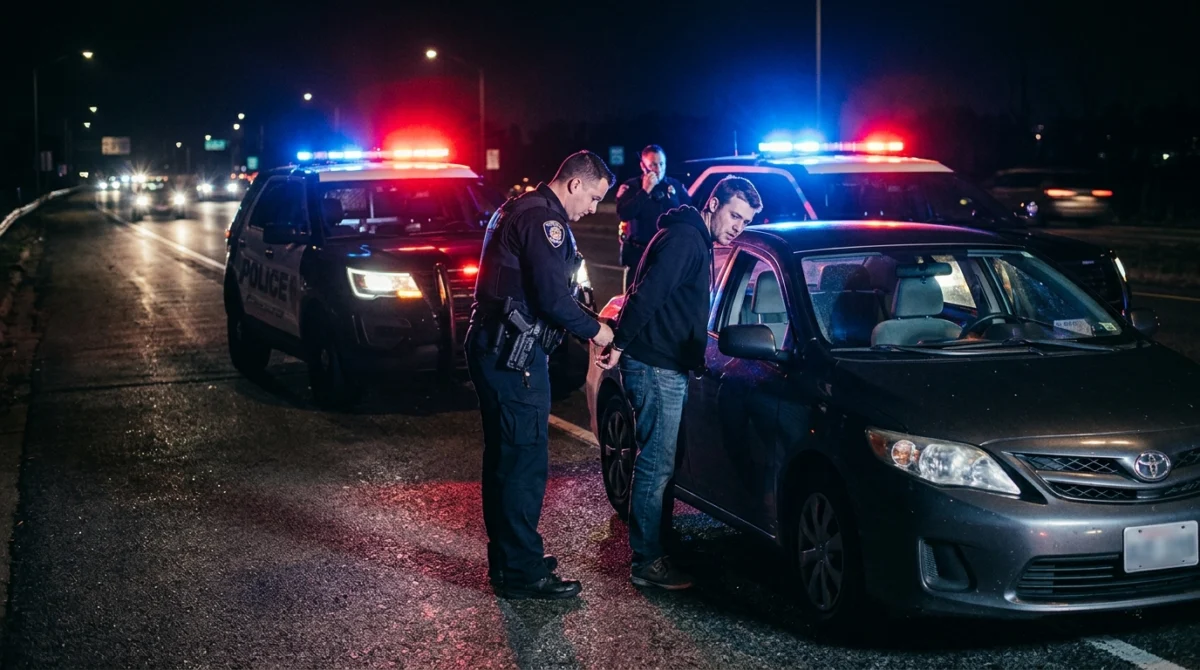
The landscape of impaired driving enforcement is shifting. While public awareness campaigns have long focused on the dangers of alcohol-related DUIs—standardizing the "0.08 percent" blood alcohol concentration (BAC) as the universal benchmark for intoxication—the rise of drug-related impairment cases presents a far more nuanced and legally complex challenge. According to the Centers for Disease Control and Prevention (CDC), cocaine remains a potent central nervous system stimulant with significant physiological impacts. In 2024, the United States saw 21,945 overdose deaths involving cocaine. While the rate of such deaths saw a statistical decline from 8.6 to 6.3 per 100,000 people between 2023 and 2024, the prevalence of the substance on the nation’s roadways continues to pose a significant legal and public safety concern.
Operating a vehicle under the influence of cocaine or other controlled substances is a criminal offense in all 50 states. However, unlike alcohol, there is no "legal limit" for cocaine. This absence of a bright-line rule transforms the prosecution and defense of these cases into a battle of clinical observations, toxicological interpretation, and constitutional scrutiny.
The Absence of a "Per Se" Limit: Why Drug Impairment Is Different
In the realm of alcohol-related Driving Under the Influence (DUI) or Driving While Intoxicated (DWI) charges, prosecutors benefit from "per se" laws. If a driver tests at or above 0.08 percent BAC, the state does not necessarily need to prove actual impairment; the law presumes that the driver is incapable of safe operation.
Cocaine does not enjoy this clear-cut legal framework. Because the drug affects every individual differently, and because its metabolites can linger in the bloodstream long after the stimulant effects have subsided, there is no universally accepted "intoxication threshold." In the eyes of the law, intoxication involving cocaine is defined not by the amount present in the blood, but by the impairment of the driver’s faculties. If a driver’s mental or physical coordination is compromised, they can be charged with a DUI, regardless of whether the concentration of the drug is trace or significant.
Chronology of a Stop: From Traffic Violation to Forensic Analysis
The legal process following a suspected cocaine-related traffic stop is a multi-stage ordeal that often begins with standard police procedure and evolves into a complex forensic investigation.
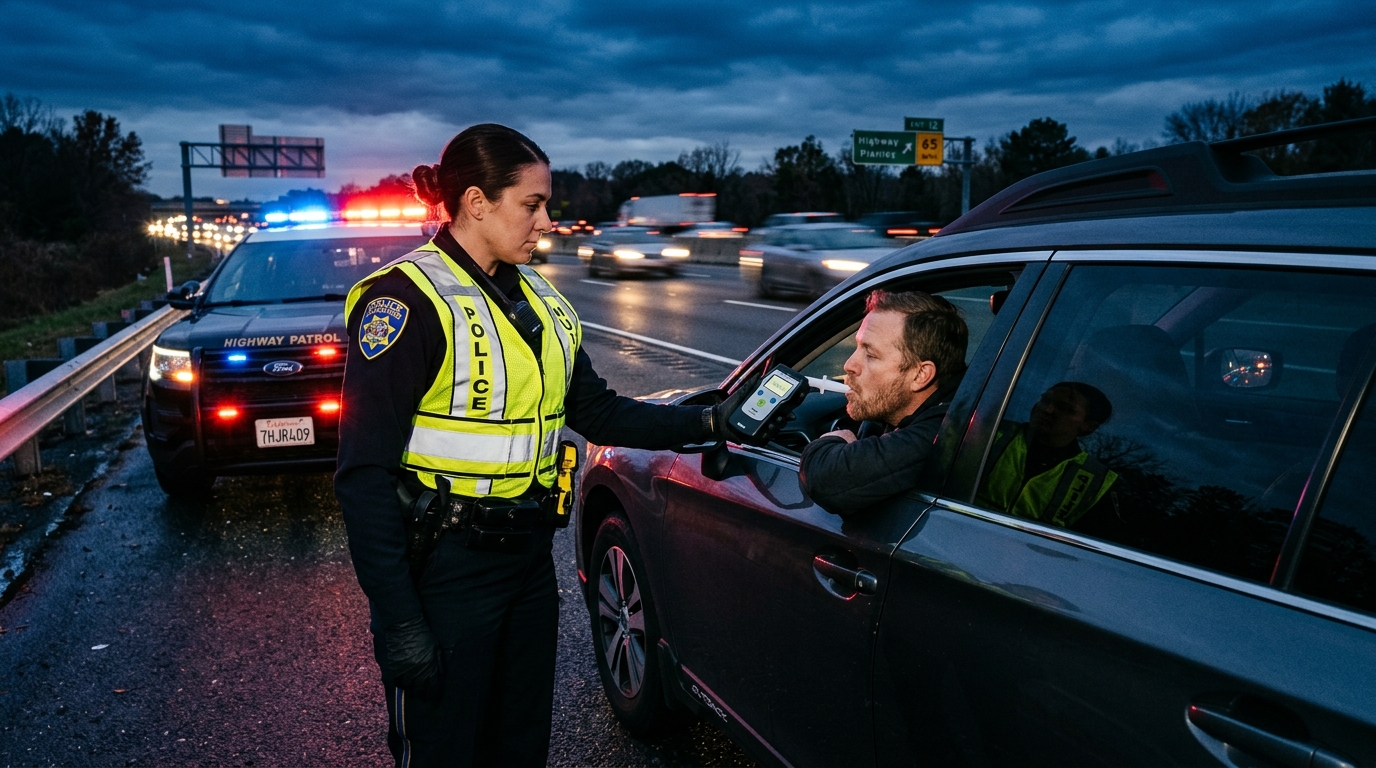
1. The Initial Contact and Field Sobriety Testing
Law enforcement officers are trained to identify the "telltale signs" of stimulant use. During a traffic stop, this typically begins with an assessment of the driver’s behavior: reckless lane changes, erratic speed control, or non-responsive interactions. Once stopped, officers look for physiological markers, including dilated pupils, rapid speech, tremors, or an uncharacteristic lack of coordination during Standardized Field Sobriety Tests (SFSTs).
2. The Investigative Pivot
When an officer suspects drug-induced impairment, they often request the assistance of a Drug Recognition Expert (DRE). A DRE conducts a systematic 12-step evaluation, which is far more comprehensive than the roadside tests used for alcohol. This includes measuring pulse rate, blood pressure, and body temperature, alongside a more granular examination of eye movements.
3. Toxicological Confirmation
Following an arrest, the suspect is typically compelled to provide a blood or urine sample. While the results of these tests confirm the presence of cocaine or its metabolites (such as benzoylecgonine), they do not provide an immediate "snapshot" of impairment at the time of driving. This is the crux of the defense in many cases: the gap between the presence of a substance and the manifestation of physical impairment.
Supporting Data: The Complexity of Prosecution
Because there is no per se value, the burden of proof rests heavily on the prosecution to build a narrative of impairment. This usually involves:
- Police Reports: Detailed documentation of the suspect’s behavior and performance on sobriety tests.
- Expert Testimony: Prosecutors frequently employ toxicologists or pharmacologists to testify on the known effects of cocaine on human reaction time, decision-making, and spatial awareness.
- Defense Rebuttal: Defense attorneys often challenge the connection between the exhibited behavior and the drug ingestion. They may argue that the symptoms observed—such as tremors or dilated pupils—could be caused by factors other than substance use, such as fatigue, anxiety, or medical conditions.
State Laws and Jurisdictional Variance
While the principle that "if it impairs your ability to drive, it is illegal" is universal, the application varies significantly by state. Some jurisdictions have "zero-tolerance" policies, where the presence of any detectable amount of a controlled substance can lead to a conviction. Other states require the prosecution to prove that the substance was the proximate cause of the impaired driving.

For example, in states like Texas or Florida, the classification of the offense—whether it is a misdemeanor or a felony—can change based on the specific drug laws of that region. In many jurisdictions, a first-offense DUI involving drugs is treated similarly to a first-offense alcohol DUI (a misdemeanor). However, the situation changes drastically if the officer discovers illegal drugs in the vehicle during the arrest.
The "Stacking" Effect: When Charges Multiply
One of the most dangerous aspects of a cocaine-related traffic stop is that it rarely results in a single charge. If an officer finds cocaine in the vehicle during the search incident to an arrest, the driver faces two separate, concurrent legal battles:
- The DUI/DWI Charge: This focuses on the impairment of the driver.
- The Possession Charge: This focuses on the illegal substance itself.
In many states, possession of even a small amount of a Schedule II substance like cocaine is classified as a felony. Consequently, a single traffic stop can escalate from a misdemeanor driving offense into a life-altering felony prosecution. This creates a complex strategic landscape for defense counsel, who must mitigate the fallout of the driving charge while simultaneously mounting a defense against potential incarceration for the possession charge.
Implied Consent and Administrative Consequences
Drivers must be aware of "implied consent" laws. By obtaining a driver’s license and operating a vehicle on public roads, a driver is deemed to have given consent to chemical testing if they are lawfully arrested for suspicion of impaired driving.
Refusing to submit to a test does not necessarily prevent a DUI charge—the officer can still testify as to the driver’s impairment—but it does trigger immediate administrative penalties. In most states, refusal results in the automatic suspension or revocation of the driver’s license, often before the criminal case even reaches a judge. This administrative action is separate from the criminal proceedings, meaning a driver can "win" their court case but still face long-term loss of driving privileges.
Official Responses and Public Safety Implications
Public health agencies and law enforcement organizations have shifted their focus to better identify drug-impaired drivers. The National Highway Traffic Safety Administration (NHTSA) has invested heavily in the DRE training program to bridge the gap between identifying alcohol impairment and identifying the more subtle, varied signs of drug impairment.
However, the legal system remains in a state of catch-up. Critics argue that until there is a standardized, rapid-testing technology for drug impairment that is as reliable as the breathalyzer, these cases will remain inherently subjective. This subjectivity puts immense pressure on both the defendant’s right to a fair trial and the state’s obligation to keep public roads safe.
Conclusion: The Necessity of Legal Vigilance
The legal consequences of driving after using cocaine are far-reaching and, due to the nature of drug possession laws, often far more severe than those associated with alcohol. The lack of a "legal limit" means that these cases are not merely matters of checking a box; they are intense, evidence-heavy disputes that require expert intervention.
For anyone navigating such a charge, the complexity of the legal process—from the initial field stop to the potential for layered felony charges—underscores the need for specialized legal counsel. Because laws vary so dramatically from one county or state to another, assuming that one jurisdiction’s rules apply to another is a dangerous mistake. As the legal system continues to grapple with the realities of substance-impaired driving, the onus remains on the driver to understand that the "zero-tolerance" reality for cocaine-related impairment is a standard that leaves little room for error.


 Raul Delapena Setiawan

 Muslim




