

 Dwi Wanna
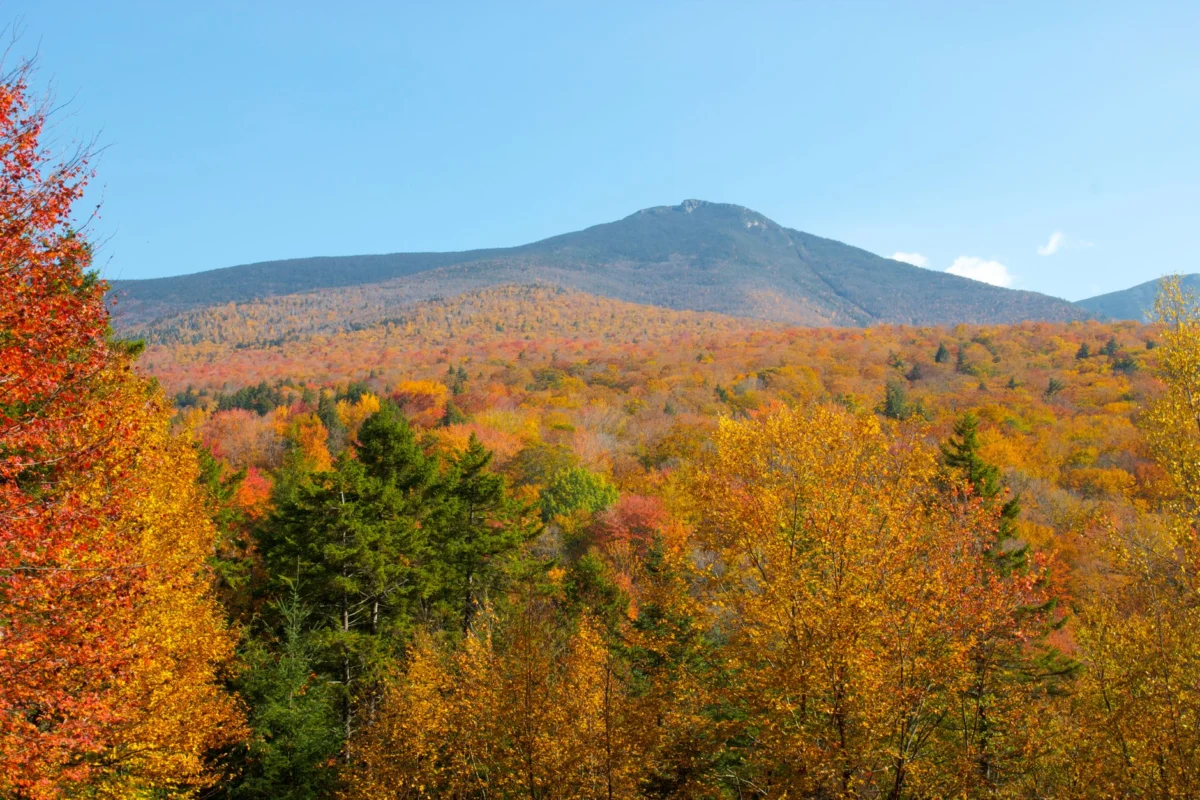
The annual obsession with Vermont’s Green Mountains in October has become a cultural phenomenon, but it comes at a steep price. For the average traveler, a "leaf-peeping" excursion to New England’s most famous zip codes now involves competing with thousands of others for limited parking, navigating gridlocked rural roads, and shelling out $400 a night for standard inns.
However, the reality of autumn travel is shifting. As school calendars reset and the frenetic energy of the summer tourism peak evaporates, a secondary market of mid-tier American cities emerges as the ultimate "budget-friendly" secret. By pivoting away from the well-trodden paths of Asheville, Stowe, or the Berkshires, savvy travelers are finding that the most vibrant foliage, the most authentic harvest festivals, and the most accommodating hospitality scenes are located in regions that haven’t yet been commodified by social media algorithms.
The Economics of the Shoulder Season
Travel industry data consistently indicates that the period between Labor Day and the onset of winter represents the most significant value window in the domestic tourism sector. According to travel analytics firms, domestic hotel occupancy rates in secondary markets often plummet by 20% to 30% following the first week of September.
This price correction is driven by the end of the family vacation cycle. As parents return to professional routines and students resume classes, the demand for short-term rentals and boutique hotels drops, forcing property owners to slash rates to maintain volume. For the flexible traveler, this provides a dual benefit: lower costs and a more intimate experience with local culture.
Pacific Northwest: Where Fog Meets Folklore
The Pacific Northwest often suffers from the misconception that it is a rainy, gray expanse during the fall. In reality, October in the region is defined by "golden hour" light, moody coastal aesthetics, and a harvest season that rivals any in the country.
Astoria, Oregon: A Coastal Time Capsule
Astoria, a town of approximately 10,000 residents, serves as the oldest American settlement west of the Rockies. Its topography—Victorian houses clinging to hillsides overlooking the confluence of the Columbia River and the Pacific Ocean—provides a dramatic backdrop for the changing seasons.

- The Vibe: A mix of industrial heritage and artisanal growth. The city boasts a craft brewery scene that is arguably the most concentrated in the region.
- The Draw: For film buffs, the city’s role in The Goonies remains a persistent draw, but for the average traveler, the appeal lies in the salmon runs and the crisp, maritime air. With average Airbnb rates fluctuating between $90 and $140, it remains one of the few coastal destinations where a weekend trip doesn’t require a vacation loan.
Walla Walla, Washington: The Undiscovered Vineyards
While Napa Valley and Sonoma command global attention, Walla Walla has quietly solidified its reputation as the premier wine destination of the Pacific Northwest. With over 100 wineries within a short driving radius, the city benefits from a lack of "bachelorette party" saturation. Harvest season in Walla Walla peaks in October, offering visitors the chance to experience the winemaking process firsthand, often with waived tasting fees for those who purchase a bottle.
The Midwest Renaissance: Beyond the Industrial Myth
The American Midwest is frequently dismissed by travel media, yet its small-town charm during the fall is unrivaled.
Galena, Illinois: The 19th-Century Time Machine
Located a three-hour drive from Chicago, Galena is a lead-mining town that has managed to preserve its 19th-century architecture with remarkable fidelity. With 85% of its buildings listed on the National Register of Historic Places, the city is a living museum. During October, the surrounding Driftless Area—a region untouched by the last glacial period—explodes into a kaleidoscope of oranges and reds. The town’s bar-to-person ratio is high, and the B&B market remains competitively priced compared to any coastal equivalent.
Duluth, Minnesota: The Lake Superior Edge
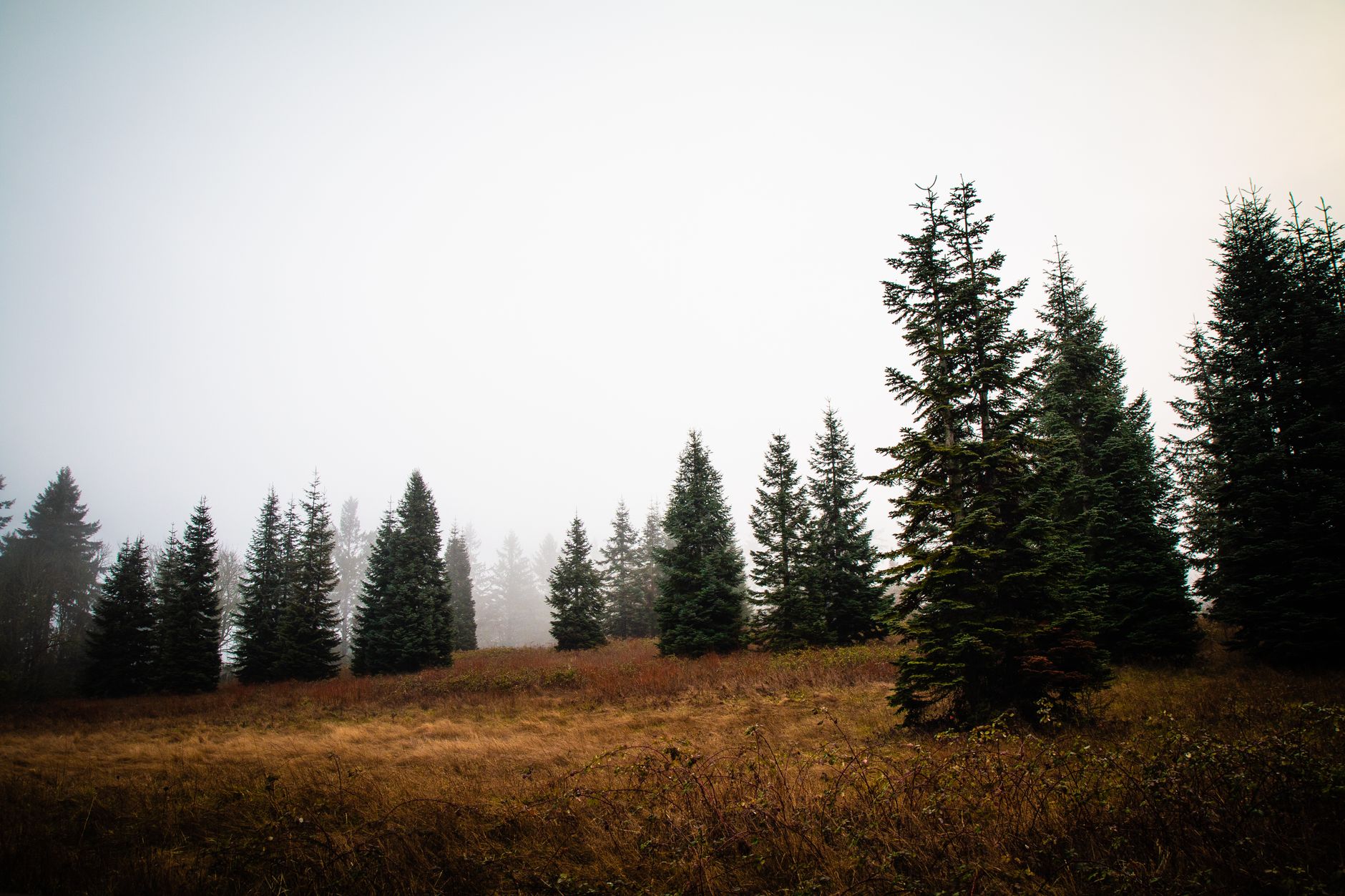
Duluth offers a rare synthesis of rugged wilderness and urban comfort. Situated on the western tip of Lake Superior, the city is surrounded by a boreal forest that provides some of the most vibrant foliage in the United States. Hikers can traverse the Superior Hiking Trail by morning and enjoy a high-end, locally sourced dinner in the Canal Park district by evening. The city’s strategic location allows for shoulder-season pricing, meaning travelers can secure waterfront views for a fraction of what they might pay in a more "branded" mountain town.
The Southeast: Where Autumn Lingers
For travelers who prefer to keep their jackets light, the Southeast offers a temperate, budget-conscious alternative to the cooling North.
Dahlonega, Georgia: The Gold Rush Harvest
Dahlonega, nestled in the North Georgia mountains, transforms into an autumnal postcard in mid-to-late October. The city center, a quintessential town square, is dominated by local vineyards and apple orchards. Because it is located only 90 minutes from Atlanta, it serves as an accessible retreat for urban dwellers. By choosing mid-week stays, visitors can avoid the weekend crowds and secure premium lodging at deep discounts.
Chattanooga, Tennessee: The Outdoor Capital
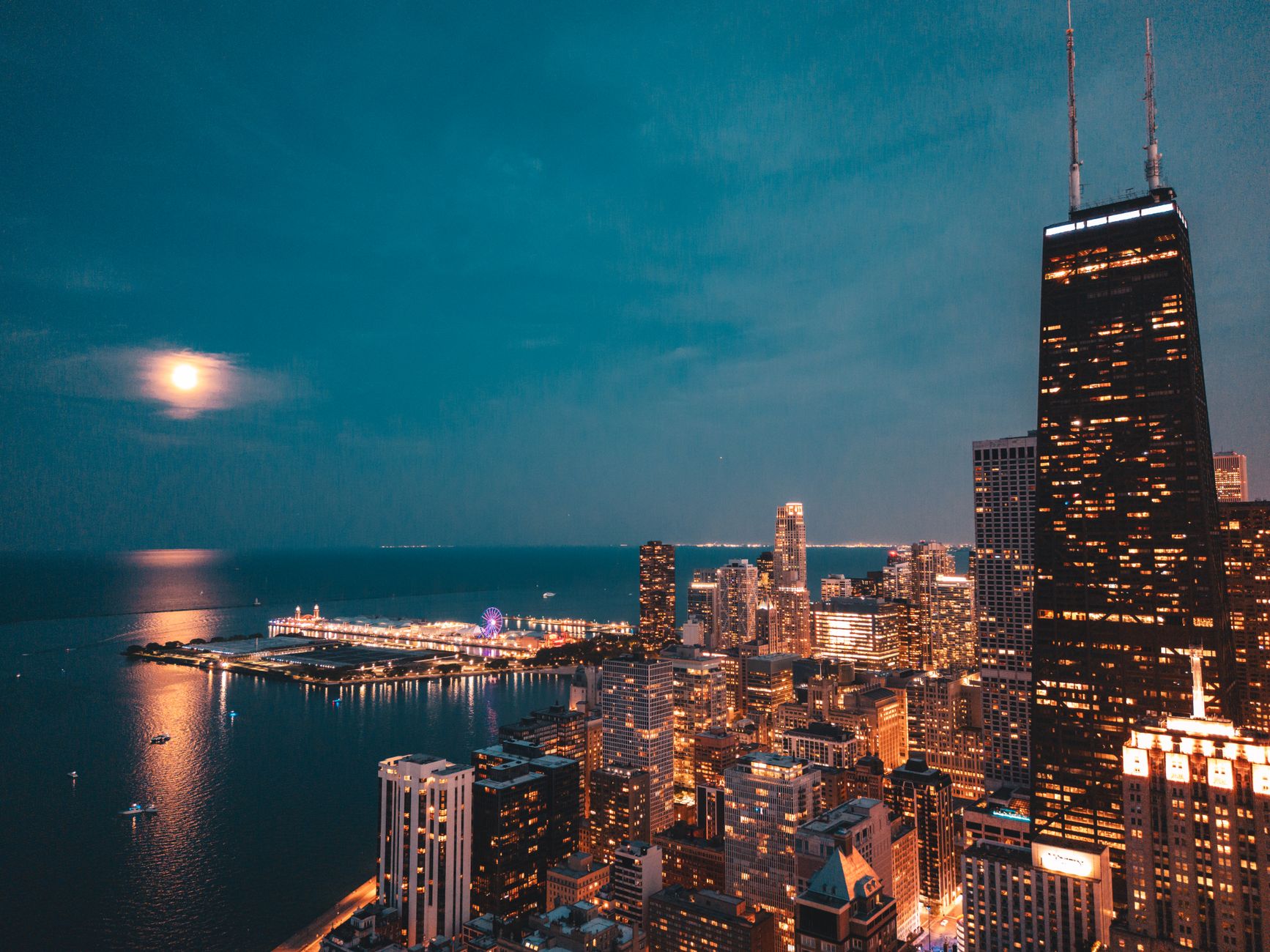
Chattanooga has successfully reinvented itself as an outdoor adventure hub. The proximity of the Tennessee River Gorge, Lookout Mountain, and Rock City provides endless, low-cost recreational opportunities. Unlike Nashville, which has seen hotel prices skyrocket in the last decade, Chattanooga maintains a balance of affordability and high-quality infrastructure, making it an ideal base for fall hiking and river-walking.
The Northeast: Redefining the Leaf-Peeping Route
The Northeast remains the epicenter of autumn tourism, but the secret to enjoying it lies in avoiding the "Top 10" lists.
Hudson, New York: The Creative Enclave
Two hours north of New York City, Hudson has evolved into a hub for art galleries, independent design boutiques, and culinary excellence. Warren Street serves as the town’s spine, lined with antique shops and cafes that cater to a sophisticated, low-key crowd. It avoids the tourist-trap intensity of the Catskills, offering a refined, quiet experience that is easily reachable via Amtrak from Penn Station.
Brattleboro, Vermont: The Authentic Alternative
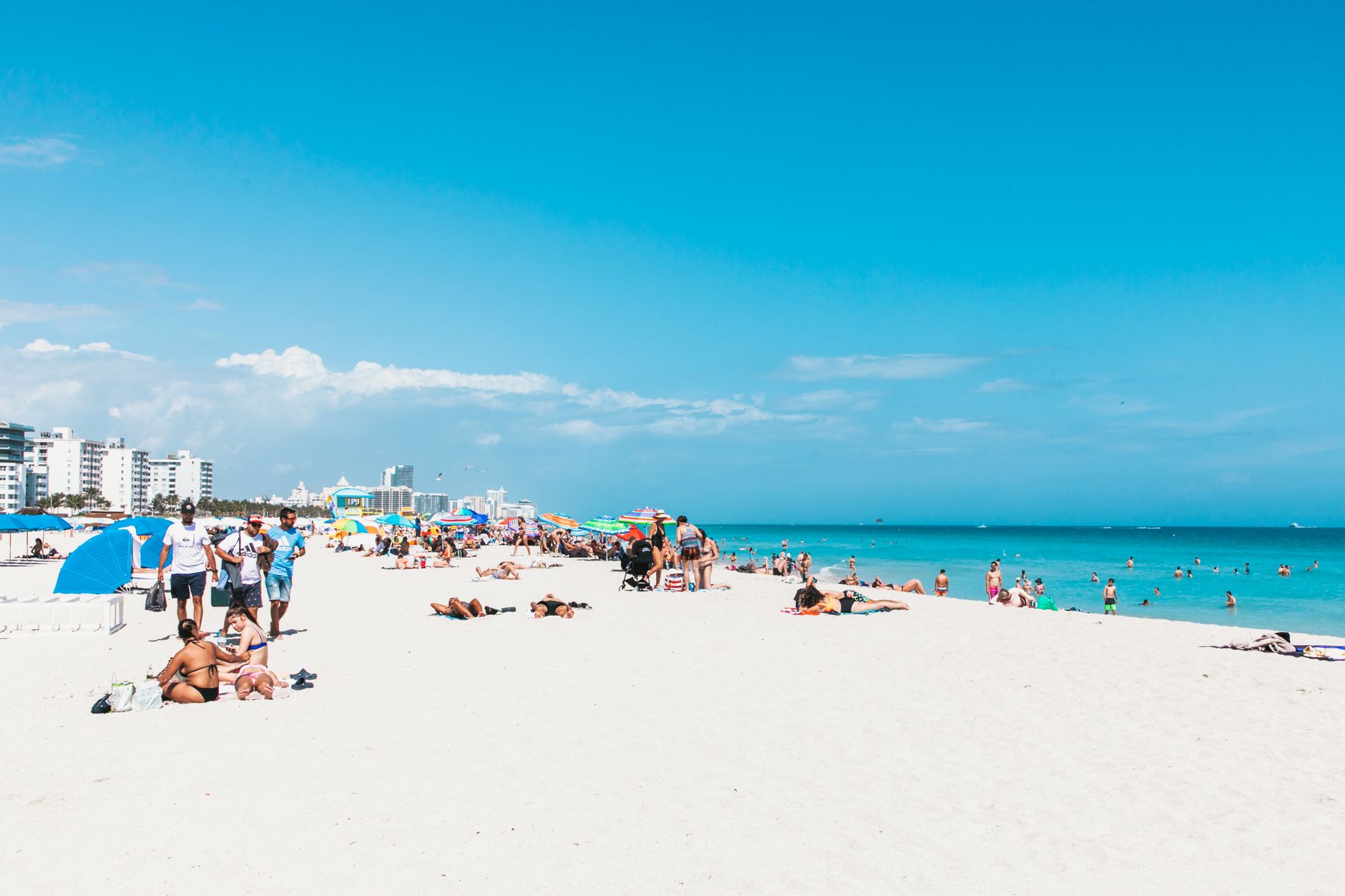
While Stowe and Woodstock struggle under the weight of autumn traffic, Brattleboro offers a authentic Vermont experience. As a river town on the Connecticut border, it maintains a unique "artsy" energy, with a year-round farmers market and a dense concentration of independent bookstores. The foliage in the surrounding hills is identical to that found in the tourist hotspots, but the experience is defined by local access rather than commercial crowding.
Strategic Planning: Tips for the Budget Traveler
To maximize the value of these destinations, travelers should adopt a few fundamental strategies:
- The Mid-Week Pivot: Booking a Tuesday-to-Thursday window can reduce lodging costs by as much as 40%.
- Strategic Booking Windows: Use meta-search engines to track the "shoulder season" price drops, which typically occur right after the second week of October for Northern states and late October for Southern states.
- Local Sourcing: In wine and cider regions, bypass the expensive tour packages. Direct engagement with local farmers and vintners often leads to cheaper, more genuine experiences.
The Verdict: Implications for Future Travel
The rise of these "under-the-radar" destinations suggests a broader shift in consumer behavior. Travelers are becoming increasingly disillusioned with the "Instagram-effect" that inflates prices and degrades the quality of the visitor experience in famous hubs.
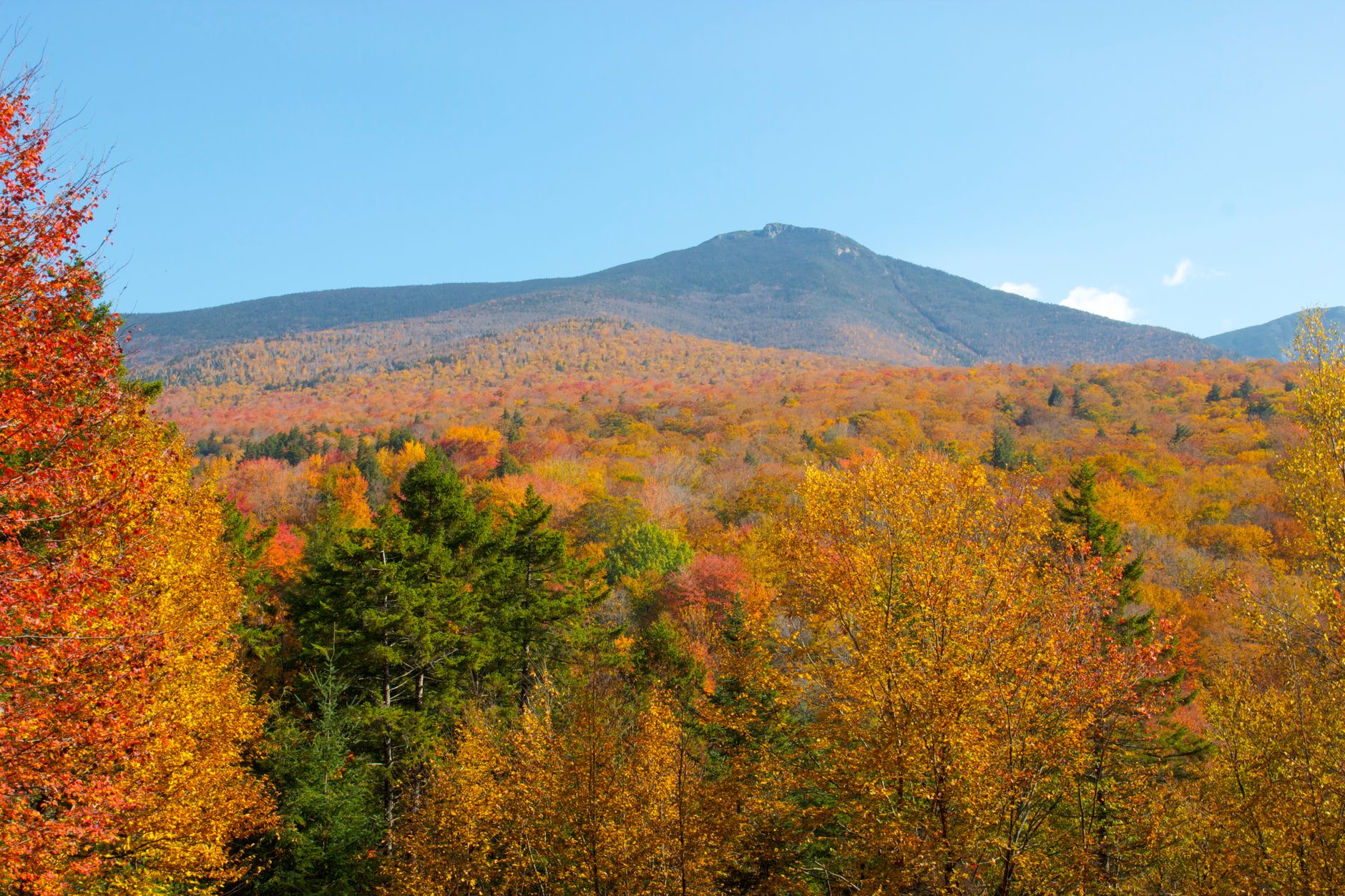
As we look toward the future of tourism, these cities represent a more sustainable model—one that rewards curiosity over consensus. By choosing these locations, travelers not only protect their budgets but also support local economies that are currently thriving, vibrant, and eager for visitors who value authenticity over hype.
Ultimately, the fall travel experience is not defined by the destination’s popularity, but by the crispness of the air, the color of the canopy, and the lack of a crowd to block your view. In that regard, these destinations are not just "budget" options; they are the premium choice.


 Azzam Bilal Chamdy

 Asro