




 Neng Nana
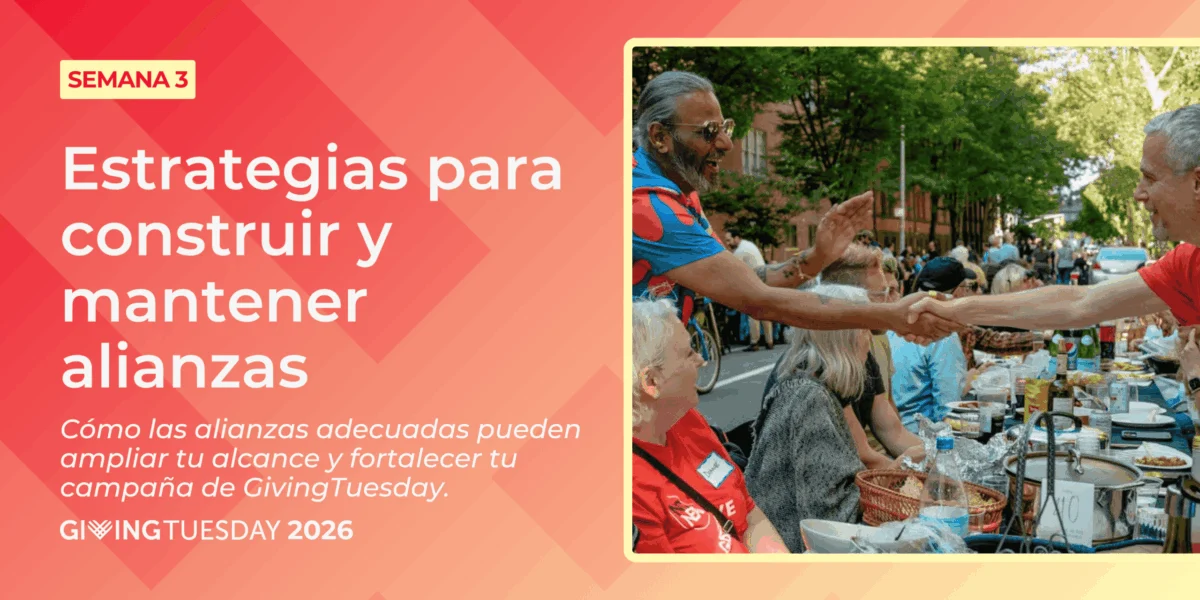
“Alone we can do so little; together we can do so much.” — Helen Keller
In the modern landscape of social impact, the complexity of community challenges often exceeds the capacity of any single organization. Whether it is a grassroots non-profit or a burgeoning local charity, the reality remains the same: scaling reach and deepening impact is rarely a solitary endeavor. As we look toward the upcoming #GivingTuesday, now scheduled for December 1, 2026, the strategy for success is shifting from individual outreach to the cultivation of robust, symbiotic partnerships.
Strategic alliances have emerged as the cornerstone of effective activation. By leveraging existing trust, tapping into established networks, and pooling resources, organizations are finding that they can not only amplify their message but also foster a sense of collective ownership that ensures their mission continues long after the final donation is tallied.
Defining the Modern Alliance: Beyond the Transaction
To understand the value of an alliance, one must first deconstruct the term. In the context of philanthropic activations, a partnership is not merely a request for funds or a one-time sponsorship. It is a deliberate, strategic relationship between entities—whether individuals, businesses, or non-profits—designed to bridge gaps in reach, credibility, resources, or specialized expertise.
Two pillars support this definition: relationship and shared objective.
An effective ally is not simply a source of capital; they are a partner in vision. If the goals of two organizations are misaligned, the energy expended to maintain the connection becomes a liability. A successful partnership is a dynamic, ongoing dialogue. It requires constant recalibration, radical transparency regarding expectations, and, most importantly, the time required to build genuine trust. Trust, as any community leader knows, cannot be manufactured overnight.
It is also vital to distinguish between a "participant" and an "ally." A participant is someone who engages with your activation, whereas an ally is someone who works alongside you to create the very conditions that allow others to participate. While participants may evolve into allies, the foundational work of partnership requires a more intentional commitment to shared goals.
The Chronology of Cultivation: From Discovery to Long-Term Impact
Building a high-impact alliance is a process that mirrors the lifecycle of any professional relationship. For organizations looking to maximize their efficacy during GivingTuesday, the path to a sustainable partnership follows a distinct three-phase trajectory.
Phase 1: Identification and Outreach
The most resilient alliances are often built close to home. The "local-first" approach is particularly potent for non-profits. Potential allies are often hiding in plain sight: chambers of commerce, local athletic sponsors, long-term vendors, or the personal professional networks of your board members.
When scouting for partners, leaders should ask themselves: What does this organization value? If an organization’s mission overlaps with yours, a partnership becomes a natural extension of their existing operations rather than an added burden. Identifying these synergies is the first step in unlocking doors to new donor bases and community influence.
Phase 2: Cultivating the Relationship
The initial outreach is a critical inflection point. Many organizations make the mistake of approaching potential partners with a "sales pitch." Instead, the first conversation should be an inquiry. By prioritizing the potential partner’s priorities and community commitments before presenting your own needs, you demonstrate respect and an understanding of the mutual benefit.
Once the dialogue is open, the proposal must be granular. A request for "support" is easily ignored; a proposal for a "matching grant program" or a "co-branded awareness campaign" is actionable. The most successful activations are designed in tandem, ensuring that both parties have skin in the game and a clear role in the outcome.
Phase 3: Long-Term Maintenance
The true measure of a partnership is its resilience beyond the campaign window. After the peak of GivingTuesday, the relationship should not go dormant. Sustainability is achieved through consistent communication, reporting on the specific impact made possible by the partner’s contributions, and acknowledging their unique role in the project. Because the needs of organizations are fluid, leaders must revisit their shared goals regularly to ensure the collaboration remains relevant and mutually rewarding.
Strategic Advantages: Why Business Partnerships Matter
For many non-profits operating with limited budgets, the local business community represents an untapped well of potential. Small and medium-sized businesses possess the exact assets that non-profits often lack: physical storefronts, marketing budgets, and an existing customer base that has already placed its trust in the brand.
When a local business aligns with a non-profit, they provide more than just financial support—they provide social proof. A customer who trusts a local coffee shop is significantly more likely to trust a charity that the shop endorses. This "halo effect" of credibility is one of the most effective tools for donor acquisition.
The Economics of Shared Resources
Data from past GivingTuesday cycles indicates that campaigns supported by multi-sectoral partnerships see higher engagement rates. By sharing the costs of marketing, event space, or logistics, both the business and the non-profit achieve more with less. Furthermore, employee engagement programs within these businesses can serve as a steady pipeline for volunteers, providing the human capital necessary for large-scale, in-person activations.
Official Perspective: The Evolution of Radical Generosity
The leadership behind the global GivingTuesday movement emphasizes that these partnerships are not just logistical necessities; they are moral imperatives. The philosophy of "Radical Generosity" suggests that the silos that often separate businesses, non-profits, and individuals are arbitrary.
In their official briefings, organizers highlight that the most impactful activations in recent years have been those that moved away from "transactional funding" toward "relational investment." The goal for 2026 is to push this boundary further. By encouraging organizations to treat every partner as a long-term stakeholder, the movement aims to foster a culture where generosity is the baseline of community interaction, not a seasonal occurrence.
Implications for Future Activations
As we look toward the next major milestones, the implications for organizations are clear: the era of the "cold-call" solicitation is fading. The future belongs to the ecosystem builders.
1. The Death of the Generic Ask
Organizations that continue to send mass-email solicitations without tailoring their approach to the recipient’s values will likely see diminishing returns. The "ask" of the future must be bespoke, specific, and collaborative.
2. Measuring Success Beyond the Dollar
While financial targets are essential, the success of an alliance should also be measured by the strength of the network. If an organization completes an activation and has gained five new, long-term partners who are committed to future collaboration, they have succeeded far beyond the metrics of a single day of giving.
3. Institutionalizing Gratitude
The most neglected aspect of partnership management is the post-mortem analysis. Organizations that take the time to deeply thank their partners, showcase their impact, and solicit feedback on how to improve the partnership for the following year are the ones that will secure their funding and support for the next decade.
Conclusion: A Call to Action
The road to December 1, 2026, is an opportunity to redefine how your organization interacts with the world. Every email, every coffee meeting, and every shared social media post is a chance to build a foundation.
Do not view your next partnership as a means to an end. View it as a fundamental shift in your organization’s capacity to do good. Whether you are a small neighborhood food bank or an international advocacy group, the principles remain the same: find your shared values, build deep trust, and work together to create the conditions for a more generous world.
As you begin your planning for the coming months, identify those potential allies who share your vision. Reach out, listen, and propose a collaboration that serves both your mission and the community at large. The goal is not just to have a successful December; the goal is to weave a network of support that persists, strengthens, and thrives, regardless of the date on the calendar.
The power of collective action is the most potent tool in the non-profit sector. By choosing to move forward together, you aren’t just reaching your goals—you are building the architecture for a more resilient and compassionate society.


 Ammar Sabilarrohman
 Suro Senen






