
 Laily UPN
The holiday season, while a period of global celebration and economic boom, conceals a mounting environmental crisis within its shimmering aesthetics. As the global gift-wrapping industry surges toward a valuation of over $20 billion, the ecological footprint of this single-use tradition has come under intense scrutiny. From the persistence of microplastics to the destruction of non-certified forests, the "unwrapping experience" is being redefined by a new wave of ethical brands and circular economy advocates.
The Paradox of the Presentation: Main Facts and Current Landscape
At the heart of the modern gifting industry lies a psychological paradox. Research published in the Journal of Consumer Psychology (and supported by the Society for Consumer Psychology) indicates that wrapped gifts are fundamentally associated with positive mood changes, which directly influence how much a recipient appreciates a gift. This creates a tension for the eco-conscious consumer: how to maintain the ritual of surprise without contributing to the millions of tons of waste that end up in landfills each January.
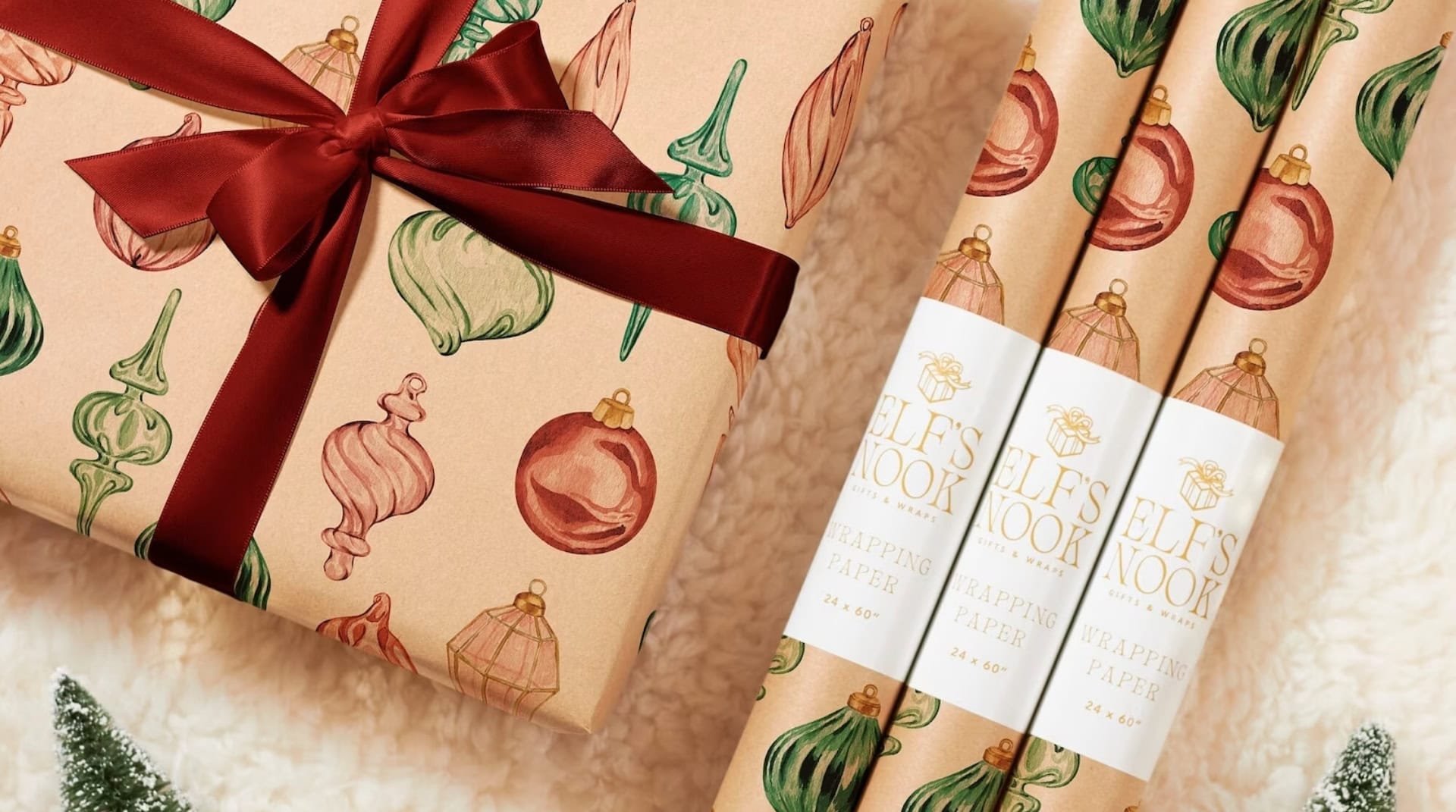
The primary obstacle is the composition of conventional wrapping paper. While consumers often assume "paper" is inherently recyclable, the reality is far more complex. Modern gift wraps are frequently infused with shiny foils, micro-glitter, plastic laminates, and synthetic coatings. These additives render the material ineligible for standard curbside recycling. When these items are discarded, they do not decompose; instead, they fragment into microplastics, eventually infiltrating soil and waterways—a process documented in various environmental science journals as a significant contributor to global pollution.
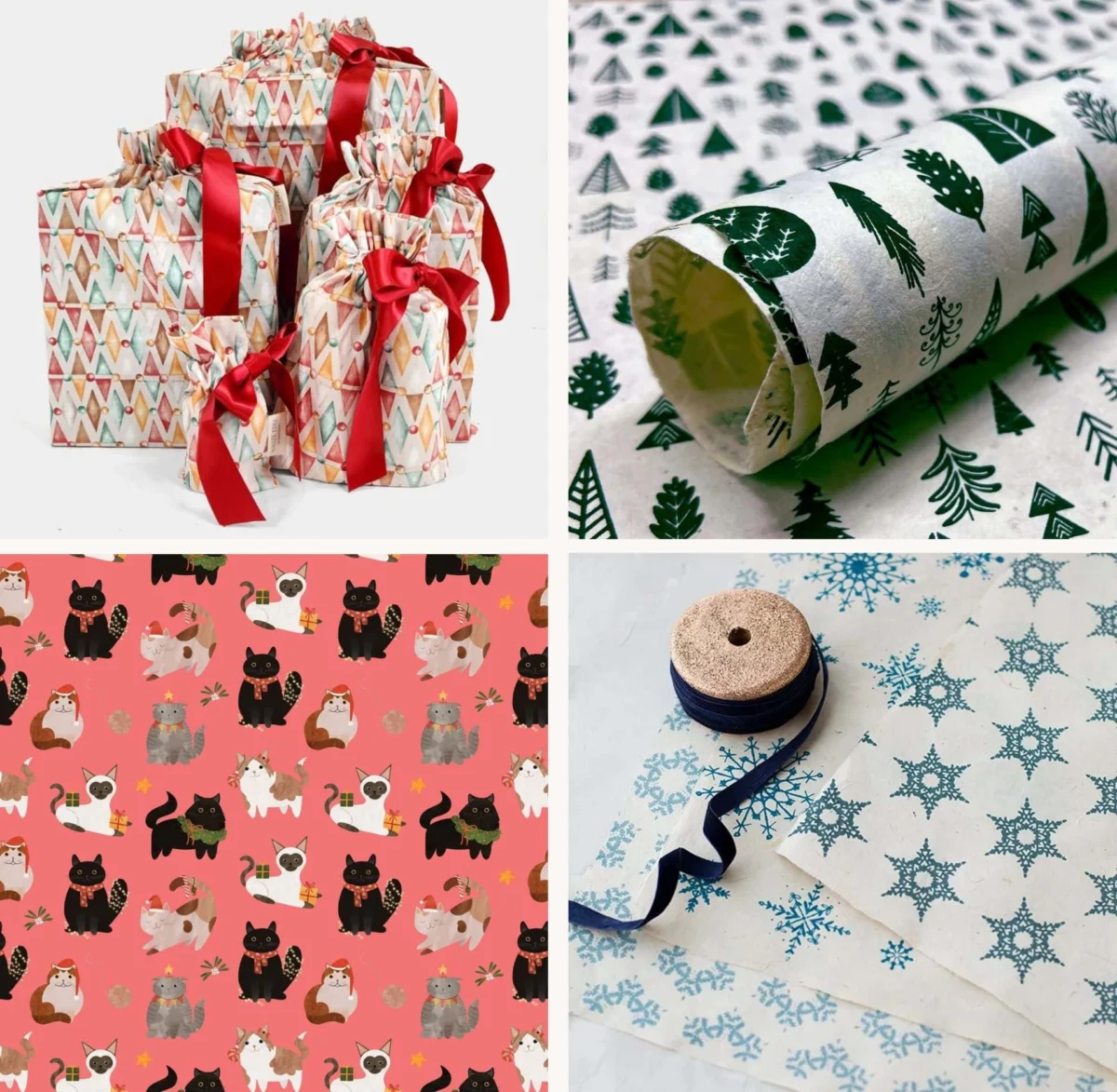
To combat this, a specialized sector of the industry is pivoting toward "circular wrapping." This involves the use of post-consumer recycled (PCR) paper, organic textiles, and innovative plant-based materials like Lokta bark, which offer the same aesthetic appeal without the permanent environmental cost.

From Nara to the Industrial Age: A Chronology of Wrapping
The history of gift wrapping reveals that the current "throwaway" culture is a relatively recent industrial deviation.
- 710–794 AD (The Nara Period): In Japan, the craft of Furoshiki—using reusable fabric to wrap and transport goods—was established. This represented one of the earliest forms of circular packaging, emphasizing the longevity of the material.
- 1917: The modern industry as we know it began almost by accident in Kansas City. When a local stationery store ran out of traditional tissue paper, they began selling decorative French envelope liners as gift wrap. The immediate success of this pivot birthed the commercial gift-wrap industry.
- Late 20th Century: The introduction of mass-produced, plastic-coated, and metallic papers occurred. As production costs dropped, wrapping paper transitioned from a luxury item to a ubiquitous, single-use commodity.
- 2017–Present: A significant cultural shift, led by organizations like Sustainable Jungle and various eco-startups, has begun to challenge the industrial status quo. The emergence of the "Zero Waste" movement has forced brands to disclose supply chain details and transition toward non-toxic, water-based inks and FSC-certified materials.
The Hidden Cost: Supporting Data on Environmental Impact
The environmental toll of the $20 billion industry is rooted in resource extraction and chemical processing. Most conventional wrapping paper is manufactured from virgin timber. When these trees are harvested from non-FSC (Forest Stewardship Council) certified plantations, it poses a direct threat to local biodiversity and disrupts carbon sequestration.
Furthermore, the manufacturing process is chemically intensive. Transforming wood into the bright, white pulp required for vivid printing often involves bleaching agents and hydroxides. The inks used to create festive patterns are another point of concern; many contain Volatile Organic Compounds (VOCs) and heavy metals. According to industry data, the energy required to produce a single roll of metallic, plastic-lined wrap is significantly higher than that of recycled alternatives, yet its lifespan is measured in mere seconds.
The "Recyclability Dilemma" is best illustrated by the "Scrunch Test"—a diagnostic tool used by waste management experts. If a piece of paper is scrunched into a ball and remains in that shape, it is likely pure paper and recyclable. If it springs back, it contains plastic or metallic elements that will contaminate the recycling stream. This contamination is a major operational cost for municipal recycling facilities, often leading to entire batches of recyclable paper being diverted to landfills.

Pioneering the Circular Wrap: Official Responses and Brand Innovations
In response to these challenges, several brands have emerged as leaders in sustainable material science. These companies are not merely selling paper; they are redesigning the supply chain.
Of The Earth: The Plantable Solution
Of The Earth has garnered attention for its use of Lokta paper, a traditional Nepalese material derived from the Daphne bush. Because the bush regenerates from its root after being cut, it serves as a renewable resource. Official reports from the brand highlight a closed-loop water system in their production and a "wildflower seed" integration, allowing the paper to be planted rather than discarded.

Waterleaf Paper Co: Dissolvable Innovation
Focusing on the elimination of physical waste, Waterleaf Paper Co utilizes plant cellulose that is 100% dissolvable and compostable. By using water-based inks and a custom-made-to-order model in the US, they reduce overproduction and chemical runoff.
Wrappr and Waste Free Celebrations: The Textile Alternative
Wrappr has modernized the ancient Furoshiki tradition by collaborating with global artists who earn royalties on every design. Their use of recycled polyester and cotton canvas provides a multi-use alternative that doubles as a secondary gift (such as a scarf). Similarly, Waste Free Celebrations provides a socio-economic response by employing women in Kabul, Afghanistan, to sew reusable cotton gift bags, utilizing solar-powered factories to minimize their carbon footprint.

MASU: 100% Post-Consumer Content
Founder Libby Hampel of MASU established a standard for the industry by ensuring all products are 100% post-consumer recycled and manufactured entirely within the United States. This reduces the "shipping miles" associated with the product while ensuring that no new trees are felled for their production.
The Recyclability Threshold: Science and Consumer Education
One of the most critical implications of the move toward sustainability is the need for consumer education regarding "Greenwashing." Many products labeled "eco-friendly" still contain elements that prevent them from being truly circular.

Official guidelines for recycling gift wrap emphasize the removal of all "contamination" before disposal. This includes:
- Adhesive Tape: Standard plastic tape is a contaminant. Experts recommend switching to water-activated paper tape or biodegradable cellulose tape.
- Embellishments: Ribbons and bows, typically made of polyester or nylon, are not recyclable.
- The Foil Factor: Any paper that has a metallic sheen or glitter is technically a multi-material laminate, which current mechanical recycling processes cannot separate.
To bridge this gap, organizations like TerraCycle have launched specialized "Zero Waste Boxes" for gift-wrap waste. These programs provide a specialized recycling stream for items that municipal systems cannot handle, though they often come at a premium price to the consumer.

Implications: The Future of Gifting Culture
The transition toward sustainable wrapping is more than a trend; it represents a fundamental shift in consumer values. The implications of this movement suggest a move toward "Upcycled Aesthetics."
Low-waste gift wrapping ideas—such as using old maps, newspapers, or even inside-out potato chip bags (which offer a silver, metallic look without the plastic waste of new foil)—are becoming signs of "eco-status." The use of natural botanicals, such as sprigs of rosemary, pinecones, and dried citrus, is replacing plastic bows, signaling a return to rustic, earth-centered celebrations.

Furthermore, the rise of the "two-in-one" gift—where the wrap itself (like a tea towel or a reusable produce bag) is part of the present—is gaining traction in the ethical consumer market. This approach effectively reduces the cost-per-use of the packaging to zero.
Conclusion: A Pledge for the Planet
As we analyze the $20 billion gift-wrapping industry, the conclusion for the modern consumer is clear: the most sustainable choice is the one that already exists. Whether it is reusing half-used rolls from previous years or adopting the elegant, waste-free knots of Furoshiki, the goal is to decouple the joy of giving from the generation of waste.

By choosing brands that prioritize FSC-certified recycled content, non-toxic inks, and fair-trade labor, consumers can ensure that their holiday traditions do not come at the expense of the planet’s future. The "Sustainable Jungle" of gifting is complex, but through intentional choices and a shift toward circularity, the spirit of the season can finally align with the principles of ecological preservation.

 Pevita Pearce
 Nana