



 Basiran
As the 2026 holiday season approaches, the retail landscape is undergoing a significant transformation. Projections indicate that online holiday sales are set to grow by 6–8% this year, marking a steady continuation of digital-first consumer habits. However, for an increasingly large segment of the population, the motivation behind this spending is shifting. No longer content with traditional consumerism, socially conscious shoppers are leveraging their holiday budgets to fuel global progress, prioritizing purchases that support nonprofit organizations rather than purely corporate interests.
This report explores the rise of "philanthropic retail," providing a comprehensive guide to 38 organizations that turn gift-giving into a force for good.

Main Facts: The New Consumer Mandate
The 2026 retail outlook confirms that consumers are more value-aligned than ever before. When shoppers purchase merchandise directly from the online stores of nonprofits, they are essentially participating in a dual-action transaction: acquiring a meaningful gift while providing direct financial support to a cause.
Whether you are looking for handcrafted goods, educational resources, or symbolic adoptions, the following list highlights institutions dedicated to human rights, environmental protection, and social justice. For those who prefer to offer the gift of choice, organizations like TisBest.org and GlobalGiving.org provide charity gift cards, allowing recipients to direct funds to the causes they are most passionate about.

Chronology: The Evolution of Non-Profit E-Commerce
The rise of the "Nonprofit Store" model did not happen overnight. It is the result of decades of digital transformation within the third sector.
- Early 2000s: Nonprofits began experimenting with basic e-commerce to sell branded apparel and educational materials, largely to build awareness rather than significant revenue.
- 2010s: The advent of social media and global logistics platforms allowed organizations to scale their reach. Fair trade initiatives, such as Ten Thousand Villages and Global Goods Partners, proved that high-quality, artisan-made goods could compete with mainstream retailers.
- 2020s: The pandemic accelerated the shift to digital storefronts. Nonprofits refined their inventory, moving toward sustainable, ethically sourced, and mission-aligned products.
- 2026 (Present): We are now in an era where "nonprofit tech" has reached maturity. Organizations are using sophisticated AI to manage inventory, personalize shopping experiences, and ensure that every dollar spent translates into measurable impact.
Supporting Data: A Curated Directory of Impactful Retail
To facilitate your holiday planning, we have categorized these 38 shops by their primary mission.

Environmental Stewardship & Animal Welfare
These organizations turn your holiday shopping into a defense of our planet and its inhabitants:
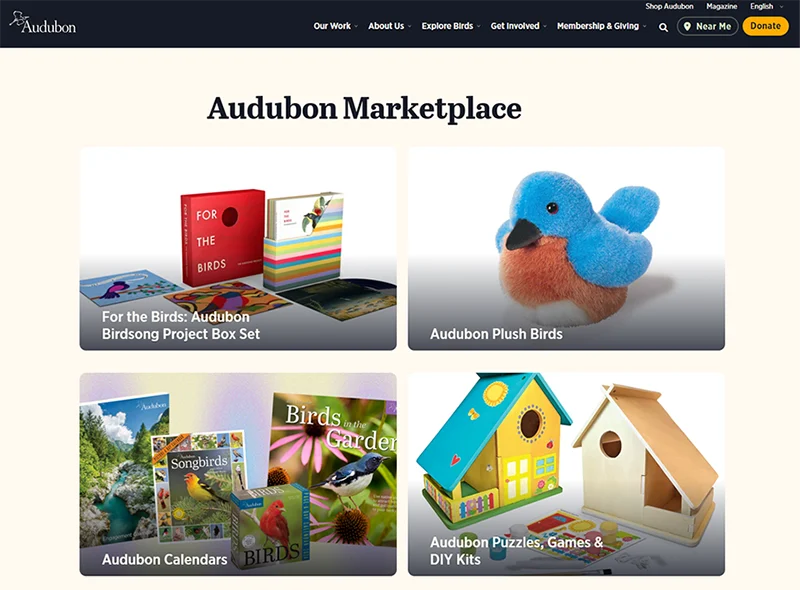
- Audubon Society: Protects birds and butterflies through unique, nature-inspired gifts.
- Animals Asia: Supports the fight to end bear bile farming.
- Best Friends Animal Society: Funds no-kill initiatives for animal shelters.
- DarkSky International: Protects the nighttime environment from light pollution.
- Helping Rhinos: Directly funds conservation efforts for endangered rhinos.
- Heal the Bay: Protects coastal waters in Greater Los Angeles.
- National Parks Conservation Association: Funds the preservation of America’s national parks.
- Oceana: Offers symbolic adoptions to restore the world’s oceans.
- PETA: Supports animal advocacy and rights work.
- Sierra Club: Promotes the responsible use of ecosystems.
- Surfrider Foundation: Provides sustainable products that protect beaches and waves.
- World Wildlife Fund: Global conservation and wildlife protection.
Arts, Culture, and Education
Gifts that feed the mind and support the preservation of human history:

- Art Institute of Chicago: Supports the arts through beautiful, globally sourced objects.
- Field Museum: Perfect for science and history enthusiasts.
- First Book: Provides books to schools in low-income communities.
- Getty Store: Curated merchandise reflecting art history.
- MoMA Design Store: Cutting-edge design products.
- NPR Shop: Supports independent public radio programming.
- PBS Kids Shop: Educational toys and materials.
- SFMOMA: Modern art books, apparel, and home decor.
Social Justice, Human Rights, and Advocacy
Shopping that supports the fight for equality and civil liberties:
- ACLU: Defends constitutional rights.
- Amnesty International: Champions universal human rights.
- Democracy Forward: Advances democratic progress.
- Electronic Frontier Foundation: Defends digital civil liberties.
- Emily’s List: Helps women run for office.
- Human Rights Campaign: Advocates for LGBTQ+ equality.
- Malala Fund: Ensures girls’ access to education.
- Planned Parenthood: Supports affordable reproductive healthcare.
- St. Jude Gift Shop: Defeats childhood cancer and deadly diseases.
- Survival International: Fights for the rights of tribal peoples.
- Sweet Relief Musicians Fund: Aids music industry workers in crisis.
- TWLOHA: Provides hope for those struggling with mental health.
Fair Trade and Global Poverty Relief
- Global Goods Partners: Fair trade products from over 60 artisan groups.
- Nest: Handcrafted artisan wares.
- Serrv International: Fights poverty through ethical trade.
- Ten Thousand Villages: Global fair trade crafts.
- UNICEF Market: Supports artisans and saves children worldwide.
- UPAVIM Crafts: Supports women’s cooperatives in Guatemala.
Official Responses and Strategic Shifts
Nonprofit organizations have noted a significant uptick in consumer engagement over the last three years. In interviews with sector leaders, the consensus is clear: donors are becoming "customers," and customers are becoming "donors."

"The lines between philanthropy and retail have blurred," says a spokesperson from a leading nonprofit advocacy group. "When a shopper buys a shirt from a store that directly funds legislative action, they are wearing their values. It is a powerful way to engage with a mission beyond a one-time donation."
This shift has prompted nonprofits to invest in "mission-based merchandising." Rather than selling generic items, organizations are partnering with designers to create products that tell a story—whether it’s a tote bag highlighting gender equality or a puzzle featuring endangered species.

Implications: The Future of Non-Profit Tech
As we look toward 2026 and beyond, the integration of Artificial Intelligence (AI) into nonprofit marketing and fundraising is no longer a luxury—it is a necessity. The 2026 Certificate in Artificial Intelligence (AI) for Marketing & Fundraising program highlights that nonprofits must now be as tech-savvy as the private sector to maintain donor interest.
Why AI Literacy Matters
AI allows nonprofits to:

- Personalize Impact: Send tailored updates to shoppers based on their previous purchases.
- Predictive Analytics: Identify which products are most likely to drive engagement during the holiday rush.
- Efficiency: Automate backend inventory tasks so that human resources can be focused on mission-critical work.
For nonprofit professionals, these skills are essential for career advancement. As the retail sector continues to evolve, the organizations that thrive will be those that successfully combine the emotional resonance of their mission with the technical prowess of modern AI-driven retail.
Conclusion: A Call to Action
The 2026 holiday season offers a unique opportunity to redefine what it means to be a "consumer." By shifting our spending habits toward these 38 organizations, we are not merely participating in a seasonal retail surge; we are voting for a world that prioritizes human rights, environmental sustainability, and social equity. This year, let your gift be more than an object—let it be a contribution to a better future.

 Suro Senen

 Reynand Wu






