

 Reynand Wu
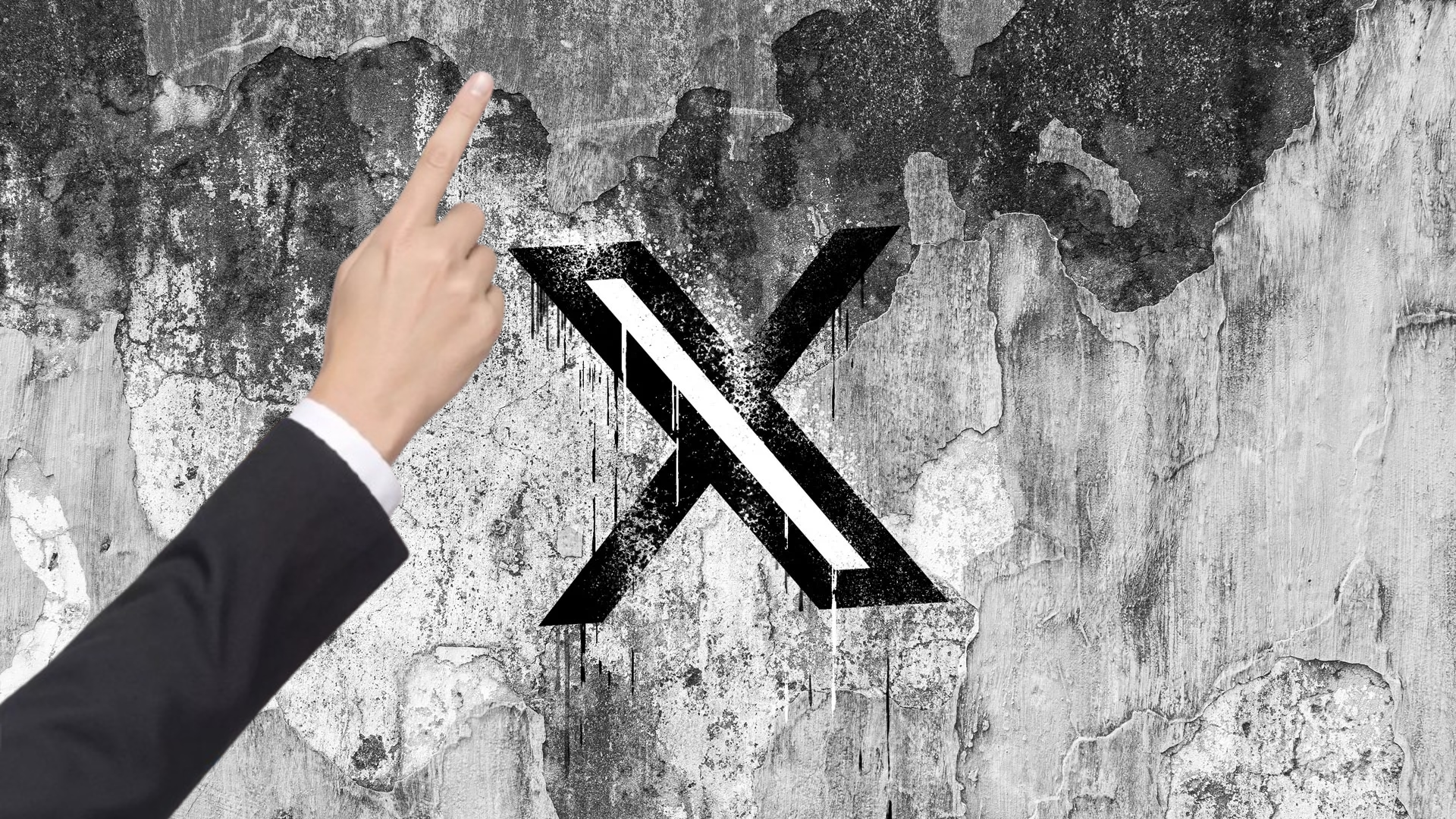
In the ever-evolving landscape of social media, platform design is often a delicate balancing act between user experience and aggressive monetization. However, as of late October 2026, X (formerly Twitter) appears to have abandoned subtlety altogether. Users across the globe have reported a jarring new interface "nudge": a disembodied, animated hand that suddenly appears on the screen to point directly at the "Promote" button while they are in the middle of drafting a post.
This development, which has been described by some as a "digital jump scare," marks a significant shift in how X—under its latest leadership—is attempting to force revenue-driving features into the daily workflow of its user base.
The Anatomy of the Disturbance
The phenomenon began to gain traction on October 26, 2026, when power users and casual observers alike took to the platform to express their confusion and frustration. The animation is triggered during the composition phase of a post. As a user types, a large, graphic hand suddenly emerges from the edge of the interface, hovering over or pointing insistently at the "Promote" button, which allows users to pay to increase the reach of their content.
For many, the intrusion is not merely a UI suggestion; it is an interruption of the creative process. "WTF @elonmusk, if I wanted jump scares I would’ve watched a horror movie instead," wrote user Ershad Kaleebullah, who noted that the hand appeared specifically while he was typing the words "engagement farming."
The timing of this feature—coinciding with the lead-up to Halloween—has led some to speculate that it might be a seasonal, albeit poorly received, prank. However, the systematic nature of the appearance suggests a more calculated, if aggressive, growth experiment designed to convert organic users into paying advertisers.
A Chronology of the "Hand" Incident
- October 26, 2026 (Morning): Reports begin surfacing on the platform of a mysterious hand animation appearing in the composer window.
- October 26, 2026 (Afternoon): Viral screenshots and screen recordings of the "hand" circulate, drawing widespread criticism for being obstructive and intrusive.
- October 26, 2026 (Evening): Industry analysts and tech commentators compare the tactic to the "growth hacking" style previously associated with former product heads.
- October 26, 2026 (Late Night): As the backlash mounts, speculation grows regarding whether this is a permanent feature or a temporary test implemented under new product leadership.
- October 27, 2026: The controversy continues to trend, with users debating the thin line between "effective design" and "hostile UI."
The "Nikita-Coded" Legacy and the Shift in Leadership
The aggressive nature of this update has drawn immediate comparisons to the tenure of Nikita Bier, the former head of product at X who stepped down in August 2026. Dylan Abruscato, president of the TBPN podcast, famously labeled the tactic the "most Nikita-coded thing I’ve ever seen," referencing the hyper-aggressive growth strategies that defined Bier’s time at the company.
Bier’s departure in late summer marked a period of transition for X’s product team. On October 26, Peter Sellis, formerly of Snap and Discord, officially announced his appointment as the new product chief at X. In a characteristically bold statement, Sellis remarked, "I am a huge believer in SpaceX’s mission to extend human consciousness to the stars, so it’s time to make shitposting multiplanetary."
While it remains unconfirmed whether this specific UI change was the direct result of Sellis’s immediate directive or a project already in the pipeline from the previous regime, the "hand" incident serves as an early litmus test for the new product lead’s philosophy. Critics argue that such features prioritize short-term conversion metrics over the long-term health and usability of the platform.
Supporting Data and User Sentiment
Data gathered from social sentiment tracking suggests a significant negative reaction to the feature. While "nudges" in UI are common—such as buttons that pulse to encourage profile completion or subscription prompts—the "hand" animation represents a departure from standard design patterns.
Industry experts suggest that "hostile UI" (also known as "dark patterns") can be effective in the short term, driving a percentage of users to click buttons they might otherwise ignore. However, the long-term impact on user retention is often detrimental. When a user feels "hunted" by the interface, the emotional response is frequently one of resentment rather than engagement.
For many power users, the "Promote" button is already an irritant. By forcing it into the user’s field of vision with an animated, obstructive element, X risks alienating its most loyal creators—the very people who are most likely to provide the high-quality content that keeps the platform viable.
Official Responses and Corporate Silence
As of this writing, X has not issued an official statement regarding the "hand" feature. When reached for comment, the company’s press team did not immediately respond to inquiries about whether the animation is a temporary Halloween-themed experiment or a permanent fixture of the X ad-tech suite.
The silence from the company is consistent with a broader trend of limited traditional PR outreach. Instead, X’s leadership, particularly owner Elon Musk, often utilizes the platform itself to gauge reaction or signal intent. Until a formal explanation is provided, the community is left to interpret the hand as either a bold, misunderstood growth tactic or a tone-deaf technical error.
Implications for the Future of X
The emergence of this feature signals a potential shift in the company’s trajectory under Peter Sellis. If X is to move toward a more "multiplanetary" or high-volume monetization model, users should expect to see more friction in the UI.
1. The Monetization-UX Conflict
The core issue here is the conflict between user experience (UX) and monetization. While X requires revenue to remain solvent, intrusive marketing tactics can lead to "platform fatigue." If users feel that the app is constantly trying to extract money from them at every turn, they may seek refuge on competitors that offer a cleaner, less transactional experience.
2. The Normalization of Dark Patterns
If this "hand" becomes a standard feature, it could set a precedent for other social media platforms to adopt more aggressive, physically obstructive UI elements. We have already seen the rise of "subscription walls" and "pop-up fatigue"; a transition to animated, aggressive prompts could be the next step in the race to monetize attention.
3. Impact on Brand Safety
For advertisers, the placement of an ad-prompt in the middle of a user’s creative process is a double-edged sword. While it guarantees visibility for the "Promote" feature, it associates the act of advertising with a negative user experience. High-end brands typically prefer their services to be associated with seamless, high-quality interactions, not "jump scares."
Conclusion
Whether the "hand" is a momentary lapse in judgment or a deliberate, high-pressure tactic, it has undeniably succeeded in one thing: it has captured the attention of the X user base. However, capturing attention is not the same as cultivating loyalty. As the platform navigates the transition under new product leadership, it must decide whether the short-term gains of aggressive nudging are worth the cost of long-term user trust.
For now, the hand remains—a strange, pointed reminder that in the world of social media, nothing is truly off-limits when it comes to the pursuit of growth. As users continue to post their frustrations, the industry will be watching closely to see if this feature stays or if it, like a ghost on Halloween, vanishes into the night.

 Basiran
 Iffa Jayyana