


 Azzam Bilal Chamdy

For the modern small-scale farmer, the growing season is often viewed as a finite window of opportunity—a race against the frost or the heat of mid-summer. However, by adopting the practice of succession sowing, growers can effectively dismantle these artificial boundaries, transforming a singular, frantic harvest period into a continuous, rhythmic cycle of production. Succession sowing is not merely a planting technique; it is a strategic management system that maximizes land utility, stabilizes revenue streams, and enhances the overall ecological health of the farm.
By continuously sowing seeds throughout the season, farmers can significantly amplify their total output, ensuring that land—often the most expensive and limited asset—is never left idle. When executed with precision, this method turns a farm into a dynamic engine of food production, catering to both local markets and personal consumption needs.
The Core Philosophy: Timing as Currency
The success of any succession strategy hinges on a single, non-negotiable variable: time. To be an effective succession grower, one must move beyond the calendar and begin thinking in terms of "days to maturity" (DTM).
Farmers must map their crops against their specific regional frost dates. By understanding exactly how long a variety takes to reach harvestable size, a grower can "back-calculate" when to sow the next round. The goal is to create a relay race of crops, where one plant is ready for harvest just as the preceding one is being cleared, or as the next is reaching its peak growth spurt.

The Mechanics of Planning
Before the first seed is placed in the soil, the farmer should develop a master schedule. This involves:
- Inventorying DTMs: Cataloging every crop’s maturity timeline.
- Assessing Environmental Limits: Noting the temperature thresholds for cool-season crops (like lettuce or spinach) versus heat-lovers (like beans or peppers).
- Defining Harvest Goals: Determining if the harvest is for wholesale, CSA boxes, or personal storage.
Methodologies for Continuous Yield
Succession sowing is not a "one-size-fits-all" approach. Depending on the size of the operation and the specific market goals, farmers can employ four distinct methods to ensure a steady supply of produce.
1. Interval Sowing: The Same Crop, Different Times
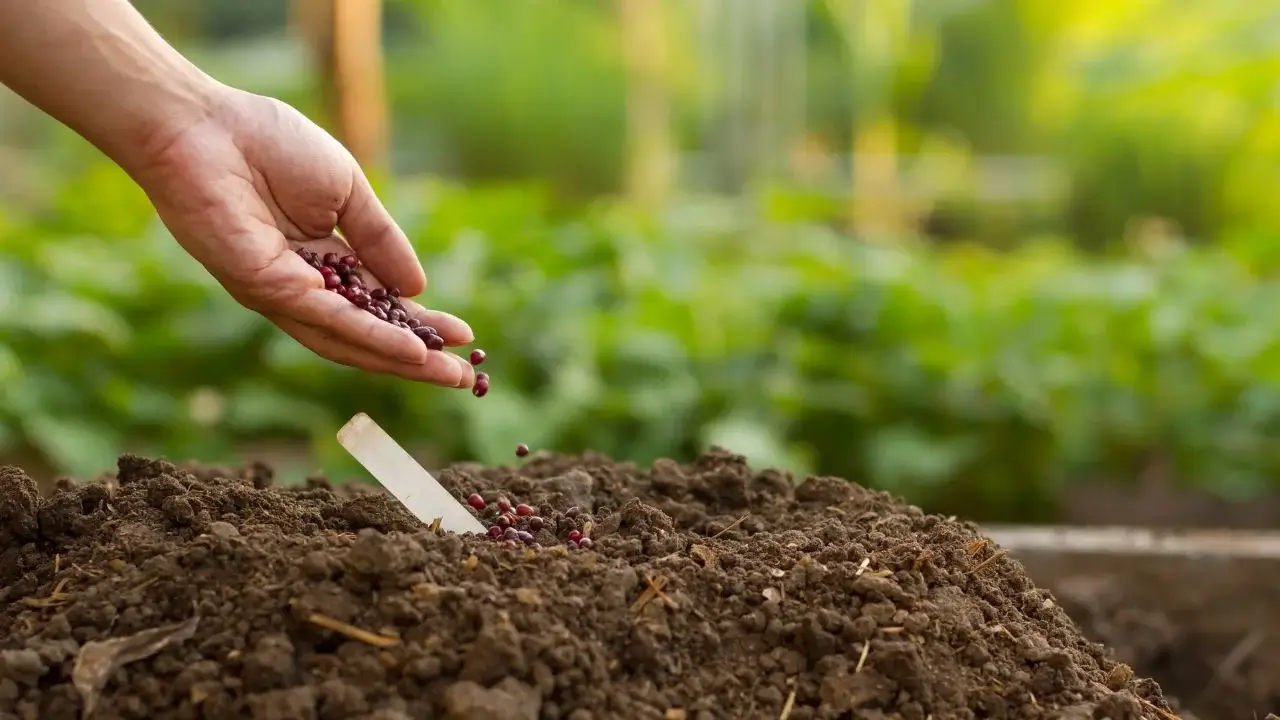
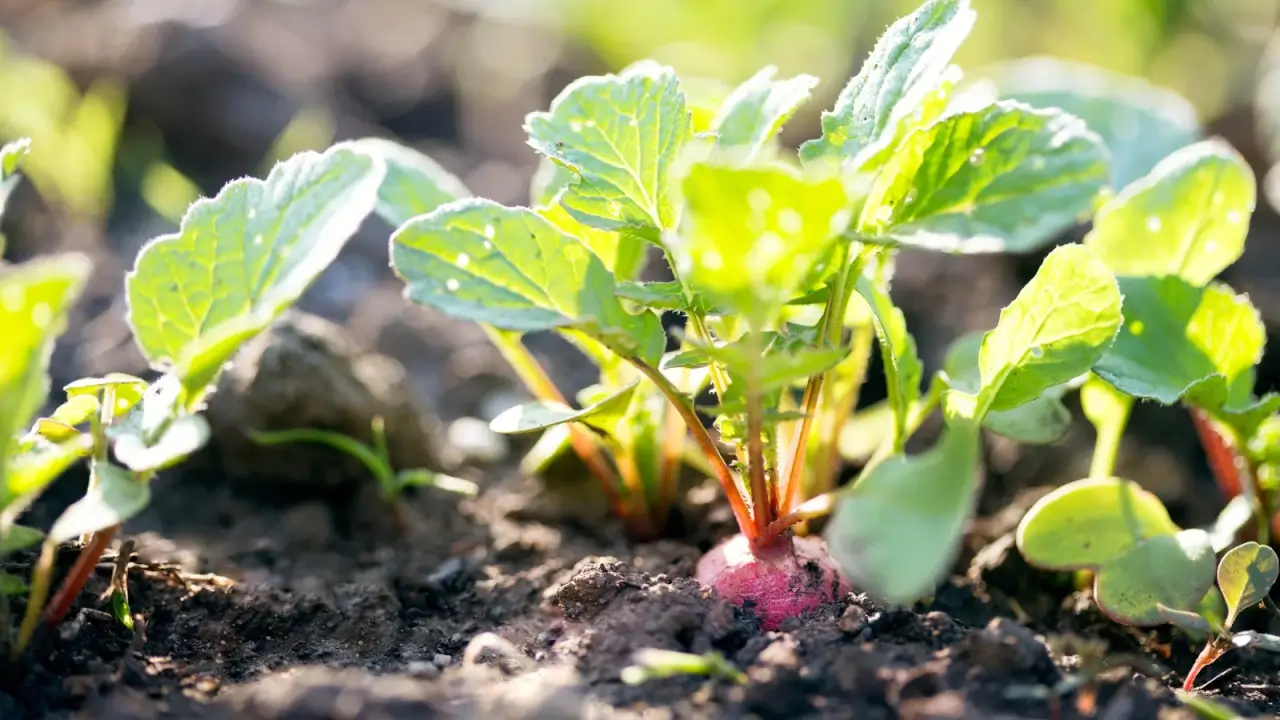
This is the most common entry point for beginners. By sowing the same crop—such as radishes, beets, or lettuce—in staggered intervals (usually every 10 to 14 days), a farmer ensures a constant supply of fresh product.
For high-demand items like salad greens, this prevents the "feast or famine" cycle where a farmer is suddenly overwhelmed with five hundred pounds of lettuce that all mature on the same day, only to have nothing for the following three weeks. By spacing the planting, you smooth out your labor demands and keep your market stand consistently stocked.

2. Space-Sharing: Different Crops, Sequential Timing
This method focuses on maximizing the "utility per square foot." When a short-lived crop is harvested, the soil is immediately prepared for a different, complementary crop.
For instance, after a spring harvest of early cabbage, the plot can be transitioned into a summer bean crop. This not only keeps the ground covered—which prevents erosion and weed germination—but also allows for strategic crop rotation. Replacing heavy-feeding brassicas with nitrogen-fixing legumes serves to restore the soil’s chemical balance, a fundamental pillar of regenerative agriculture.
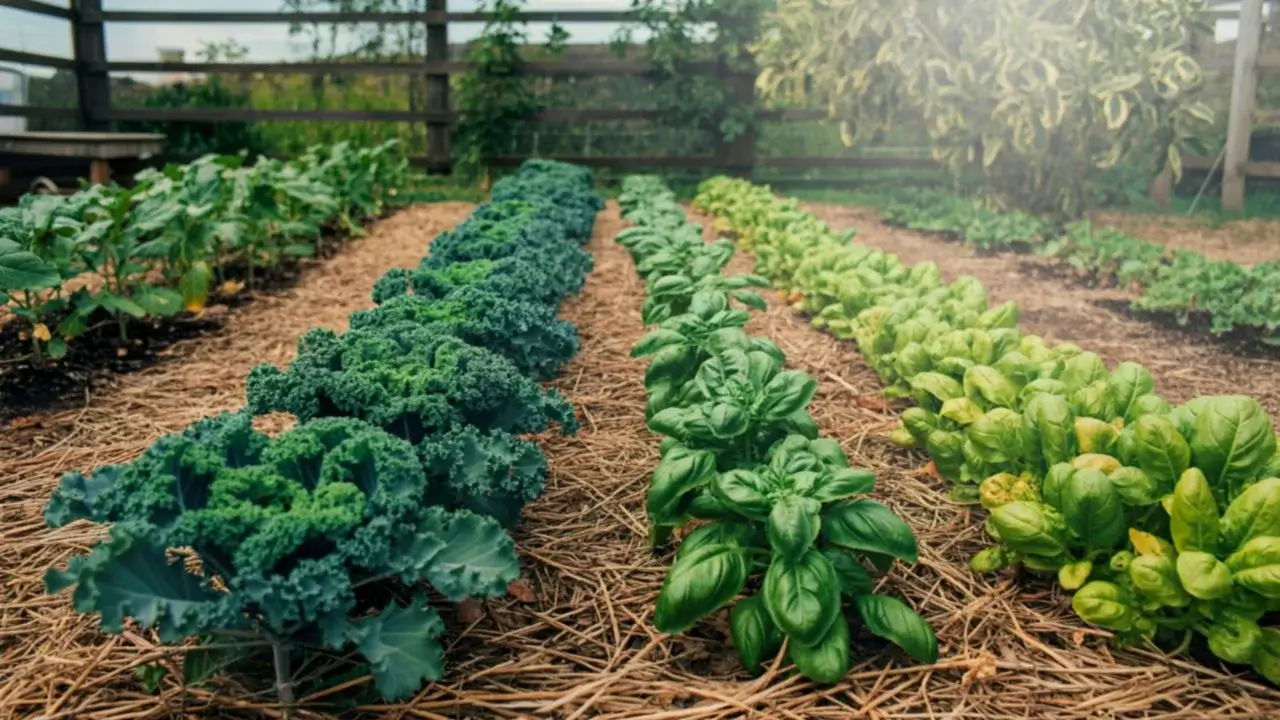
3. Strategic Intercropping
Intercropping takes succession to a three-dimensional level. By planting crops with different growth rates and heights in the same space, farmers can harvest at different intervals. A classic example is planting a tall, slow-maturing crop (like trellised pole beans) alongside a quick-maturing ground cover (like lettuce). The taller plant provides a micro-climate of shade, which can actually extend the harvest window for the heat-sensitive lettuce.
4. Varietal Diversification
Many farmers find success by planting different varieties of the same crop that have different maturity dates. By selecting an "early," "mid-season," and "late" variety of a tomato or potato, a farmer can extend the availability of that specific crop over several months without the need for constant, repeated sowing. This is an excellent way to maintain a consistent brand identity at a farmer’s market while managing the logistical load of the harvest.
Supporting Data: Economic and Ecological Implications
The data supporting succession sowing is rooted in the economics of small-acreage farming. In intensive market gardening, the goal is to increase the "crop turns" per year. If a bed can produce three successive crops instead of one, the potential revenue from that specific footprint increases by 200 to 300 percent.
Beyond economics, there are profound implications for soil health. Constant soil cover—a requirement of succession sowing—is essential for maintaining soil structure and preventing the loss of nutrients through leaching. Furthermore, by diversifying the plant life on a plot throughout the year, farmers break the life cycles of pests and diseases that thrive on monocultures.
Managing the Risks of Intensification
However, intensification requires a higher level of management. "Succession failure" often occurs when farmers over-extend their capacity. If you sow more than you can harvest, you create waste. The Modern Farmer approach suggests starting with fast-maturing crops like radishes to build the habit, then gradually increasing the complexity of the rotation as your logistical systems improve.
Official Perspectives: Expert Insights on Sustainability
According to agricultural extension specialists, the shift toward succession-based systems is critical for building food system resilience. As climate volatility becomes the new normal, the ability to pivot and replant becomes a vital survival skill for smallholders.
"The farmers who succeed in the next decade are those who stop seeing their land as a static field and start seeing it as a conveyor belt," notes one sustainable agriculture consultant. "Succession sowing is the mechanical application of that mindset. It’s about being proactive rather than reactive."
Furthermore, the use of season-extension tools—such as low tunnels, cold frames, and floating row covers—is often paired with succession sowing. By warming the soil early or protecting it late, farmers can add weeks to both the start and end of their season, effectively "stretching" the time available for successions.
Implications for the Future of Small-Scale Farming
As we look toward the future of local food systems, the techniques outlined here represent a transition from "subsistence" to "efficiency." The implications are clear:
- Revenue Stability: Small farmers are often at the mercy of market volatility. A consistent, year-round supply allows for better relationships with local restaurants and retailers who require reliability.
- Labor Management: While intensive, a well-planned succession schedule allows for predictable labor demands, avoiding the burnout associated with massive, singular harvest days.
- Soil Regeneration: Through careful planning, farmers can use succession to incorporate cover crops or nutrient-fixing legumes, ensuring that the land is more fertile at the end of the season than it was at the beginning.
How to Begin
For the farmer looking to implement these strategies, start small. Audit your current season: What crops have a "dead zone" where you are out of stock? What beds were left fallow for too long? Use these observations to draft a map for the upcoming season.
Whether you are focusing on quick-maturing root vegetables or planning a complex intercropping system for your tomatoes, the goal remains the same: to create a farm that is as productive as it is resilient. Succession sowing is not just a method of planting; it is a commitment to the rhythm of the land and a smarter way to farm for the long haul.
By embracing these cycles, the modern small farmer can turn every square inch of their soil into a productive, profitable, and sustainable asset, ensuring that the harvest—and the revenue—continues long after the neighbors have put their tools away for the winter.


 Evan Lee Salim

 Asep Darmawan