

 Dwi Wanna
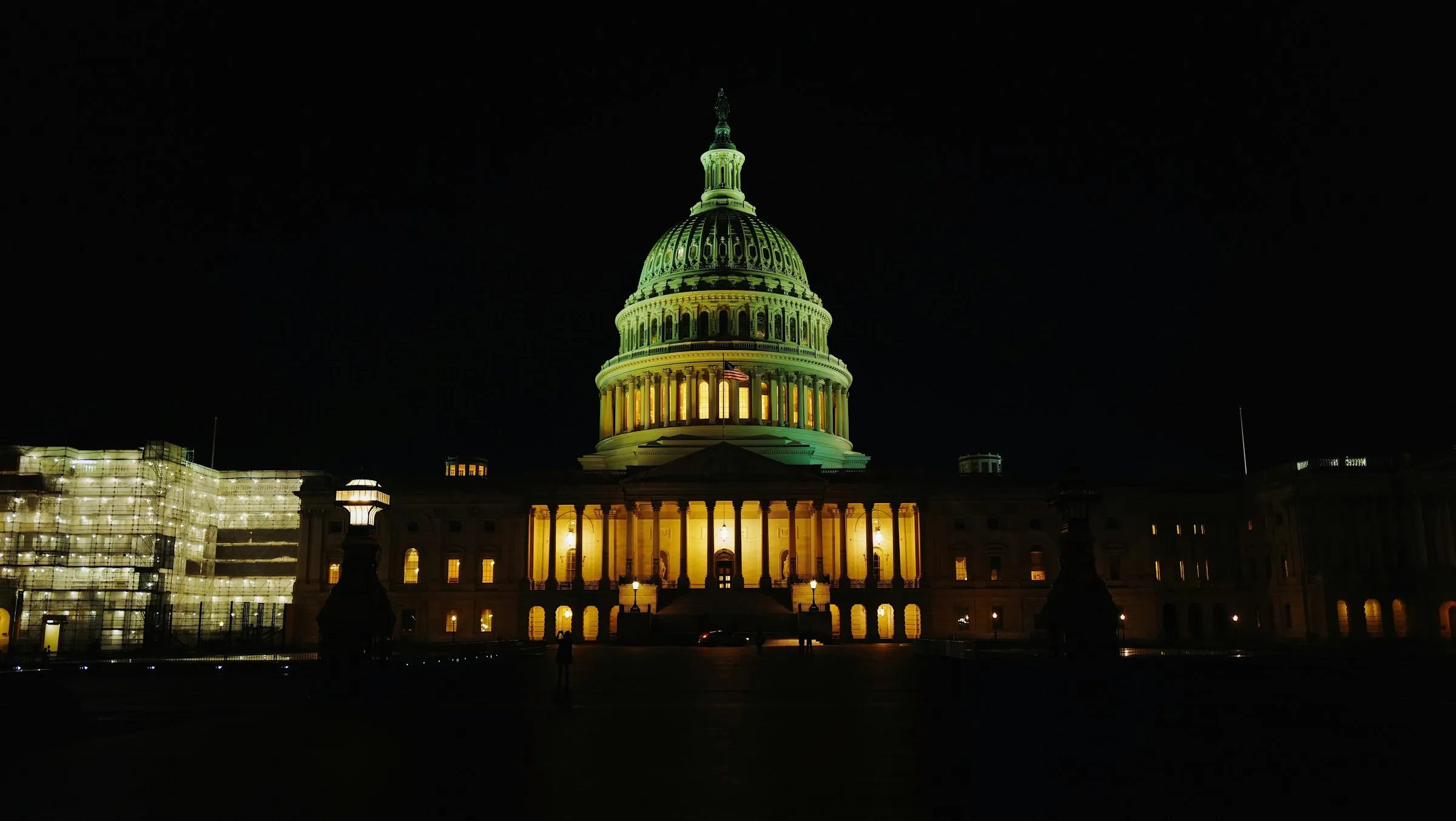
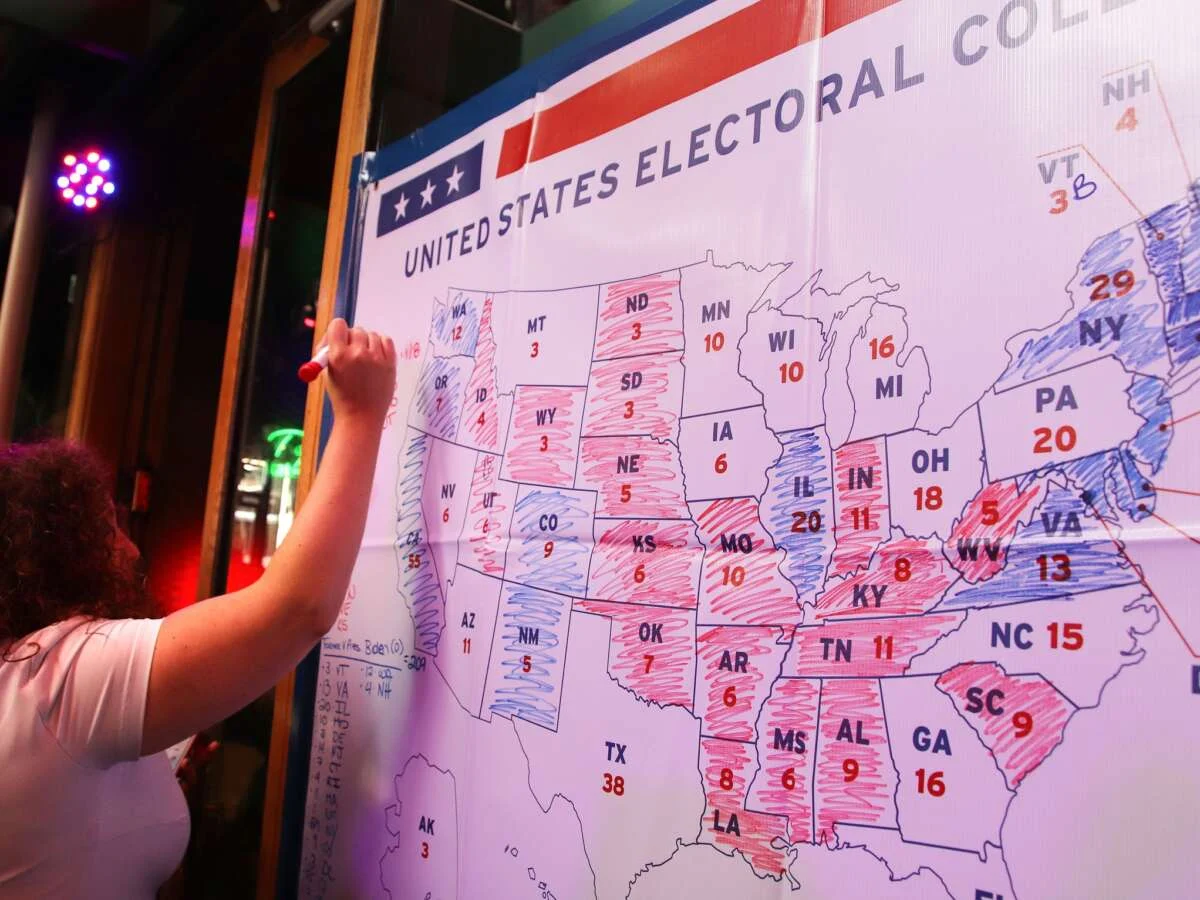
The November 3 midterm election results have delivered a seismic shift in the American political landscape. With Democrats securing full control of Congress, the nation is bracing for an era of profound legislative friction. While a Republican administration occupies the White House, the legislative branch is now poised to serve as a formidable check on executive power. However, beneath the traditional partisan battles lies a new, potent political force that emerged during this election cycle: a grassroots revolt against the rapid, often opaque expansion of artificial intelligence infrastructure, specifically the massive data centers required to power the AI revolution.
For residents from rural Ohio to the outskirts of Memphis, the "AI buildout" is no longer a abstract technological trend—it is a localized crisis affecting air quality, utility bills, and community sovereignty. As voters headed to the polls, data centers transformed from mundane infrastructure projects into high-stakes campaign issues, forcing candidates to declare their stance on the physical footprint of the digital age.
The Chronology of a Grassroots Uprising
The rise of the "anti-data center" movement was not a sudden occurrence but a culmination of mounting community frustration over several years.
Early Signs of Friction (2024–2025): Localized disputes began to flare up across the "Data Center Capital of the World," Northern Virginia, and subsequently spread to other energy-hungry hubs. Residents grew increasingly vocal about the lack of transparency surrounding massive construction projects, often facilitated by decades-old zoning laws or NDAs signed by local officials that kept the public in the dark until ground was already being broken.
The Ballot-Box Explosion (Mid-2026): By the summer of 2026, the movement had gained formal political traction. In Ohio, the controversy reached a boiling point regarding a proposed $500 billion data center project involving OpenAI and Nvidia. Communities that felt their voices were being drowned out by corporate lobbyists began organizing, resulting in a series of local ballot measures aimed at curbing development.
Election Day (November 3, 2026): The culmination of these efforts was on full display. In counties across Ohio, voters overwhelmingly approved measures to restrict or ban large-scale data center facilities. Similar trends were observed in Texas, Maine, Michigan, Nevada, Georgia, and South Carolina, where candidates who campaigned on a "slow-down" or "regulatory-first" approach to data centers secured significant victories.
Supporting Data: A Nation Skeptical of AI
The political shift is backed by significant voter sentiment, as evidenced by extensive exit polling conducted by NBC News. The data suggests that public concern regarding AI is not merely anecdotal—it is a broad-based ideological shift.
- Public Perception of AI: Over 50% of surveyed voters believe that artificial intelligence will ultimately do more harm than good to society.
- "Not in My Backyard": Nearly 80% of respondents expressed opposition to the construction of large-scale data centers in their immediate neighborhoods.
- The Voting Factor: For nearly 60% of voters, the positioning of candidates on data center infrastructure was a "crucial or major factor" in their final decision at the ballot box.
These figures illustrate that the opposition is not limited to a specific political demographic but represents a bipartisan frustration with the unchecked expansion of tech-driven infrastructure. As Anshi Bhatt, a noted tech and policy researcher, observed, "It is clear that money does not buy outcomes. In modern politics, creating a ‘local villain’—in this case, the faceless data center—is one of the most effective ways to build campaign momentum."
Official Responses and Policy Proposals
The shift in Congressional control has empowered legislators who have long sought to place guardrails on the tech industry. Several key pieces of legislation are now likely to gain new momentum:
The Legislative Agenda
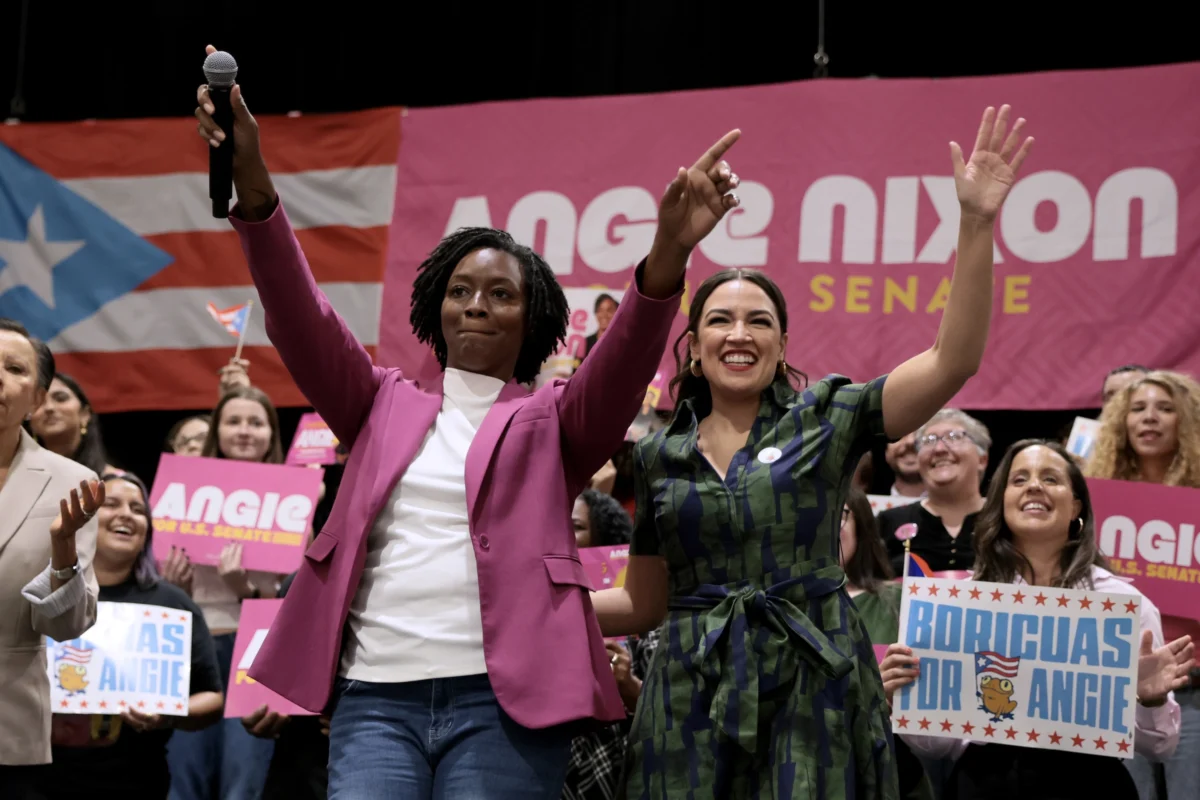
- The Proposed Moratorium: A bill championed by Senator Bernie Sanders and Representative Alexandria Ocasio-Cortez aims to impose a nationwide freeze on new data center construction. The legislation would remain in effect until Congress can establish comprehensive guardrails to ensure that AI infrastructure does not exacerbate environmental degradation, inflate electricity costs for local families, or proceed without explicit community consent.
- The GRID Savings Act: Introduced by Senator Martin Heinrich of New Mexico, this legislation seeks to prevent the massive costs associated with grid upgrades—required by AI-hungry data centers—from being passed on to local utility customers.
The Executive-Legislative Conflict
While the legislative branch may pass these bills, the path to enactment remains treacherous. Analysts anticipate that even if Congress succeeds in passing restrictive measures, the White House may utilize executive orders to bypass these roadblocks. Nadine Smith, CEO of the racial justice organization Color of Change, noted that "even among Democrats, a blanket freeze is contested," as some party members worry about the impact on national security and the U.S. competitive edge against China.
Implications: A New Era of Oversight
The implications of this election are twofold: a fundamental change in how tech infrastructure is permitted and a new, more aggressive stance on "Big Tech" accountability.
Environmental and Economic Equity
The environmental toll is a primary driver of the opposition. In Memphis, the xAI data center’s reliance on gas turbines has sparked intense outrage among local activists who argue that low-income communities are bearing the brunt of the pollution while the benefits of the AI, such as efficiency gains for large corporations, are concentrated at the top.
Maia Woluchem, program director at Data & Society, suggests that the incoming Democratic Congress will likely launch extensive investigations into the previous administration’s rollbacks of energy and environmental protections. This could lead to a wave of new regulatory hurdles for the industry.
The End of the "NDA Era"
Perhaps the most significant change is the public demand for transparency. For years, companies like Amazon have utilized obscure zoning laws and restrictive NDAs to build infrastructure without significant public input. The current climate suggests those days are numbered. As Nadine Smith emphasized, "If AI infrastructure is truly a national priority, then the companies building it can afford to pay for their own power, meet clean air standards, disclose what they use, and build with the consent of the people who live next door."
The "Villain" Narrative
Political analysts suggest that the data center issue has become a proxy for broader anxieties about corporate power. As one private equity executive admitted, the resentment is not just about the buildings; it is a manifestation of public frustration with the speed of AI integration and the lack of agency the average citizen feels in the face of rapid technological displacement.
Conclusion: A Long Road Ahead
As the new Congress prepares to take office, the data center debate is poised to become a litmus test for the relationship between the U.S. government and the tech sector. While industry lobbyists are expected to flood Washington in the coming months, the results of the November 3 midterms indicate that the "local villain" narrative has hit a resonant chord.
For the tech giants that have spent billions on AI infrastructure, the message from the ballot box is clear: the era of frictionless, unquestioned expansion is over. Whether through local moratoriums, state-level land-use restrictions, or federal oversight, the path forward for AI infrastructure will be defined by an increasingly skeptical public demanding that the benefits of the digital revolution do not come at the expense of their local communities. As Nadine Smith concluded, "Democrats ran on making Big Tech pay. Our job is to make sure they remember it once the cameras leave."


 Asro

 Lina Hope