

 Pevita Pearce

Washington D.C. – November 4, 2026 – As the final ballots continue to be tallied across the United States, an undeniable narrative is emerging from the 2026 midterm elections: a resounding and historic surge in voter participation. Preliminary data indicates that these midterms have witnessed one of the highest voter turnouts in U.S. history for an off-year election, signaling a powerful re-engagement of the American populace with its democratic processes.
Dr. Akilah Watkins, President and CEO of Independent Sector, a leading voice for the charitable community, underscored the profound significance of this development. "Whether you are excited or disappointed by last night’s results, we should all feel proud that so many of our fellow citizens stepped forward to make their voices heard," Dr. Watkins stated. Her comments reflect a broad sentiment of civic pride, acknowledging that despite a landscape marked by increased voter suppression measures and various threats, citizens demonstrated an unwavering commitment to shaping their nation’s future. This collective action, she emphasized, vividly illustrates that the enduring strength of a democracy is intrinsically linked to the will and active participation of its people.
For the vast and diverse charitable nonprofit sector, this robust showing of civic participation serves as a potent reminder of the transformative power inherent when individuals unite for the betterment of their communities and to hold power accountable. Independent Sector, true to its long-standing mission, has reaffirmed its commitment to collaborating across the political spectrum. Dr. Watkins reiterated that the organization will continue to work tirelessly alongside leaders from both parties – including the newly elected officials – to cultivate and sustain a healthy, trusted, and impactful charitable sector. This sector, she asserted, is not merely a service provider but a vital pillar in serving communities and fortifying the foundations of American democracy.
Main Facts: A Nation Mobilized
The 2026 midterm elections have etched themselves into the annals of American political history, primarily due to an unprecedented level of voter engagement. While the meticulous process of vote counting is still underway in numerous districts, the overarching trend is unequivocally clear: millions more Americans cast their ballots than in previous midterm cycles, shattering historical precedents. This surge in participation is particularly noteworthy given the often-lower turnout characteristic of non-presidential election years.
This widespread civic action comes at a critical juncture for the nation. The period leading up to these elections was characterized by intense political polarization, contentious debates over fundamental rights, and widespread discussions about the future trajectory of American society. Against this backdrop, the record turnout represents a powerful affirmation of the democratic ideal, demonstrating that even amidst division, a fundamental belief in the power of the ballot box persists.
Crucially, this heightened engagement occurred despite considerable headwinds. Reports from various civil rights organizations and election monitoring groups highlighted a proliferation of new voter identification laws, precinct consolidations, reduced early voting opportunities, and an increase in online disinformation campaigns designed to deter participation. Furthermore, instances of voter intimidation, both explicit and subtle, were reported in several states. Yet, the electorate’s determination to exercise its franchise ultimately transcended these formidable obstacles, showcasing a resilience that underscores the inherent vitality of American democracy.
Independent Sector, an organization dedicated to strengthening the common good by amplifying the voice of the charitable sector, has been quick to commend this widespread participation. Dr. Akilah Watkins’ statement not only celebrates the act of voting but also pledges the organization’s continued dedication to its core mission: fostering a robust charitable sector that can effectively address societal challenges and uphold democratic principles. This commitment involves engaging with all elected officials, regardless of their party affiliation, to ensure that policies support and empower the non-profit community, which plays an indispensable role in translating civic aspirations into tangible community improvements. The unprecedented turnout, therefore, is not just a statistical anomaly but a powerful mandate for continued civic action and bipartisan collaboration in the years ahead.
Chronology: The Road to Record Turnout
The journey to the 2026 midterm elections was a complex tapestry woven from shifting political landscapes, intensified societal debates, and concerted efforts by a multitude of actors. Understanding this chronology is crucial to grasping the significance of the record voter turnout.
Pre-Election Landscape: A Brewing Storm
The period following the 2024 presidential election was marked by sustained political volatility and heightened public discourse. Key issues such as economic stability, healthcare access, climate change mitigation, social justice reforms, and the future of democratic institutions dominated national conversations. Public trust in governmental bodies and traditional media continued to be a significant concern for many, fostering an environment where citizens felt an urgent need to assert their influence.
Against this backdrop, both political parties and various advocacy groups recognized the pivotal nature of the 2026 midterms. Control of Congress, state legislatures, and key governorships hung in the balance, promising to shape policy for the latter half of the decade. This high-stakes environment naturally spurred both increased efforts to mobilize voters and, unfortunately, a concurrent rise in measures perceived as voter suppression. Debates around electoral integrity, gerrymandering, and the fairness of voting access became central to the political discourse, setting the stage for an election where every vote truly felt consequential.
Campaign Season Dynamics: A Battle for Hearts and Minds
The 2026 campaign season commenced with an intensity rarely seen in midterm cycles. Candidates, political parties, and independent expenditure groups launched extensive outreach efforts, leveraging both traditional media and sophisticated digital platforms. Social media, in particular, became a crucial battleground for disseminating information, rallying supporters, and, at times, propagating misinformation.
Crucially, non-profit organizations and grassroots movements played an outsized role in this phase. Groups dedicated to voter education, registration, and protection worked tirelessly to engage citizens, especially those in historically underrepresented communities. They organized local forums, voter registration drives at community centers and colleges, and implemented extensive "get-out-the-vote" campaigns. Organizations like Independent Sector, while strictly non-partisan in their advocacy, consistently emphasized the importance of civic participation as a cornerstone of a healthy society, encouraging all eligible citizens to inform themselves and cast their ballots. These efforts were vital in cutting through the noise and ensuring that voters had access to accurate information about registration deadlines, polling locations, and candidate platforms. The sheer volume and dedication of these civic engagement initiatives laid a strong foundation for the eventual high turnout.

Election Day and Immediate Aftermath: The Will of the People
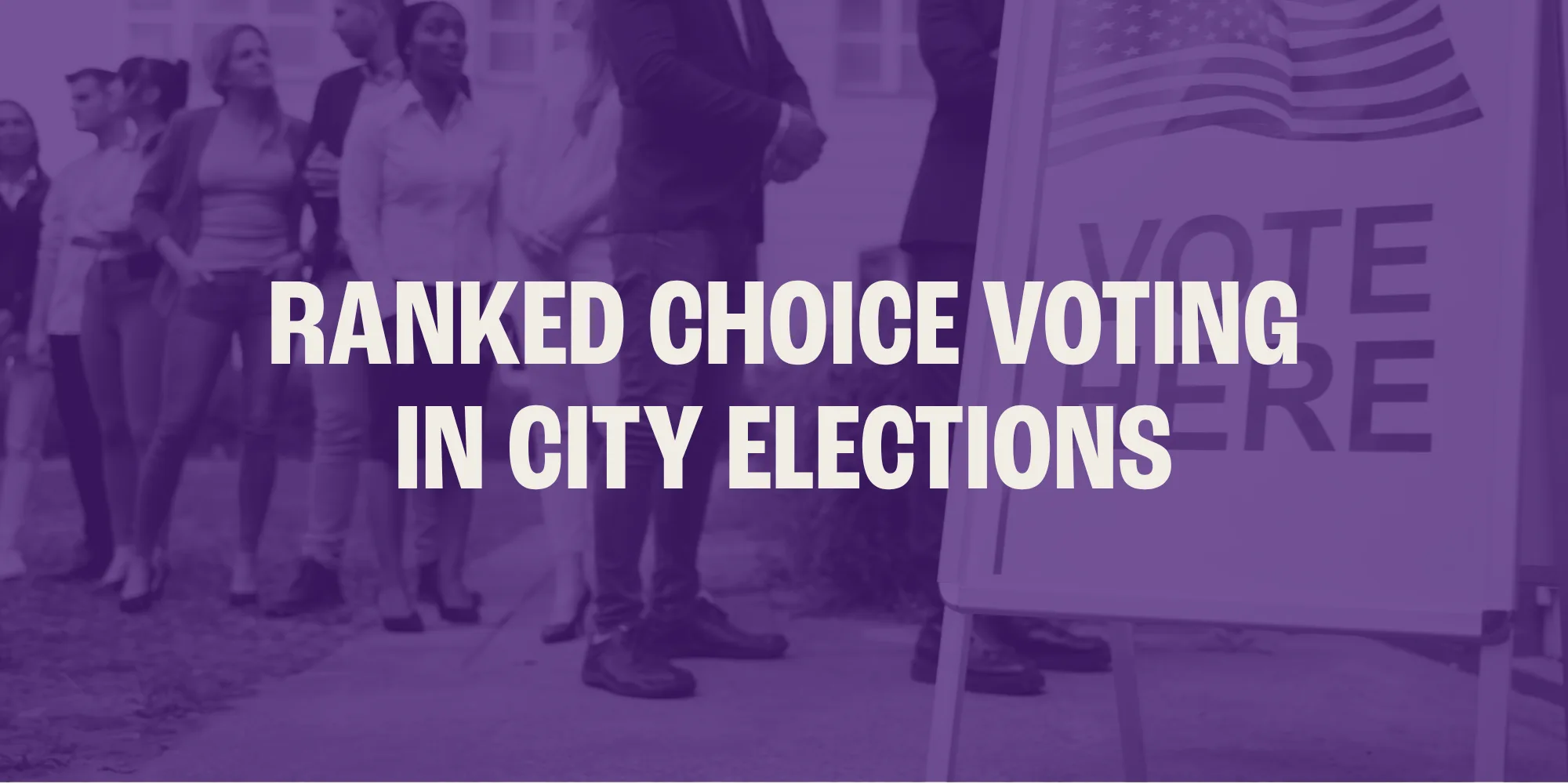
On Election Day, November 3, 2026, reports from across the nation began to paint a picture of extraordinary voter enthusiasm. Polling places, from urban centers to rural towns, saw steady streams of citizens, with many reporting longer lines than anticipated for a midterm election. Volunteers from various organizations worked diligently to assist voters, provide information, and address any issues that arose.
The immediate aftermath saw an anxious but engaged public tracking the incoming results. News outlets provided continuous coverage, highlighting key races and the emerging trends in voter turnout. While some races remained too close to call, and the counting of provisional and mail-in ballots was expected to continue for days or even weeks in some jurisdictions, the preliminary numbers swiftly confirmed the historic nature of the turnout. This collective act of participation, even before the final outcomes were clear, was celebrated as a powerful testament to the enduring democratic spirit of the American people, reaffirming their fundamental right and responsibility to shape their government.
Supporting Data and Analysis: Unpacking the Numbers
The anecdotal observations of high turnout are now being substantiated by preliminary data, which paints a compelling picture of an electorate more engaged than in any recent midterm cycle. A deeper dive into the numbers and contributing factors reveals the multifaceted nature of this democratic resurgence.
Historical Context: A New Benchmark
To fully appreciate the 2026 turnout, it’s essential to place it in historical context. Previous midterm elections have typically seen voter participation rates significantly lower than presidential elections, often hovering in the 30-40% range of the eligible voting population. The 2018 midterms, which were considered a high-water mark for modern midterms, saw approximately 50% turnout. Early estimates for 2026, however, suggest that the national turnout rate could exceed 55%, potentially even approaching 60% – a figure unprecedented for a midterm in over a century.
This dramatic increase indicates a fundamental shift in voter behavior and political engagement. While specific demographic breakdowns are still being compiled, initial reports suggest strong participation across age groups, with particular enthusiasm noted among younger voters and traditionally underrepresented communities. This broad-based engagement signals that the forces driving participation were not confined to a single segment of the population but resonated widely across the American demographic spectrum.
Factors Contributing to Turnout: A Confluence of Forces
Several interlocking factors appear to have converged to produce this historic turnout:
- Issue Salience: The 2026 elections were dominated by issues that directly impacted the daily lives and deeply held values of Americans. Economic anxieties, including inflation and job security, remained paramount. Debates over access to healthcare, the future of reproductive rights, environmental policy, and the trajectory of educational systems were fiercely contested. These tangible concerns galvanized voters who felt their personal well-being and fundamental freedoms were at stake, compelling them to voice their preferences at the ballot box.
- Grassroots Mobilization: The charitable non-profit sector, alongside community organizations and volunteer groups, played a pivotal role in voter engagement. Leveraging sophisticated data analytics and on-the-ground outreach, these organizations conducted extensive voter registration drives, educated citizens on ballot initiatives, and organized "get-out-the-vote" campaigns through phone banking, canvassing, and digital messaging. Their non-partisan efforts were crucial in ensuring that potential voters had the information and resources needed to participate, often targeting communities historically underserved by traditional political campaigns.
- Increased Media Attention and Public Discourse: The media, across all platforms, devoted significant coverage to the midterm elections, emphasizing the high stakes involved. This sustained attention, coupled with widespread public discourse on social media and in community forums, heightened awareness of the elections’ importance. Citizens were constantly reminded of the power of their vote and the potential impact of election outcomes on their lives and their communities.
- Counteracting Apathy and Suppression: Paradoxically, the very efforts to suppress votes and sow distrust in the electoral system may have inadvertently spurred greater participation. Many voters, feeling that their democratic rights were under threat, viewed voting as an act of resistance and a reaffirmation of their commitment to democratic principles. This resolve transformed potential deterrents into motivators, demonstrating a profound civic resilience.
Challenges Overcome: The Battle for the Ballot
The path to record turnout was not without its obstacles. The 2026 election cycle saw a significant increase in what critics broadly categorize as "voter suppression measures." These included:
- Restrictive Voting Laws: New legislation in several states introduced stricter voter ID requirements, limited same-day registration, and reduced the number of ballot drop-off locations or early voting days, disproportionately affecting minority voters, students, and low-income individuals.
- Gerrymandering: Aggressive partisan redistricting continued to create non-competitive districts, leading to cynicism about the efficacy of voting in certain areas, yet simultaneously intensifying the focus on swing districts.
- Disinformation Campaigns: Sophisticated online campaigns sought to spread false information about voting procedures, candidate qualifications, and election security, aiming to confuse and disenfranchise voters.
- Voter Intimidation: Reports emerged of individuals or groups attempting to intimidate voters at polling places or through online harassment, creating an atmosphere of tension and distrust.
In response, civil society organizations, legal aid groups, and non-partisan election protection initiatives mobilized robustly. They established voter hotlines, deployed legal observers to polling sites, and launched public awareness campaigns to combat misinformation. These collective efforts provided crucial support, enabling many voters to navigate the complexities and challenges of the electoral process and ensure their voices were heard. The high turnout, therefore, is not just a testament to voter enthusiasm but also to the dedicated work of countless individuals and organizations committed to defending the right to vote.
Official Responses and Sector Reactions
The historic voter turnout in the 2026 midterms has elicited a range of responses from across the political spectrum and within the non-profit sector, each reflecting their unique perspectives on democratic engagement and its implications.
Political Spectrum Reactions: A Mixed Chorus
For political parties and candidates, the high turnout presented a complex outcome. Leaders from both major parties largely celebrated the increased participation, framing it as a triumph for democracy, even if the results did not entirely align with their electoral aspirations.
- Winning Parties/Candidates: Those whose campaigns saw success often attributed their victories, in part, to the energized electorate. They emphasized that the high turnout provided a strong mandate for their policy platforms and signaled a clear direction from the American people. Their statements typically focused on the "will of the people" and the legitimacy conferred by broad participation.
- Losing Parties/Candidates: While acknowledging the impressive turnout, those who experienced setbacks often contextualized the results within the broader political climate, highlighting specific issues that resonated with voters or criticizing perceived shortcomings of the electoral process, even as they conceded their races. Many called for unity and continued engagement, emphasizing the importance of respecting the democratic process.
- Newly Elected Officials: The incoming class of legislators and state executives, invigorated by the strong public showing, expressed gratitude for the trust placed in them and committed to representing their constituents diligently. Their initial statements often focused on bridging divides and addressing the critical issues that motivated such high participation.
Across the board, there was a general recognition that such a high level of civic engagement demands attention and responsiveness from elected representatives, regardless of their party affiliation.
Civil Society and Non-profit Sector: A Call to Continued Action
For the civil society and non-profit sector, the record turnout was a moment of profound validation and renewed commitment. Organizations like Independent Sector, which champion civic engagement and the health of democratic institutions, viewed the turnout as a powerful affirmation of their long-standing advocacy.

Dr. Akilah Watkins’ statement perfectly encapsulates this sentiment, celebrating the collective act of voting while simultaneously reiterating Independent Sector’s steadfast mission. "As we have always done here at Independent Sector, we will continue to work alongside leaders of both parties – including our newly elected leaders – to support a healthy and trusted charitable sector that serves our communities and keeps our democracy strong," she affirmed. This message highlights the non-profit sector’s unique role as a non-partisan bridge-builder, focused on the common good rather than partisan victories.
The broader non-profit community also reacted with a mixture of celebration and resolve. Organizations dedicated to voting rights, civil liberties, and community empowerment lauded the electorate’s determination, especially in overcoming various barriers to participation. Many stressed that while the election itself was a significant event, the work of fostering civic education, protecting voting access, and advocating for equitable policies must continue unabated. They emphasized that a healthy democracy requires continuous vigilance and active participation not just on Election Day, but every day. This sentiment underscores the charitable sector’s crucial role in providing essential services, advocating for marginalized communities, and holding power accountable, irrespective of the political outcomes.
International Perspective: A Beacon of Resilience
Globally, the significant voter turnout in the U.S. midterms is likely to be observed with keen interest, particularly in nations grappling with their own democratic challenges or authoritarian pressures. In a world where democratic institutions face increasing strain and populist movements often thrive on voter apathy, the American experience could be viewed as a beacon of democratic resilience. It serves as a powerful counter-narrative to the idea that citizens are disengaging from the political process, instead suggesting that when stakes are high and issues are salient, people will actively participate to shape their future. This could inspire democratic activists and civil society groups in other countries, demonstrating that the will of the people, when mobilized, can indeed overcome significant challenges.
Implications for the Future
The unprecedented voter turnout in the 2026 midterm elections carries profound implications, not only for the immediate political landscape but also for the long-term health of American democracy, the trajectory of policymaking, and the ongoing vital role of the charitable sector.
For Democracy: A Renewed Mandate and Persistent Challenges
The record turnout undoubtedly signals a renewed sense of democratic engagement among the American populace. It suggests that despite widespread concerns about political polarization and the efficacy of government, a significant portion of the electorate believes in the power of their vote to effect change. This high level of participation can strengthen the legitimacy of elected officials and their decisions, as they can claim a broader mandate from the people.
However, this resurgence of engagement does not necessarily mean an end to political divisions or the challenges facing democratic institutions. The very intensity that drove people to the polls often stems from deep ideological divides. The ongoing battle between efforts to expand voter access and measures perceived as voter suppression will undoubtedly continue. The 2026 midterms demonstrate that voters are willing to overcome obstacles, but the burden of doing so should not be a permanent feature of American elections. The future of democracy will depend on whether this energy can be channeled into constructive dialogue and problem-solving, rather than simply perpetuating a cycle of high-stakes, hyper-partisan contests. The challenge now is to sustain this engagement beyond Election Day and translate it into consistent civic action.
For Policymaking: Reshaping Priorities and Demands for Responsiveness
The composition of the newly elected Congress, state legislatures, and governorships, shaped by this historic turnout, will inevitably influence policy priorities for the coming years. New majorities or shifts in power dynamics will bring different legislative agendas to the forefront. Issues that resonated strongly with the mobilized electorate—be it economic stability, social justice, environmental protection, or healthcare reform—will likely demand immediate attention from policymakers.
This heightened voter engagement also places increased pressure on elected officials to be responsive to their constituents. A highly engaged electorate is more likely to hold its representatives accountable, scrutinizing their actions and demanding progress on campaign promises. This could lead to a more dynamic legislative environment, but also potentially to more intense political battles as different factions of the engaged public vie for influence. The charitable sector, with its deep understanding of community needs and its ability to advocate for specific policy changes, will play a crucial role in informing these debates and ensuring that vulnerable populations are not overlooked.
For the Charitable Sector: An Enduring Role and Renewed Purpose
For the charitable non-profit sector, the implications are particularly significant. The record turnout underscores the fundamental importance of civic participation—a principle that many non-profits actively champion through voter education, registration, and advocacy. Independent Sector’s commitment to working with all elected leaders becomes even more critical in this environment. The sector’s non-partisan stance allows it to serve as a vital convener and advocate for the common good, transcending political divides.
The need for continued advocacy for the sector’s health, resources, and public trust is paramount. Regardless of which party holds power, a robust and well-resourced charitable sector is essential for addressing societal challenges that government alone cannot solve. This includes providing essential services, fostering community cohesion, advocating for justice, and driving innovation. The high turnout is a powerful reminder that citizens care deeply about their communities and are willing to act; the charitable sector is often the conduit through which this care translates into tangible impact. The sector must continue to highlight its unique value proposition, demonstrating how its work complements and enhances democratic governance by building stronger, more resilient communities.
Long-term Outlook: Nurturing Democratic Resilience
The 2026 midterms offer enduring lessons about the nature of civic participation and democratic resilience. They demonstrate that the American electorate, when presented with clear stakes and motivated by pressing issues, will rise to the occasion. However, this high turnout is not a guarantee of perpetual democratic health. It is, rather, a powerful indicator of a public that is willing to fight for its future.
The continuous effort required to nurture and protect democratic institutions, to ensure fair access to the ballot, to combat disinformation, and to foster civil discourse remains paramount. The charitable sector, through its direct engagement with communities and its advocacy for ethical governance, will continue to be a cornerstone in this ongoing endeavor. The 2026 midterms serve not as a conclusion, but as a vibrant new chapter in the ongoing story of American democracy, one where the voice of the people, despite all challenges, rang louder than ever before.

 Evan Lee Salim

 Reynand Wu