



 Neng Nana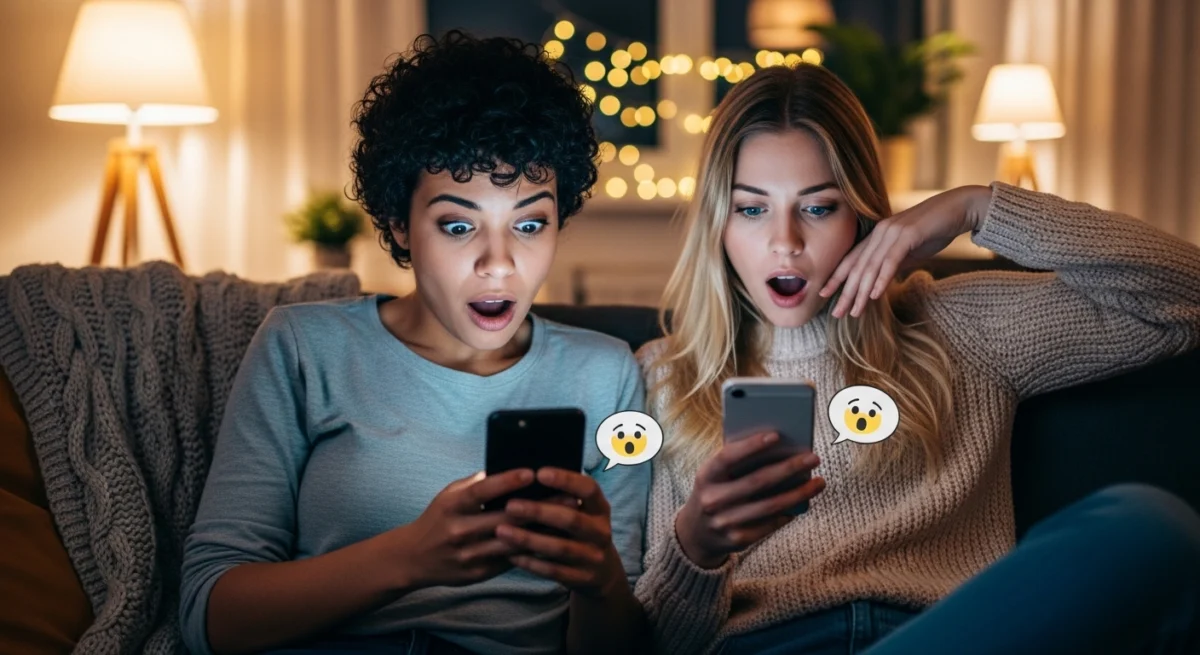
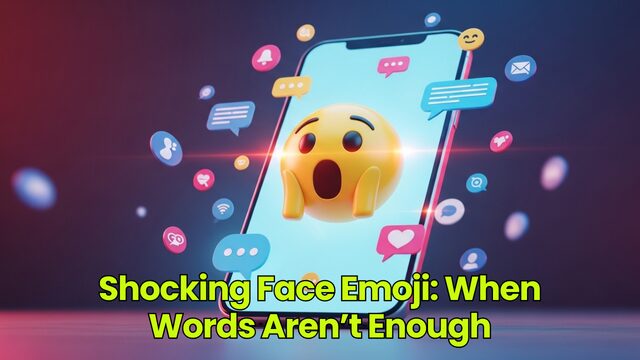
In the fast-paced ecosystem of modern digital communication, brevity is the ultimate currency. When words fail to capture the visceral intensity of a sudden realization or a jaw-dropping revelation, one icon has emerged as the universal shorthand for astonishment: the shocked face emoji. With its wide-open mouth, arched eyebrows, and expressive eyes, this tiny yellow character has transcended linguistic barriers to become a fundamental pillar of how we process and share surprise in the digital age.
The Anatomy of Surprise: Main Facts and Design
At its core, the shocked face emoji is a masterclass in minimalist design. It distills complex human emotion into a singular, highly legible graphic. Psychologically, the human brain is hardwired to recognize facial expressions of surprise as a survival mechanism—a way to signal alertness to potential threats or environmental changes. The emoji mimics this biological response, utilizing the "open mouth" and "raised eyebrows" to trigger an immediate, reflexive understanding of the user’s emotional state.
Unlike text, which requires parsing and contextual interpretation, the shocked emoji serves as a visceral "emotional cue." It operates on a primal level, allowing users to communicate disbelief, awe, or shock instantaneously. Whether it is an unexpected plot twist in a television show, a bizarre news headline, or a shocking revelation in a group chat, this icon acts as a bridge between the digital interface and the authentic human experience.
A Brief History: The Chronology of the Astonished Face
The journey of the shocked face emoji began in earnest with the standardization of digital symbols. While early internet culture relied on primitive "emoticons" made from keyboard characters (such as :O), the true transformation occurred with the adoption of Unicode, which allowed for consistent emoji rendering across different devices and platforms.
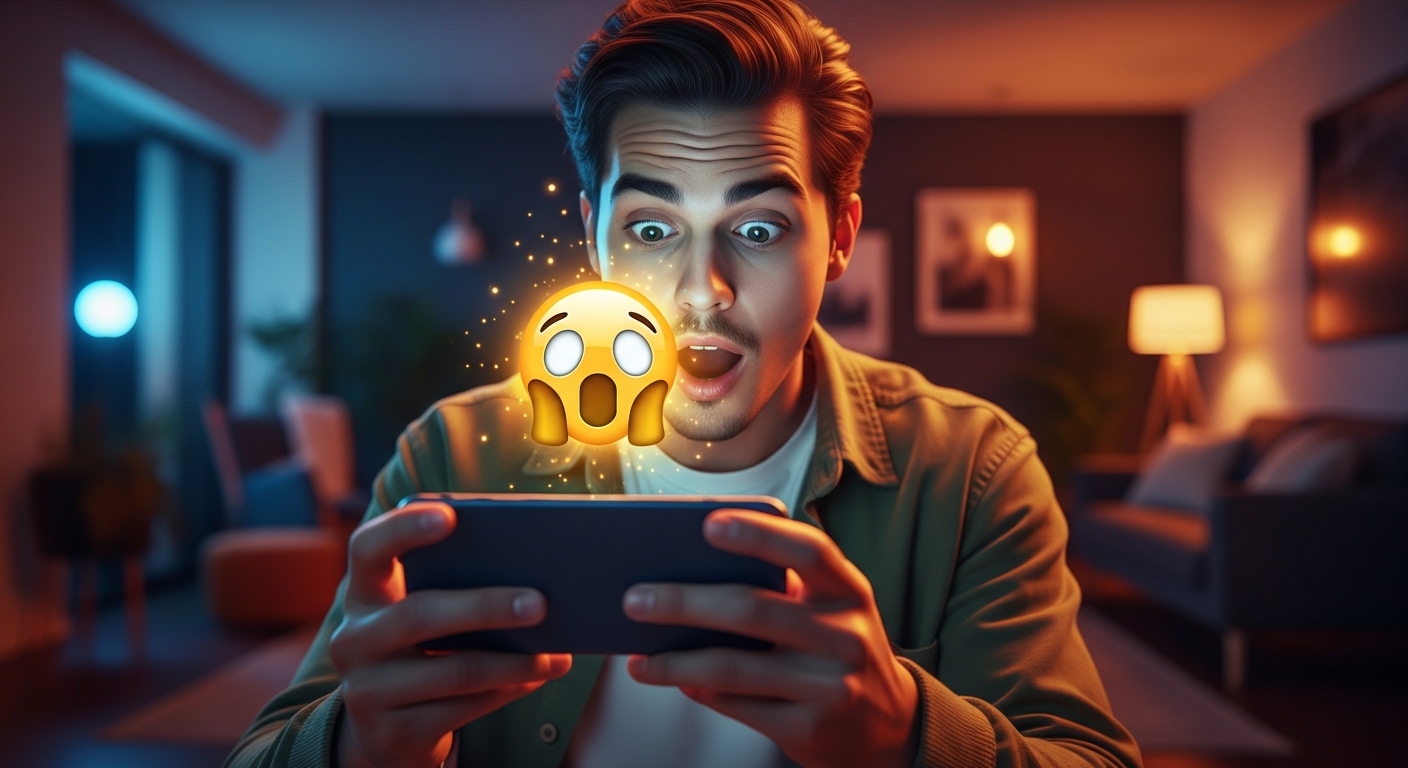
Introduced to the mainstream lexicon around 2010, the "Astonished Face" emoji was designed to mimic the "jaw-drop" reaction—a physical response to news that is so unexpected it renders the individual speechless. Over the following decade, the design underwent several iterations. Major tech companies, including Google, Microsoft, and Apple, refined the graphic to ensure it remained both aesthetically pleasing and emotionally evocative. In some versions, designers experimented with wobbly expressions or specific eye shapes to differentiate the "shocked" look from other similar icons, such as the "Hushed Face" or the "Screaming Face," each carrying its own nuanced shade of surprise.
Supporting Data: Why This Icon Dominates
The popularity of the shocked face emoji is not merely anecdotal; it is backed by the sheer volume of its usage across social media platforms. With over 9,600 stock illustrations and variations of shocked expressions currently available on platforms like iStock, the demand for this specific brand of emotional shorthand is immense.
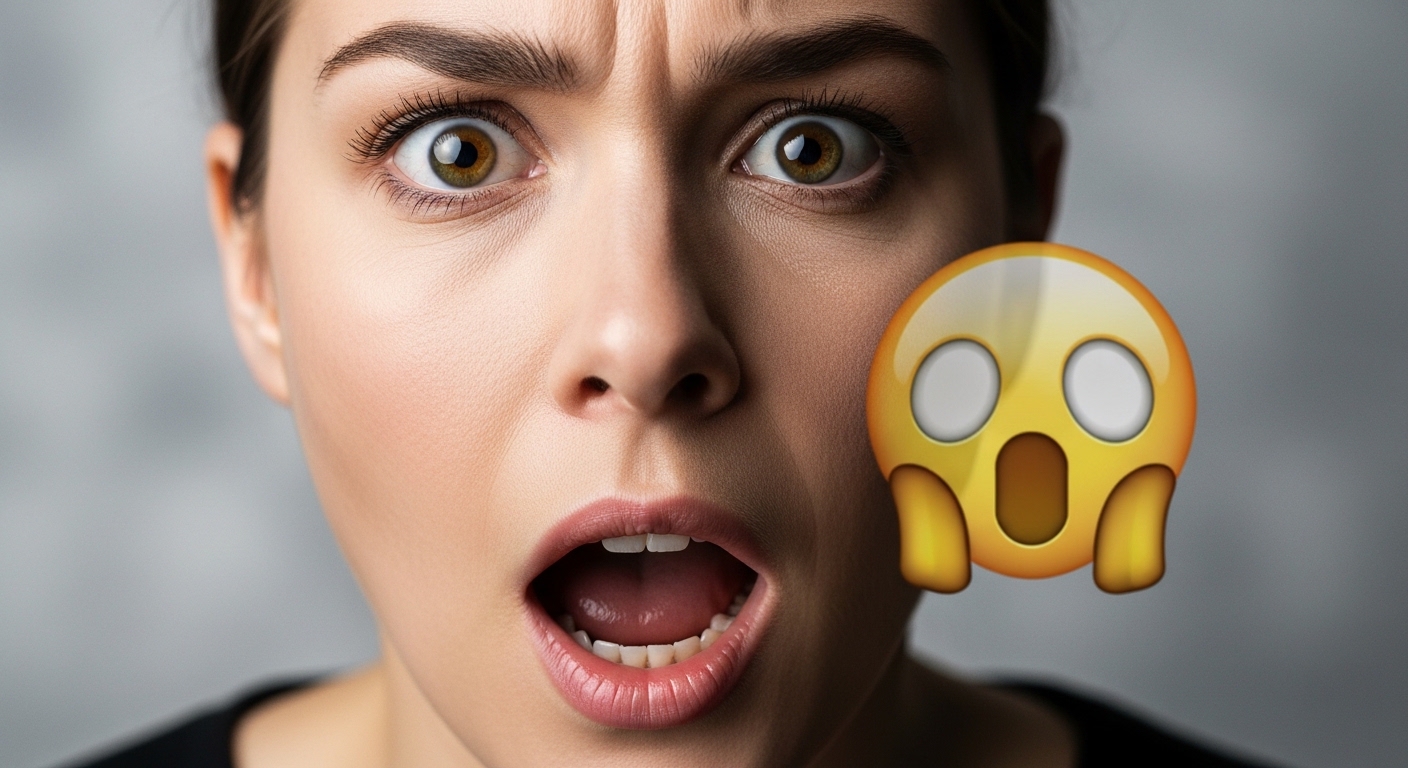
Social media analysis reveals that the "astonished" category of emojis consistently ranks among the most used in high-intensity digital environments, such as Twitter (now X) threads, Discord servers, and live-streaming chat rooms. Its versatility is its greatest asset. When paired with other icons—such as the "mind-blown" symbol or the "fearful" face—the shocked emoji helps build complex emotional narratives that would otherwise take several sentences to construct.
The Psychology of Digital Communication
Why do we gravitate toward these icons? The answer lies in the concept of "digital body language." In face-to-face communication, we rely on a symphony of micro-expressions to convey meaning. In text-based communication, we lose these cues, which often leads to misunderstandings or a lack of emotional depth.
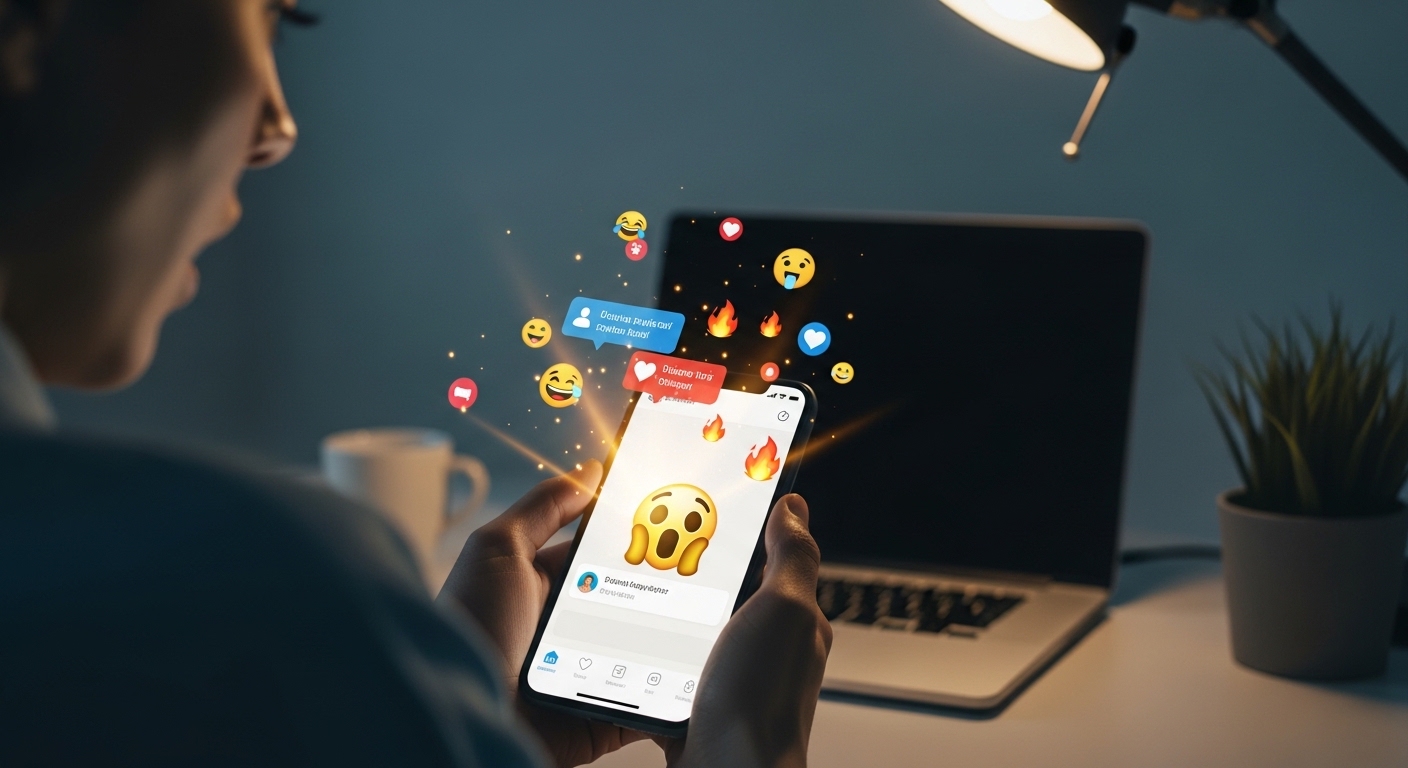
The shocked emoji acts as a synthetic substitute for these missing cues. By incorporating the "raised eyebrows" and "rounded eyes," the emoji forces the recipient of a message to process the sender’s tone immediately. Psychologists have noted that this helps to maintain the "humanity" of digital interactions. It turns a flat, cold message into a vibrant, reactive conversation. It allows for a communal sense of experience, where multiple users can react to the same piece of information simultaneously, reinforcing the social bonds within online communities.
Implications: The Standardization of Emotion
The widespread adoption of the shocked emoji has significant implications for how we communicate. Critics might argue that relying on emojis limits our vocabulary, yet the opposite appears to be true: emojis provide a layer of context that clarifies intent.
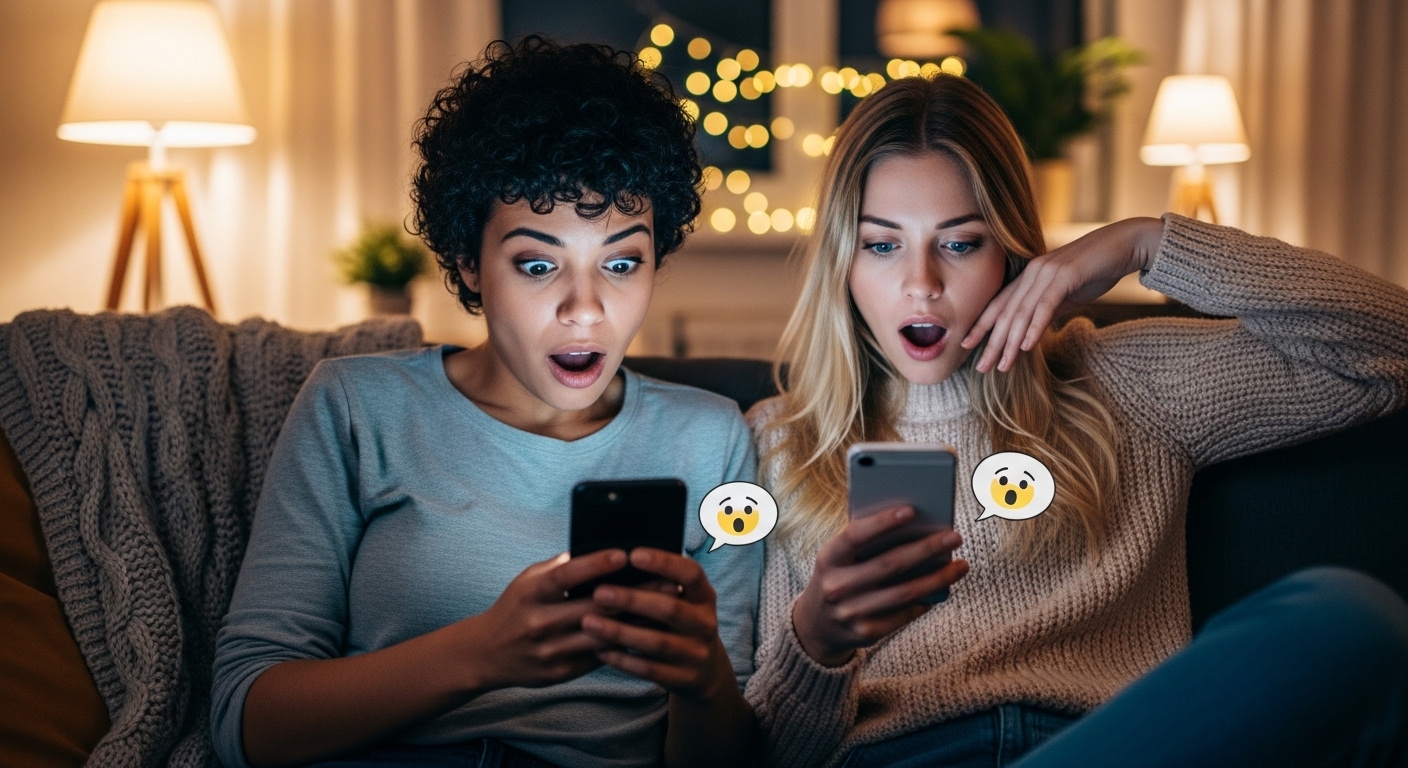
However, the standardization of these expressions also creates a "globalized" emotional language. A user in Tokyo, a student in London, and a gamer in Brazil all interpret the same shocked face in the same way. This uniformity has effectively flattened cultural nuances, creating a shared digital vocabulary that is as powerful as it is universal. As we move toward more immersive digital environments, such as the Metaverse or AI-driven chat interfaces, these icons are likely to become even more integrated into our daily interactions, serving as the default reaction mechanism for human-computer interfaces.
The Role of Memes and Internet Culture
Internet culture thrives on the principle of hyper-exaggeration, and the shocked face emoji is the perfect tool for this. In the world of "meme-ing," where dramatic flair is essential, this emoji is used to frame headlines and highlight absurdity.
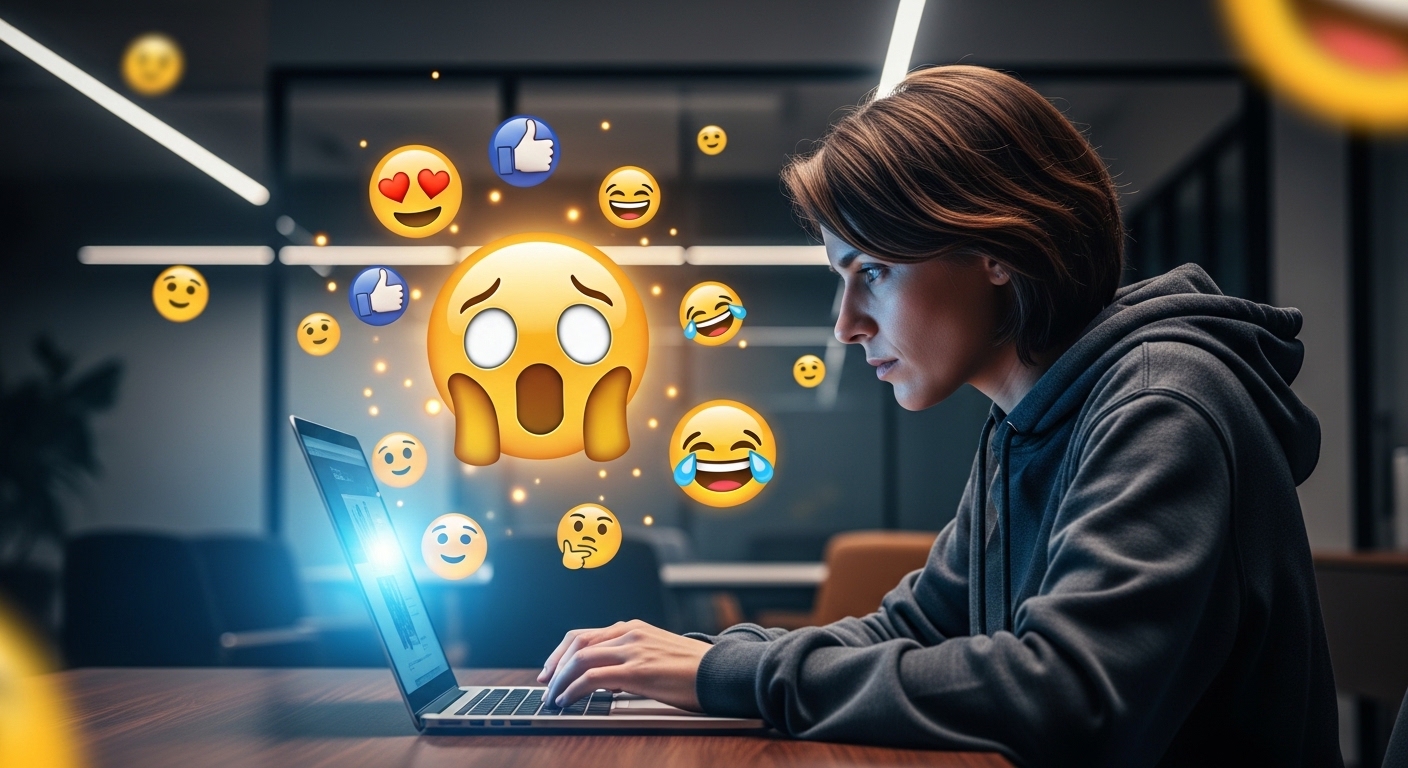
For instance, when a viral video features a bizarre occurrence, the comment section is often flooded with a sea of yellow, open-mouthed faces. This creates a feedback loop of validation. The emoji doesn’t just show that you are shocked; it shows that you are part of the "in-group" that understands the humor or the gravity of the situation. The emoji has become a badge of participation in the global digital conversation.
Official Perspectives: The Evolution of Design
Tech giants have taken the design of the shocked face quite seriously. When Apple or Google updates their emoji library, the subtle changes to the "shocked" expression are often met with intense scrutiny. This is because these icons are no longer just pictures; they are essential software components.
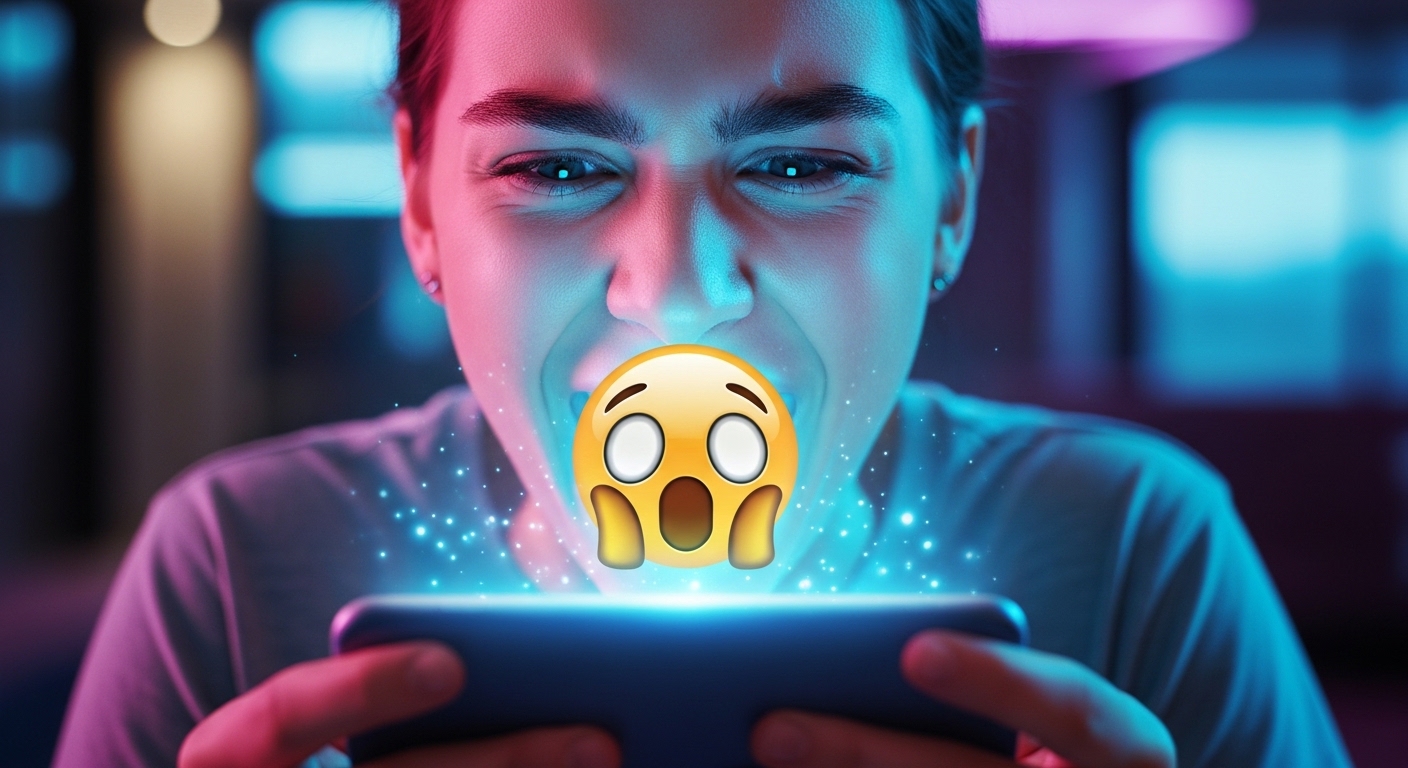
For example, Microsoft’s "Fluent" design language moved toward a more three-dimensional, tactile aesthetic, while platforms like Twitter (Twemoji) opted for a more flat, vector-based approach to ensure clarity on smaller screens. These design choices reflect the official commitment of these companies to maintaining the "emotional accuracy" of the symbols. They recognize that if an emoji is too ambiguous, it fails in its primary purpose: clear communication.
Future Outlook: Will the Shocked Emoji Last?
As digital language evolves at a rapid pace, one might wonder if the shocked face will eventually fall out of favor. However, the evidence suggests otherwise. The emotion of "surprise" is a fundamental human experience, and as long as humans remain shocked by the world around them, they will continue to seek out the most efficient way to express that feeling.
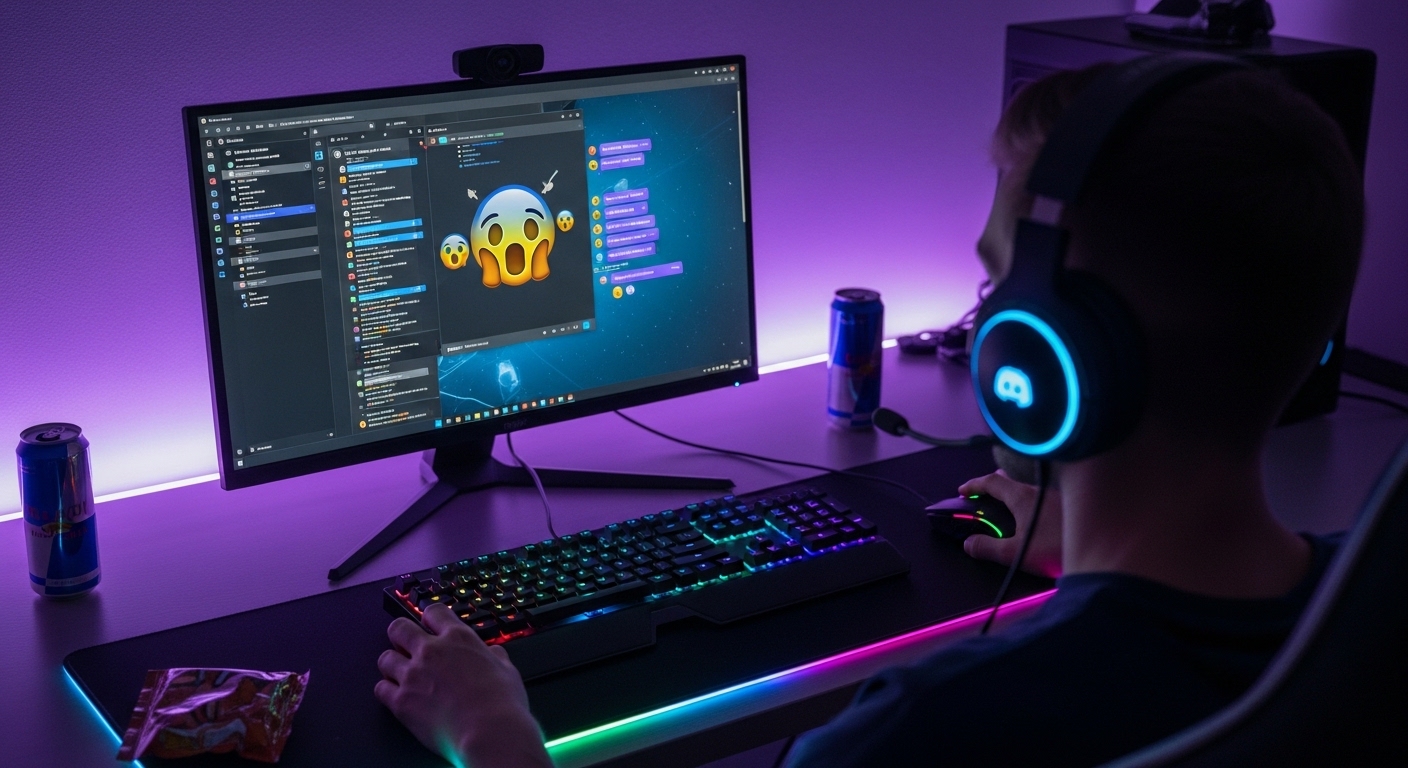
The shocked emoji has become a "timeless" icon. It occupies a space in our digital vernacular similar to the period or the exclamation point. It is no longer a trend; it is a necessity. Looking ahead, we may see more animated or reactive versions of the emoji—perhaps integrated into VR environments where a user’s actual facial movements trigger the emoji in real-time—but the core components, the raised eyebrows and the wide mouth, will undoubtedly remain.
Conclusion: A Universal Language of Wonder
The shocking face emoji is more than just a yellow circle on a screen; it is a testament to our innate need to connect and share experiences. It provides us with a way to navigate the complexities of digital dialogue, ensuring that even in a text-heavy world, we can still convey the depth of our amazement. As we continue to push the boundaries of digital interaction, this tiny icon will continue to act as a reminder of our shared humanity—a universal symbol for those moments when life leaves us truly speechless.


 Ammar Sabilarrohman
 Nana Wu