

 Azzam Bilal Chamdy
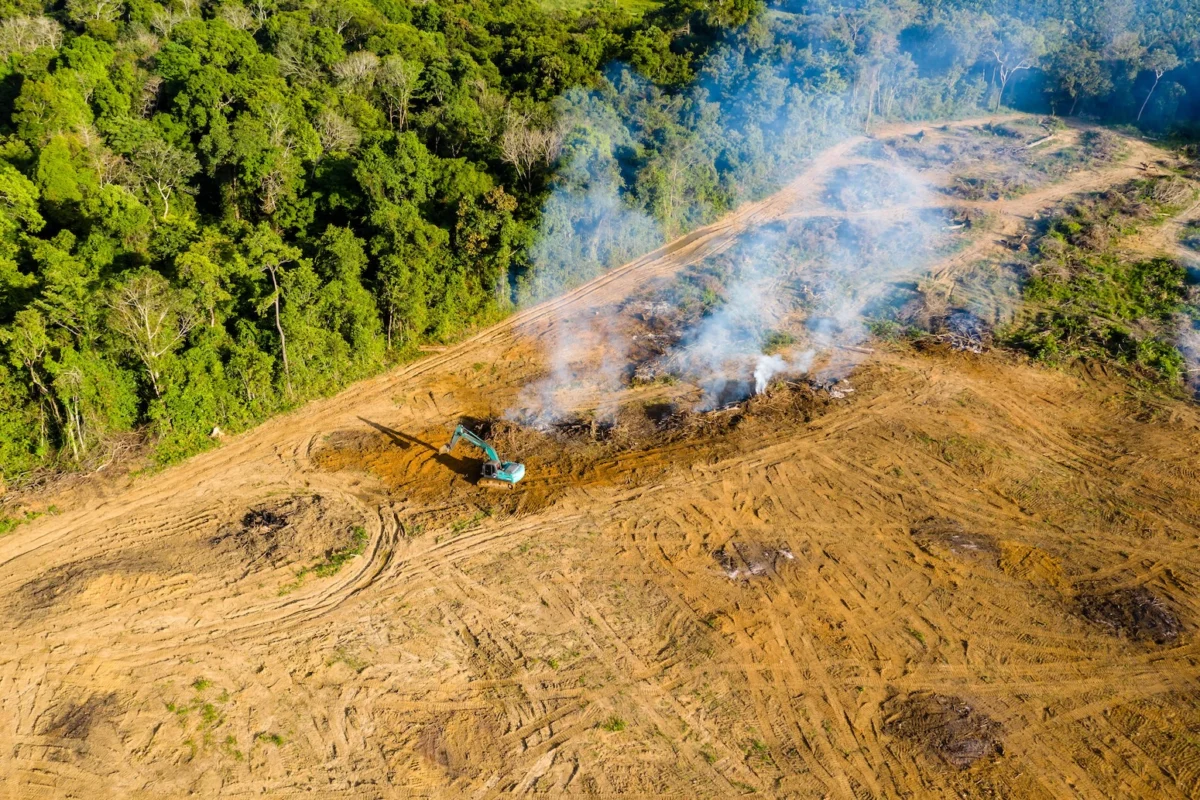
As delegates prepare to descend upon Yerevan, Armenia, for the COP17 biodiversity summit beginning on 19 October 2026, a somber reality hangs over the negotiations. A new global stocktaking report from the UN Convention on Biological Diversity (CBD) has laid bare a stark, uncomfortable truth: the world is failing to meet the financial promises required to halt the collapse of the planet’s ecosystems.
The report serves as a formal indictment of the current international effort, stating that the flow of finance for nature "falls far short" of the targets set just four years ago. With a massive $700 billion annual biodiversity finance gap identified in the landmark Kunming-Montreal Global Biodiversity Framework (GBF), the inability of developed nations to mobilize resources has turned what was once a promise of collective action into a point of intense geopolitical contention.
The Chronology of a Broken Promise
To understand the current impasse, one must look back to 2022, when the international community gathered for COP15 in Montreal. Amidst a wave of optimism, 196 countries ratified the Kunming-Montreal Global Biodiversity Framework. It was hailed as the "Paris Agreement for Nature," a historic commitment to halt and reverse biodiversity loss by 2030.

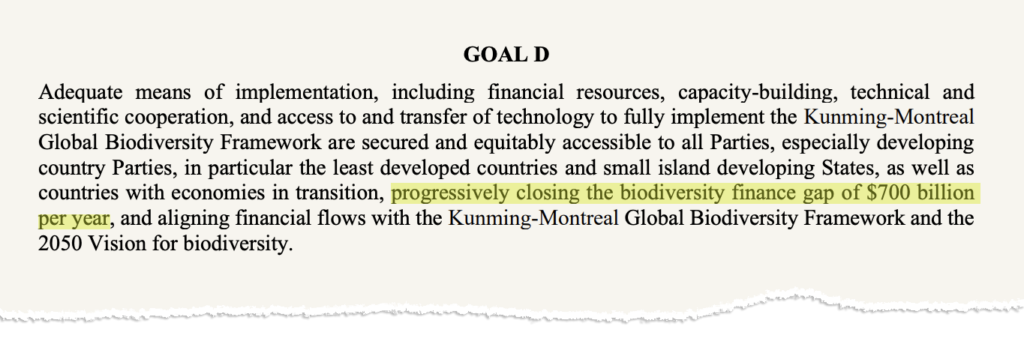
Goal D of that agreement was clear: countries were to close a $700 billion annual finance gap by 2030. This figure was bifurcated into two primary strategies:
- Target 18: The identification and elimination of $500 billion per year in nature-harming subsidies by 2030.
- Target 19: The mobilization of at least $200 billion per year in new financial resources from all sources, including national budgets, development banks, and the private sector.
Crucially, Target 19 included specific milestones for international public funding: $20 billion per year by 2025 for developing nations, rising to $30 billion per year by 2030.
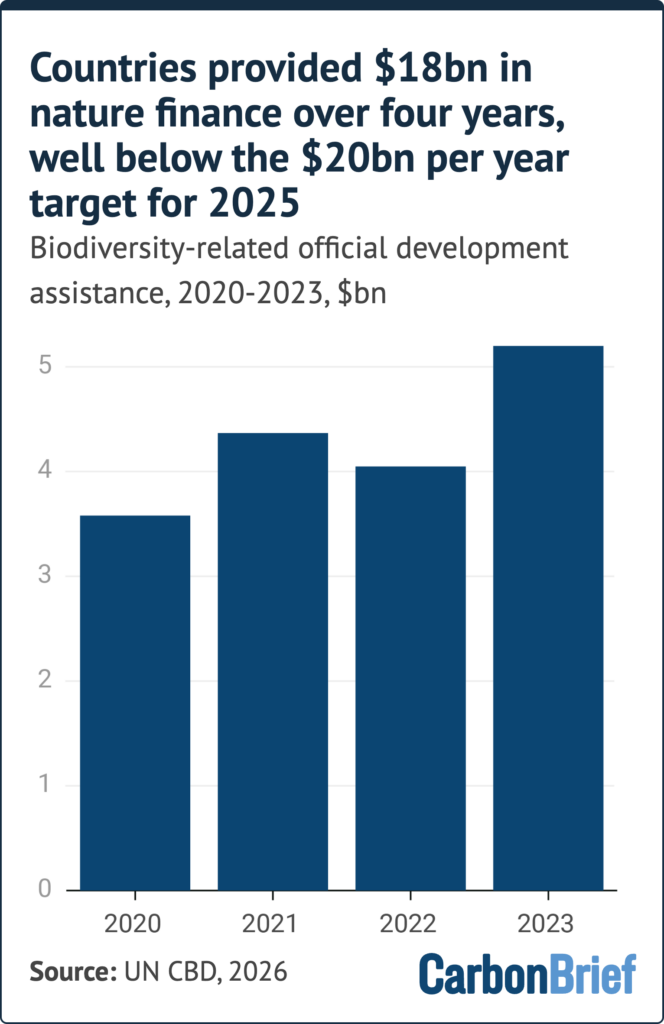
However, as of late 2026, the progress report suggests that the 2025 milestone—the "floor" of $20 billion in public funding—has been missed. Data covering 2020–2023 shows a cumulative international public contribution of just $17.7 billion over four years, averaging a mere $4.4 billion annually. The chasm between the promise and the delivery is not merely a matter of bookkeeping; it is a fundamental breakdown of the "biodiversity bargain."
Supporting Data: The Anatomy of a Shortfall
The failure to meet these targets is evidenced by the underperformance of two critical financial pillars established to facilitate the transition: the Global Biodiversity Framework Fund (GBFF) and the newly minted "Cali Fund."
The Global Biodiversity Framework Fund (GBFF)
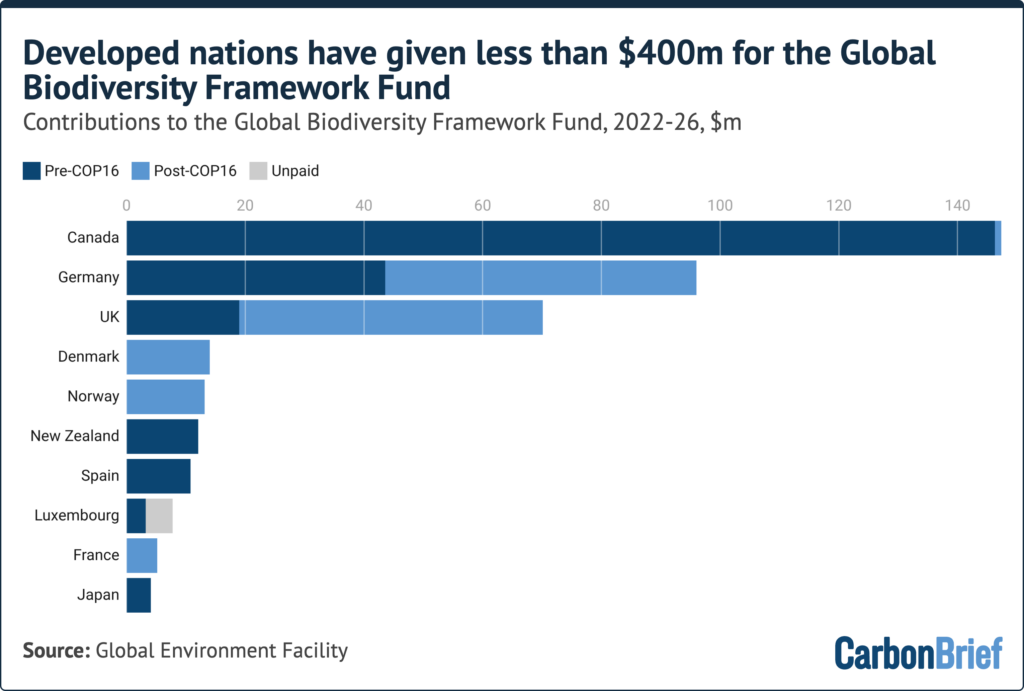
Established under the auspices of the Global Environment Facility (GEF) following COP15, the GBFF was designed to act as a primary vehicle for public finance. Despite an initial flurry of diplomatic commitments, the fund remains chronically undercapitalized. As of June 2026, the fund had secured less than $400 million in signed commitments from only 11 countries and one subnational government (Quebec). This represents a fraction of what is required to support the massive infrastructure and conservation projects needed in the Global South.
The Cali Fund and Private Sector Apathy
The situation is even more dire regarding private sector participation. The "Cali Fund," created at COP16 in 2024, was designed to be a pioneering mechanism: a global fund where companies profiting from digital sequence information (genetic data) would contribute to conservation.
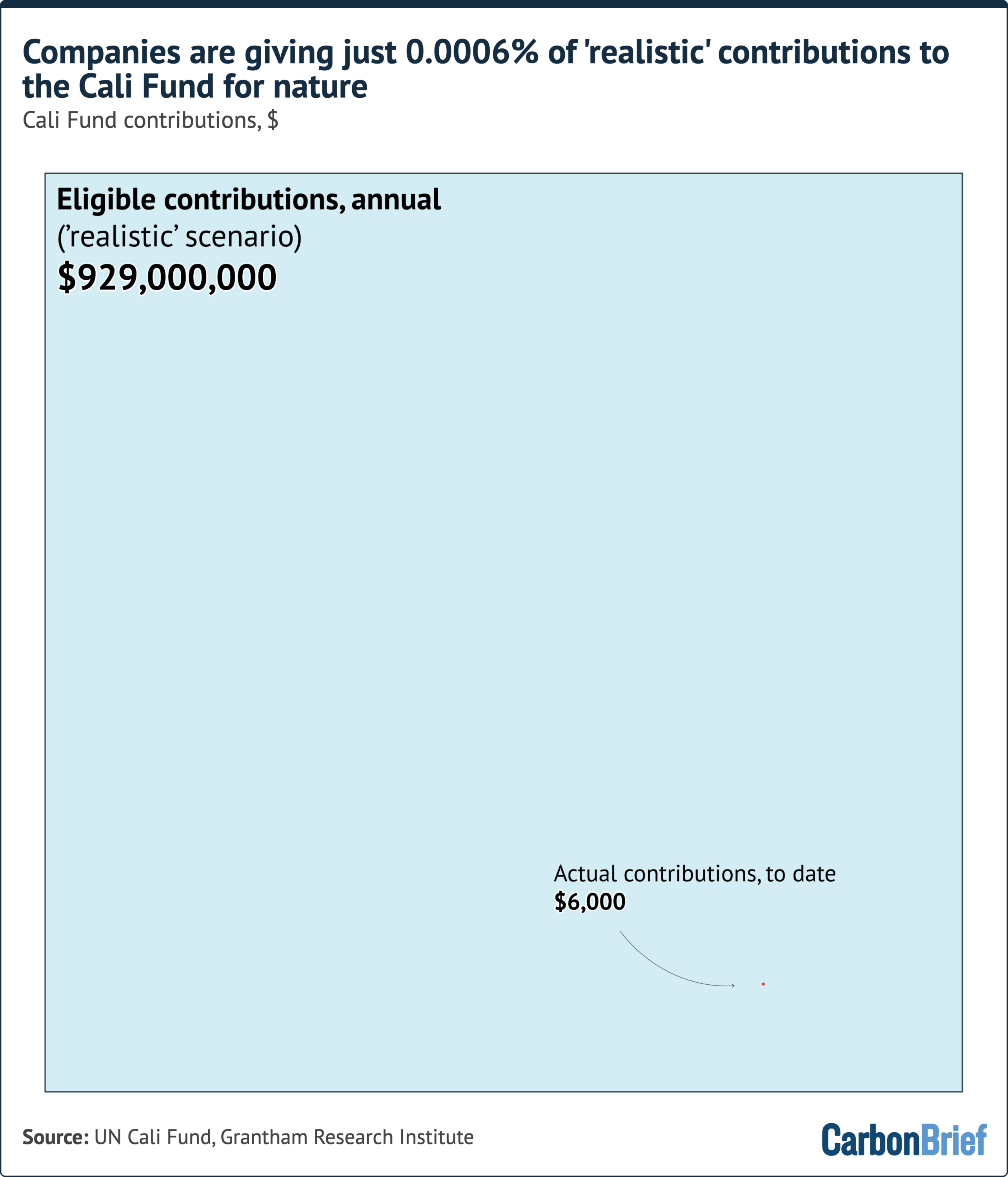
Research from the Grantham Research Institute at the London School of Economics suggests that with proper participation, this fund could generate up to $929 million annually under realistic uptake scenarios. Yet, to date, the fund has received a mere $6,000 in contributions. This represents roughly 0.0006% of the "realistic" annual target, highlighting a profound failure to translate corporate ESG rhetoric into tangible financial support for nature.
Official Responses and Expert Analysis
The failure to meet these financial obligations has drawn sharp criticism from developing nations and civil society organizations. Lim Li Ching, representing the Third World Network, noted that for countries holding the majority of the world’s biodiversity, the funding shortfall is not an abstract policy failure but an existential threat.
"Developed countries have regrettably not met their legal obligations," Li Ching stated. She further cautioned against the current trend of pivoting toward market-based mechanisms—such as biodiversity offsets and carbon credits—to fill the gap. "This failure should not be used as an excuse to pivot to the private sector or market-based mechanisms, which struggle to raise finance at scale and often deepen social and ecological harm."
From a legal perspective, the frustration is equally palpable. Dr. Siva Thambisetty, an associate professor of law at the London School of Economics, argues that voluntary measures are insufficient to drive corporate behavior. "The private sector is doing what it always does: minimizing outgoings and liability and maximizing freedom to operate," she noted. Dr. Thambisetty advocates for mandatory legal frameworks, noting that "Cali Watch"—a non-profit monitoring the situation—has found that not a single government has passed legislation requiring companies to contribute their "Cali debt."
The Human Dimension: Indigenous Communities and Access
Beyond the cold, hard numbers of the financial ledger lies the impact on those on the front lines of conservation. Dr. June Rubis, the Indigenous peoples and local communities lead on the Cali Fund’s steering committee, emphasizes that the crisis is one of both quantity and quality.
"Each part of the finance architecture needs to start sending credible signals at the same time," Rubis explains. "If one part moves while the others are repeatedly deferred, confidence in the wider biodiversity bargain becomes harder to sustain."
For Indigenous communities, the issue is not only that the money is not appearing, but that the pathways for accessing the funds remain labyrinthine and exclusionary. "Headline commitments matter," says Dr. Rubis, "but so do the pathways through which money reaches people." The danger is that while diplomats argue over the $200 billion gap, the communities most effective at protecting biodiversity are left without the resources to sustain their traditional stewardship.
Implications for COP17 and Beyond
As COP17 begins in Yerevan, the atmosphere is expected to be contentious. The "finance gap fight" will likely dominate the agenda, as developing nations demand accountability for the unmet 2025 goals.
The implications of this shortfall are profound:
- Loss of Trust: The failure to deliver on the $20 billion commitment risks shattering the trust built in Montreal. Without this, securing agreement on more ambitious targets for 2030 will be significantly harder.
- Market Skepticism: The failure of the Cali Fund serves as a warning that voluntary corporate contributions are likely to remain negligible. This will force a debate at COP17 on whether to mandate contributions from companies utilizing genetic data.
- Nature-Harming Subsidies: With finance failing, the spotlight will shift toward the other side of the equation: the $500 billion in annual subsidies that currently incentivize ecological destruction. If countries cannot provide positive finance, there will be mounting pressure to at least stop paying for the degradation of the environment.
The message from the UN CBD is clear: the current trajectory is insufficient to prevent the accelerating loss of biological diversity. COP17 in Armenia represents a "make-or-break" moment. Either the global community finds a way to move beyond rhetorical pledges and into concrete, predictable, and accessible financing, or the 2030 targets—and the ecosystems they aim to protect—will remain out of reach.
As the summit convenes, the world watches to see if nations can move beyond the "biodiversity bargain" of the past and finally commit to the hard, expensive, and necessary work of investing in the survival of our biosphere.


 Layla Zulfa
 Neng Nana