



 Asep Darmawan
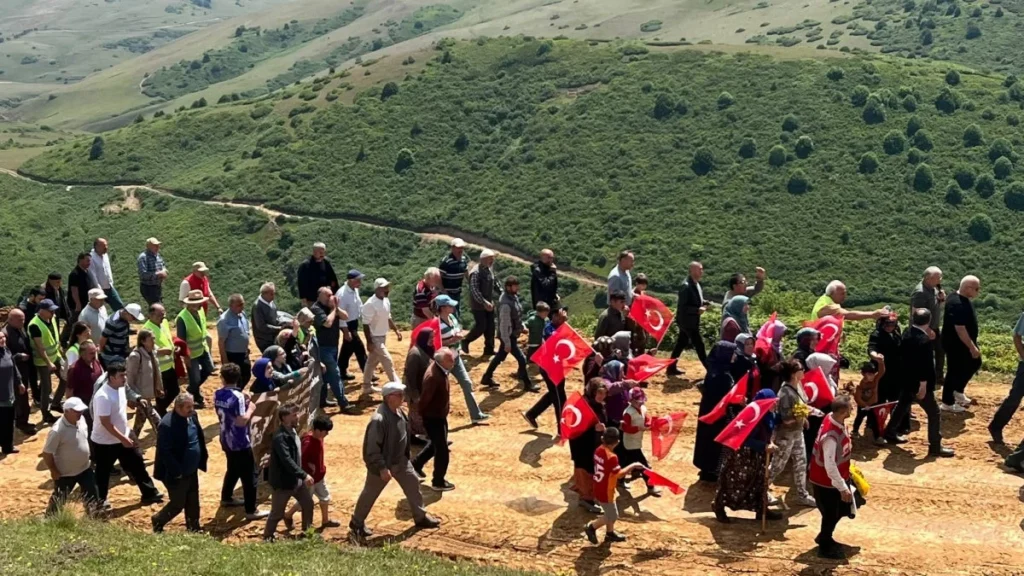
As the world experiences a year of unprecedented land and ocean surface temperatures—a grim milestone in an era of escalating climate extremes—the global community turns its gaze toward Antalya, Türkiye. This November, the UN Climate Change Conference (COP31) arrives at a precarious juncture. With the United Nations Environment Programme (UNEP) warning that the world is on the precipice of overshooting the 1.5°C threshold within years, the summit is no longer merely a diplomatic exercise; it is a desperate race against time to redefine humanity’s relationship with the planet.
The Global Stakes: A Planet in Flux
For too long, international climate policy has been characterized by incrementalism while the reality on the ground has been defined by catastrophe. From wildfires consuming vast swathes of forest to historic droughts and record-breaking floods, the "natural disasters" of 2026 are the direct results of a world addicted to fossil fuels.
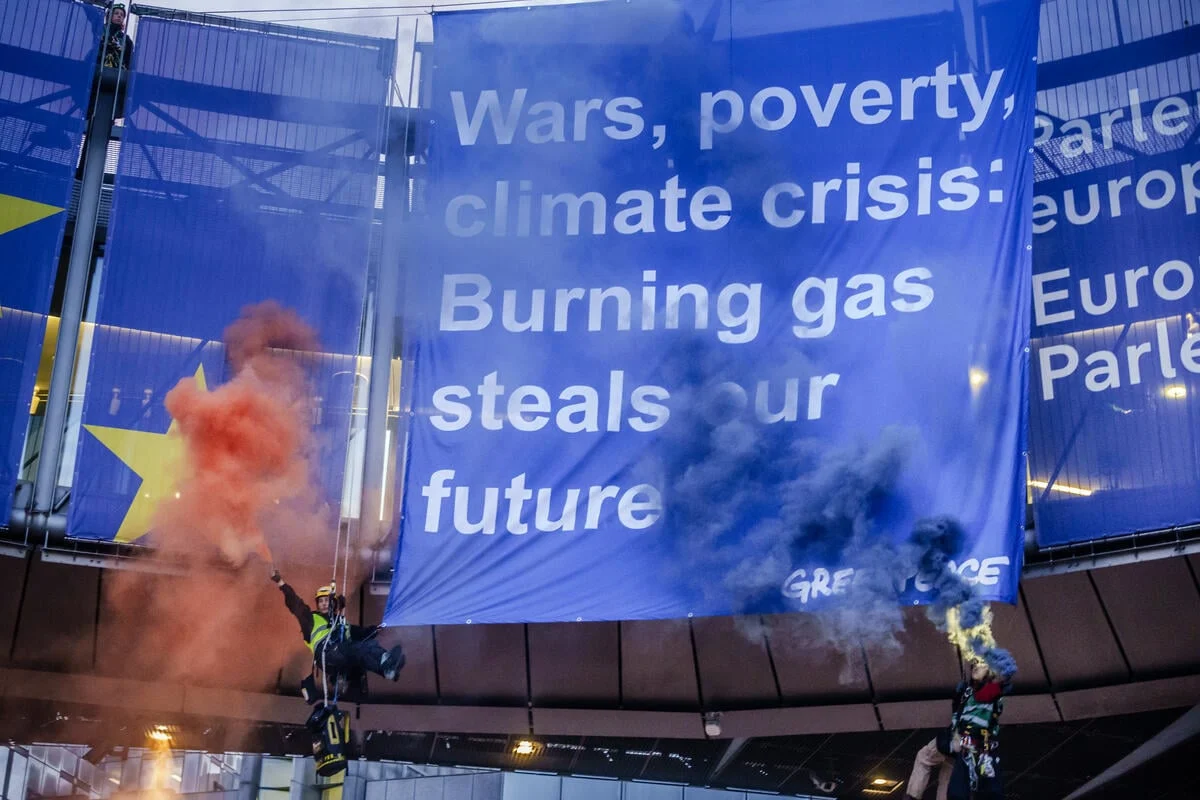
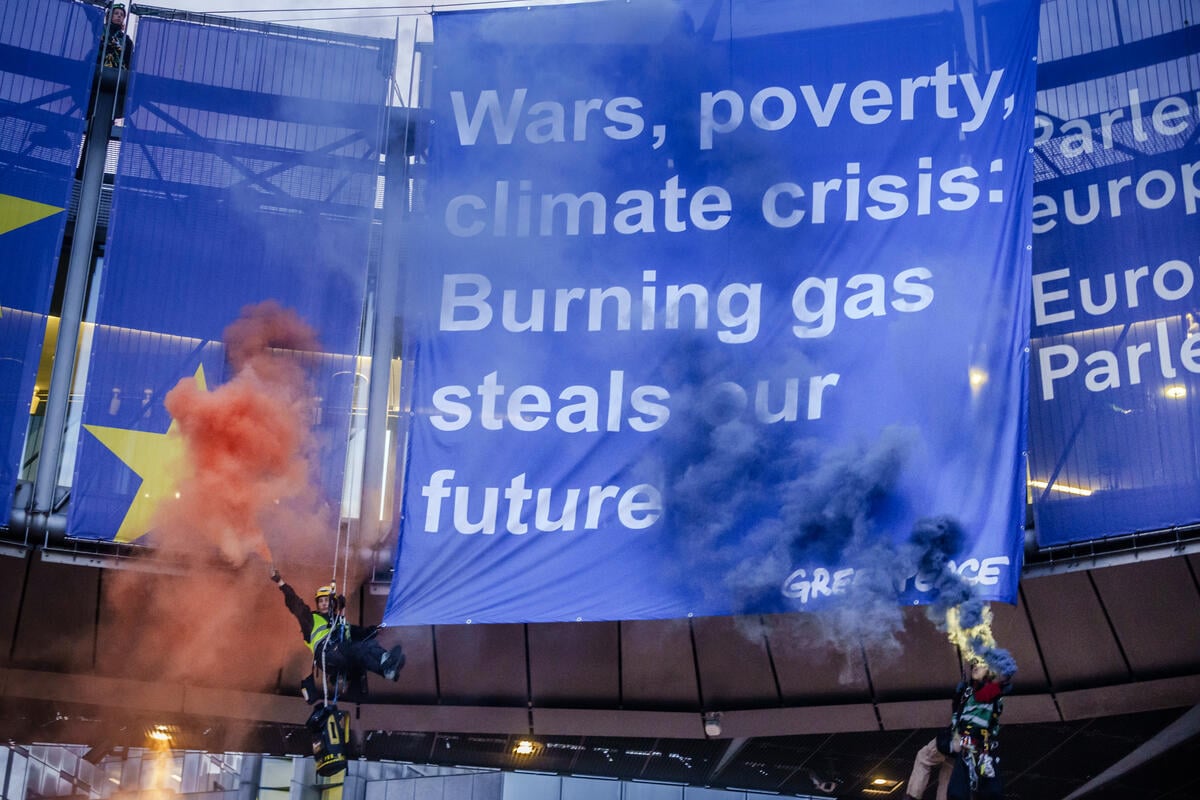
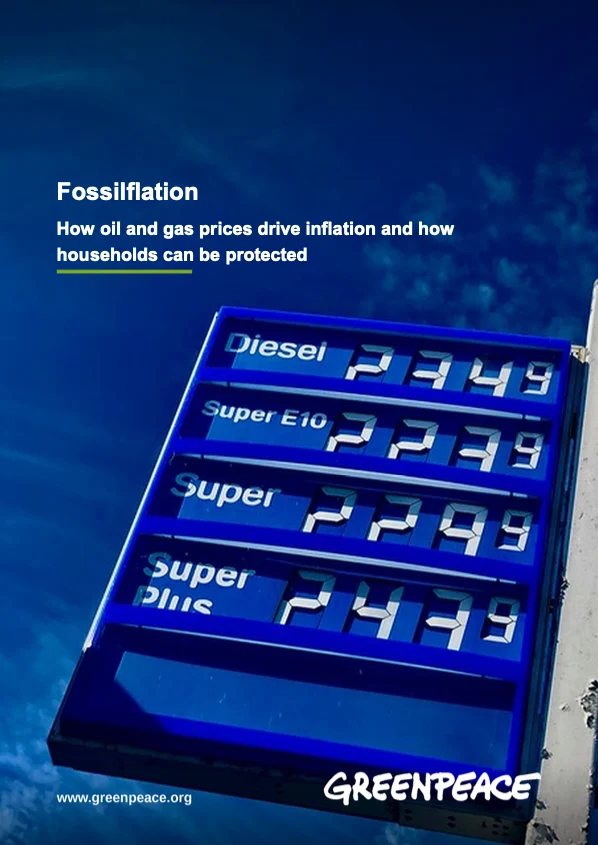
The political landscape is equally fraught. Geopolitical tensions, including the ongoing war involving the US/Israel and Iran, have exposed the inherent volatility of energy markets, fueling a "fossilflation" crisis that has hammered the cost of living for millions. These crises have underscored a fundamental truth: the pursuit of oil and gas is not just an ecological failure, but a socio-economic one. COP31 offers a renewed opportunity to decouple global economies from fossil fuels, the primary driver of the climate crisis, and to pivot toward a sustainable, renewable future.
Chronology: From Paris to Antalya
To understand the gravity of COP31, one must view it as the latest chapter in a long-running saga of international negotiation:
- 1992 (UNFCCC Established): The birth of the United Nations Framework Convention on Climate Change, providing the legal architecture for global climate action.
- 2015 (COP21, Paris): A historic turning point. Governments committed to holding global temperature increases to "well below 2°C" and striving for 1.5°C.
- 2023 (COP28, Dubai): A watershed moment where, for the first time, the international community explicitly called for a "transition away from fossil fuels."
- 2025 (COP30, Belém): The 10-year anniversary of the Paris Agreement. While it failed to yield a final roadmap for ending fossil fuels, it demonstrated that a significant bloc of nations is ready to move beyond the carbon era.
- 2026 (COP31, Antalya): The current horizon. Hosted by a dual-presidency of Türkiye and Australia, this summit must transform past promises into enforceable, actionable national roadmaps.
Supporting Data: The 1.5°C Ambition Gap
The gap between political rhetoric and scientific necessity remains yawning. When the Paris Agreement was adopted, projected temperature increases hovered just below 4°C. Today, thanks to national policy shifts, that figure has dropped to below 3°C—a testament to the power of global cooperation. However, the UNEP’s Emissions Gap Report 2026 warns that if current policies persist, the world is on track for 2.8°C of warming this century.
Even in the most optimistic scenarios, we are expected to hit 1.8°C before a long-term decline begins. This "overshoot" is not merely a statistical anomaly; it is a period of heightened danger for the world’s most vulnerable ecosystems and populations. The mission for COP31 is to minimize the depth and duration of this overshoot through immediate, aggressive decarbonization.
Official Responses and the "Electrification COP"
COP31 features an unprecedented organizational structure: a split presidency between Türkiye and Australia. This dual-presidency has already signaled a specific priority: the "Electrification COP."
The Turkish presidency, supported by Australia, has introduced a pledge to increase electricity’s share of global final energy consumption to 35% by 2035. While environmental advocacy groups, including Greenpeace, have welcomed this target as a necessary step toward grid modernization, they maintain that electrification is a hollow victory if it is not accompanied by an absolute, planned phase-out of fossil fuel extraction. Expanding renewables while continuing to drill for oil is a contradictory strategy that ignores the source of the heat driving our current climate emergencies.
The Three Pillars of COP31 Success
1. A Hard Pivot on Fossil Fuels
Governments at COP31 must move beyond the vague "transition away" language of COP28. The mandate is clear: translate commitment into national law. This involves three critical actions:
- Renewable Expansion: Tripling renewable energy capacity and doubling efficiency by 2030.
- Targeted Phase-Out: Achieving at least 75% renewable power generation by 2035.
- Institutional Reform: Creating a "Just Transition Mechanism" to coordinate global efforts, ensuring that countries in the Global South receive the technology and financial support required to leapfrog fossil fuel dependency.
2. Accountability for Forests
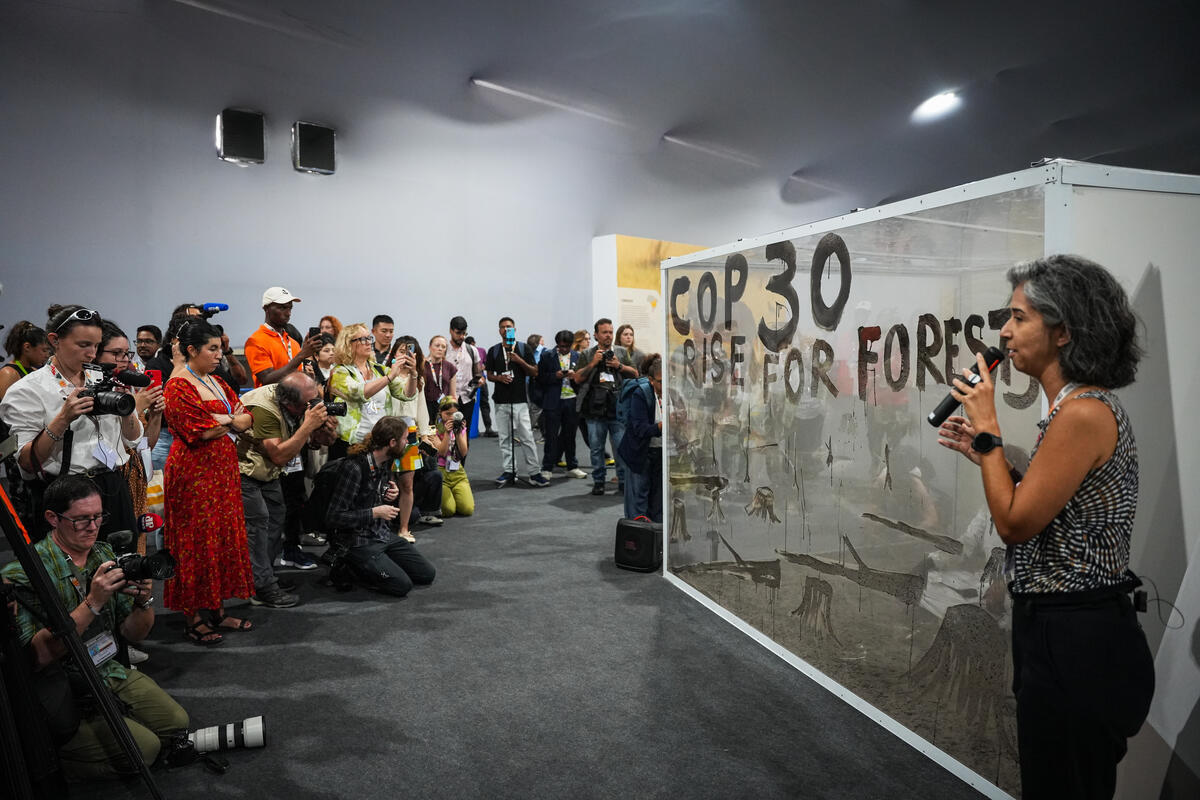
Forests are the world’s lungs, yet they are being destroyed by industrial logging, agricultural expansion, and supply chain negligence. Current UN frameworks are too focused on "deforestation" while ignoring the wider, more insidious issue of "forest degradation." COP31 must establish an implementation and accountability framework that moves beyond empty 2030 pledges, ensuring that forests remain not just standing, but functioning ecosystems capable of acting as carbon sinks.
3. Finance and the "Polluter Pays" Principle
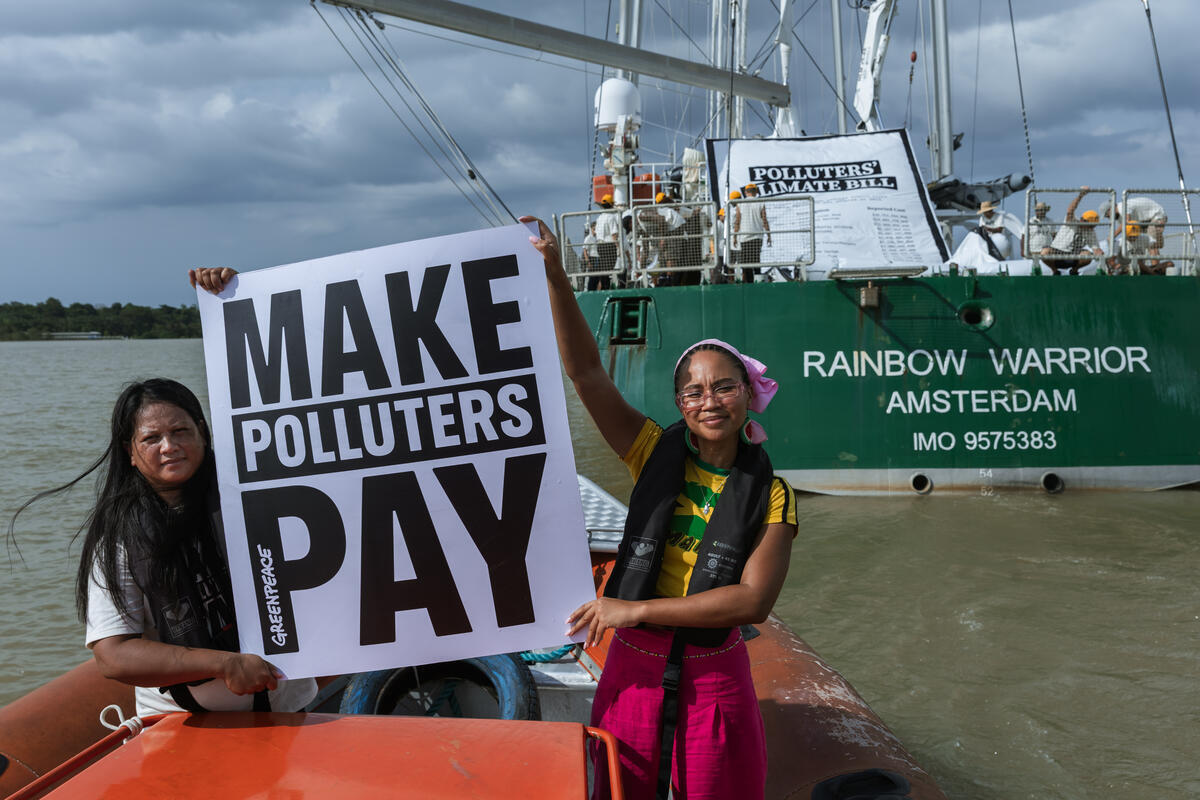
The US$300 billion climate finance goal set at COP29 is widely regarded as insufficient, yet even that target is at risk as developed nations scale back public funding. COP31 must bridge this gap by implementing progressive environmental taxation. By taxing the record-breaking, multi-billion-dollar profits of oil and gas giants, governments can create a dedicated stream of funding for mitigation, adaptation, and loss and damage. It is time for those who caused the damage to foot the bill for the recovery.
Implications: A People-Centered Future
The shadow of corporate lobbying—from fossil fuel giants to industrial agricultural conglomerates—looms large over the COP process. These entities often use the summit to promote "greenwashing" solutions that protect their business models while delaying real change.
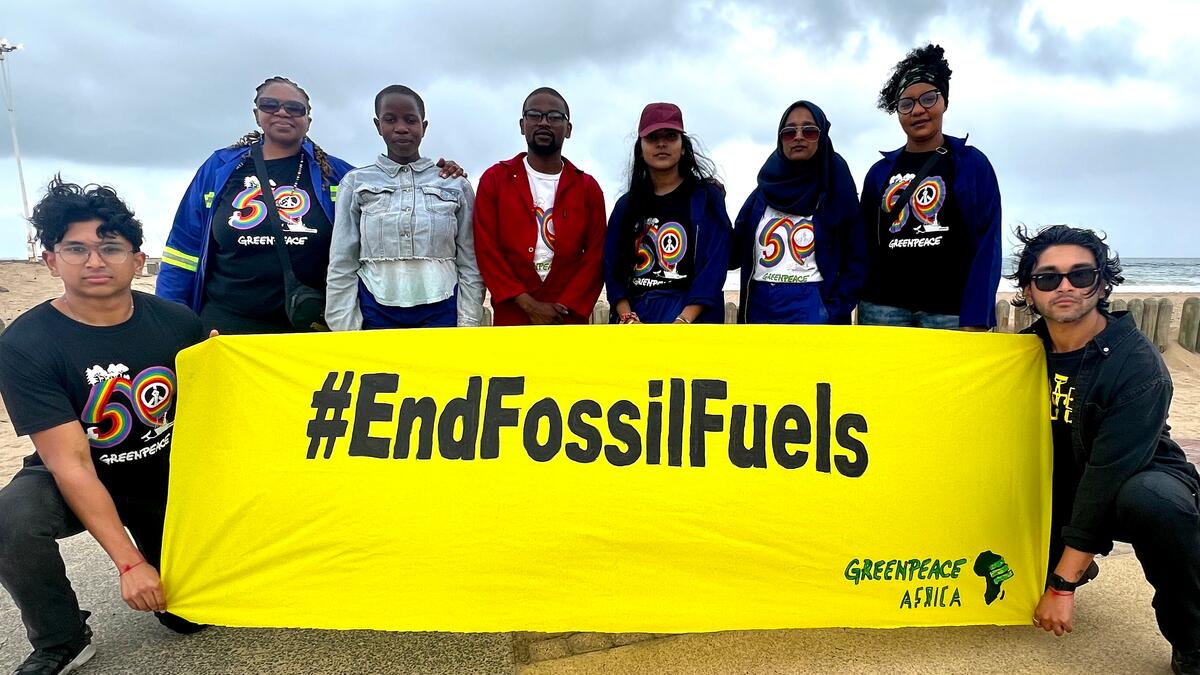
However, the power of the COP process lies in its ability to bring civil society, Indigenous leaders, and youth activists into the heart of the negotiation chamber. These voices are essential for holding governments accountable and ensuring that the final outcomes prioritize the lives of citizens over the dividends of shareholders.
Conclusion: The Path Through the Heat
COP31 in Antalya is not just another conference; it is a test of the global order’s survival instinct. The science is definitive: we are entering a period of dangerous temperature overshoot. The solutions are also well-documented: a fast, fair, and funded transition away from fossil fuels, an aggressive restoration of the world’s forests, and a financial system that makes polluters pay for the wreckage they have left in their wake.
As the international community convenes in Türkiye, the world will be watching to see if our leaders have the political courage to treat this crisis as the emergency it is. The path to keeping 1.5°C alive is narrow, but it is still open. Whether we walk through it depends entirely on the actions taken in the negotiation rooms of Antalya.
Frequently Asked Questions (FAQ)
What is the significance of the COP31 dual-presidency?
The split between Türkiye and Australia represents a unique attempt to harmonize the energy goals of two diverse regions. While it focuses on the "Electrification COP" agenda, it also places a burden on these nations to prove that they can lead the world toward a fossil-free future in partnership with the Pacific and European blocks.
Why is "35 by 35" an important goal?
The 35% electrification goal by 2035 is designed to integrate more renewable energy into the global grid. However, it is only a partial solution. It must be paired with an active, policy-driven wind-down of coal, oil, and gas, or it risks being used as a distraction from the need to stop fossil fuel expansion.
How does COP31 plan to handle the climate finance gap?
The focus is on moving beyond the $300 billion goal established at COP29. By advocating for progressive taxation—specifically targeting the massive profits of the fossil fuel industry—advocates argue that developed nations can meet their international obligations without relying solely on strained national budgets.
What is the role of civil society at these summits?
Civil society organizations and activists play a critical role in "holding the line." By tracking lobbyists and demanding transparency, they ensure that the agreements reached are not watered down by private interests, keeping the focus squarely on the protection of people and the planet.


 Nila Kartika Wati
 Laily UPN





