
 Raul Delapena Setiawan
James Bruggers, an investigative journalist whose career was defined by an unyielding commitment to exposing environmental degradation and the human cost of corporate malfeasance, died Tuesday at a hospital in Louisville, Kentucky. He was 68. His wife, Chris Bruggers, confirmed the cause of death as a combination of thyroid cancer and pneumonia.
Over a career spanning four decades, Bruggers established himself as one of the nation’s preeminent environmental reporters. From the coal-dusted landscapes of Appalachia to the industrial corridors of Louisville’s "Rubbertown," his work did more than merely document environmental crises—it forced accountability, spurred legislative change, and amplified the voices of marginalized communities fighting for their right to clean air and water.
A Life Dedicated to the Truth
Born in 1958, Bruggers’ journey into journalism began early, cutting his teeth at his high school newspaper in Saginaw, Michigan. His professional path took him across the vast landscapes of the United States, with reporting stints in Montana, Alaska, and California, before he ultimately settled in Louisville.
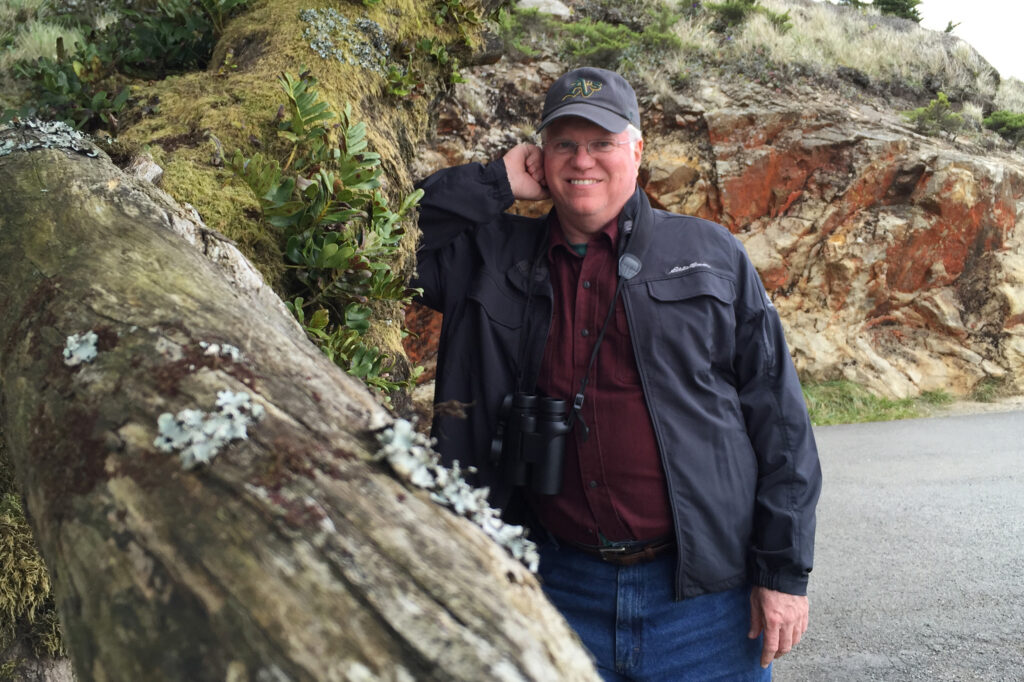
For nearly two decades, from 1999 to 2018, Bruggers served as an environmental beat reporter for the Courier Journal. It was here that he cemented his reputation as a vigilant watchdog. Following his tenure at the Courier Journal, he joined Inside Climate News (ICN), where he spent his final seven years covering the Southeast and honing his focus on the intersection of petrochemical development, coal mining, and the escalating plastics crisis. Even after his formal retirement last year, his passion for the work remained undiminished; he continued to contribute vital stories to ICN as recently as April.
Chronology of an Impactful Career
Bruggers’ career was marked by a series of high-impact investigations that fundamentally altered the regulatory landscapes of the communities he covered:
- 1999–2018 (Courier Journal Era): Bruggers emerged as the definitive voice on Louisville’s industrial air and water quality. His landmark project documenting how railroad workers suffered permanent brain damage due to workplace chemical exposure set a high bar for investigative rigor.
- 2003 (The Stokes Award): His investigative series on toxic air pollution in Louisville’s industrial district, Rubbertown, earned him the National Press Foundation’s Thomas L. Stokes Award. The reporting exposed systemic failures in pollution control and catalyzed the city’s adoption of the Strategic Toxic Air Reduction (STAR) program, which resulted in an 80 percent reduction in toxic chemical emissions.
- 2020 (Appalachian Advocacy): His reporting on the environmental consequences of coal mining in Appalachia earned him the Society of Environmental Journalists’ award for outstanding beat reporting. The judges praised his "grit and finesse," noting his unique ability to bridge the gap between complex government policy and the human reality of coal miners and small-town mayors.
- 2024–2025 (The Alabama Investigation): In a demonstration of his "always-on" mentality, Bruggers alerted ICN reporter Lee Hedgepeth to a mine explosion near her home that had escaped the notice of state regulators. Their subsequent investigation into methane leaks underneath residential homes led to a federal investigation and immediate state-level corrective action.
- 2026 (Final Chapters): His final published article, released in April, detailed ongoing environmental violations at a plastic waste processing plant. Within a month of his report, the company announced it was suspending operations, a testament to the persistent efficacy of his work.
The "Tip of the Spear" on Plastics
In his later years, Bruggers shifted his investigative lens toward the burgeoning industry of "advanced recycling." Through deep-dive reporting, he dismantled the industry’s claims that chemical recycling could solve the global plastic waste crisis.

Judith Enck, president of Beyond Plastics and a former EPA regional administrator, described Bruggers as "the tip of the spear." She noted that his pioneering journalism educated the public on the hazards of plastic pollution long before it became a mainstream political issue. By exposing the disconnect between corporate marketing and the physical realities of pollution-heavy facilities, Bruggers provided the intellectual ammunition for community advocates to push back against industrial expansion.
Mentorship and the Newsroom Culture
Beyond his bylines, Bruggers was a pillar of the journalism community. He was deeply involved with the Society of Environmental Journalists (SEJ), serving 13 years on the board and three as its president. Colleagues speak of him not just as a mentor, but as a "builder" of the profession.
"It’s almost impossible to estimate how many journalists he helped get into this beat," said Michael Kodas, a senior editor at ICN and long-time colleague.
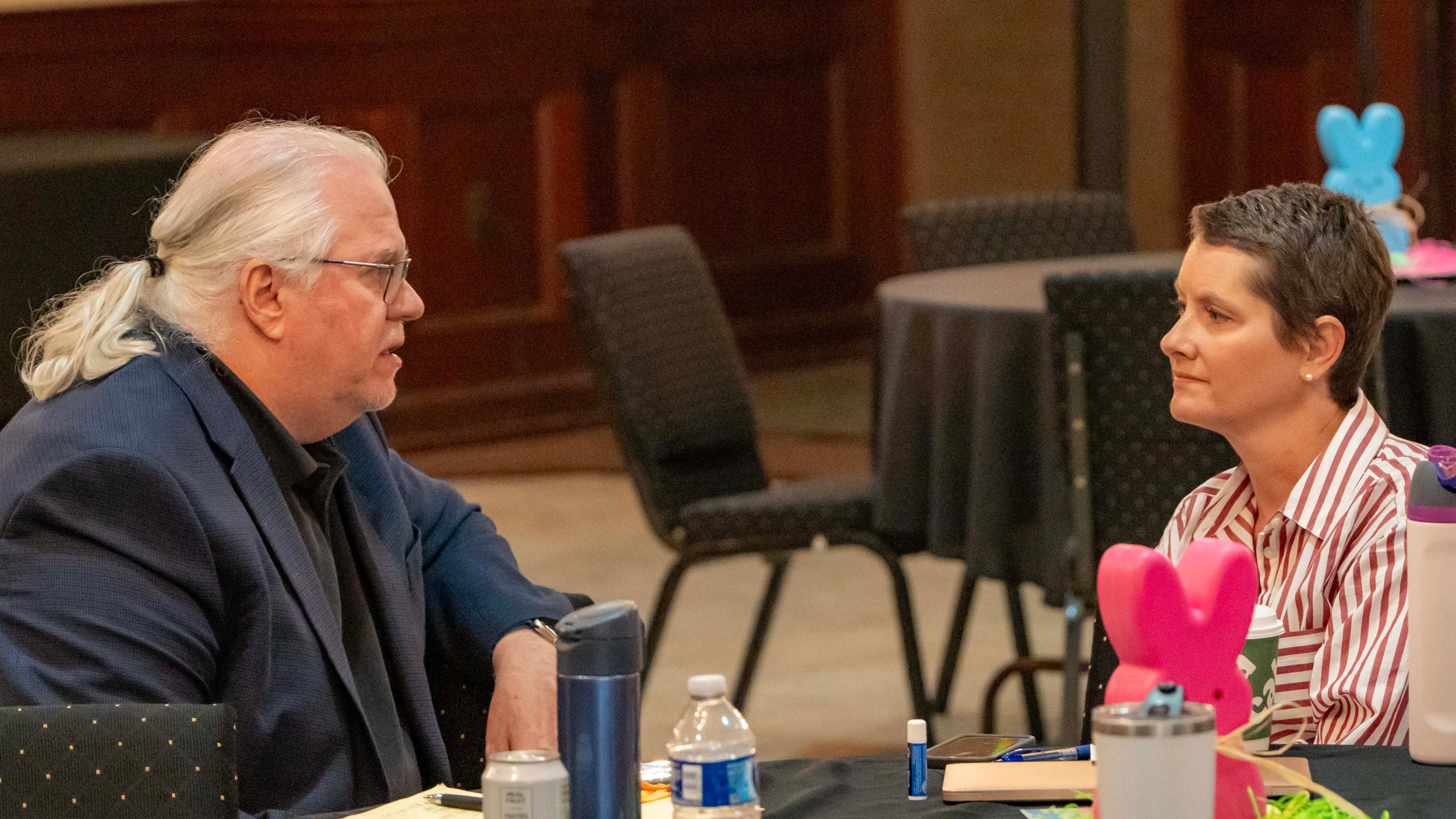
Inside the newsroom, he was cherished for his kindness and his ability to see the humanity in every story. Vernon Loeb, executive editor of Inside Climate News, noted that Bruggers was the gold standard for his staff. "His death hit us all so hard because he meant so much to everyone in our newsroom," Loeb said. "Everyone loved him."
A Faith-Driven Commitment to Justice
Bruggers’ work was deeply influenced by his upbringing and his faith. Raised by a physician father and a nurse mother in a family that prioritized social inclusion and diverse community engagement, Bruggers maintained a lifelong interest in how religion can drive environmental advocacy.
His final interview, conducted with a Passionist priest in Louisville, explored the concept of hope amidst environmental crisis. In that piece, he highlighted the idea that "narratives are what actually bring about change"—a philosophy that mirrored his own life’s work. Whether he was organizing live jazz outings for his staff or checking in on colleagues during foreign reporting trips to ensure their safety, he approached his personal life with the same compassion he brought to his reporting.
Implications for the Future of Environmental Journalism
The death of James Bruggers leaves a significant void in the field of investigative journalism. However, the infrastructure he helped build—both through his mentorship of a new generation of reporters and his leadership within the SEJ—ensures his influence will persist.
His legacy is one of "grit and finesse." He proved that environmental journalism is not merely about data points or policy shifts, but about the lives of the people impacted by corporate greed and government negligence. As the climate crisis intensifies, the template Bruggers established—rigorous, persistent, and deeply empathetic—remains more vital than ever.
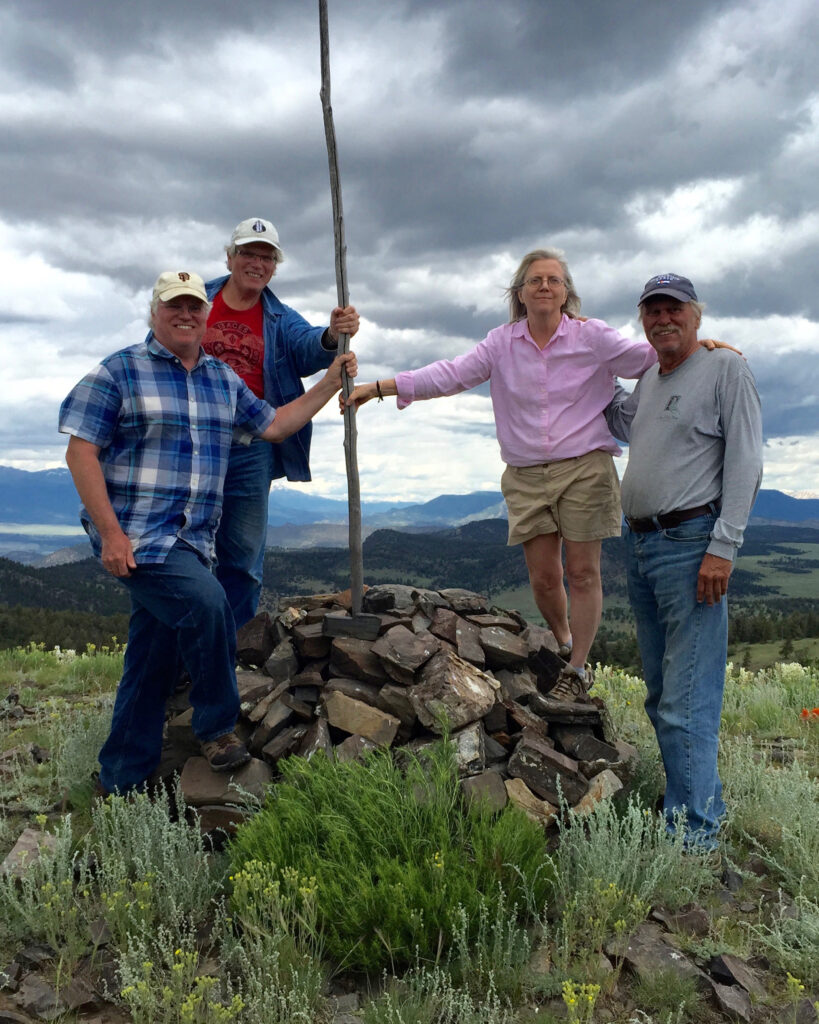
In addition to his wife, Chris, Bruggers is survived by his brothers, Rick and Don; his sister, Carol; and two step-children, Joy and Jacob Rigel. His colleagues and the many communities he served will remember him as a man who could see the beauty in the Colorado Rockies and the resilience in a Kentucky community, all while maintaining the relentless drive to hold the powerful to account.
As the industry reflects on his passing, the consensus remains clear: James Bruggers was one of the finest environmental journalists of his generation, a man who believed that the truth, told with compassion, could—and did—change the world.

 Laily UPN
 Layla Zulfa