


 Lina Irawan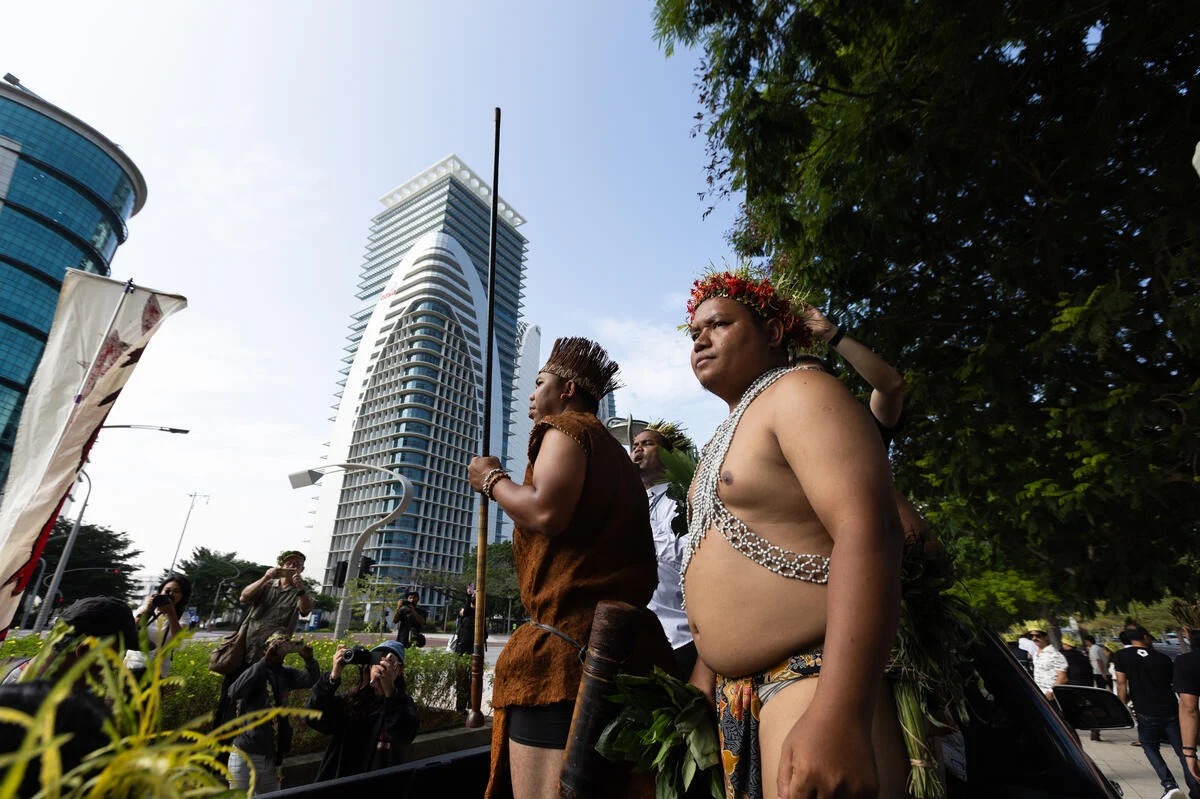
From the wind-swept hills of New Zealand to the bustling streets of Putrajaya and the climate corridors of Bonn, Greenpeace’s recent efforts underscore a global surge in grassroots activism. As environmental challenges intensify—ranging from the encroachment of extractive industries to the brutal realities of a warming planet—communities and campaigners are leveraging visual storytelling and direct action to demand systemic change. This report chronicles a week of international mobilization dedicated to defending our ecosystems and the scientific integrity of global climate policy.
1. Main Facts: The Pulse of Global Mobilization
The past seven days have seen a diverse array of interventions across the globe. Greenpeace’s current strategy highlights three primary pillars: direct action against industrial encroachment, the elevation of Indigenous knowledge, and the unwavering defense of science in political decision-making.
In New Zealand, activists transformed the Te Uku wind farm into a symbolic "peace sign," linking the transition to renewable energy directly to the prevention of conflicts fueled by fossil fuel dependency. Simultaneously, in the corridors of the Bonn Climate Conference (SB64), a coalition of nations and civil society leaders issued a clarion call to re-center science within the UNFCCC process. These actions are not isolated; they represent a concerted push to connect the dots between local environmental justice and the broader, often abstract, geopolitical frameworks that govern our planet’s future.
2. Chronology of Events: A Week in Review
The Peace-Energy Nexus (New Zealand)
To mark World Wind Day and the 100th day of an escalating geopolitical conflict involving oil price spikes, Greenpeace Aotearoa activists staged a protest at the Te Uku wind farm. By branding the turbines with the slogan "THIS MACHINE STOPS WARS," they emphasized that energy independence—powered by the wind—is not just an environmental imperative but a humanitarian one.

Defending the Science (Bonn, Germany)
At the SB64 climate talks, scientific integrity took center stage. Hosted by "Friends of Science," representatives from the Least Developed Countries Group, Switzerland, Fiji, and the Pacific Islands Climate Action Network convened a press conference to demand that policy remain tethered to climate data. Speakers, including Dr. Sindra Sharma, underscored that when science is sidelined, the most vulnerable populations in the Pacific and Africa pay the ultimate price.
Urban Heat and Education (Spain)
Greenpeace Spain launched an investigation into the "thermal crisis" in public education. Utilizing thermal imaging, the team documented classroom temperatures far exceeding safe limits in cities like Madrid, Seville, and Barcelona. This data serves as a stark warning: as heatwaves intensify, schools are becoming hazardous environments, necessitating immediate government investment in climate-resilient infrastructure.

Indigenous Rights and Land Sovereignty (Malaysia & The Netherlands)
In Malaysia, over 1,500 members of the Orang Asli and Orang Asal communities marched on Putrajaya to demand the formal recognition of their customary land rights. This was mirrored in Europe, where an Indigenous delegation from the Brazilian Amazon met with Dutch officials in The Hague to present a petition calling for the protection of the rainforest and the cessation of practices that marginalize traditional land stewards.
Oceans and Deep Sea Mining (Netherlands & Kenya)
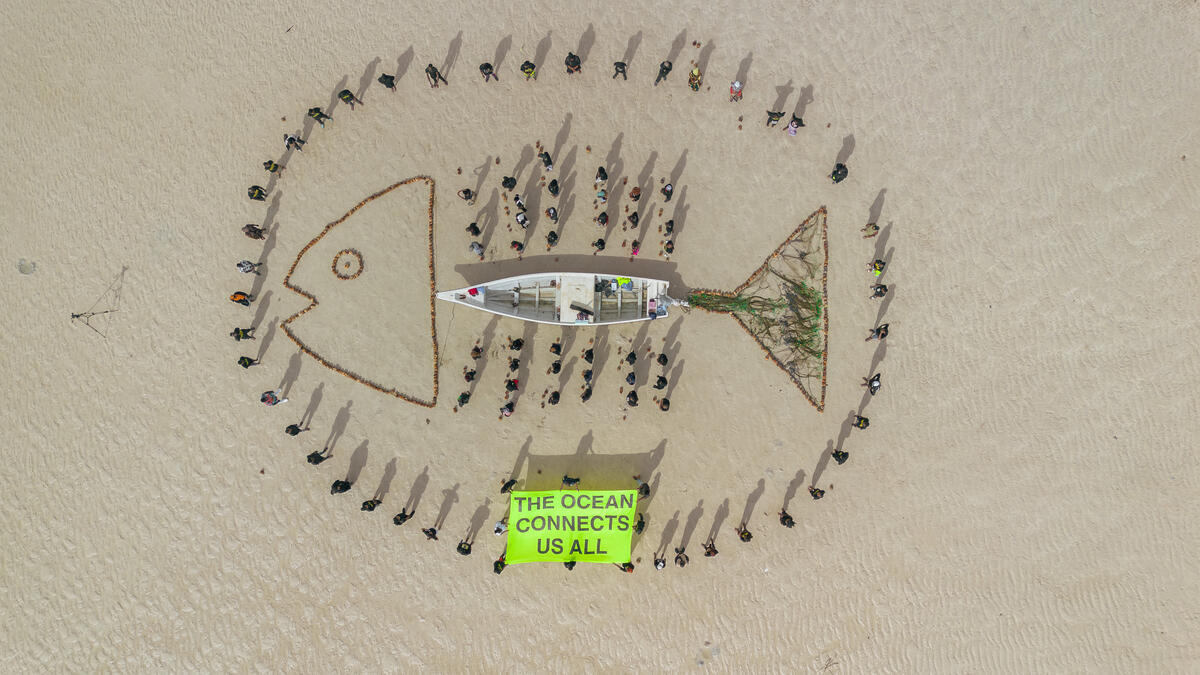
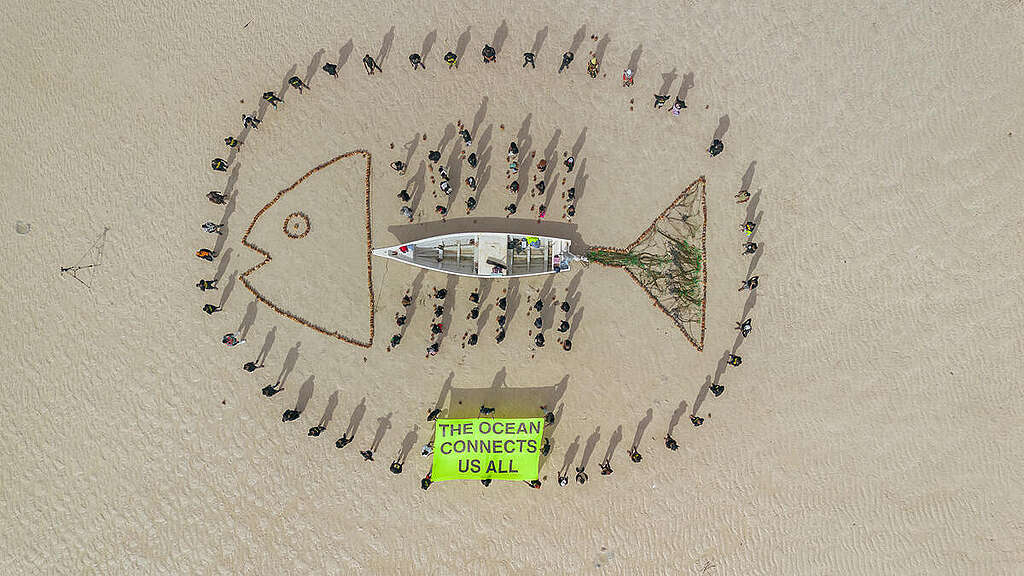
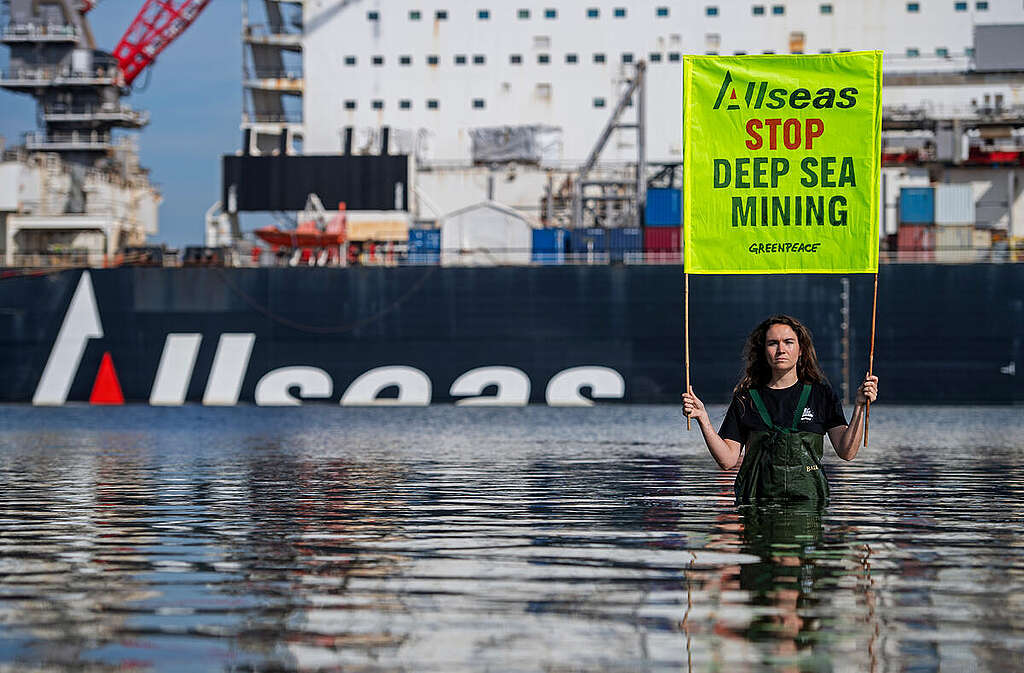
In Rotterdam, activists targeted vessels linked to deep-sea mining, asserting that such operations violate the UN Convention on the Law of the Sea (UNCLOS). Meanwhile, in Mombasa, Kenya, community volunteers used sand art to declare "The Ocean Connects Us All," emphasizing the collective vulnerability of African coastal communities to ocean degradation.

Cultural Resistance and Awareness (USA & Hawaii)
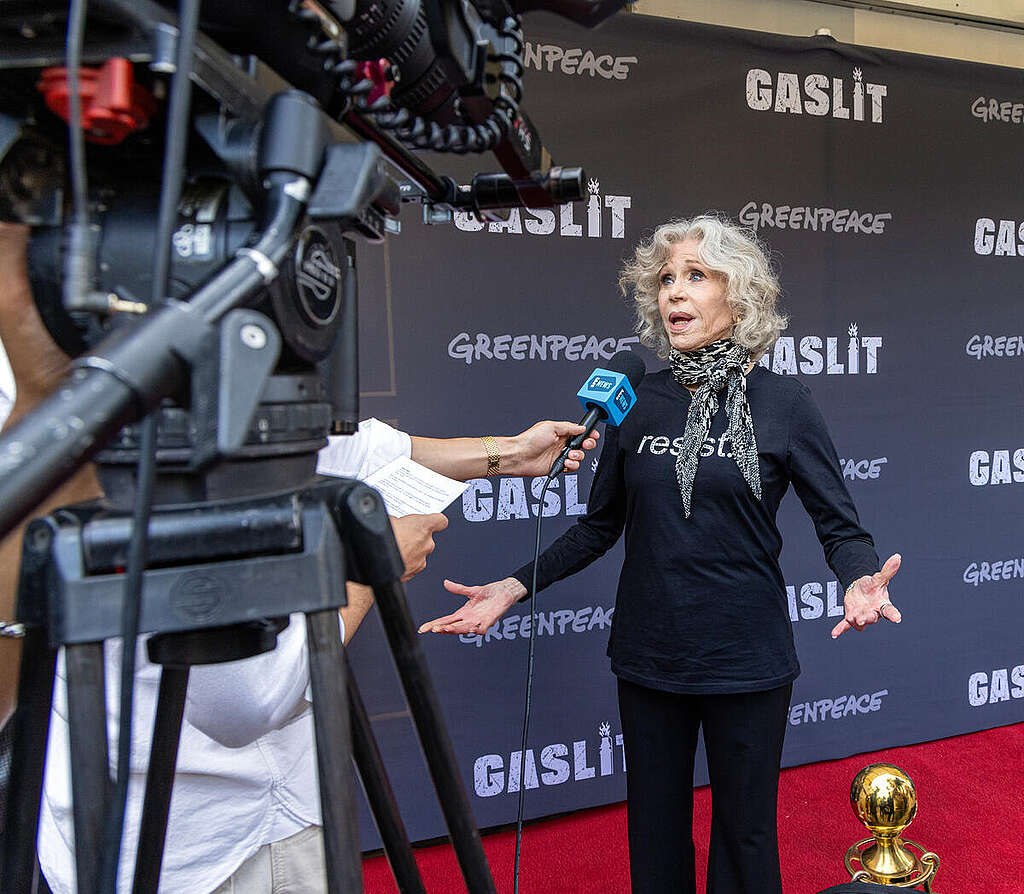
In the United States, the theatrical release of the documentary GASLIT, featuring activist Jane Fonda, brought the human cost of the petrochemical industry to the silver screen. Concurrently, in Hawaii, a massive 6,500-square-foot mural—inspired by the Kumulipo—was unveiled, signaling a fusion of traditional Hawaiian genealogy and modern advocacy against deep-sea mining.
3. Supporting Data: The Cost of Inaction
The data behind these protests paints a grim picture. In Spain, the thermal cameras did not just capture numbers; they captured a failure of public policy to protect children, who are physiologically more susceptible to heat-related stress. In the context of the Altri/Greenfiber project in Galicia, the opposition is rooted in the preservation of the Ulla River basin—an ecosystem that is arguably the most productive in the region.

The economic argument is equally compelling. The "peace sign" protest at the Te Uku wind farm highlights the correlation between fossil fuel volatility and global cost-of-living crises. By tethering their economies to the volatile oil market, nations leave their citizens exposed to price shocks. Renewable energy, by contrast, offers price stability and security.
Furthermore, the scientific panel in Bonn emphasized that the "net-zero" goals touted by many nations are mathematically impossible without a fundamental shift in how we interpret climate science. The Pacific Islands Climate Action Network (PICAN) noted that current commitments are not only insufficient but are based on "optimistic models" that ignore the lived reality of those already experiencing climate displacement.
4. Official Responses and Stakeholder Positions
The interventions have drawn varied responses:
- The Scientific Community: The panel at Bonn, featuring representatives from Switzerland and Fiji, solidified a unified stance: science is non-negotiable. They warned that if the UNFCCC process allows political compromise to override data, the 1.5°C threshold will become a mathematical impossibility rather than a policy goal.
- Governmental Silence vs. Accountability: While the Malaysian Ministry of Rural and Regional Development has yet to issue a formal policy shift in response to the massive protests in Putrajaya, the visibility of 1,500 Indigenous marchers has forced the issue into the national consciousness. Similarly, in The Hague, the formal acceptance of the Amazon petition by Minister Jaimi van Essen represents a symbolic, if not yet structural, victory for Indigenous leaders.
- Corporate Accountability: Greenpeace’s action against the Allseas ship in Rotterdam serves as a legal and public relations warning. By invoking UNCLOS, the organization is testing the boundaries of international law regarding deep-sea mining, effectively daring corporations to proceed with operations that lack broad international consensus.
5. Implications: The Path Forward
The convergence of these events indicates that the environmental movement has moved beyond single-issue silos. The struggle for climate justice is now inextricably linked to Indigenous rights, the defense of academic and scientific integrity, and the struggle for humanitarian peace.
The Role of Art and Visibility
From Jane Fonda’s documentary to the sand art in Mombasa and the mural in Hawaii, these actions demonstrate that facts alone are often insufficient to drive policy. Visual storytelling acts as a catalyst, humanizing the data and forcing a public reckoning with issues that are often obscured by corporate lobbying or bureaucratic jargon.
Policy Recommendations
Based on the demands made by the various groups involved this week, several key policy imperatives emerge:
- Climate-Controlled Public Spaces: Governments must mandate building codes for schools that include high-efficiency cooling and green infrastructure to combat the "urban heat island" effect.
- Recognition of Customary Land Rights: As seen in Malaysia and the Amazon, the most effective guardians of biodiversity are Indigenous peoples. Legal recognition of their land rights is not merely a social justice issue; it is a vital climate mitigation strategy.
- Moratorium on Deep-Sea Mining: The actions in the Netherlands and Hawaii underscore a growing global demand for a precautionary approach to the oceans. Exploiting the deep sea for minerals before the ecological impacts are understood is a high-stakes gamble that the planet cannot afford.
Conclusion
As Greenpeace continues its 50-year legacy of photo activism, these images serve as more than just documentation—they are a call to action. Whether it is a mural in Kapālama Kai or a protest in the harbor of Rotterdam, the message is consistent: the status quo is failing. The strength of the global environmental movement lies in its ability to connect these disparate battles into a singular, cohesive fight for a safe, healthy, and equitable future for all. As the world watches these developments, the pressure on policymakers to transition from rhetoric to radical, science-based action continues to mount.
For more information on these campaigns and to view the full archives of environmental imagery, please visit the official Greenpeace Media Library.

 Laily UPN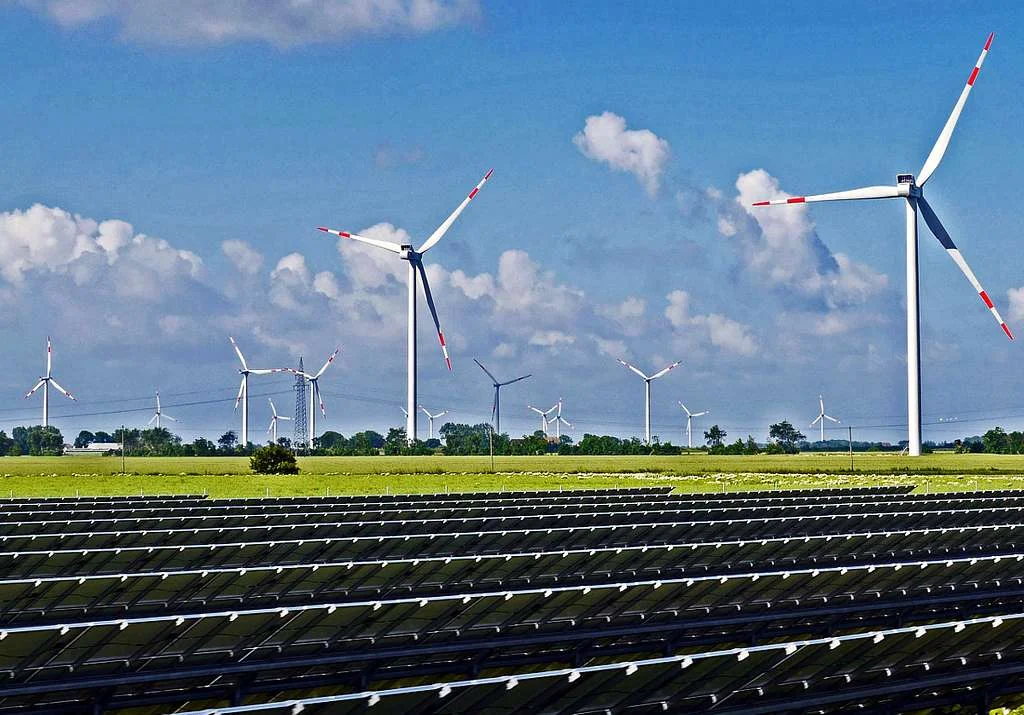
 Layla Zulfa